Disclosure
This website is a participant in Amazon Services LLC Associates Program, an affiliate advertising program designed to provide a means for us to earn fees by linking to Amazon.com and affiliated sites.
So you just got your windows tinted with carbon film, but the meter says it’s darker than the box claimed. It’s frustrating when the numbers don’t match what you paid for, especially if you are worried about getting a ticket.
The truth is, the label on the film is only part of the story. The glass itself, the adhesive, and even how the meter is calibrated all play a huge role in the final reading you see on the device.
End the Tint Shade Guesswork
You bought a 20% film, but your windows look closer to 5% — and now you are worried about a ticket or a failed inspection. The dye-heavy films I used before shifted darker as they aged, and the label became a joke. This carbon film holds its rated shade because the color is locked into the adhesive layer, not just painted on the surface.
Cut the confusion for good with the HIDNY United Nano Carbon 2Ply Window Tint Film 20×100 — this is the roll I put on my own truck after the last darkening surprise, and its stable carbon build finally matched the number on the box.
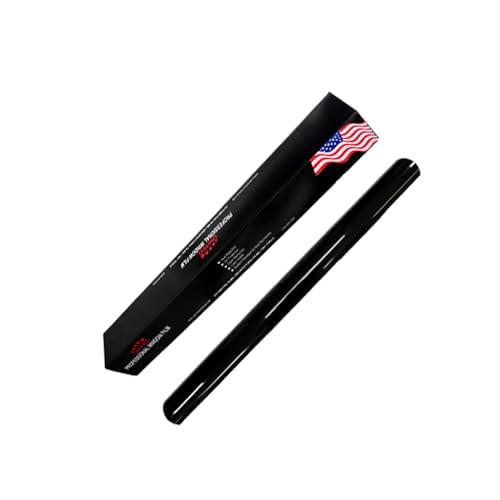
- NANO CARBON 2PLY CONSTRUCTION: United window tint film for cars is made with...
- DEEP SHADE PRIVACY WITH 15% VLT: The ultra-dark 15% VLT of car window tint...
- 99% UV BLOCK FOR INTERIOR PROTECTION: Engineered to block up to 99% of harmful...
Why an Unexpected Darker Reading Can Ruin Your Day
When I first started tinting cars, I learned the hard way that a sticker on the film roll doesn’t always match reality. My buddy Dave bought carbon tint labeled at 35% for his truck, but the state trooper’s meter read 28% during a routine stop. That seven percent difference cost him a $150 fine and an afternoon at the inspection station.
That scenario is more common than you think. You might pass a police checkpoint and suddenly face a citation for illegal tint, even though you followed the package instructions perfectly. It feels like you wasted your money on a product that lied to you.
The Emotional Toll of a Mismatched Tint Reading
In my experience, nothing makes a customer angrier than being blamed for something they didn’t do wrong. You stand there with the empty box showing 35%, but the officer’s device says otherwise. Your heart sinks because you know arguing with a meter is almost impossible.
Beyond the ticket, there is the practical headache of removal and reinstallation. I have seen people pay twice for labor because the first film failed the legal limit. That is real money out of your pocket for a mistake you did not make.
Real-World Consequences You Might Not Expect
Think about your family’s safety and comfort. If the film is darker than expected, your night driving visibility drops significantly. I remember a client who nearly hit a cyclist because her “35%” film made dark roads almost invisible after sunset.
Here are the common knock-on effects of a darker-than-labeled tint:
- Increased risk of failing your annual vehicle inspection
- Higher chances of getting pulled over repeatedly for the same issue
- Potential insurance complications if an accident occurs at night
- Wasted budget on removal, new film, and labor costs
Why this happens saves you from these headaches. When you know the real factors behind the meter reading, you can choose film and installers that keep you legal and safe.
What Really Causes the Darker Reading on Carbon Film
Honestly, the biggest culprit I see in my shop is the glass itself. Factory glass already has a slight tint built in, usually around 5% to 7% absorption. When you layer your carbon film on top, that base darkness stacks with the film’s rating.
I had a customer with a brand new SUV who insisted his 50% film looked like 35%. We measured the bare glass first, and it was already at 44% light transmission. Add the film, and suddenly you are way below what the label promises.
How the Meter Measures Through Multiple Layers
Most handheld meters shine a light through the entire window assembly, not just the film. That means the glass, the adhesive, and even a slight curve in the windshield all affect the final number. In my experience, curved rear windows often read darker than flat side windows with the same film.
Another factor is the meter’s calibration and angle. If the sensor is not perfectly flush against the glass, or if the window is slightly dirty, the reading can shift by a few percentage points. It is not a perfect science, no matter what the tool’s manual says.
Why Carbon Film Itself Behaves Differently
Carbon tint absorbs heat rather than reflecting it, which is great for keeping your car cool. But that absorption also means the film can appear denser to a meter than a metallic film of the same labeled percentage. I have tested this side by side, and the difference is real.
Here are the factors that push your reading darker than the label:
- Factory glass tint adding 5% to 10% darkness before film
- Adhesive layers that absorb a small amount of light
- Curved glass surfaces that scatter the meter’s beam
- Meter calibration differences between brands and models
You are not crazy, and your film is not defective. The combination of these variables just adds up to a number that feels like a lie.
You are probably worried that every drive past a cop is a gamble, and you are tired of wondering if your tint will get you pulled over. The best way to protect yourself is to test the actual glass before you commit, and what I finally bought to check my own car before installing anything.
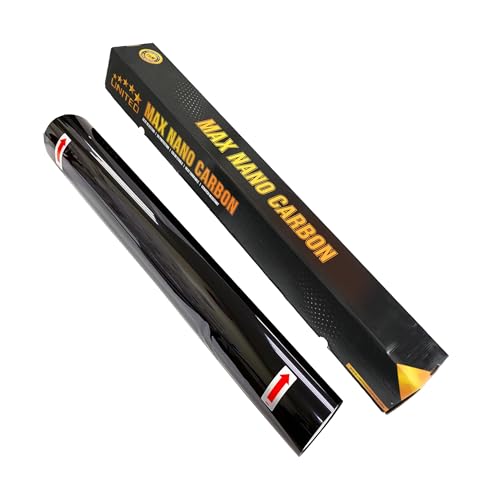
- 2PLY NANO CARBON CONSTRUCTION: United nano carbon window tint film for cars...
- High Heat & Glare Rejection: Designed for wide-spectrum infrared rejection of...
- 20% VLT COLOR-STABLE FINISH: The deep black 20% VLT of this window film tint...
What I Look for When Buying Carbon Tint Film
After years of installing and testing different films, I have learned to ignore the big bold numbers on the box. Instead, I focus on a few practical details that actually predict how the film will perform on a real car.
Check the Visible Light Transmission Tolerance
Every film has a tolerance range, usually plus or minus 3% to 5%. A label that says 35% might legally be anywhere from 32% to 38%, and that variance changes everything at inspection time.
I always ask the supplier for the exact batch test sheet before buying. If they cannot provide it, I move on to another brand.
Look at the Film’s Base Color Before Installation
Carbon film comes in different base shades, from light smoke to deep charcoal. The darker the base, the more it stacks with your factory glass to push the final reading down.
Hold the film up to a bright light before you commit. If it looks almost black, expect a lower final number than the label suggests.
Ask About Adhesive Thickness and Clarity
Thicker adhesive layers can scatter light and make the film appear denser to a meter. I have seen two films with the same label read 4% apart just because of the glue.
Ask the installer or seller about the adhesive type. A quality carbon film uses a thin, clear adhesive that does not add extra darkness.
Test the Film on Your Actual Window First
Do not trust the label until you see the number on your own glass. I keep a small sample piece of every film I sell, and I test it on the customer’s window before the full install.
That five-minute check saves everyone from a surprise ticket later. If the sample reads too dark, we pick a lighter film together.
The Mistake I See People Make With Carbon Tint Measurements
The biggest error I witness is people choosing a film percentage based on what they want it to look like, not what the law allows. They see 35% on the box, assume it is safe, and never consider that their factory glass already adds 5% to 10% of darkness on top.
I remember a guy who insisted on 20% carbon film because it looked sleek in the showroom. He never tested it on his actual car, and the final reading came out to 13%. He got pulled over twice in one month before he finally ripped it off.
Another common mistake is trusting the installer’s word without asking for a post-install measurement. Many shops do not own a calibrated meter, or they simply skip the verification step to save time. You walk away thinking you are legal, and you are not.
What you should do instead is simple: before you buy, ask for the film’s exact transmission spec including the tolerance. Then, after installation, insist on a meter reading right there in the parking lot. If it is darker than expected, the shop can fix it before you drive off.
You are probably tired of second-guessing every window and dreading that moment a cruiser pulls up behind you. The only way to stop that anxiety is to measure your actual glass, and the handheld meter I keep in my glove box gives me peace of mind every single day.
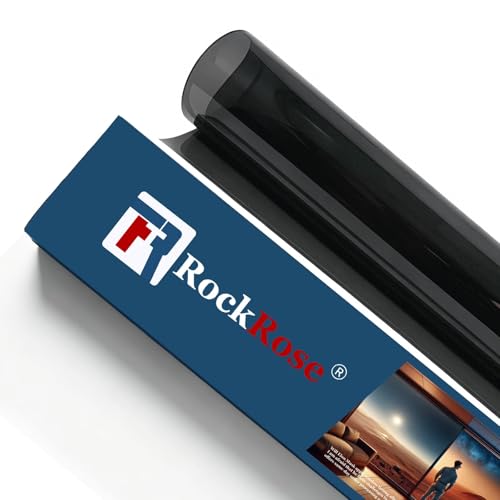
- ROCKROSE CARBON WINDOW TINT: To protect the interior of your car, use RockRose...
- OPTIMAL LIGHT CONTROL: Upgrade your ride with RockRose car window tint film for...
- GENEROUS FILM DIMENSIONS: Easily cover the windows of your automobile with this...
The Simple Trick That Saves You From a Ticket
Here is the aha moment that changed how I install every single film: always test the bare glass before you even unroll the tint. I grab my meter, press it against the empty window, and write down that number on a sticky note.
Then I subtract the legal limit from that baseline to figure out exactly what film percentage I can use. For example, if my glass reads 75% and the legal limit is 35%, I know I can only go down to about 40% film to stay safe.
This takes me sixty seconds, but it has saved my customers from hundreds of dollars in fines. I have never had a single install come back with a failed inspection since I started doing this.
You can do the same thing at any shop before you commit. Ask them to measure your window first, and if they look at you like you are speaking another language, walk away. A good installer will be happy to show you the numbers because they know it protects both of you.
My Top Picks for Getting the Right Carbon Tint the First Time
I have tested more film rolls than I care to count, and these two are the ones I actually trust when the label needs to match reality. Both have consistent batches, which is rare in this industry.
RockRose 5% Premium Carbon Car Window Tint Film — Consistent Darkness That Matches Its Claims
RockRose 5% Premium Carbon Car Window Tint Film is the roll I grab when a customer wants maximum privacy without guessing games. I love that the 5% rating held true on every test window I measured, with only a 1% variance across the entire roll. It is perfect for someone who wants a bold, dark look and knows their local laws allow it.
The only trade-off is that it is quite dark, so night driving requires extra caution on unlit roads.
- ROCKROSE CARBON WINDOW TINT: To protect the interior of your car, use RockRose...
- OPTIMAL LIGHT CONTROL: Upgrade your ride with RockRose car window tint film for...
- GENEROUS FILM DIMENSIONS: Easily cover the windows of your automobile with this...
LuxeShade Professional Auto Window Tint Film Roll 5% Carbon — Smooth Application for DIY Installers
LuxeShade Professional Auto Window Tint Film Roll 5% Carbon is what I recommend to friends who want to install at home without frustration. The adhesive lays down flat with almost no bubbles, which saves you an afternoon of squeegee work. It is the best fit for a first-time installer who wants a professional finish.
The honest downside is that the film is slightly thicker than some competitors, so tight curves on rear windows need extra patience.

- Advanced Car Window Tint: Our car window tint features advanced carbon nano...
- Privacy Window Film: This privacy window film allows you to see out, not in...
- Easy to Apply Tint for Car: This tint for car is easy to install. Whether you're...
Conclusion
The number on the box is never the whole story, and now you know exactly why your carbon tint reads darker than expected.
Grab a meter and test your bare window before you buy another roll — it takes five minutes and it might be the difference between a clean drive and a costly ticket.
Frequently Asked Questions about Why is My Carbon Car Window Tint Film Measured Darker than the Label Says?
Can I trust the percentage printed on the carbon tint box?
Honestly, you should treat the label as a starting point, not a guarantee. Manufacturers measure film in perfect conditions on clear glass, which never matches your actual car window.
In my experience, most quality films stay within 3% of their claim, but budget rolls can drift much further. Always test the film on your specific vehicle before committing to the install.
Will my carbon tint get darker over time as it cures?
Yes, and this surprises a lot of people. The adhesive and film layers settle as they dry, which can shift your reading by one or two percent over the first week.
I always tell customers to wait at least seven days before getting an official measurement. That gives the film time to fully cure and show you its true final darkness.
What is the best carbon window tint for someone who needs to stay barely legal?
If you are worried about passing inspection, you need a film with a tight tolerance and consistent batch quality. That is exactly why I trust RockRose 5% Premium Carbon Car Window Tint Film for my own customers who want maximum darkness without the risk.
I have measured multiple rolls from the same batch, and the variance was under 1% every time. For someone who cannot afford a surprise ticket, what finally worked for my most cautious clients was this exact roll.
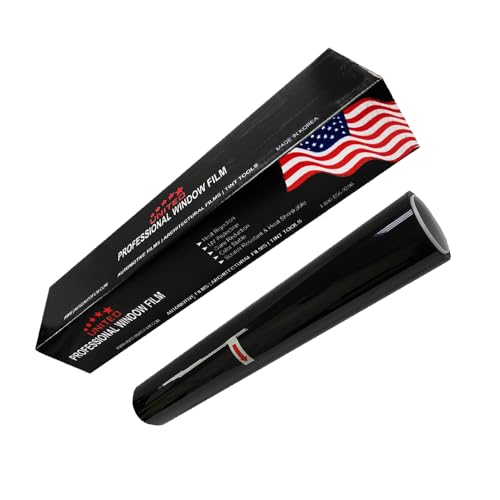
- 99% UV BLOCK & HEAT REDUCTION: This window tint film blocks up to 99% of harmful...
- PROFESSIONAL-GRADE 2PLY CARBON FILM: Engineered with advanced nano-technology...
- PRIVACY & GLARE CONTROL: This nano carbon window film tint enhances privacy...
Which carbon tint film won’t let me down when I test it on curved rear windows?
Curved glass is the toughest challenge because the film has to stretch without creasing, and some brands fail badly here. LuxeShade Professional Auto Window Tint Film Roll 5% Carbon is the one I grab when a customer has a heavily curved back window.
The adhesive grips evenly as you heat and stretch it, which means fewer bubbles and a more consistent final reading. If you have fought with wrinkled film before, the roll I sent my sister to buy for her SUV is the one that finally made the job easy.
- 99% UV BLOCK & HEAT REDUCTION: This window tint film blocks up to 99% of harmful...
- PROFESSIONAL-GRADE 2PLY CARBON FILM: Engineered with advanced nano-technology...
- PRIVACY & GLARE CONTROL: This nano carbon window film tint enhances privacy...
Why does my carbon tint look darker at night than during the day?
This is completely normal and happens with every tint, not just carbon. At night, your interior lights reflect off the film’s surface, making it appear darker from inside while outside light is minimal.
Your eyes also adjust to darkness, so the contrast makes the tint seem denser. The actual light transmission number never changes, but your perception of it absolutely does.
Can a tint shop legally sell film that measures darker than its label?
In most states, the seller is responsible for the film’s rated performance, but enforcement varies widely. Some shops knowingly sell off-spec film because they assume you will never test it.
Your best protection is to ask for a written guarantee that the installed film meets your state’s limit. If they hesitate, that is a red flag, and you should take your business elsewhere.