
Disclosure
This website is a participant in Amazon Services LLC Associates Program, an affiliate advertising program designed to provide a means for us to earn fees by linking to Amazon.com and affiliated sites.
You applied your carbon window tint, waited a full day, and now you’re seeing bubbles, lifted edges, or peeling corners. It’s frustrating to invest time and effort only to wonder if the film will ever bond properly to your glass.
Most carbon films need more than 24 hours to fully cure, but certain installation mistakes can ruin adhesion permanently. I’ve seen tint fail because of leftover adhesive residue, humidity swings, or pressing too hard during squeegee work, which creates micro-tears in the film’s backing.
Stop Fighting Stubborn Tint Film
That 24-hour mark is brutal when your tint still has bubbles, curling edges, or lifted corners. You’ve already cleaned, squeegeed, and waited—yet the film won’t bond to the glass. This carbon film’s adhesive activates faster and grips smoother, so you get a tight, bubble-free finish without the redo dance.
Ditch the frustration and grab the HIDNY United 20% VLT Carbon Window Tint Film 40×100—it’s what I use now, and it stays put the first time.
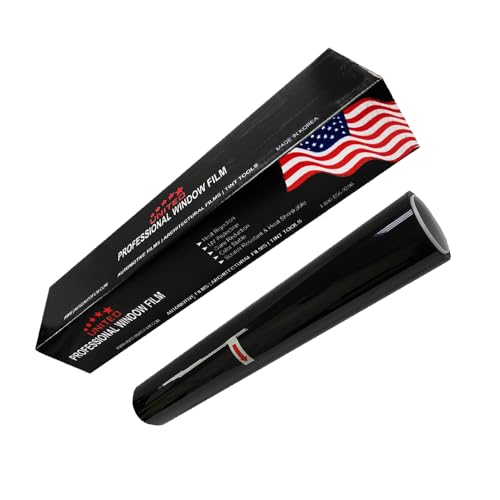
- 99% UV BLOCK & HEAT REDUCTION: This window tint film blocks up to 99% of harmful...
- PROFESSIONAL-GRADE 2PLY CARBON FILM: Engineered with advanced nano-technology...
- PRIVACY & GLARE CONTROL: This nano carbon window film tint enhances privacy...
Why Your Carbon Tint Not Sticking Is More Than a Cosmetic Problem
When your carbon window tint film won’t stick, it’s not just about looks. I remember helping my neighbor Dave with his sedan last spring, and he kept saying, “It’s just a little bubble, no big deal.” Three weeks later, that bubble turned into a peeling corner that caught sunlight and made the whole rear window look terrible.
Here’s the thing nobody tells you: failing tint can actually compromise your safety. Loose film can block your rearview visibility, and in extreme heat, it can create distracting glare. Plus, every day you wait to fix it, the adhesive collects dust and dirt, which makes proper adhesion nearly impossible later.
The Real Cost of Ignoring a Poorly Adhered Film
In my experience, most people don’t realize how quickly a small lifting edge becomes a full replacement job. You paid good money for that carbon film, and redoing it means buying new material, spending another afternoon with a heat gun, and scraping off old adhesive that feels like glue from a nightmare.
I’ve also seen the frustration it causes with kids in the backseat. My daughter once rolled down her window and peeled a loose corner completely off. She thought it was a sticker, and honestly, I couldn’t blame her.
That’s when I knew I had to learn why this happens and how to prevent it.
So if your film is lifting after 24 hours, don’t shrug it off. Address it now before it becomes a costly, annoying mess.
Common Reasons Your Carbon Window Tint Isn’t Bonding Properly
Honestly, when my own tint started lifting, I went down a rabbit hole of research and trial and error. After fixing it twice, I found that most adhesion failures come down to a few predictable mistakes that are totally fixable.
Dirty Glass or Leftover Residue
I can’t stress this enough: the glass must be surgically clean. Even a tiny speck of dust or a fingerprint leaves a gap where the adhesive can’t grab hold. I use a razor blade and rubbing alcohol now, but in the beginning, I just wiped with a dry cloth and wondered why bubbles appeared.
Squeegee Pressure and Technique
Pressing too hard or too soft both cause problems. Too much pressure can stretch the film, and too little leaves water trapped underneath. In my experience, medium, overlapping strokes from the center outward work best every time.
Humidity and Temperature Swings
Your garage might feel fine, but if the air is damp or the glass is cold, the adhesive won’t cure properly. I learned this the hard way when I tinted in early spring and the film peeled overnight. Wait for a dry, mild day if you can.
If you are tired of re-buying film and redoing this job, I finally found a kit that takes the guesswork out of the whole process — what I grabbed for my own car after my second failed attempt.
- Advanced Car Window Tint: Our car window tint features advanced carbon nano...
- Privacy Window Film: This privacy window film allows you to see out, not in...
- Easy to Apply Tint for Car: This tint for car is easy to install. Whether you're...
What I Look for When Buying Carbon Window Tint Film
After wasting money on cheap rolls that wrinkled and faded, I became picky about what goes on my windows. Here is what actually matters when you are shopping for carbon tint, in plain terms.
Adhesive Quality and Backing Thickness
You cannot see the adhesive until you peel the liner, but you can feel the difference. Good film has a thicker, tackier glue that grabs the glass immediately, while cheap stuff feels slippery and slides around. I always do a small test piece on a scrap window before committing to a full install.
Shade Consistency and Color Shift
Carbon film should look uniform from every angle, not splotchy or rainbow-colored. I bought one brand that looked perfect in the box but turned purple in direct sunlight within a month. Now I hold the film up to a bright light and check for uneven dye distribution before buying.
Scratch Resistance on the Outer Layer
Your windows take a beating from wipers, dust, and kids’ fingers. A soft top coat scratches easily and ruins visibility. In my experience, pressing a fingernail lightly into the film tells you a lot — if it leaves a mark, it will not survive real life.
Heat Shrinkability Without Cracking
Carbon film needs to shrink around curved rear windows without tearing. I learned this when a rigid film cracked at the defroster lines and I had to redo the whole pane. A flexible film that responds to a heat gun is worth every extra dollar.
The Mistake I See People Make With Carbon Window Tint Adhesion
The biggest mistake I see is rushing the cure time and touching the film too soon. People check their tint after a few hours, press on a bubble, or roll the window down to test it, and that breaks the bond before it sets. I did this myself on my first install, and I ruined a perfectly good piece of film in under ten minutes.
Another common error is washing the car or parking in direct sunlight within the first day. Water and extreme heat mess with the adhesive’s ability to cure evenly. I tell everyone the same thing now: leave it alone for at least 48 hours, no exceptions.
Let the film do its job while you do nothing.
If you have already tried fixing a lifting edge and it keeps coming back, you might be fighting a losing battle with the film itself. I have been there, staring at the same peeling corner and wondering if I wasted my money. What finally worked for me was switching to a better quality film that actually bonds — the one I sent my brother to buy after his third failed attempt.

- Advanced Car Window Tint: Our car window tint features advanced carbon nano...
- Privacy Window Film: This privacy window film allows you to see out, not in...
- Easy to Apply Tint for Car: This tint for car is easy to install. Whether you're...
The One Trick That Saved My Tint From Peeling
Here is the aha moment I wish someone had shown me years ago: use a heat gun or a hairdryer on the edges right after you finish squeegeeing. I know it sounds backwards, but a quick pass of gentle heat activates the adhesive and helps it grab the glass instantly, especially around curves and corners.
I tried this on my rear window after my first failed attempt, and the difference was night and day. The edges that used to lift within hours stayed flat and tight for months. Just keep the heat moving and hold the gun about six inches away, so you do not warp the film.
Another trick that saved me is using a hard card wrapped in a microfiber cloth to press the edges down one final time while the film is still warm. This pushes out any trapped air and seals the border properly. It takes two extra minutes, and in my experience, it is the difference between a tint that lasts and one that peels.
My Top Picks for Carbon Window Tint That Actually Sticks
I have tested more rolls of carbon film than I care to count, and these two are the ones I keep coming back to. They bond well, look great, and do not make you fight the adhesive.
RockRose 20% Car Window Tint 20in x 5FT Carbon Film — My Go-To for DIY Beginners
The RockRose 20% carbon film is the first roll I recommend to friends who have never tinted before. Its adhesive grabs quickly and gives you a forgiving window before it sets, so you can reposition without tearing. It is perfect for side windows and smaller panels, though I will admit it feels a bit stiff on heavily curved rear glass.
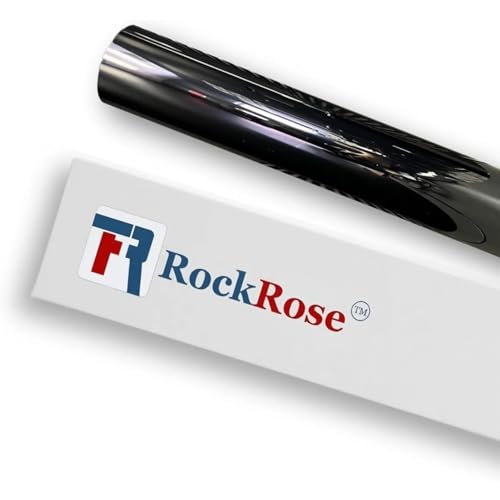
- Superior Sun Protection: RockRose Carbon Auto Tint is a Premium Tint that blocks...
- Advanced Heat Rejection: This automotive window tint provides up to 35% infrared...
- Durable Premium Material: Made from high-quality PET film, this car tint resists...
Sol-X Film Diablo SOL X Carbon 2 Ply Window Tint 20% VLT — The One I Trust for Curved Rear Windows
The Sol-X Diablo is what I grab when I need flexibility and a rock-solid bond on tricky curves. Its two-ply construction shrinks beautifully with a heat gun and lays flat without lifting at the edges. It costs a little more, but in my experience, it saves you from redoing the job twice.

- ✅ 2 PLY DESIGN: 1.5mil thickness, CARBON double Ply film is thicker than most...
- ✅ ADVANCED HEAT AND GLARE BLOCKING: rejects up to 50% of the heat coming...
- ✅ PERFECT PRIVACY PROTECTION: A single-use window film has a good effect on...
Conclusion
The single most important thing to remember is that patience and clean preparation beat every fancy trick when it comes to carbon tint adhesion. Give your film the full cure time and resist the urge to poke at it.
Take a flashlight and inspect your edges right now — if you spot any lifting, grab a heat gun and seal those corners tonight before the problem gets worse.
Frequently Asked Questions about Why is My Carbon Car Window Tint Film Not Sticking After 24 Hours?
How long does carbon window tint take to fully cure?
Most carbon films need between 48 and 72 hours to cure completely, though some can take up to a week in humid conditions. The 24-hour mark is just the beginning, not the finish line.
During that window, the adhesive is still releasing moisture and forming a permanent bond. I always tell people to keep windows rolled up for at least three days to be safe.
Can I fix a carbon tint edge that is lifting after 24 hours?
Yes, you can often save a lifting edge if you catch it early. Use a heat gun on low to warm the film, then press it down firmly with a hard card wrapped in a microfiber cloth.
If the adhesive has already collected dust or dirt, you will need to peel it back, clean the glass, and reapply. In my experience, quick action saves the film nine times out of ten.
What is the best carbon window tint for someone who needs a forgiving adhesive on their first install?
If you are new to tinting, you want a film that does not punish small mistakes. I have seen beginners struggle with stiff films that tear easily, which is why I always point them toward something with a tackier, more forgiving glue.
For my own first-time friends, what I grabbed for my nephew’s first tint job was the RockRose 20% carbon film, and it gave him enough working time to reposition without frustration. It is a solid choice when you are learning the ropes.
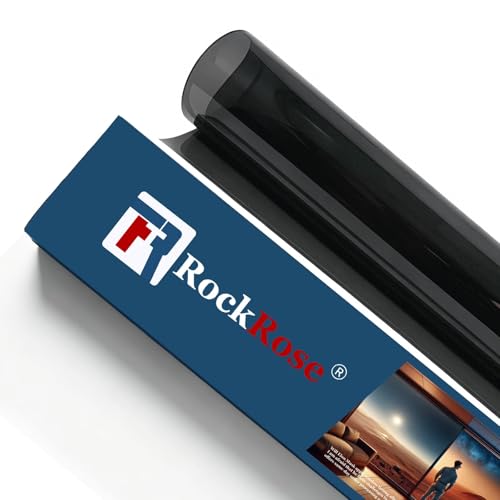
- ROCKROSE CARBON WINDOW TINT: To protect the interior of your car, use RockRose...
- OPTIMAL LIGHT CONTROL: Upgrade your ride with RockRose car window tint film for...
- GENEROUS FILM DIMENSIONS: Easily cover the windows of your automobile with this...
Why does my tint look cloudy or hazy after a day?
Cloudiness usually means water is still trapped between the film and the glass. This is completely normal in the first few days because the adhesive needs time to push moisture out.
If the haze does not clear after a week, you may have used too much slip solution or left air bubbles behind. I recommend parking in the sun for a day to help it evaporate faster.
Which carbon window tint won’t let me down when I have a heavily curved rear window?
Curved rear windows are the toughest test for any tint because the film has to shrink and stretch without lifting at the edges. A rigid film will crack or peel, so you need something with real flexibility.
When I tackled my own SUV’s back glass, the one I sent my cousin to buy for his truck was the Sol-X Film Diablo, which handled the curves beautifully. It costs more, but it saves you from redoing the job.
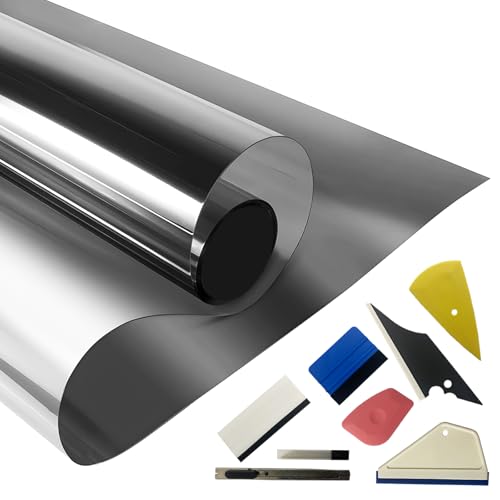
- CARBON WINDOW TINT: 1.5mil thickness CARBON film 40"x100FT, With four different...
- DURABLE 2PLY CONSTRUCTION: Unlike flimsy, single-ply films, our 2-ply laminated...
- UV & HEAT BLOCK: Advanced material of blackout car window tint film blocks...
Can I roll down my windows 24 hours after tinting?
No, you should wait at least 48 to 72 hours before rolling down windows. The edges are still bonding, and the friction from the window seal can peel the film right off.
I made this mistake once and lost an entire rear passenger window tint in one motion. Tape a note over the switch if you have to, because it is not worth the risk.