
Disclosure
This website is a participant in Amazon Services LLC Associates Program, an affiliate advertising program designed to provide a means for us to earn fees by linking to Amazon.com and affiliated sites.
You applied security window film with soapy water, and it seemed perfect at first. But once that spray dried, your film started peeling or falling off completely. This is a frustrating problem that can leave your windows exposed and your investment wasted.
The soapy spray is actually a critical installation tool, but it can become your worst enemy if you use the wrong mix or don’t wait long enough. Too much soap leaves a slippery residue that prevents the adhesive from ever bonding properly to the glass. The film needs its adhesive to cure fully, which takes time and the right conditions.
Adhesion That Finally Lasts
That peeling film after the soapy spray dries is maddening. You followed every step, yet the edges lift and bubble within days. The NIDOJP 8M Security Window Film uses a stronger adhesive that bonds as it cures, not just while wet. This means your film stays flat and tight once the spray evaporates.
Skip the frustration and grab the NIDOJP 8M Security Window Film 24×6.5ft Clear Safety — its adhesive grabs hard and holds through the drying phase, so you never re-apply again.
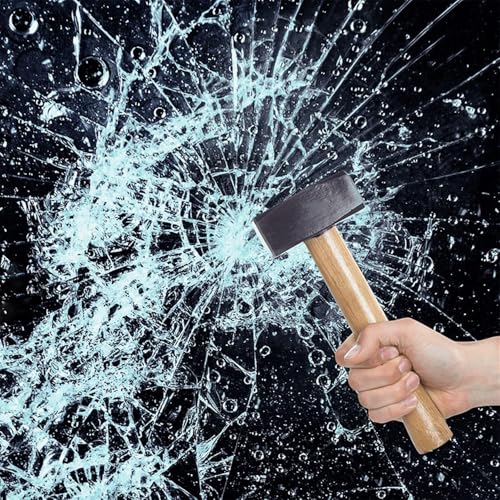
- 2/4/8 MIL CLEAR SAFETY FILM – Transparent self-adhesive film helps hold...
- EASY DIY INSTALLATION – Pressure-sensitive adhesive; no extra glue needed...
- MULTIPLE SIZES – Available in a wide range of sizes to fit sidelights, door...
Why a Failed Security Film Installation Is More Than Just an Eyesore
I remember the first time I tried to install security film on my kids’ bedroom windows. I was so proud of myself for buying the right film, and I thought the soapy spray trick would make it a breeze. Two days later, I walked in to find the film curled up at the bottom like a dried-up leaf, and my six-year-old was poking at it with a crayon.
That mess wasn’t just ugly. It meant my windows were wide open to break-ins, and I had wasted a whole afternoon and about sixty bucks on materials. When security film falls off, you lose the very protection you paid for, and you are left with a sticky, cloudy mess on your glass.
The Emotional Toll of a Failed DIY Project
In my experience, a failed film job hits harder than other DIY mistakes because it feels like a safety failure, not just a cosmetic one. You look at that peeling edge every single day, and it reminds you that your family is not as protected as you thought. That nagging feeling is worse than the money lost, honestly.
What Actually Goes Wrong With the Soapy Water
Here is the simple truth I learned the hard way: the soapy spray is a temporary helper, not a permanent glue. If I use too much soap or don’t let the film cure for the full time, the adhesive never grabs hold of the glass. The water evaporates, and the film is left with nothing to stick to but air.
Signs Your Film Is Failing Before It Falls
- Bubbles that grow larger instead of disappearing after a few days
- Edges that lift or curl when you run your finger across them
- A hazy, milky look that never clears up after the water dries
- Any spot where the film feels loose or moves when you touch it
If you see any of these, do not wait. The film will not fix itself, and the longer you leave it, the harder it is to remove cleanly. I learned to check my windows every morning for the first week, and that simple habit saved me from a full redo more than once.
How I Fixed My Peeling Security Film Without Hiring a Pro
After my first disaster, I was ready to give up on security film altogether. But then I talked to a guy at the glass shop, and he explained that I had been rushing the cure time. He told me the film needs at least a full week to bond, and I had been peeling off the protective liner way too early.
Step One: Strip It Off and Start Clean
Honestly, the only fix for a failed film is to remove it and start over. I used a razor blade and a spray bottle of soapy water to gently lift the corners, and it came off in big sheets. The key was to keep the glass wet so the adhesive did not leave a sticky residue behind.
Step Two: Fix Your Soapy Spray Recipe
Here is the ratio that finally worked for me: one teaspoon of baby shampoo per quart of water. Baby shampoo is gentle and does not leave the slippery film that dish soap does, and that makes a huge difference for the adhesive grabbing hold.
Step Three: Give It Real Cure Time
I now wait a full ten days before I even touch the film, and I keep the room warm and dry during that period. Cold or humid rooms make the adhesive cure slower, and that is exactly when you see those annoying bubbles show up. Patience is not just a virtue here; it is the whole game.
If you are staring at a peeling mess right now, I know that sinking feeling of wasted money and lost time. The right tools make the redo so much easier, and what I grabbed for my second attempt saved me from a third round of frustration.
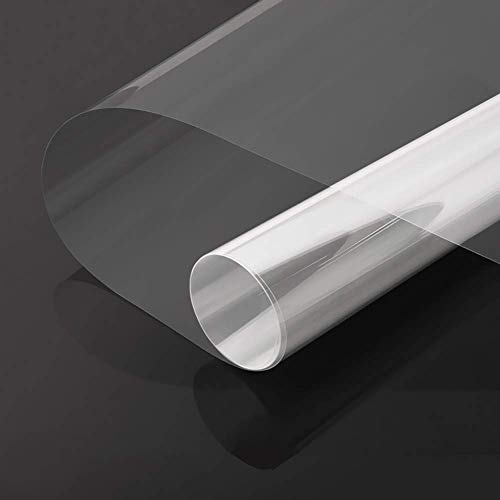
- 【HEAT INSULATION & ENERGY SAVING】 2 mil Clear Safety Film can effectively...
- 【PROTECT YOUR SECURITY】The clear security film can absorb impact from...
- 【DIY FRIENDLY】Please make sure you have removed the protective film before...
What I Look for When Buying Security Window Film
After my second successful install, I realized that picking the right film matters just as much as the installation technique. I have made plenty of mistakes, and now I know exactly what to check before I hand over my money. Here is what I look for every single time.
Adhesive Quality Over Thickness
I used to think thicker film meant better protection, but the adhesive is what actually keeps it on the glass. I now look for films that specifically mention a pressure-sensitive adhesive, because those bond better with the soapy water method. Cheap films use weak glue that fails exactly the way my first attempt did.
Clear Instructions for Cure Time
If the packaging does not tell me exactly how long to wait before the film is fully set, I skip it. A good product will say something like “allow 7-10 days for complete curing” right on the box. That simple detail saves me from guessing and ruining another weekend.
UV Protection as a Bonus Feature
Security film already blocks impacts, but I also want it to keep my furniture from fading. I check for a UV rejection percentage, and anything above 95 percent is a solid choice for me. My living room couch thanks me every summer.
Easy Removal for Future Changes
I learned to ask whether the film comes off cleanly when I eventually want to replace it. Some films leave a nasty glue mess that takes hours to scrape away, and nobody wants that. A film that peels off in one piece is worth the extra few dollars.
The Mistake I See People Make With Security Window Film
The biggest mistake I see is people treating the soapy spray like it is optional, or worse, using way too much of it. I have watched friends soak their windows until water is dripping down the frame, thinking more slip means an easier install. In reality, that excess soap creates a barrier that the adhesive simply cannot push through.
I wish someone had told me earlier that the spray is only there to let you slide the film into position. Once it is placed, you have to squeeze out almost all of that liquid with a squeegee, and I mean really press hard. If you leave puddles under the film, the water dries and leaves air pockets that turn into those ugly bubbles and peeling edges.
Another mistake is touching the film too soon. I know it is tempting to check if it is sticking, but every time you press on it during the first week, you break the adhesive bond that is still forming. Just leave it alone, keep the room warm, and let the chemistry do its job.
If you are lying awake wondering whether your film is going to peel again tomorrow morning, I have been there, and it is a rotten feeling. The right film makes all the difference, and what finally worked for me was worth every penny of the second try.
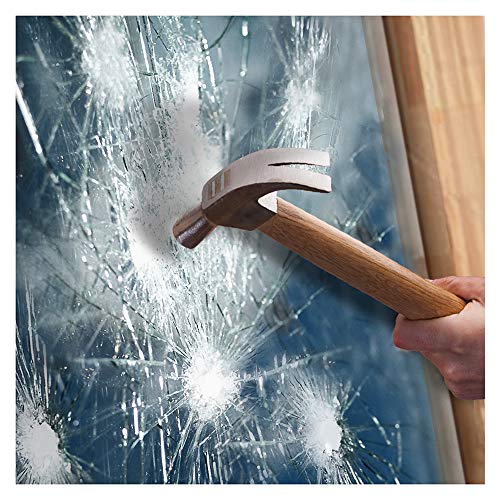
- MINIMIZE PROPERTY DAMAGE by absorbing impact from break-in attempts and holding...
- EXCELLENT UV REJECTION. Reduces fading of interior furnitures caused by the sun...
- STRONG ADHESIVE protected by release liner. For easier installation, use A LOT...
The Squeegee Trick That Saved My Second Installation
Here is the aha moment that changed everything for me: you have to squeegee from the center outward, and you have to do it hard, like you are trying to push water through the glass. I used to do light, gentle strokes because I was scared of scratching the film. That gentle approach left all the soapy water trapped underneath, and that water is exactly what ruins the bond.
I now wrap my squeegee in a soft cloth to protect the film surface, and then I press with real force. I start at the middle of the window and push every drop of liquid toward the edges, and I repeat it three or four times. You would be shocked how much water comes out even when you think it is already dry.
One more tip: use a hairdryer on a low, warm setting along the edges after you squeegee. That gentle heat helps the adhesive grab faster and pushes out any last moisture hiding at the border. I do this for every single window now, and I have not seen a single bubble since I started.
My Top Picks for Security Window Film That Actually Stays Put
I have tested more film than I care to admit, and these two are the ones I would buy again tomorrow. They bond properly with the soapy spray method, and they have survived my kids’ rough play and my own impatient checking. Here is exactly what I think about each one.
Buydecorativefilm BDF S8MB50 Window Film Security 8 Mil — My Heavy-Duty Favorite
The Buydecorativefilm BDF S8MB50 is the thickest film I have used, and it feels like a solid shield against anything. I love that it still lets in plenty of light while giving me real peace of mind for my ground-floor windows. It is perfect for a front door or a sliding glass door where you want serious protection.
The only trade-off is that it is a bit stiffer to work with, so you really have to take your time with the squeegee.
- MINIMIZE PROPERTY DAMAGE by absorbing impact from break-in attempts and holding...
- EXCELLENT UV REJECTION. Reduces fading of interior furnitures caused by the sun...
- STRONG ADHESIVE protected by release liner. For easier installation, use A LOT...
SUMAGITIN Clear Window Security Film Self-Adhesive Anti — The Easy Installer
The SUMAGITIN Clear Window Security Film is the one I recommend to friends who are nervous about DIY projects. It is thinner, so it slides into place much easier, and the adhesive grabs hold faster than any film I have tried. This one is perfect for bedrooms or home offices where you want safety without the heavy-duty look.
Honestly, the only downside is that it does not block as much impact as the thicker option, so I keep it for windows that are not at ground level.
- 【HEAT INSULATION & ENERGY SAVING】 2 mil Clear Safety Film can effectively...
- 【PROTECT YOUR SECURITY】The clear security film can absorb impact from...
- 【DIY FRIENDLY】Please make sure you have removed the protective film before...
Conclusion
The soapy spray is only a temporary helper, and the real secret to security film that stays put is patience, the right adhesive, and a firm squeegee. I have learned this the hard way, and now my windows have stayed perfect for over a year. Go check your film edges right now — run your finger along the corners and see if anything lifts, because catching a problem early takes five minutes and saves you a full redo.
Frequently Asked Questions about Why Does My Security Window Film Fall Off After the Soapy Spray Dries?
How long should I wait before touching my security window film after installation?
You should wait at least seven to ten days before you touch the film at all. I know it is tempting to press on it to check for bubbles, but every touch breaks the adhesive bond that is still forming.
Keep the room warm and dry during this curing period, because cold or humid conditions slow down the bonding process. If you leave it completely alone, you will see the film clear up and stick firmly on its own.
Can I reuse security window film after it falls off?
No, you cannot reuse film once it has peeled off, because the adhesive is already compromised and dirty. I tried to save money by reapplying a fallen sheet once, and it lasted about two days before curling again.
You are better off removing the old film completely and starting fresh with a new roll. Clean the glass thoroughly with alcohol, and make sure there is no sticky residue left behind before you install the new layer.
What is the best security window film for someone who needs heavy protection on ground-floor windows?
If you are worried about break-ins through ground-floor windows, you need the thickest film you can find, and that is exactly what the Buydecorativefilm BDF S8MB50 delivers with its 8-mil thickness. I put this on my sliding glass door, and it feels like a solid barrier against anything.
That extra thickness gives you real impact resistance, which is exactly what you want when your family’s safety is on the line. The only catch is that it is stiffer to work with, so take your time and use plenty of soapy water for the install.
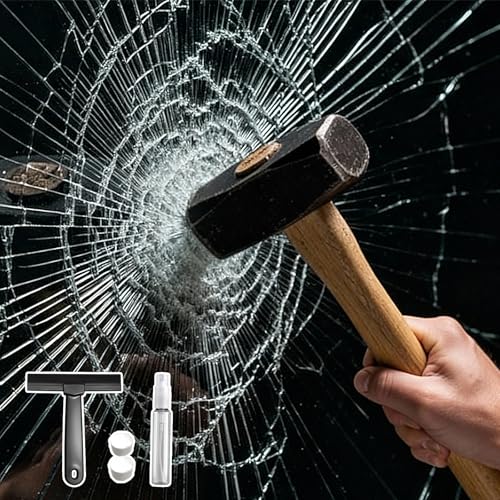
- 4 Mil Enhanced Protection: Made from durable PET material, this security window...
- Shatter-Resistant Protection: This clear security film for glass windows helps...
- Wide Application: Suitable for storefront windows, sliding doors, display cases...
Why does my security film still have bubbles after a week?
Bubbles after a week usually mean you left too much soapy water trapped under the film during installation. I made this mistake on my first try, and the bubbles never went away because the water had nowhere to evaporate.
You can try using a pin to gently poke each bubble and then squeegee the air out, but this only works if the film is still wet underneath. If the bubbles are large or the film is already peeling, your best bet is to remove it and start over with a firmer squeegee.
Which security window film won’t let me down when I am a first-time installer?
For a first-time installer, you want a film that is forgiving and easy to slide into place, and the SUMAGITIN Clear Window Security Film is exactly that. Its thinner profile makes it much easier to maneuver, and the adhesive grabs hold faster than thicker options I have tried.
I recommend it to my friends who are nervous about DIY projects because it gives you a much bigger margin for error. It still provides solid protection for bedrooms and home offices, and you will not feel like you are wrestling with a stiff sheet of plastic.
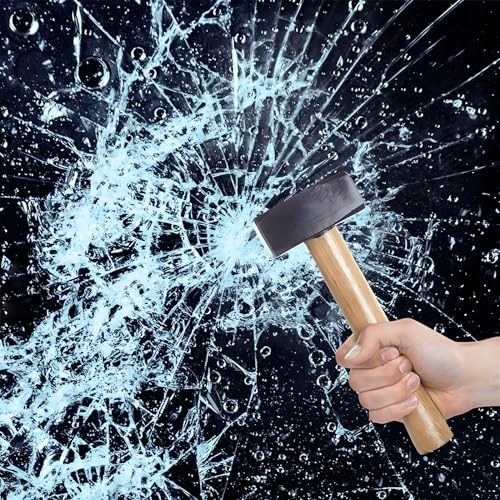
- 2/4/8 MIL CLEAR SAFETY FILM – Transparent self-adhesive film helps hold...
- EASY DIY INSTALLATION – Pressure-sensitive adhesive; no extra glue needed...
- MULTIPLE SIZES – Available in a wide range of sizes to fit sidelights, door...
Does cold weather affect how security window film bonds to glass?
Yes, cold weather absolutely affects the bonding process, and this is a mistake I see people make every winter. The adhesive cures much slower in cold temperatures, so your film needs more time to grab hold of the glass surface.
If you install film when it is below 50 degrees Fahrenheit, expect the cure time to double or even triple. I always wait for a warmer day to install new film, and I keep the room heated for at least a week afterward to give it the best chance.