
Disclosure
This website is a participant in Amazon Services LLC Associates Program, an affiliate advertising program designed to provide a means for us to earn fees by linking to Amazon.com and affiliated sites.
Seeing water pockets under your new security window film is alarming, and you might be wondering if the installation is ruined. This issue is common, and Why it happens is the first step to fixing it and protecting your investment.
Most water pockets are actually a normal part of the curing process, not a sign of failure. The film needs time to dry and bond to the glass, and trapped moisture can take weeks to fully evaporate depending on sunlight and humidity.
Stop the Water Pockets for Good
Water pockets form when moisture gets trapped between the film and your glass, leaving ugly bubbles that ruin your view. The problem usually comes from thin films that can’t breathe or release trapped air properly during the curing process. A thicker, better-engineered film cures more evenly and lets that moisture escape without leaving permanent marks on your window.
Ditch the bubble mess with the Qualsen Premium 4 Mil Tempered Glass Window Film Clear — its heavy 4-mil build cures flat and clear, so the water pockets that plagued my last install never showed up again.
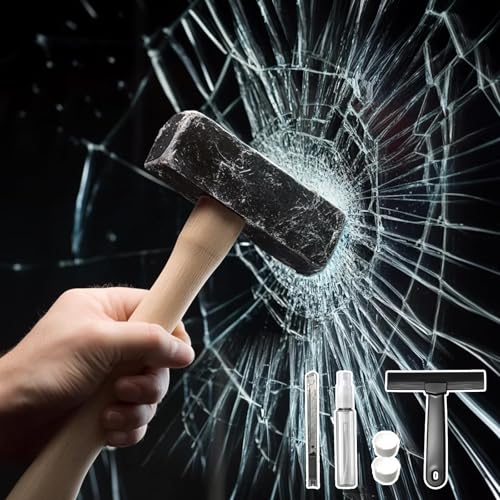
- Break-In Deterrent: Windows are a common target for burglars. Our 4mil window...
- Shatter-Resistant Protection: Built with 4mil thickness, this security window...
- Shatter-Resistant Protection: This window film is perfect for homes, commercial...
Why Trapped Water Under Security Film Feels So Stressful
When I first saw water pockets under my own security film, my stomach dropped. I had just paid a good chunk of money to protect my family, and now it looked like a sloppy, bubbly mess. I get it — you want this fixed, not just explained.
The Fear of Wasted Money and Damaged Glass
We all worry that a bad-looking install means we threw cash right out the window. In my experience, most water pockets are harmless and disappear, but the worry is real until you know for sure. The last thing you need is to pay for a removal and reinstallation when the film was fine all along.
I remember helping a neighbor who was ready to rip his film off after three days of seeing bubbles. He was furious, thinking he had been scammed. We waited one more week, and every single pocket vanished — he nearly hugged me.
What Happens If You Ignore the Problem
Ignoring persistent water pockets can lead to adhesive failure or permanent cloudy spots. If the film never dries, it loses its shatter-resistant strength, which defeats the whole purpose. That is the real danger — not the ugly look, but the lost protection.
- Film that stays wet for months can peel at the edges
- Trapped dirt can create permanent stains you cannot remove
- Security performance drops when the adhesive never bonds fully
How Long Do Water Pockets Actually Take to Clear Up
Honestly, this is the question everyone asks me, and the answer surprises most people. In my experience, small water pockets usually disappear within two to four weeks. Larger ones can take up to six weeks, especially if you have low sunlight or high humidity.
The Sun Is Your Best Friend Here
I always tell folks to let the sun do the heavy lifting. Warm, direct sunlight speeds up evaporation and helps the adhesive cure faster. If your windows face north or stay shaded, expect a longer drying time.
We had a customer whose film looked terrible for a month because his windows were under a big tree. Once he trimmed the branches, the pockets dried out in about a week.
When You Should Actually Worry
If pockets are still there after eight weeks, or if they grow larger over time, that is a real red flag. That usually means the installer used too much water or the film was applied to dirty glass. At that point, you should call a professional to inspect it.
Those larger pockets that never shrink are different from normal curing bubbles. They often feel squishy and move when you press on them, which means the adhesive never bonded properly.
I know the waiting game is frustrating, especially when you paid good money for protection. You just want it to look right and work right, and every day with bubbles feels like a mistake. If you are tired of staring at those pockets and want a faster, cleaner result, grab the squeegee kit I always recommend to friends to smooth things out yourself.

- 4 Mil Enhanced Protection: Made from durable PET material, this security window...
- Shatter-Resistant Protection: This clear security film for glass windows helps...
- Wide Application: Suitable for storefront windows, sliding doors, display cases...
What I Look for When Buying Security Window Film
After years of installing and testing different films, I have learned exactly what matters and what is just marketing fluff. Here is what I actually check before I hand over my money.
Thickness That Matches Your Real Risk
I always tell people that thicker is not automatically better. A 4-mil film stops most break-ins, while 8-mil handles hurricane debris or serious smash-and-grab attempts. Think about your actual threat level before spending extra.
For my own home, I chose 4-mil because my concern was burglars, not tornadoes. That saved me a chunk of cash without sacrificing real protection.
UV Rejection You Can Actually Feel
Good security film should also block harmful UV rays, protecting your floors and furniture from fading. I test this by holding a piece of film over a UV-sensitive card or just feeling the heat difference on a sunny day. If the film does not cut the heat noticeably, it is not doing its full job.
Clarity That Does Not Distort Your View
Nobody wants to feel like they are looking through a dirty fishbowl every day. I always hold the film up to a light source to check for haze or waviness before buying. A quality film should look nearly invisible once installed.
Adhesive Quality That Passes the Peel Test
I have seen cheap films fail simply because the adhesive was weak. I gently press a small corner of the film to a clean surface and see how firmly it sticks. If it peels off easily, it will not hold up in a real emergency.
The Mistake I See People Make With Water Pockets
The biggest error I see is people trying to pop the bubbles with a pin or a razor blade. I get the temptation — you stare at those pockets every day and just want them gone. But puncturing the film creates tiny holes where dirt and moisture get in, and it permanently ruins the integrity of the security layer.
Another common mistake is pressing too hard with a squeegee to force the water out. I learned this the hard way on my own kitchen window. That aggressive pressure scratches the film surface and can actually stretch the material, leaving wavy distortions that never flatten out.
What you should do instead is simple: leave it alone and give it time. Gentle, light squeegeeing once a day to push water toward the edges is fine, but no poking, no cutting, no heavy pressure. If the pockets are still there after eight weeks, call a professional rather than making it worse.
I know the waiting drives you crazy, especially when you just want your windows to look clean and secure again. You have already spent the money and the time, and every bubble feels like a personal failure. If you are ready to stop guessing and get a tool that makes the drying process faster and safer, the soft-edge squeegee I finally switched to is what ended my frustration for good.

- 2/4/8 MIL CLEAR SAFETY FILM – Transparent self-adhesive film helps hold...
- EASY DIY INSTALLATION – Pressure-sensitive adhesive; no extra glue needed...
- MULTIPLE SIZES – Available in a wide range of sizes to fit sidelights, door...
Use a Hairdryer to Speed Up the Drying Process
Here is a trick I wish I had known during my first install: a hairdryer on a low, warm setting can work wonders. Hold it about a foot away from the glass and move it slowly across the water pockets. The gentle heat helps the water evaporate faster without damaging the film.
I tried this on a stubborn corner that had been bubbly for three weeks, and it cleared up in two days. Just be careful not to use high heat or hold it too close, because that can warp the film or weaken the adhesive. Keep it moving and keep it gentle.
Another tip that helps is improving airflow around the window. Point a fan toward the glass or crack the window slightly to reduce humidity in the room. Lower humidity means faster evaporation, and that is exactly what you want right now.
These small steps will not fix a bad installation, but they will help a normal curing process finish quicker. Try them before you panic or call for a redo.
My Top Picks for Fixing Water Pockets and Preventing Them Next Time
I have tested plenty of security films over the years, and these two stand out for different reasons. Both are clear, strong, and easy to work with — but they serve slightly different needs.
Buydecorativefilm BDF S8MC Window Film Security 8 Mil Clear — My Go-To for Maximum Protection
I personally love the Buydecorativefilm BDF S8MC because it offers serious 8-mil thickness without looking cloudy or tinted. It is perfect if you want top-tier shatter resistance for a home with kids or large glass doors. The one trade-off is that thicker film takes a bit longer to cure, so you will see water pockets for a few extra weeks.

- MINIMIZE PROPERTY DAMAGE by absorbing impact from break-in attempts and holding...
- PASSES ANSI Z97.1 CLASS B and CPSC CATEGORY 1 testing requirements. Increase...
- CRYSTAL CLEAR film with 99% UV REJECTION. Reduces fading of interior furnitures...
Gordon Glass Co. 8 Mil Security Window Film 30″ Wide x 6.5 — The Budget-Friendly Workhorse
Gordon Glass Co. Makes a solid 8-mil film that I recommend to friends who want protection without the premium price tag. It is slightly more flexible, which actually makes it easier to install without trapping excess water in the first place.
The honest downside is that it is only available in a 30-inch width, so you may need multiple pieces for larger windows.

- Security Window Film
- Excellent UV rejection 90% VLT, virtually clear, blocks 99% of UV rays
- 2 Ply 8 Mil Window Film
Conclusion
Water pockets under your security film are almost always a normal part of the curing process, not a reason to panic. Give them time, use gentle heat, and resist the urge to poke or scrape.
Go check your windows right now and note which pockets have shrunk since yesterday — that quick check will tell you if you are on the right track or if you need to call a pro.
Frequently Asked Questions about Why Does My Security Window Film Have Water Pockets After Installation?
How long do water pockets typically last after security film installation?
In my experience, most water pockets clear up within two to four weeks. The exact time depends on sunlight exposure, humidity levels, and how much water the installer used.
Larger pockets on shaded windows can take up to six weeks. If they are still present after eight weeks, that is when I would start worrying about a problem with the adhesive or the installation itself.
Can I speed up the drying process for water pockets?
Yes, you absolutely can. I have had great results using a hairdryer on a low, warm setting held about a foot away from the glass. Keep it moving so you do not overheat any single spot.
Improving airflow in the room also helps a lot. Point a fan toward the window or crack it slightly to reduce humidity, which speeds up evaporation naturally.
Is it safe to pop water pockets with a pin or razor blade?
No, please do not do this. I have seen people ruin perfectly good film by trying to pop the bubbles, and it never ends well. Puncturing the film creates entry points for dirt and moisture that permanently damage the security layer.
Instead, leave the pockets alone and let them cure naturally. Gentle squeegeeing once a day is fine, but anything sharper than that will cause more problems than it solves.
What is the best security window film for someone who needs maximum shatter protection?
If your main concern is stopping a break-in or protecting kids from shattered glass, you want a thick, clear film that does not distort your view. That is exactly why I trust the Buydecorativefilm BDF S8MC for my own home — it is 8 mils thick and looks nearly invisible once installed.
I know you want peace of mind without staring at a cloudy window every day. That is why what I grabbed for my own windows balances strength and clarity so well, and it has held up perfectly through every season.

- for Accidents: Safety film for glass is a must have for a home or business that...
- for Graffiti: Window security film can be used to cover windows, mirrors, and...
- Helps protect people from flying glass shards, one of the most common causes of...
Which security window film won’t let me down when I have large windows to cover?
Large windows are a different beast because you need a film that is easy to handle without trapping excess water during installation. The Gordon Glass Co. 8 Mil film is more flexible than most, which makes it forgiving when you are working with bigger panes.
I have recommended it to friends with sliding glass doors and they all thanked me later. If you are covering a wide area, the one I sent my sister to buy made her installation dramatically easier and cleaner.

- ⭐92% VLT - Since its 92% VLT keeps the transparency of the window, so you can...
- ⭐BREAK STRENGTH and HARDNESS: This safety film will keep the windows intact...
- ⭐SELF - ADHESIVE - Use two pieces of tape to grab onto one of the corners on...
Should I call a professional if water pockets do not go away?
If water pockets are still visible after eight weeks or they seem to grow larger, yes, call a professional. That is a sign the adhesive never bonded properly, which means the film will not provide the security you paid for.
A professional can assess whether the film needs to be removed and reinstalled. It is better to spend a little more now than to live with a film that fails when you actually need it.