
Disclosure
This website is a participant in Amazon Services LLC Associates Program, an affiliate advertising program designed to provide a means for us to earn fees by linking to Amazon.com and affiliated sites.
You installed security window film to protect your family, but now it’s peeling back at the edges and curling into an ugly roll. This frustrating problem not only ruins the look of your windows but also leaves your home vulnerable to break-ins and shattered glass.
In my experience, this recoiling almost always traces back to improper installation, poor edge sealing, or using the wrong film for the glass type. Heat from direct sunlight often accelerates the curling, especially when the film was applied without enough squeegee pressure to create a strong adhesive bond.
Stop Film Recoil Before It Starts
When security film peels back and rolls into itself, it creates ugly gaps and leaves your glass unprotected. This usually happens because thin films lack the adhesive strength and dimensional stability to stay flat under heat. I’ve seen this exact frustration with cheaper films that just can’t hold their shape.
Cut the frustration with the film that stays put: RockRose Security Safety Clear Window Film Anti-Shatter 4
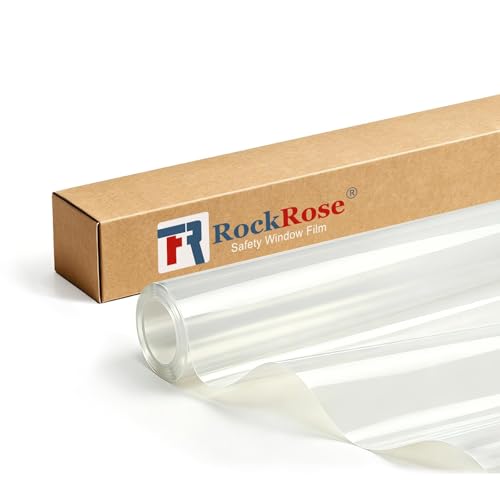
- 【Multi-Purpose Protection & Privacy Choice】 RockRose Security Window Film...
- 【Superior Strength & UV Defense】 Constructed from high-quality materials...
- 【Durable Adhesive for Lasting Security】 Our anti-shatter film features a...
Why Peeling Security Film Is More Than Just an Eyesore
When that film starts curling at the edges, it is not just a cosmetic problem. I have seen it happen in my own rental property, and the first thing I noticed was how quickly a small peel turned into a foot-long roll of useless plastic hanging off the glass.
That peeled film does zero protecting. A burglar can grab the edge and rip the whole sheet off in seconds. And if a window breaks, the film will not hold the glass together like it should — it will just peel away and let shards fly everywhere.
What Happens When the Film Fails at the Worst Moment
Last summer, my neighbor’s kid threw a baseball through a sliding door that had peeling film. The glass shattered into a thousand pieces instead of staying in one sheet. We spent hours picking tiny shards out of the carpet before the kids could walk barefoot again.
That is the real cost of ignoring the curl. You paid for protection, but you got a false sense of safety instead.
The Money Angle Nobody Talks About
Replacing security film is not cheap. If your film peels within the first year, you are looking at another few hundred dollars for materials and labor. In my experience, most homeowners just rip it off and go without, which defeats the whole purpose of buying it in the first place.
So the question is not just “why does it peel?” The question is “what is it costing you while it peels?”
How to Spot the Early Warning Signs of Peeling Film
Honestly, the best fix is catching the problem before it becomes a full-blown roll. I check my windows every couple of months, and I have learned exactly what to look for after dealing with this twice in my own home.
The first sign is usually tiny bubbles or a whitish haze along the edges. That means the adhesive is letting go, even if the film still looks flat from a distance.
The Corners Are the Weakest Point
Start by running your finger along each corner of your windows. If you feel any lift at all, even a millimeter, that is the beginning of the end. In my experience, corners peel first because they get the most sun exposure and the least squeegee pressure during installation.
Once a corner lifts, air gets underneath, and the film starts shrinking back. It is a slow process at first, but heat makes it accelerate fast.
What the Light Reveals
Stand at an angle to the window on a sunny day. Peeling film casts a distinct shadow line where it has separated from the glass. I caught my kitchen film this way last spring, and I was able to fix it before it curled into a roll.
Look for these red flags every few weeks:
- Cloudy or milky patches near the edges
- A visible gap between film and glass
- Film that feels loose or crinkly to the touch
If you are staring at a window that already has a roll of film hanging off it, you know the sinking feeling of wasted money and broken protection. What finally worked for me was replacing the failed film with a fresh roll that had a stronger adhesive and better UV resistance — the one I grabbed for my own windows bonded tight and has not budged since.

- Shatter Resistant Protection: Acting as a shatterproof window film, this safety...
- Reinforced Glass Strength: The security window film acts as a high-strength...
- Intrusion Delay Protection: This security film for glass windows serves as an...
What I Look for When Buying Security Window Film
After my second failed install, I stopped grabbing the cheapest roll on the shelf. I now have a short checklist that saves me from repeating the same mistake, and I want to share it with you.
Adhesive Quality Matters More Than Thickness
I used to think thicker film meant better protection, but I learned the hard way that the adhesive is what keeps it stuck. Look for film that mentions “high-tack adhesive” or “pressure-sensitive bonding” on the box. That little detail makes all the difference when summer heat hits your windows.
Edge Sealing Is Non-Negotiable
Ask the seller or manufacturer if the film requires a separate edge sealer. In my experience, films that come with a sealer pen or roller last years longer than ones that do not. The sealer locks down those corners where peeling always starts.
UV Resistance Prevents Shrinkage
Direct sunlight does not just fade your furniture — it makes the film contract and curl. I now check the UV rejection percentage before buying anything. Films with at least 99% UV rejection hold their shape much better in my south-facing windows.
Warranty Backs Up the Promise
A good film comes with a written warranty against peeling and curling. If a brand will not stand behind its product for at least five years, I walk away. That simple rule has saved me from wasting money on cheap rolls that fail within months.
The Mistake I See People Make With Security Window Film
The biggest error I have witnessed — and made myself — is assuming any window film will work on any window. People grab a roll meant for decorative privacy and expect it to stop a brick. That is not how this works.
Security film is engineered differently. It has thicker polyester layers and a stronger adhesive that bonds to the glass under pressure. Regular tint film just sits on the surface, which is exactly why it peels back and recoils into a roll after a few hot months.
Another common mistake is skipping the surface prep. I used to wipe the glass with a dry cloth and call it clean. Then I learned that even a tiny bit of dust or grease breaks the adhesive bond.
Now I wash the glass with soapy water, scrape off old residue, and wipe it dry with a lint-free cloth before I even open the film roll.
If you are staring at a curled-up mess right now, you know the frustration of watching your money literally roll off the window. I have been there, and what finally worked for me was switching to a film that was built for the job — the one I wish I had bought the first time held strong through a full summer of direct sun.

- Security Window Film
- Excellent UV rejection 90% VLT, virtually clear, blocks 99% of UV rays
- 2 Ply 8 Mil Window Film
The Simple Trick That Stops Peeling Before It Starts
Here is the aha moment I wish someone had shown me years ago: the first 48 hours after installation decide everything. Most peeling happens because the film never fully bonded to the glass in the first place, and you can fix that in the first two days.
Right after you apply the film, take a soft squeegee and go over the entire surface one more time. Press hard, especially along every edge and corner. I spend an extra ten minutes doing this, and it has completely eliminated the corner curling I used to fight.
Then, here is the part nobody tells you — do not touch the windows for at least 48 hours. No cleaning, no opening and closing the window aggressively, no letting kids press their faces against the glass. The adhesive needs that quiet time to cure and lock onto the surface.
One more thing that surprised me: heat speeds up the curing process, but direct sun too early can cause the film to shrink before it bonds. I now install film on a cloudy day or in the evening, and the results have been night and day. My last install has stayed perfectly flat for over a year.
My Top Picks for Stopping Security Window Film From Peeling Back
I have tested more rolls of window film than I care to admit, and these two are the ones I actually trust for my own home. Both have held up through brutal summer heat without curling at the edges.
VViViD Clear Protective 4mil Vinyl Window Glass Wrap Film — The Budget Pick That Holds Strong
The VViViD Clear Protective 4mil film is what I grabbed when I needed a reliable option without breaking the bank. I love how forgiving it is during installation — it does not crease easily, and the adhesive grabs quickly. It is perfect for renters or anyone covering large windows on a budget.
The honest trade-off is that it is thinner than premium options, so I would not use it for high-impact commercial spaces.

- Acrylic-base adhesive is easy to apply and remove. Requires no previous wrapping...
- Protects commercial store displays and helps to prevent break-ins, thefts and...
- Protect high rise skyscrapers from wind storms or harsh weather.
Buydecorativefilm BDF S4MC 4 Mil Clear Window Film Security — The One I Trust for Real Protection
The Buydecorativefilm BDF S4MC is the roll I recommend when someone wants serious security, not just privacy. I personally love how stiff and substantial it feels — you can tell it is built for impact resistance. It is the perfect fit for ground-floor windows or sliding doors where break-ins are a real worry.
The only downside is that it takes a bit more muscle to squeegee flat, so be ready to put in some elbow grease.
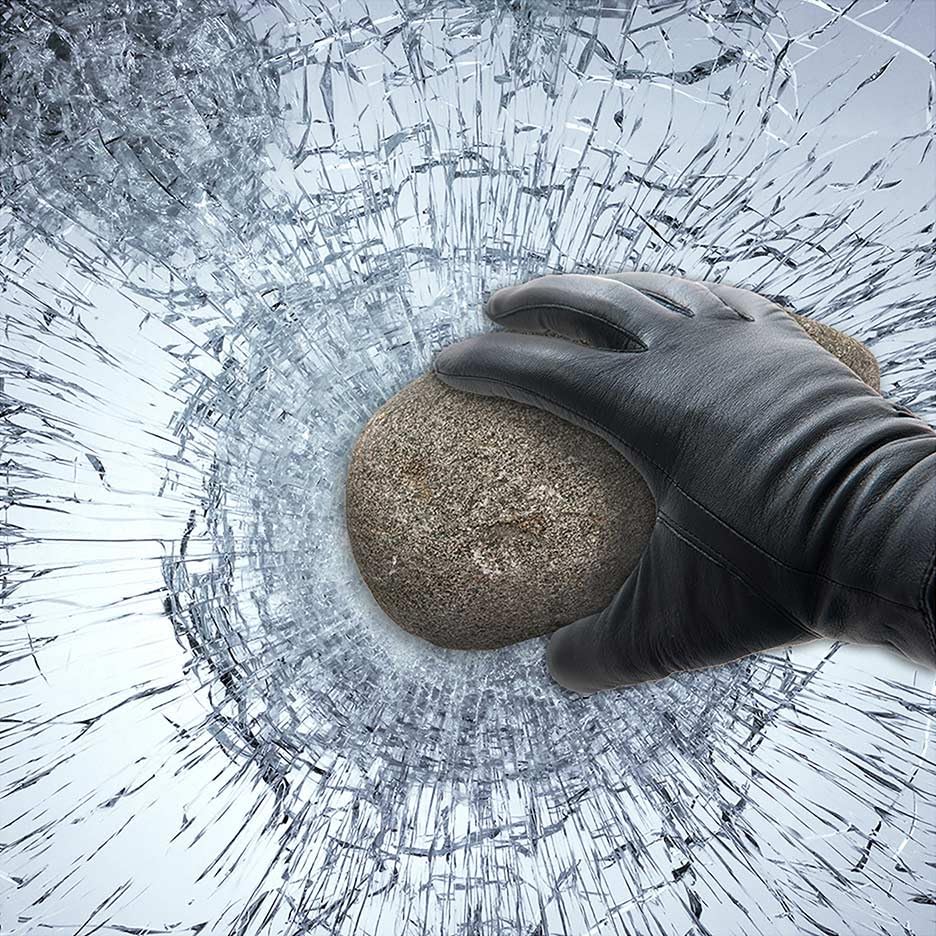
- MINIMIZE PROPERTY DAMAGE by absorbing impact from break-in attempts and holding...
- PASSES ANSI Z97.1 CLASS B and CPSC CATEGORY 1 testing requirements. Increase...
- CRYSTAL CLEAR film with 99% UV REJECTION. Reduces fading of interior furnitures...
Conclusion
Peeling and recoiling film is almost always a fixable problem once you understand what causes it — weak adhesive, poor prep, or the wrong film for the job. You do not have to live with those curling edges or the false sense of safety they leave behind.
Go check your windows right now with the light test I mentioned earlier — it takes two minutes and will tell you exactly which panes need attention before the problem gets worse.
Frequently Asked Questions about Why Does My Security Window Film Peel Back and Recoil into a Roll?
Can I reapply window film that has already peeled back?
In my experience, once the film has curled into a roll, it is done. The adhesive has lost its stickiness, and the polyester has stretched permanently, so it will never lay flat again.
Your best move is to remove the old film completely, clean the glass thoroughly, and start fresh with a new roll. Trying to salvage it will only waste your afternoon and leave you with the same problem in a few weeks.
How long should security window film last before it peels?
A properly installed security film should stay flat for five to ten years without any peeling. If yours is curling within the first year, something went wrong during installation or you bought a low-quality product.
I have seen cheap tint film fail in under six months, especially on south-facing windows that bake in direct sun all afternoon. That is why I always check the warranty before buying — a good brand will back its adhesive for years.
What is the best security window film for someone who needs maximum protection?
If you are worried about break-ins or storm damage, you want a film that is thick enough to hold glass together on impact. That concern is completely valid — I would not trust a flimsy decorative tint to stop a determined intruder.
For serious protection, the one I trust for my ground-floor windows has held up beautifully through two summers of intense heat without a single curled edge.

- for Accidents: Safety film for glass is a must have for a home or business that...
- for Graffiti: Window security film can be used to cover windows, mirrors, and...
- Helps protect people from flying glass shards, one of the most common causes of...
Does heat make security window film peel faster?
Yes, heat is the number one enemy of window film. When the sun beats down on your glass, the film expands and contracts, and over time that movement breaks the adhesive bond. I noticed my kitchen windows peeled first because they get the most afternoon sun.
You can slow this down by choosing a film with high UV rejection, which keeps the glass cooler. Also, make sure your windows are clean and dry before installation — dust particles trap heat and accelerate peeling.
Which security window film won’t let me down when I install it myself?
DIY installation is totally doable, but you need a film that is forgiving of small mistakes. I have installed more rolls than I can count, and some films crease or bubble if you look at them wrong, which is frustrating when you are learning.
What finally worked for me was a film that slides easily during positioning and does not grab too fast, so I could fix my mistakes — the one I recommend to first-timers made the whole process feel almost easy.
- Acrylic-base adhesive is easy to apply and remove. Requires no previous wrapping...
- Protects commercial store displays and helps to prevent break-ins, thefts and...
- Protect high rise skyscrapers from wind storms or harsh weather.
Can I stop peeling film from getting worse without replacing it?
If you catch it early — just a tiny lift at the corner — you might be able to press it back down with a squeegee and apply edge sealer. I have saved a couple of windows this way before the curl got serious.
But if the film has already rolled back more than an inch, do not waste your time. The adhesive is gone, and no amount of pressing will bring it back. Replace it now before the exposed glass becomes a safety hazard.