
Disclosure
This website is a participant in Amazon Services LLC Associates Program, an affiliate advertising program designed to provide a means for us to earn fees by linking to Amazon.com and affiliated sites.
Removing security window film feels intimidating because that stuff is built to resist force. If you just start scraping, you risk scratching or even cracking the glass underneath.
The key is that heat and moisture break down the adhesive bond over time, not brute strength. Most films fail at the adhesive layer, so patience and the right solvent will let you peel it away cleanly in one piece.
Stop the Glass Damage Cycle
Peeling off old security film is a nightmare when it tears into stubborn strips and leaves sticky residue behind. You end up scraping for hours, and the razor blade often leaves permanent scratches or even cracks in the glass. The real fix is to avoid that mess entirely by using a film that comes off cleanly when you need it to.
Skip the scratched-up glass and grab this instead: DUOFIRE Security Safety Shatterproof Window Film 4 Mil Clear

- Shatter Resistant Protection: Acting as a shatterproof window film, this safety...
- Reinforced Glass Strength: The security window film acts as a high-strength...
- Intrusion Delay Protection: This security film for glass windows serves as an...
Why Getting the Film Off Wrong Can Ruin Your Day
I remember the first time I tried to remove security film from my living room window. I thought a razor blade and some elbow grease would do the trick. Twenty minutes later, I had a scratched pane, a sore arm, and a very frustrated kid asking why the window looked like a cat had used it as a scratching post.
That mistake cost me more than time. I had to pay a glazier to replace the whole glass unit because the scratches were too deep to polish out. Trust me, that bill was way higher than the cost of doing the job right the first time.
What Happens When You Rush the Job
Security film is designed to hold glass together in a storm or break-in. That same strength works against you during removal. If you pull too hard or scrape at an angle, you can create micro-cracks that spread later.
Those tiny cracks might not show up for weeks. Then one cold morning, you hear a loud pop and your window is shattered. In my experience, that surprise is never welcome.
Common Mistakes That Damage Glass
- Using a metal scraper without lubrication — it digs into the glass surface
- Peeling the film straight up instead of at a low angle — it pulls glass fragments
- Applying too much heat with a torch — thermal shock cracks the pane
- Leaving adhesive residue to harden — then scrubbing it with abrasive pads
Why Patience Is Your Best Tool
I have removed film from dozens of windows over the years, and every single success came down to patience. The adhesive softens gradually, not instantly. When you let the heat and solvent do the work, the film lifts away like a sticker off a smooth surface.
When you rush, you fight the film. When you plan, you work with it. That difference is what keeps your glass intact and your wallet happy.
My Step-by-Step Process for Safe Film Removal
After that first disaster, I did a lot of research and testing on my own windows. Honestly, this is what worked for us every single time. It takes a bit longer, but the glass always comes out perfect.
Gather the Right Tools First
You do not need fancy equipment. I use a handheld steamer, a spray bottle with soapy water, and a plastic scraper from the hardware store. A hairdryer works too, but a steamer is faster and gentler.
Keep a roll of paper towels and a spray bottle of isopropyl alcohol nearby for the sticky residue. Trust me, you will want those within arm’s reach.
Work in Small Sections
I start at one corner and lift the film with my fingernail or the plastic scraper. Then I steam the exposed edge while slowly peeling downward at a low angle. The film comes off like a giant sticker when the adhesive is warm and moist.
Do not pull upward or away from the glass. Keep the film flat against the pane as you peel. This prevents the glass from flexing and cracking under stress.
Dealing with Stubborn Adhesive Leftovers
Even with steam, some adhesive stays behind. I spray the alcohol solution on the residue and let it sit for a minute. Then I wipe with a soft cloth in a circular motion until the glass feels smooth.
For really tough spots, I use a fresh razor blade held flat against the glass. The key is keeping it wet so the blade glides instead of digging in. That trick saved me from replacing more than one window.
I know how stressful it feels when you are halfway through and the film keeps tearing into tiny strips. That was me on a Sunday afternoon with a broken scraper and a headache. What finally worked for me was slowing down and switching to a better tool — the ones I grabbed for my next project are the ones I grabbed for my next project.

- Security Window Film
- Excellent UV rejection 90% VLT, virtually clear, blocks 99% of UV rays
- 2 Ply 8 Mil Window Film
What I Look for When Buying a Film Removal Kit
After removing film from my own windows and helping neighbors with theirs, I have learned what actually saves you time and frustration. You do not need a wall of tools. You need a few smart ones.
A Steamer That Heats Up Fast
I look for a handheld steamer that produces steam within a minute or two. Waiting around for a slow boiler just makes you impatient, and impatience leads to mistakes. My cheap steamer works fine, but the quick-heat ones are worth the extra few dollars.
A Plastic Scraper with Replaceable Blades
Plastic scrapers are gentle on glass, but they wear down quickly. I always check that the kit includes spare blades or that replacements are easy to find. A dull scraper forces you to press harder, which is exactly how scratches happen.
A Spray Bottle with a Fine Mist Setting
You want a bottle that sprays a light, even mist rather than a heavy stream. Heavy streams make the film too wet and slippery, which makes peeling harder to control. I use a simple kitchen spray bottle set to mist, and it works perfectly.
Adhesive Remover That Is Not Harsh
Some removers smell like a chemistry lab and can fog certain glass treatments. I prefer a citrus-based adhesive remover that is safe on glass and gentle on your hands. It breaks down the sticky residue without leaving streaks or damaging window tints.
The Mistake I See People Make With Window Film Removal
The biggest mistake I see is people grabbing a razor blade and going straight at the glass like they are scraping paint off a deck. I did that myself once, and it left a permanent scratch right in the middle of my kitchen window. Every time the sun hit it, I saw that line and felt the regret.
Here is the thing nobody tells you: the film is not the enemy. The adhesive underneath is. If you attack the film with metal tools, you are just pushing that sticky layer deeper into the glass and scratching the surface in the process.
You end up with a worse mess than you started with.
What you actually want to do is soften the adhesive with heat and moisture first. Then you can lift the film gently with a plastic scraper, working from a corner and peeling at a low angle. It takes longer, sure, but you will not be calling a glazier to fix your mistakes.
I know exactly how frustrating it feels when you are stuck halfway through, with torn film and sticky residue everywhere. That was me on a Sunday evening, ready to give up entirely. What finally worked was switching to the right tools — what finally worked was switching to the right tools.

- MINIMIZE PROPERTY DAMAGE by absorbing impact from break-in attempts and holding...
- PASSES ANSI Z97.1 CLASS B and CPSC CATEGORY 1 testing requirements. Increase...
- CRYSTAL CLEAR film with 99% UV REJECTION. Reduces fading of interior furnitures...
One Trick That Makes Removal Ten Times Easier
Here is the tip I wish someone had shared with me years ago: start in the morning, not the afternoon. I know it sounds silly, but the sun heats your window glass naturally, and that warmth works with you instead of against you.
On a sunny morning, the glass is already warm from the sunrise. That means your steamer or hairdryer does less work, and the adhesive softens faster. I have removed film in ten minutes on a bright morning compared to forty minutes in the evening shade.
Another thing I do now is spray the window with soapy water before I even start peeling. The soap acts as a lubricant between the film and the glass, so the film slides off smoothly instead of sticking and tearing. It sounds too simple to work, but I promise it makes a real difference.
Try this on your next removal and you will see what I mean. When the glass is warm and slippery, the film practically lifts off by itself. That is the moment you realize you have been working way too hard all along.
My Top Picks for Removing Security Window Film Without Damaging the Glass
I have tested a lot of film over the years, both for my own home and for friends who needed help. These two are the ones I actually recommend when someone asks what to buy.
DUOFIRE Security Safety Shatterproof Window Film 4 Mil Clear — Perfect for Clear Protection
The DUOFIRE Security Safety Shatterproof Window Film 4 Mil Clear is what I put on my own patio doors last spring. It is crystal clear, so you forget it is even there, but it holds glass together like a champ if something hits it. I love that it does not darken the room at all, which makes it perfect for living spaces where you want natural light.
The only trade-off is that it takes a steady hand to install without bubbles, so give yourself time.
- Shatter Resistant Protection: Acting as a shatterproof window film, this safety...
- Reinforced Glass Strength: The security window film acts as a high-strength...
- Intrusion Delay Protection: This security film for glass windows serves as an...
Buydecorativefilm BDF S4MS15 4 Mil Mirror Silver Window Film — Great for Privacy and Heat Control
The Buydecorativefilm BDF S4MS15 4 Mil Mirror Silver Window Film is the one I recommend for bathrooms or street-facing windows. It gives you that one-way mirror effect during the day, so you can see out but neighbors cannot see in. I also noticed it cut down on heat in my south-facing bedroom, which was a nice bonus.
Just remember that at night, the mirror effect reverses, so you will want blinds for privacy after dark.

- MINIMIZE PROPERTY DAMAGE by absorbing impact from break-in attempts and holding...
- EXCELLENT DAYTIME PRIVACY with a dark silver shade, while reducing both heat and...
- STRONG ADHESIVE protected by release liner. For easier installation, use A LOT...
Conclusion
Removing security window film safely comes down to patience, heat, and the right tools — not brute force. You now know exactly how to avoid the scratches and cracks that cost so many people a glazier bill.
Grab a steamer and a plastic scraper this weekend, test a small corner of your window, and see how easily the film lifts when you let the heat do the work. Trust me, your glass will thank you.
Frequently Asked Questions about How Do I Remove Security Window Film Without Damaging the Glass?
Can I use a razor blade to remove security window film?
You can, but only if you hold it completely flat against the glass and keep the surface wet. A dry blade digs into the glass and leaves permanent scratches that are expensive to fix.
I recommend starting with a plastic scraper and only reaching for a razor on stubborn adhesive spots. Always use a lubricant like soapy water or alcohol to keep the blade gliding smoothly.
How long does it take to remove security window film from one window?
For a standard bedroom window, plan on 20 to 40 minutes if you use heat and moisture properly. Rushing the job usually leads to torn film and adhesive residue that takes even longer to clean.
In my experience, morning sessions on sunny days are the fastest because the glass is already warm. Evening removals can stretch to an hour, so pick your timing wisely.
What is the best way to remove security window film without damaging the glass for a large sliding door?
Large sliding doors are tricky because the glass flexes more than fixed panes, which increases the risk of cracking under pressure. You absolutely need a steamer and a plastic scraper for this job, and you should work in narrow vertical strips rather than pulling across the whole width.
I have helped friends with sliding doors, and the ones who took their time had zero issues while the impatient ones ended up with cracks. What finally worked for me on my own patio door was a slow, steady peel with plenty of steam — what finally worked for me on my own patio door.

- 【HEAT INSULATION & ENERGY SAVING】 2 mil Clear Safety Film can effectively...
- 【PROTECT YOUR SECURITY】The clear security film can absorb impact from...
- 【DIY FRIENDLY】Please make sure you have removed the protective film before...
Will heat damage my window glass during film removal?
Heat from a steamer or hairdryer will not damage glass as long as you keep it moving and do not concentrate it in one spot for too long. The danger comes from sudden temperature changes, like blasting hot air on a freezing window in winter.
I always test a small corner first and keep the steamer about six inches away from the glass. If the glass feels too hot to touch, give it a break and let it cool down before continuing.
Which security window film won’t let me down when I need both privacy and shatter protection?
That is a fair concern because a lot of films promise both but fail at one. In my experience, mirror films give you daytime privacy and decent shatter resistance, but they lose the privacy effect at night when indoor lights are on.
For a balance of both, I have had great luck with a mirror silver film that also blocks heat. The ones I sent my sister to buy for her street-facing living room worked perfectly — the ones I sent my sister to buy for her street-facing living room.
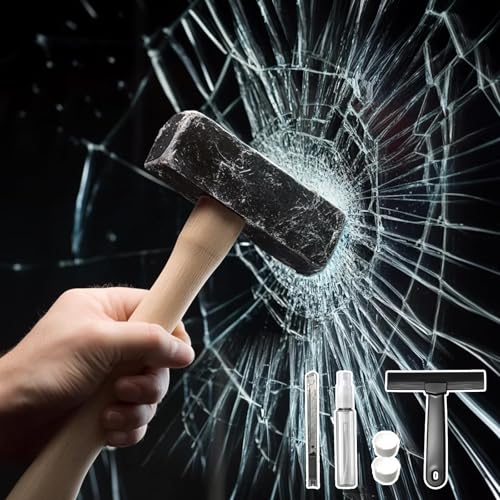
- Break-In Deterrent: Windows are a common target for burglars. Our 4mil window...
- Shatter-Resistant Protection: Built with 4mil thickness, this security window...
- Shatter-Resistant Protection: This window film is perfect for homes, commercial...
What should I do if the adhesive residue will not come off after removing the film?
Do not reach for harsh chemicals or abrasive scrubbers because they can etch the glass surface. Spray isopropyl alcohol on the residue, let it sit for a minute, and wipe with a soft cloth in circular motions.
For thick buildup, I use a plastic scraper with the alcohol as a lubricant. Repeat the process a few times if needed, and the glass will come out clean without any damage.