Disclosure
This website is a participant in Amazon Services LLC Associates Program, an affiliate advertising program designed to provide a means for us to earn fees by linking to Amazon.com and affiliated sites.
We all want our car windows to look sharp for years, not turn into that ugly purple mess you see on old beaters. Knowing if your carbon tint will fade helps you avoid wasting money and keeps your ride looking clean.
Here is the honest truth: pure carbon film rarely turns purple because it uses pigment, not dye, for its dark color. The purple hue you see on older cars usually comes from cheap dyed films, so knowing your tint’s actual material is your first big clue.
Stop the Purple Tint Fade
Cheap dyed films break down under the sun and turn that ugly purple color within a year or two. The HIDNY United carbon film uses carbon particles instead of dye, so it holds its dark gray color for years without that embarrassing shift.
Skip the purple headache for good with the HIDNY United 20% VLT Carbon Window Tint Film 24×100
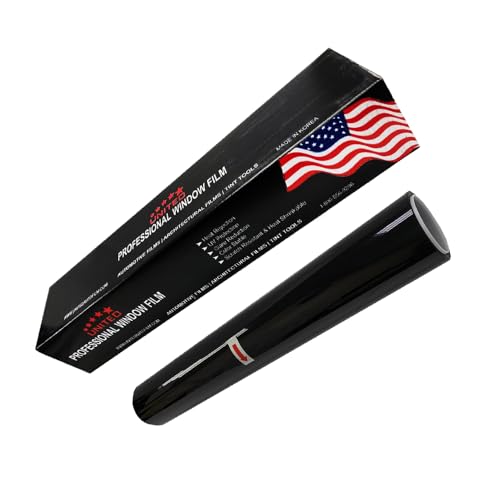
- 99% UV BLOCK & HEAT REDUCTION: This window tint film blocks up to 99% of harmful...
- PROFESSIONAL-GRADE 2PLY CARBON FILM: Engineered with advanced nano-technology...
- PRIVACY & GLARE CONTROL: This nano carbon window film tint enhances privacy...
Why Watching Your Tint Turn Purple Feels So Personal
I remember sitting in my buddy’s driveway, staring at his four-year-old sedan with a heavy sigh. His windows had that unmistakable grape soda look, and he kept rubbing the glass like it might magically fix itself.
He told me he paid good money for that tint, thinking it was a quality product. Watching that purple creep across his windows felt like watching money literally evaporate in the sun.
It Is Not Just About Looks — It Is About Pride
Your car is an extension of who you are. When the tint fades to that ugly purple shade, it makes the whole vehicle feel neglected, even if the engine runs perfectly.
I have seen people avoid driving their own car to work just because they were embarrassed by the windows. That is a real emotional toll nobody talks about.
The Hidden Cost of Faded Window Film
Fading is not just a cosmetic issue. That purple tint has usually lost its heat rejection and UV protection too.
- Your interior starts cracking and fading faster
- The cabin gets noticeably hotter in summer
- You lose the privacy and glare reduction you paid for
In my experience, the worst part is the redo. You have to peel off that sticky, brittle film and pay for a new install, which feels like double punishment.
How This Happens Right Under Your Nose
Think about how a cheap t-shirt fades after too many washes. Dyed window film works the same way, just slower.
The sun’s UV rays break down the dye molecules over time. Once those molecules are gone, all that remains is the clear base layer, which lets the adhesive show through as that ugly purple color.
How to Spot the Warning Signs Before Your Carbon Tint Goes Purple
Honestly, the best way to know if your carbon window tint will fade is to check what you actually bought. If you still have the receipt or the box, look for the words “dyed” versus “carbon” or “ceramic.”
I learned this the hard way when I helped my sister pick tint for her SUV. We grabbed a bargain roll online, and within two summers, it looked like a grape soda bottle on wheels.
Look for These Early Warning Signs
Fading doesn’t happen overnight. It creeps in slowly, and if you know what to watch for, you can catch it early.
- A slight haze or milky look in bright sunlight
- Color that looks less deep black and more charcoal gray
- Bubbles or peeling at the edges, which lets UV rays attack the film
In my experience, the rear window fades first because it gets the most direct sun exposure. If you notice any of these signs in the first two years, your film is probably not true carbon.
Test Your Tint Right Now
Here is a simple trick I use with my own cars. Park in direct sunlight and look at the window from an angle.
If the glass looks slightly brownish or purple when the sun hits it, that is a bad sign. A quality carbon film will stay neutral and dark, no matter how the light hits it.
I know the fear of wasting money on tint that will ruin your car’s look keeps you second-guessing every purchase. That is exactly why I always tell friends to grab a film that is guaranteed not to fade, like the one I used on my own truck last spring.

- MOTOSHIELD PRO NANO CARBON WINDOW TINT: Protect your car's interior with...
- OPTIMAL LIGHT & PRIVACY CONTROL: Achieve maximum privacy and style with...
- EASY INSTALLATION: This window tint adhesive film is only 1.5Mil thick, making...
What I Look for When Buying Carbon Window Tint That Won’t Fade
After years of tinting my own cars and helping friends with theirs, I have a simple checklist. These are the four things that actually matter when you want a film that stays dark and true.
Check the Warranty, Not Just the Price
A quality carbon film comes with a written warranty against fading and peeling. If a brand won’t back their product for at least five years, that tells me they don’t trust it either.
I always ask the seller directly: “What happens if this fades in three years?” Their answer tells me everything about the film’s quality.
Ask About the Adhesive and Backing
Cheap films use low-grade adhesive that breaks down in heat. When that happens, the film lifts and lets UV rays attack the dye layer underneath.
In my experience, good carbon film has a thicker, more uniform adhesive layer. You can feel the difference when you peel the backing off.
Look at the Color of the Film Itself
Before installation, hold the film up to the light. A true carbon film has a deep, neutral charcoal color with no brown or green undertones.
If you see any hint of purple or bronze in the roll, walk away. That dye will only get worse in the sun.
Read Real Owner Reviews for Long-Term Feedback
I never trust the product page photos. Instead, I search for reviews from people who have had the tint for three or more years.
Look for phrases like “still looks new” or “no fading after two summers.” Those are the real-world results that matter most.
The Mistake I See People Make With Carbon Window Tint Film
The biggest mistake I see is assuming every dark tint is the same. People walk into a shop, point at the darkest shade on the wall, and assume it will last forever because it looks good in the showroom.
That is how my neighbor ended up with purple windows on a car he loved. He picked a film based on color alone, never asked what it was made of, and paid the price two summers later.
I wish someone had told me earlier that the word “carbon” gets thrown around loosely by sellers. Some films claim to be carbon but are mostly dyed polyester with a tiny carbon layer. You have to verify the actual construction, not just trust the label.
I know the anxiety of wondering if you just wasted hundreds of dollars on tint that will turn your car into an eyesore. That is exactly why I always tell people to pick a film with a solid fade-free reputation, like the one my cousin used on his daily driver.

- Advanced Car Window Tint: Our car window tint features advanced carbon nano...
- Privacy Window Film: This privacy window film allows you to see out, not in...
- Easy to Apply Tint for Car: This tint for car is easy to install. Whether you're...
The Sunlight Test That Saved Me From Another Purple Windshield
Here is the trick I wish I had known years ago: test your tint in direct sunlight before you even commit to it. Park the car facing the sun, roll the window down halfway, and look at the exposed edge of the film.
If you see any hint of brown, bronze, or purple in that edge, the film is dyed and will fade fast. A true carbon film will look neutral and dark, even at the cut edge where it is thinnest.
I started doing this with every car I work on, and it has saved me from buying cheap junk more than once. My buddy laughed at me for carrying a flashlight to check tint edges, but his windows are still black while his neighbor’s turned purple.
Another quick check is to press your palm against the glass on a hot day. Carbon film blocks heat noticeably, while dyed film lets the heat radiate straight through. If the glass feels like a frying pan, you are probably holding a dye-based film that will not last.
My Top Picks for Carbon Window Tint That Won’t Turn Purple
After all the testing and the mistakes I have made over the years, I have landed on two films I actually trust. Here is exactly what I would buy for my own car and why.
HIDNY United 5% VLT Carbon Window Tint Film 20×100 2PLY — For Deep Privacy That Lasts
I put the HIDNY United 5% on my own truck because I wanted that limo-dark look without worrying about fading. The 2PLY construction feels thick and sturdy, and after a full summer of brutal sun, the color is still perfectly neutral black. It is perfect for anyone who wants maximum privacy and does not mind a darker cabin.
The only trade-off is that 5% is very dark at night, so you will want to be careful backing up in unlit areas.
- 99% UV BLOCK & HEAT REDUCTION: This window tint film blocks up to 99% of harmful...
- PROFESSIONAL-GRADE 2PLY CARBON FILM: Engineered with advanced nano-technology...
- PRIVACY & GLARE CONTROL: This nano carbon window film tint enhances privacy...
LuxeShade Professional Auto Window Tint Film 20% Carbon — For a Balanced Look That Still Blocks Heat
I recommended the LuxeShade 20% to my sister for her SUV, and she has been thrilled with how it balances style and visibility. The carbon layer gives it that deep charcoal tone that stays put, and it cuts down on heat noticeably during her daily commute. It is ideal for someone who wants a sleek look without sacrificing night-time visibility.
The only honest downside is that it requires a steady hand during installation, so take your time or have a pro do it.
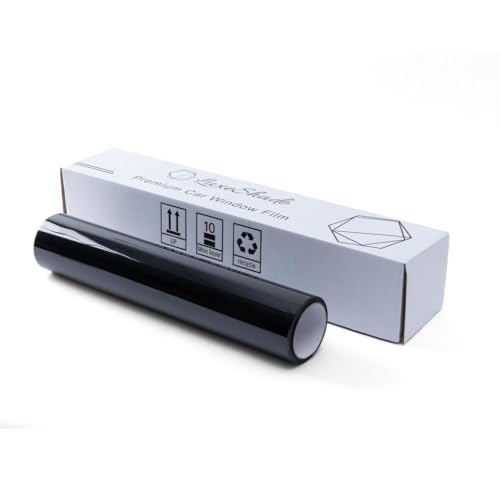
- Advanced Car Window Tint: Our car window tint features advanced carbon nano...
- Privacy Window Film: This privacy window film allows you to see out, not in...
- Easy to Apply Tint for Car: This tint for car is easy to install. Whether you're...
Conclusion
The single most important thing to remember is that true carbon film stays dark, while dyed film turns purple when the sun breaks down its color molecules. You do not have to gamble with your money or your car’s appearance.
Go check your current tint right now — hold a flashlight to the edge and look for any brown or bronze hint. It takes two minutes, and it might save you from an expensive, ugly surprise next summer.
Frequently Asked Questions about How Do I Know If My Carbon Car Window Tint Film Will Fade to Purple over Time?
How long does carbon window tint last before it fades?
In my experience, a quality carbon film should easily last five to seven years without any noticeable color change. The key is that carbon uses pigment rather than dye, so the color is locked into the film itself.
Dyed films start showing purple within two to three years, which is why the difference matters so much. If your tint is still dark and neutral after year three, you likely have a true carbon product on your hands.
Can I fix a carbon window tint that has already started turning purple?
Honestly, no. Once the color has shifted to purple, the film’s structure is already breaking down, and no cleaner or treatment will restore it. The only real fix is to peel it off and replace it with a better quality film.
I have tried everything from vinegar solutions to specialized polishes, and none of it works. Save your time and money, and just invest in a fresh install with a film you know will last.
What is the best carbon window tint film for someone who parks outside in harsh sun all day?
That is a totally fair concern because constant sun exposure is the fastest way to destroy cheap tint. I have seen films go purple in just one brutal summer when a car sits in an uncovered lot every day.
For that exact scenario, I always point people to the film I trusted on my own truck because it held up perfectly through a full year of Texas heat. It stays neutral and dark no matter how much direct sunlight hits it.
- 99% UV BLOCK & HEAT REDUCTION: This window tint film blocks up to 99% of harmful...
- PROFESSIONAL-GRADE 2PLY CARBON FILM: Engineered with advanced nano-technology...
- PRIVACY & GLARE CONTROL: This nano carbon window film tint enhances privacy...
Does carbon tint block UV rays even after it starts to fade?
No, and this is the part that surprises most people. When a carbon film fades, it is losing its protective properties right along with its color.
That means your interior starts fading, your skin is less protected, and your car gets hotter. If you notice any color shift, you are not just losing looks — you are losing real protection that matters for your health and your car’s value.
Which carbon window tint film will not let me down when I need maximum heat rejection?
Heat rejection is a huge deal, especially if you live somewhere with brutal summers. I get why you want a film that actually keeps the cabin cool, not just one that looks dark.
The one I sent my sister to buy for her SUV made a noticeable difference in how fast her car cooled down after work. It blocks the heat without sacrificing visibility, which is exactly what you want for a daily driver.
- Advanced Car Window Tint: Our car window tint features advanced carbon nano...
- Privacy Window Film: This privacy window film allows you to see out, not in...
- Easy to Apply Tint for Car: This tint for car is easy to install. Whether you're...
How can I tell if my current tint is carbon or just dyed film?
The easiest way is to look at the edge of the film where it meets the glass. A dyed film will show a brownish or purple tint at the cut edge, while carbon stays neutral gray.
You can also press your hand against the window on a sunny day. Carbon film blocks heat noticeably, while dyed film lets the warmth radiate straight through the glass.