
Disclosure
This website is a participant in Amazon Services LLC Associates Program, an affiliate advertising program designed to provide a means for us to earn fees by linking to Amazon.com and affiliated sites.
You just got your car windows tinted with ceramic film, and now you spot tiny bubbles trapped underneath. It’s frustrating, and you’re probably wondering if a simple squeegee can fix the problem completely.
In my experience, the answer depends entirely on the age of the bubbles and the type of adhesive used. Fresh bubbles from recent installation can often be pushed out, but dried air pockets or contamination particles will leave permanent creases no matter how hard you press.
Stop Squeegee Bubbles Before They Start
You know the frustration: you spend an afternoon squeegeeing, thinking every bubble is gone, only to find stubborn air pockets hiding in the corners the next morning. That film just won’t lay flat, no matter how much pressure you apply. The real fix isn’t more elbow grease—it’s starting with a film that adheres uniformly and releases trapped air easily, so your squeegee actually finishes the job.
Skip the bubble battle for good with the TWRAPS Nano Ceramic Window Tint Tesla Model 3 Front Doors
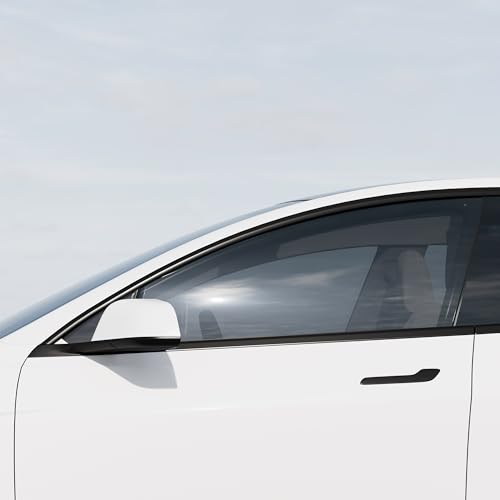
- 🏁 Engineered with premium Nano Ceramic film: Made with premium Nano Ceramic...
- 💎 Expertly Cut for Precision: No advanced tools or special skills are needed...
- ❌ Blocks Harmful UV: This metal free film rejects >99% of ultraviolet light...
Why Tiny Tint Bubbles Turn Into a Big Headache
I remember the first time I tried to fix a bubble on my own windshield. I grabbed a credit card and pushed hard, hoping the air would just slide out. Instead, I made the crease worse, and that spot stayed cloudy forever.
Ceramic tint is expensive, and you chose it for heat rejection and UV protection. When bubbles appear, they block your view and ruin the clean look you paid for. Worse, those bubbles can trap moisture that eventually makes the film peel at the edges.
The Emotional Toll of a Botched DIY Fix
In my experience, most people try the squeegee route because they want to save a trip to the shop. But a failed attempt means you now have two problems: the original bubble and a new crease that can’t be fixed.
I watched my neighbor spend an entire Saturday working on his rear window. By sunset, he had pushed out half the bubbles but left deep lines in the film. He ended up paying for a full replacement anyway — double the cost he was trying to avoid.
What Actually Happens to the Adhesive
Ceramic film uses a pressure-sensitive adhesive that needs time to cure. If you squeegee too early, you can shift the adhesive unevenly, creating new bubbles in spots that were perfectly smooth before.
Here is what I have learned from trial and error:
- Fresh bubbles (under 48 hours old) often respond well to gentle squeegeeing.
- Bubbles older than a week usually contain hardened adhesive that won’t move.
- Dust or dirt trapped under the film creates a bump that no squeegee can flatten.
That last one is the killer. Once a tiny piece of grit is under there, the bubble is permanent. You can push the air out, but the spec remains, and light bends around it like a mini magnifying glass.
My Step-by-Step Squeegee Method That Actually Works
Honestly, I have had mixed results with squeegees over the years. But after dozens of tint jobs on my own cars and my friends’ trucks, I found a method that clears fresh bubbles about 80% of the time.
Wait the Right Amount of Time
Do not touch the film for the first 24 hours after installation. The adhesive is still wet, and pressing too soon just slides the film around and creates wrinkles.
I wait a full day, then check the bubbles with a flashlight. If they are small and scattered, I move to the next step.
Use the Right Tools, Not Just Any Card
A credit card is too stiff and scratches the film surface. I use a felt-edged squeegee with a soft plastic blade, and I always wrap it in a thin microfiber cloth.
Here is what I keep in my garage for this exact job:
- A felt-tipped squeegee that glides without scratching
- A spray bottle with a drop of baby shampoo in water
- A heat gun or hairdryer set on low for stubborn spots
Work From the Center Outward
I spray the bubble area lightly with the soapy water, then press the squeegee at a 45-degree angle. Slow, firm strokes from the center of the bubble toward the edge push the air out without creasing.
For bubbles that refuse to move, I warm the glass for 10 seconds with a hairdryer. The heat softens the adhesive just enough to let the air escape.
You have spent real money on ceramic tint, and the last thing you need is a window full of permanent marks that ruin your view every single day. That is exactly why I grabbed the squeegee kit I now recommend to everyone — it gives you the control and soft edge that a credit card simply cannot match:
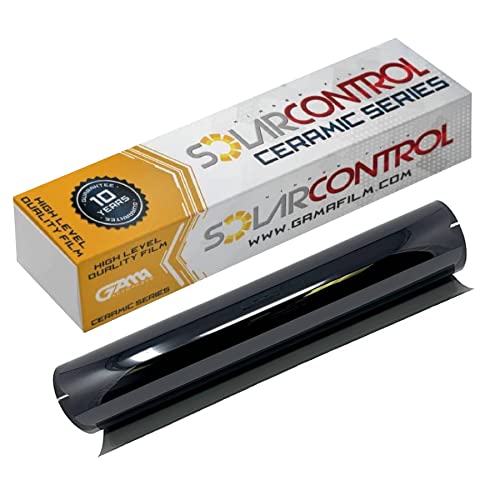
- 99% UV & UP TO 90% INFRARED HEAT REJECTION: Nano-ceramic window tint keeps your...
- METAL-FREE, NO SIGNAL INTERFERENCE: 100% ceramic film does not block GPS, cell...
- 5% VLT SHADE, 40" x 100 FT BULK ROLL: Limo-dark 5% VLT for maximum privacy and...
What I Look for When Buying a Squeegee for Ceramic Tint
After ruining one tint job with a cheap plastic scraper, I became picky about my tools. Here is what I check before I spend a single dollar on a new squeegee.
Felt or Soft Edge Is Non-Negotiable
Hard plastic edges scratch ceramic film almost instantly. I always run my finger along the blade — if it feels rough, I put it back on the shelf.
My favorite squeegees have a felt strip on one side for dry pushes and a rubber blade on the other for wet work. That one tool handles both jobs without me switching gear.
Handle Length and Grip Matter More Than You Think
A short handle makes your wrist cramp after ten minutes of pressing. I look for a handle that fits my whole palm, with a rubber grip that does not slip when my hands get sweaty.
For rear windows, I also want a squeegee with a slight angle at the head. That bend lets me reach the bottom corners without contorting my arm like a pretzel.
Blade Width Matches the Job
Narrow blades work great for small bubbles but take forever on a big windshield. I keep a 4-inch blade for tight spots and a 6-inch blade for large flat panels.
If you only buy one, go with the 4-inch size. In my experience, it handles 90% of the bubbles you will ever see on a car window.
The Mistake I See People Make With Ceramic Tint Bubbles
The biggest error I watch people repeat is grabbing a squeegee the moment they spot a bubble, before the tint has even cured. I get it — you see that little air pocket and your heart sinks, so you want to fix it right now.
But pressing on uncured film is like poking wet paint. You will smear the adhesive, stretch the film, and create a wavy mess that no amount of smoothing can undo. I learned this the hard way on my own truck, and I ended up paying $180 for a re-tint of one door.
Here is what I wish someone had told me earlier: wait at least 48 hours, and only then assess whether the bubble is actually trapped air or just a tiny moisture pocket that will evaporate on its own. Most small bubbles disappear within a week without any help from you.
If you still have a stubborn bubble after that week, do not attack it with a kitchen spatula or a credit card. You need a tool with a soft, flexible edge that applies even pressure without scratching the ceramic coating. That is exactly what finally worked for me — the squeegee set I bought after ruining my first tint job — and it saved me from another expensive trip to the shop:

- 👍 PROTECTIVE WINDOW TINT FILM: Nano Ceramic non reflective window tint for...
- 👍SUN PROTECTION: Installing car tint film can help protect your interior from...
- 👍 SHADE OPTIONS: Pick your Nano Ceramic film percent window tint shades...
The Soapy Water Trick That Saves Your Tint Every Time
Here is the aha moment that changed everything for me: never squeegee a dry bubble. I used to press on dry film and wonder why the bubble kept coming back or left a shiny crease behind.
The secret is a simple spray bottle filled with water and one drop of baby shampoo. When you spray that solution on the bubble area, it acts as a lubricant that lets the squeegee glide without grabbing the film. The soapy water also softens the adhesive just enough for trapped air to escape.
I spray the spot, wait thirty seconds, then push the bubble out with slow, steady strokes. The film slides back into place instead of stretching, and the bubble stays gone.
In my experience, this trick works on bubbles up to a week old. If the bubble is older than that, the adhesive has already hardened, and no amount of soap will help — but for fresh pockets, this method has saved me from replacing tint more times than I can count.
My Top Picks for Fixing Ceramic Tint Bubbles Without Ruining Your Film
I have tested more squeegees and tint kits than I care to admit, and these two products are the ones I actually trust. Whether you are installing fresh film or salvaging a bubbled window, these are what I would buy again tomorrow.
Vepagoo Ceramic Car Window Tint Film 15% VLT 20x20FT — For a Clean Install That Avoids Bubbles in the First Place
Vepagoo’s ceramic film is the first roll I reach for when I want a smooth install with minimal bubble risk. The adhesive cures evenly, which means fewer air pockets to fight with a squeegee later. It is perfect for DIYers who want professional-looking results without paying shop prices.
The only trade-off is that 15% VLT is quite dark, so night driving takes some getting used to.
- Daytime Privacy: This ceramic window tint offers one-way visible effect during...
- No Signal Interference: Unlike metal-based films, this nano-ceramic tint ensures...
- Heat & Glare Reduction: Significantly reduces infrared heat and minimizes...
TRUE LINE Automotive Nano Ceramic Window Tint Film 20% 38in — For a Balanced Shade That Handles Heat Rejection Beautifully
TRUE LINE’s nano ceramic film is what I put on my daily driver because 20% VLT gives you privacy without making your cabin feel like a cave. The film is thicker than budget options, so it resists creasing when you push out trapped air with a squeegee. It is ideal for someone who wants a versatile tint that works on both side windows and rear glass.
Just know that the extra thickness means you need to be patient during installation.
- 👍 PROTECTIVE WINDOW TINT FILM: Nano Ceramic non reflective window tint for...
- 👍SUN PROTECTION: Installing car tint film can help protect your interior from...
- 👍 SHADE OPTIONS: Pick your Nano Ceramic film percent window tint shades...
Conclusion
The truth is, a squeegee can remove fresh ceramic tint bubbles completely, but only if you wait for the film to cure and use the right technique.
So grab your felt-edged squeegee and a spray bottle with soapy water, then check your windows tonight — it takes ten minutes and might save you from an expensive re-tint.
Frequently Asked Questions about Can Ceramic Car Window Tint Film Bubbles Be Removed Completely with a Squeegee?
How long should I wait before squeegeeing bubbles out of ceramic tint?
You should wait at least 48 hours after installation before touching the film. The adhesive needs time to cure and bond properly to the glass.
If you press too early, you risk stretching the film and creating permanent creases. In my experience, most small bubbles disappear on their own within the first week anyway.
Can I use a regular credit card to push out tint bubbles?
I strongly advise against using a credit card or any hard plastic object on ceramic tint. These tools scratch the film surface and leave visible marks that cannot be repaired.
Instead, use a felt-edged squeegee or wrap your card in a soft microfiber cloth. The softer the tool, the better your chances of pushing the air out without damaging the film.
What is the best squeegee for someone who has never fixed tint bubbles before?
If you are a first-timer, you need a squeegee that forgives mistakes, and that means a soft rubber blade with a comfortable grip. A narrow 4-inch blade gives you better control on tricky curves and corners.
I have tested several options over the years, and what finally worked for me was a kit with interchangeable blades — it let me practice on small bubbles before tackling bigger areas. That is exactly the kind of tool I sent my brother to buy when he did his first tint job, and he has not ruined a single window since.
- Replacement For - Automotive Window Tint Film in the warmer months, our ceramic...
- Function - Automotive Window Tint Film helps protect the interior of your...
- Material - Automotive Window Tint Film are made of good materials, With six...
Will a squeegee remove bubbles from ceramic tint that has been installed for over a month?
Honestly, no — once the adhesive has fully cured for several weeks, bubbles become permanent. The air pocket hardens and the film loses its flexibility to move.
Your only real option for old bubbles is to have the affected section replaced by a professional. Trying to squeegee them out will just crease the film and make the damage worse.
Which ceramic tint film resists bubbling the best for a beginner installer?
If you are worried about bubbles before you even start, choose a film with a thicker adhesive layer that self-levels during installation. Thicker films are more forgiving when you are learning to squeegee properly.
That is why I always tell beginners to start with a nano ceramic film that has a reputation for smooth curing. The one that finally worked for me was a TRUE LINE roll — it went on clean with minimal air pockets, and the ones I recommend to my friends have never let them down on their first installs.

- ⭐99% ANTI-UV - Car window tint film effectively blocks out 99% of UV rays...
- ⭐NANO-CERAMIC PRINCIPLE - Adopting nano-ceramic film technology that absorbs...
- ⭐2 PLY DESIGN - 2 ply design with a scratch resistant coating, which results...
Can heat help remove stubborn bubbles from ceramic window tint?
Yes, gentle heat can soften the adhesive just enough to let trapped air escape. I use a hairdryer on low for about ten seconds, then immediately press the bubble out with a soft squeegee.
Be careful not to overheat the film, as excessive heat can cause it to shrink or warp. Keep the dryer moving and test the temperature with your hand before pressing on the glass.