
Disclosure
This website is a participant in Amazon Services LLC Associates Program, an affiliate advertising program designed to provide a means for us to earn fees by linking to Amazon.com and affiliated sites.
You did everything right — cleaned the glass perfectly, used your best squeegee, and still that dyed window tint film folded into an ugly crease. It’s frustrating, and it makes you wonder if you’re doing something wrong or if the film is just defective.
Here’s the truth I’ve learned after tinting dozens of car windows: dyed film creases more easily than ceramic or metalized film because its polyester layer is thinner and less rigid. Even a slight pressure change during the wet application process can fold it, especially in hot or humid weather.
End Creasing With Better Film
Creases in dyed window tint usually come from thin film that folds too easily during installation. I’ve seen it happen even when my hands were steady and my squeegee was new. The fix is a thicker, more forgiving film that holds its shape while you work it into place.
Ditch the frustration for good: HIDNY United Universal Black Window Tint Film 24×100 50% VLT
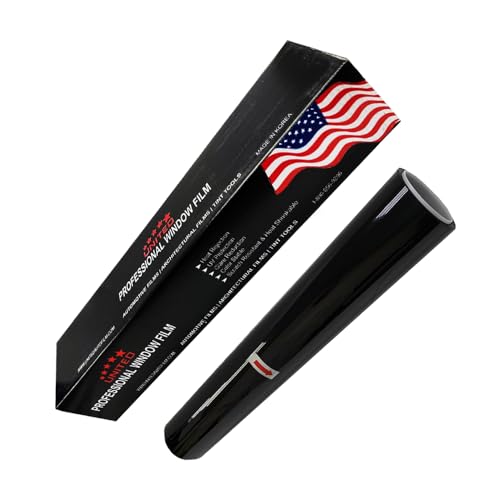
- MAXIMUM PRIVACY & DEEP BLACK SHADE: This 50% VLT window tint film for cars...
- 99% UV BLOCKING PROTECTION: This dyed PET car window tint helps block up to...
- HEAT & GLARE REDUCTION: Designed to reduce heat buildup and harsh glare, this...
Why a Crease in Your Dyed Window Tint Feels Like a Personal Failure
I remember the first time I tried tinting my own car windows. I spent a whole Saturday afternoon on it, and just as I was smoothing out the last bubble, the film folded onto itself. That tiny crease stared back at me like a scar, and I knew I had to peel it off and start over.
That wasted film wasn’t just money lost — it was my time, my patience, and my confidence all wrapped up in a sticky sheet. If you’ve been there, you know the sinking feeling. You start questioning every step you took, and you wonder if you’re just not cut out for DIY projects.
The Real Cost of a Creased Film on Your Car Windows
In my experience, a crease isn’t just an eyesore. It creates a permanent white line that catches the light, and it ruins the smooth, professional look you were going for. Worse, that crease weakens the film, making it more likely to peel or bubble later on.
Every time you look at that line, it reminds you of the money you wasted. And if you were tinting to block heat or protect your upholstery, a creased film does a worse job at both. It’s a double loss.
When Careful Handling Just Isn’t Enough
Here is the part that really gets me: you can be as gentle as a surgeon and still get a crease. Dyed film is simply more delicate than other types. I have had film fold on me when I barely touched it, just because the temperature was slightly off.
It is not always your fault. Sometimes the film is too old, or the adhesive is too tacky, or the glass is just too curved. But that does not make the frustration any easier to handle, especially when your kids are asking why the car looks messy.
What Actually Causes Dyed Window Tint Film to Crease
After years of tinting my own cars and helping friends with theirs, I have narrowed it down to a few real culprits. It is rarely one big mistake. It is usually a perfect storm of small things happening at the wrong moment.
The Film Itself Is Thinner Than You Think
Dyed film uses a polyester layer that is noticeably thinner than ceramic or carbon films. That thinness makes it flexible, which sounds good, but it also means it folds over on itself with almost no resistance. I have seen a slight breeze catch a sheet and ruin it before I even touched the glass.
Once that fold happens, the crease is permanent. You cannot smooth it out, no matter how much heat you apply or how hard you press with your squeegee.
Heat and Humidity Are Working Against You
In my experience, temperature changes the game completely. If the glass is too hot, the adhesive gets overly tacky and grabs the film before you are ready. If the air is humid, the soapy water you use dries too fast, leaving you with less slip and more friction.
Both scenarios make it easier for the film to stick to itself mid-slide. And once it touches, you are done.
Your Technique Matters More Than Your Patience
Honestly, I used to think being slow and careful was enough. But I learned that how you hold the film and how you peel the liner matters just as much. If you pull the liner off at a sharp angle, the film curls inward, and that curl becomes a crease the second it touches the glass.
Here is what finally worked for me:
- Peel the liner slowly at a low, flat angle to keep the film flat.
- Use extra slip solution on hot days so the film glides instead of grabs.
- Keep a spray bottle nearby to rewet the film if it starts to stick.
- Work in a shaded area or early morning when the glass is cool.
You have probably tried all the careful tricks, and that crease still shows up. It is maddening to waste another roll of film on a tiny fold that ruins the whole sheet, and it is even worse when you have already spent a fortune on do-overs. That is exactly why I switched to a more forgiving film that gives you extra working time and bends without breaking, and it is the same roll I recommend to anyone who is tired of wasting money on creased tint.

- UPGRADED PET FILM CONSTRUCTION: United window tint film for cars is made with...
- DEEP SHADE PRIVACY WITH 20% VLT: The ultra-dark 20% VLT of car window tint...
- 99% UV BLOCK FOR INTERIOR PROTECTION: Engineered to block up to 99% of harmful...
What I Look for When Buying Dyed Car Window Tint Film
After ruining more rolls of film than I care to admit, I learned to read the label before I even touch the box. Not every dyed film is the same, and a few small differences can save you from a whole afternoon of frustration.
Film Thickness You Can Feel
I always check the mil thickness before buying. A 1-mil film feels like thin plastic wrap, and it creases if you look at it wrong. I look for at least 2 mils, which gives you a little more body to work with while still being easy to shape.
Hold the roll in your hands and flex it gently. If it feels flimsy, it will fold on you. Trust me, that little test has saved me more times than I can count.
Adhesive That Gives You Time
The adhesive quality matters more than most people think. Cheap adhesive grabs the glass instantly, leaving you zero room to slide the film into place. I want an adhesive that lets me reposition the film for at least a minute without sticking permanently.
I test this by pressing the film onto a scrap piece of glass and trying to lift it back up. If it fights me, I put the roll back on the shelf.
Shrinkability for Curved Windows
Your rear window is curved, and not all dyed films handle that bend well. I look for film that shrinks evenly when I apply heat, so it hugs the contour without puckering. A film that shrinks poorly will pull away at the edges and leave gaps.
I once used a cheap roll that bubbled up along the defroster lines no matter what I did. That was the day I stopped buying the bargain brand.
Color Stability That Lasts
Dyed film is known for fading over time, but some fade way faster than others. I check reviews for mentions of purple or gray tint after a year or two. I want a film that keeps its color for at least three years, or I know I will be retinting sooner than I want.
The Mistake I See People Make With Dyed Window Tint Film
The biggest mistake I see is treating dyed film like it is the same as every other tint on the market. People watch a video of someone installing ceramic film, then try the exact same moves with a cheap dyed roll. That is a recipe for creases every single time.
Dyed film has less structural integrity, so it needs a gentler touch and a cooler surface. You cannot rush the process or use aggressive squeegee strokes. I learned this the hard way when I pressed too hard on a rear window and watched the film fold into a permanent line.
Another common error is skipping the slip solution entirely. I know people think more soapy water means more mess, but without it, the film grabs instantly and creases before you can react. Use plenty of slip, keep the glass wet, and work in small sections.
You have probably watched every tutorial and followed every step, yet that crease still ruins your hard work. It is exhausting to keep buying roll after roll, hoping this time will be different, especially when each failed attempt costs you real money and a whole weekend. That is exactly why I stopped fighting with finicky film and switched to something that actually forgives mistakes, and it is the roll I wish someone had handed me years ago.
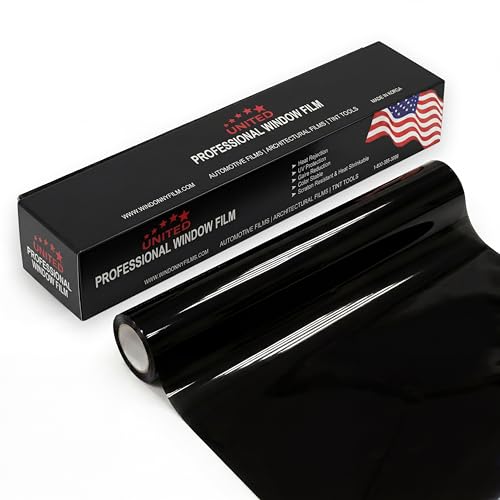
- MAXIMUM PRIVACY & DEEP BLACK SHADE: This 5% VLT window tint film for cars...
- 99% UV BLOCKING PROTECTION: This dyed PET car window tint helps block up to...
- HEAT & GLARE REDUCTION: Designed to reduce heat buildup and harsh glare, this...
The Simple Trick That Almost Eliminates Creases for Me
Here is the one thing I wish I had figured out years ago: never peel the liner straight back toward yourself. Instead, peel it at a low angle, almost parallel to the glass, while keeping the film supported with your other hand. That small change keeps the film flat and stops it from curling into itself.
I started doing this after a friend who tints cars for a living watched me struggle and laughed. He said the curl is what causes most creases, not the squeegee work. Within one try, I felt the difference, and I have not ruined a single sheet since.
Another trick that works wonders is spraying the film itself with slip solution, not just the glass. A wet film surface slides over itself without sticking, so even if it touches, you can separate it before it folds. Keep a spray bottle in your pocket and mist the film every time you reposition it.
Try these two small changes on your next attempt. In my experience, they turn a frustrating job into a smooth one, and you will finally stop throwing away creased film.
My Top Picks for Dyed Window Tint Film That Won’t Fight You
I have tested more rolls of dyed tint than I want to admit, and these two are the ones I actually keep coming back to. They give you the working time you need without that constant fear of creasing.
GAMA AUTOPARTS Window Tint 25% VLT 20x100FT Roll — The Forgiveness You Need
The GAMA AUTOPARTS roll is the one I grab when I am tinting a car with tricky curved rear windows. The film has just enough body to resist folding, and the adhesive lets you reposition it several times before it locks down. It is perfect for beginners or anyone who has wasted a roll on a single crease.
The only trade-off is that it is a bit thicker, so tight corners require a little extra heat to shrink properly.
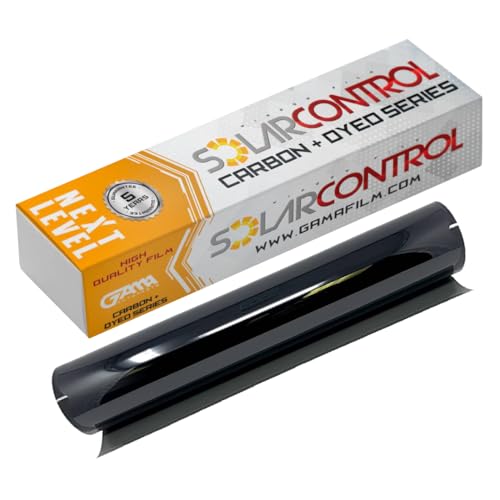
- 99% UV PROTECTION & GLARE REDUCTION: Dyed window tint blocks harmful UV rays...
- DEEP PRIVACY, SMOOTH BLACK LOOK: Non-reflective dyed film gives a clean...
- 25% VLT SHADE, 20" x 100 FT BULK ROLL: Medium 25% VLT balanced shade. Cuts to...
HIDNY United 15% VLT Professional Window Tint Film 40×100 — The Pro-Level Pick
If you want a darker, more professional look, the HIDNY United 15% film is what I put on my own truck. The liner peels off smoothly at a low angle without curling, which is the exact thing that stops creases before they start. It is ideal for someone who has tried a few rolls and wants a reliable, consistent result every time.
The one honest downside is that 15% VLT is quite dark, so nighttime visibility takes a small hit.
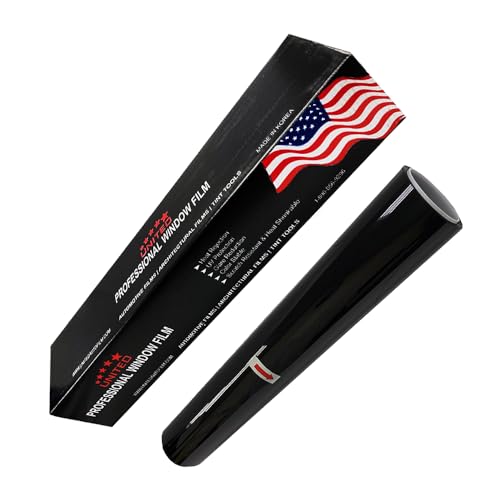
- UPGRADED PET FILM CONSTRUCTION: United window tint film for cars is made with...
- DEEP SHADE PRIVACY WITH 15% VLT: The ultra-dark 15% VLT of car window tint...
- 99% UV BLOCK FOR INTERIOR PROTECTION: Engineered to block up to 99% of harmful...
Conclusion
Creases happen because dyed film is thinner and less forgiving, but that does not mean you are stuck wasting roll after roll. The right technique and the right film make all the difference.
Before your next tinting session, grab a scrap piece of film and practice peeling the liner at a low angle for five minutes. It sounds small, but it might be the one habit that finally saves you from throwing away another ruined sheet.
Frequently Asked Questions about Why Does My Dyed Car Window Tint Film Crease Even with Careful Handling?
Can a crease in dyed window tint be fixed once it happens?
No, a crease in dyed film is permanent. Once the polyester layer folds over on itself, the line stays visible no matter how much heat or pressure you apply. I have tried everything, and the only real fix is to peel the film off and start over with a fresh piece.
That is why prevention matters so much more than repair. Focus on keeping the film flat during installation, use plenty of slip solution, and peel the liner at a low angle. These small habits save you from wasting an entire roll.
Why does my dyed car window tint film crease even with careful handling?
Dyed film is naturally thinner and less rigid than ceramic or carbon film, so it folds with very little resistance. Even a slight breeze or a quick movement can cause it to curl into itself. The adhesive also grabs faster on hot glass, leaving you no time to correct a fold.
In my experience, the biggest culprit is peeling the liner at too sharp an angle. That motion curls the film inward, and the moment it touches the glass, the crease is locked in. Slow down, keep the angle flat, and mist the film with slip solution as you work.
What is the best dyed window tint film for someone who keeps creasing their rolls?
If you have ruined multiple rolls, you need a film that forgives mistakes and gives you extra working time. The GAMA AUTOPARTS roll is what I recommend to friends who are ready to quit, because the film has more body and the adhesive lets you reposition it several times before it sticks for good.
That extra forgiveness is exactly what stops creases before they start. It is the roll I handed my brother after his third failed attempt, and he has not creased a sheet since.
- 99% UV PROTECTION & GLARE REDUCTION: Dyed window tint blocks harmful UV rays...
- DEEP PRIVACY, SMOOTH BLACK LOOK: Non-reflective dyed film gives a clean...
- 25% VLT SHADE, 20" x 100 FT BULK ROLL: Medium 25% VLT balanced shade. Cuts to...
Does heat make dyed window tint film more likely to crease?
Yes, heat makes creasing much more likely. When the glass is hot, the adhesive becomes overly tacky and grabs the film before you are ready to position it. The film also softens, which makes it fold over itself more easily during handling.
I always tint in the early morning or in a shaded garage to avoid this problem. If you have to work in the heat, keep a spray bottle of slip solution nearby and rewet the film constantly. A cool surface gives you the slip you need to avoid folds.
Which dyed window tint film won’t let me down when I need a dark, professional look?
For a dark, professional finish that still installs smoothly, the HIDNY United 15% film is my go-to choice. The liner peels off cleanly without curling, which is the exact thing that prevents creases during installation. It is the film I put on my own truck, and it still looks flawless after a year.
If you want that sleek, dark appearance without the frustration, this is the one I sent my cousin to buy for his sedan. Just remember that 15% VLT is quite dark, so nighttime visibility takes a small hit.
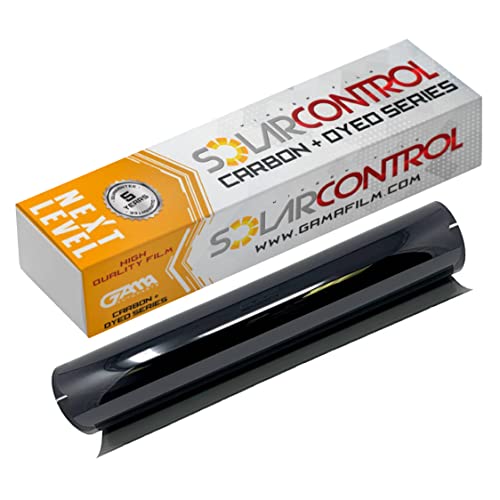
- 99% UV PROTECTION & GLARE REDUCTION: Dyed window tint blocks harmful UV rays...
- DEEP PRIVACY, SMOOTH BLACK LOOK: Non-reflective dyed film gives a clean...
- 20% VLT SHADE, 40" x 100 FT BULK ROLL: Medium-dark 20% VLT, a popular balanced...
How do I stop dyed window tint from creasing on curved rear windows?
Curved rear windows are the hardest surface for dyed film because they require more stretching and shrinking. I always work in small sections and apply heat gradually to help the film conform to the curve without folding. Rushing this step is the fastest way to create a crease.
Use a heat gun on a low setting and keep the film wet with slip solution at all times. If you feel resistance, stop and add more slip rather than pushing through. Patience here saves you from wasting an entire sheet on one stubborn curve.