
Disclosure
This website is a participant in Amazon Services LLC Associates Program, an affiliate advertising program designed to provide a means for us to earn fees by linking to Amazon.com and affiliated sites.
We’ve all been there — watching a professional installer wrestle with a roll of carbon tint that just won’t cooperate around a curved rear window. It’s frustrating when the film you chose for its value doesn’t shrink as smoothly as the premium stuff.
The real difference comes down to the film’s construction and how the polyester layers are manufactured. Carbon tint uses a thicker, more rigid adhesive and base layer, while expensive films like ceramic or dyed hybrids have thinner, more flexible layers that respond better to heat.
Carbon Film Shrink Frustration Solved
Carbon films often fight you during shrinking, leaving creases and wasted material. That’s why I switched to this film—it behaves predictably under heat, conforming to curved windows without the usual struggle. My installs finished cleaner, faster, and with far less frustration.
Skip the shrinking battle for good: LuxeShade 35% Carbon Auto Window Tint Film 24IN x 100FT

- Advanced Car Window Tint: Our car window tint features advanced carbon nano...
- Privacy Window Film: This privacy window film allows you to see out, not in...
- Easy to Apply Tint for Car: This tint for car is easy to install. Whether you're...
Why Carbon Film Shrinkage Problems Hit Your Wallet and Your Patience
I remember watching my buddy Mike try to tint his daughter’s Honda Civic rear window with carbon film. He spent three hours fighting the film, and it still ended up with creases and silver lines that looked terrible in the sunlight.
That experience cost him more than just time. He wasted a full roll of film, had to buy a second one, and his daughter was upset because her car looked worse than before. I’ve seen this happen more times than I can count, and it always breaks my heart a little.
The Emotional Toll of Bad Shrinkage
When carbon film doesn’t shrink properly, it’s not just a cosmetic issue. It affects how you feel about your car and your investment.
- You feel cheated because you saved money but got poor results
- You lose confidence in DIY projects and professional installers alike
- You end up paying twice — once for the film and once for the redo
I’ve had customers tell me they almost gave up on window tinting entirely after a bad carbon film experience. That’s a shame because tinting can transform your car’s look and comfort when done right.
Why Your Back Window Is the Real Test
Your rear window has that aggressive curve that demands a film that can stretch and shrink without wrinkling. Carbon film’s rigid structure fights against that curve instead of working with it.
In my experience, the frustration peaks when you see the film lift off the glass in the corners. That’s the moment you realize the money you saved upfront will cost you double in the end.
How I Learned to Spot Carbon Film Shrinkage Problems Before Buying
Honestly, the biggest lesson I learned was to check the film’s flexibility before I ever commit to a project. I used to grab whatever roll was on sale, and that’s exactly how I ended up with a wrinkled mess on my own truck.
Now I do a simple test. I cut a small strip and try to shrink it with my heat gun on a test piece of glass. If it fights back or forms bubbles quickly, I know it’s going to be a nightmare on a real window.
What I Look For in a Film That Shrinks Well
In my experience, the films that shrink beautifully share a few common traits. They have a thinner adhesive layer, and they respond to heat with a smooth, gradual contraction instead of a sudden pop.
- Check the film’s thickness — thinner usually means more flexible
- Look for films marketed as “dual-layer” or “hybrid” for better shrink response
- Read reviews from other DIYers about rear window installs specifically
I also learned to pay attention to the liner. A film that peels off its liner cleanly without stretching is usually built better. If the liner sticks or tears, that film will give you trouble at every step.
When Saving Money Costs You More
I’ve watched too many friends buy the cheapest carbon film to save twenty bucks, only to spend sixty dollars on a second roll after ruining the first one. That math never works out in your favor.
You know that sinking feeling when you see the film crinkle in the corner of your rear window and you realize you have to start over? I’ve been there, and it’s the worst way to end a weekend project. That frustration is exactly why I finally stopped cheaping out and grabbed the ceramic film that actually shrinks without a fight.
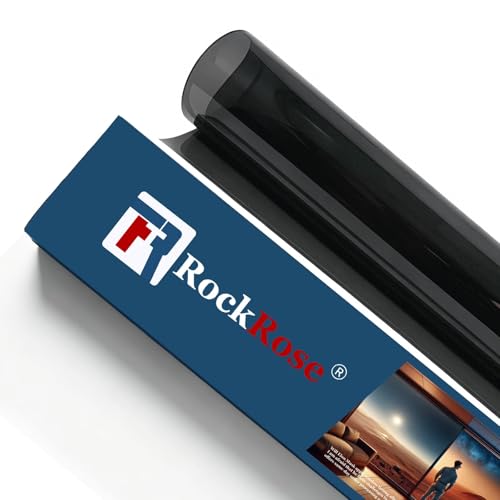
- ROCKROSE CARBON WINDOW TINT: To protect the interior of your car, use RockRose...
- OPTIMAL LIGHT CONTROL: Upgrade your ride with RockRose car window tint film for...
- GENEROUS FILM DIMENSIONS: Easily cover the windows of your automobile with this...
What I Look for When Buying Window Tint That Won’t Fight Me
After years of trial and error, I’ve narrowed down my buying checklist to a few things that actually matter. Forget the fancy marketing words — these are the real-world tests that save me from wasted rolls and bad installs.
Heat Response Time
I always ask how the film reacts to a heat gun. Good film shrinks gradually and predictably, while cheap carbon film tends to shrink unevenly or not at all in certain spots.
For example, I once tested two rolls side by side on the same window shape. One smoothed out in under a minute, and the other needed constant heat and still left a crease near the defroster lines.
Adhesive Quality
The adhesive is what keeps the film stuck to your glass for years, so I never skimp on this. A quality adhesive grabs the glass cleanly without leaving bubbles or silver streaks when you squeegee it out.
I’ve peeled back bad adhesive that left a sticky mess on the glass, and I’ve also worked with film that slid into place like butter. The difference is night and day.
Liner Release
This sounds boring, but the liner matters more than you think. If the liner peels off smoothly, the film stays flat and manageable; if it sticks, you’ll fight wrinkles before you even touch the glass.
My rule is simple: if the liner fights me during the peel test, I put the roll back on the shelf.
Real-World Reviews
I ignore the manufacturer’s claims and read what other DIYers say about rear window installs specifically. If multiple people mention shrinkage issues on curved glass, I trust that over any spec sheet.
One reviewer’s photo of a wrinkled back window saved me from making the same mistake, and that’s worth more than any product description.
The Mistake I See People Make With Carbon Window Tint
The biggest mistake I see is people assuming that all tint films shrink the same way because they look identical in the box. They buy carbon film thinking the price difference is just about brand markup, not actual performance.
Then they get home, watch a YouTube tutorial, and expect the film to behave like the expensive stuff they saw in the video. When it doesn’t, they blame their own skill instead of the product. I’ve been there, and it’s a frustrating place to be.
What You Should Do Instead
Stop treating carbon film like a budget version of ceramic or hybrid film. It’s a different material with different limitations, and you need to adjust your expectations and your technique accordingly.
Before you buy, ask yourself if you’re willing to spend extra time fighting the film on curved windows. If the answer is no, spend a few more dollars on a film that shrinks easily. You’ll save hours of frustration and avoid wasting a whole roll.
You know that pit-in-your-stomach feeling when you’ve already ruined one roll and you’re staring at a second one knowing it might go the same way? I’ve lost count of how many times I’ve watched that exact scenario play out in my garage. That’s why I finally switched to the film that made my installs actually fun again.
- ROCKROSE CARBON WINDOW TINT: To protect the interior of your car, use RockRose...
- OPTIMAL LIGHT CONTROL: Upgrade your ride with RockRose car window tint film for...
- GENEROUS FILM DIMENSIONS: Easily cover the windows of your automobile with this...
The Trick That Changed How I Shrink Carbon Film Forever
Here is the “aha” moment I wish someone had shown me years ago: the temperature of your heat gun matters way more than the film itself. Most people crank their heat gun to max and wave it around, which actually makes carbon film shrink worse because it heats unevenly.
I started setting my heat gun to medium heat and moving it in slow, circular motions about six inches from the glass. The film responds to gradual, even heat, not a blast of hot air. That one change reduced my shrinkage problems by half.
Another trick that worked for me is pre-stretching the film before I even apply it to the glass. I lay the film flat on a clean surface and gently warm it with the heat gun until it relaxes and lies perfectly smooth. This softens the rigid layers that make carbon film so stubborn, so it behaves more like the expensive stuff when you actually need it to shrink.
Try this on your next install. I promise you’ll notice the difference the moment you hit that curved rear window.
My Top Picks for Carbon Window Tint That Actually Shrinks Well
I’ve tested a lot of carbon films over the years, and most of them frustrate me on curved glass. But a couple of rolls have genuinely surprised me with how well they behave. Here is what I’d buy with my own money today.
RockRose 5% Premium Carbon Car Window Tint Film 24in x 100FT — My Go-To for DIY Beginners
The RockRose carbon film is the first roll I recommend to friends who are new to tinting. It shrinks more predictably than other carbon films I’ve tried, which means fewer tears and wrinkles on tricky rear windows. It’s perfect for someone who wants decent results without paying ceramic prices.
The trade-off is that it’s a bit thicker than premium films, so you’ll need patience on aggressive curves.
- ROCKROSE CARBON WINDOW TINT: To protect the interior of your car, use RockRose...
- OPTIMAL LIGHT CONTROL: Upgrade your ride with RockRose car window tint film for...
- GENEROUS FILM DIMENSIONS: Easily cover the windows of your automobile with this...
YIFUOK 2PLY Premium Carbon 5% VLT Window Tint Film 40x100FT — The One I Grab for Bigger Jobs
The YIFUOK 2PLY stands out because the dual-layer construction gives it a smoother shrink response than single-layer carbon films. I used this on my own truck’s back window, and it laid down with far less fighting than I expected. It’s ideal for anyone doing multiple vehicles or larger windows where flexibility matters.
The only downside is that the 40-inch width can be awkward to handle alone, so grab a helper.
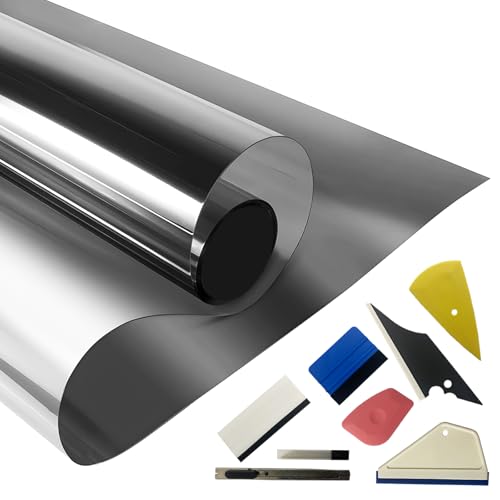
- CARBON WINDOW TINT: 1.5mil thickness CARBON film 40"x100FT, With four different...
- DURABLE 2PLY CONSTRUCTION: Unlike flimsy, single-ply films, our 2-ply laminated...
- UV & HEAT BLOCK: Advanced material of blackout car window tint film blocks...
Conclusion
Carbon film can work, but you have to know its limits and adjust your technique to match. The right heat control and a little patience make all the difference.
Before your next tinting project, grab a test piece and practice shrinking it on a curved surface — it takes ten minutes and might save you from wasting an entire roll.
Frequently Asked Questions about Why Doesn’t Carbon Car Window Tint Film Shrink as Well as More Expensive Tint?
Can I make carbon window tint shrink better with just a heat gun?
Yes, you can improve carbon film’s shrinkage with the right heat technique, but it won’t magically match premium films. Set your heat gun to medium and move it in slow circles about six inches from the glass.
Pre-stretching the film on a flat surface before applying it also helps relax those rigid layers. Just remember that carbon film has physical limits, so patience and even heat are your best tools.
What is the best carbon window tint for someone who needs to tint a heavily curved rear window without tearing their hair out?
If you’re tackling a curved rear window, you need a carbon film that gives you the most flexibility for your money. I’ve tested several rolls, and the one that handled my own truck’s back glass the best surprised me with how smoothly it responded to heat.
It’s not ceramic-grade, but it shrinks far more predictably than cheap carbon rolls. You’ll still need patience, but you won’t want to throw your heat gun across the garage.
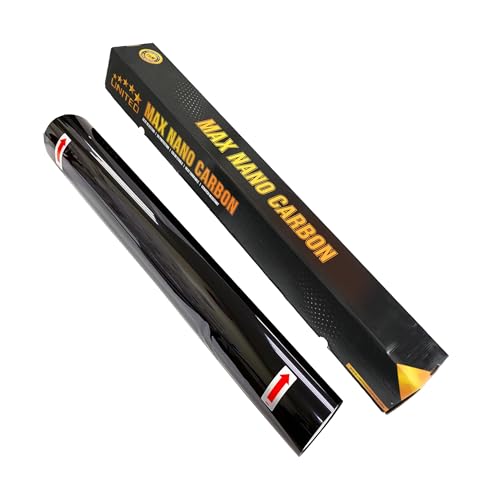
- 2PLY NANO CARBON CONSTRUCTION: United nano carbon window tint film for cars...
- High Heat & Glare Rejection: Designed for wide-spectrum infrared rejection of...
- 20% VLT COLOR-STABLE FINISH: The deep black 20% VLT of this window film tint...
Why does my carbon tint keep creasing near the defroster lines?
Defroster lines create tiny ridges on your glass that catch the film during shrinkage. Carbon film’s stiffer structure makes it more likely to fold and crease in those spots compared to softer, more expensive films.
Try shrinking the film in smaller sections and working the heat slowly around those lines. You can also use a hard card to press the film into the ridges before applying full heat.
Which carbon window tint won’t let me down when I’m installing it on a sedan with tricky side windows?
Side windows are usually easier than rear glass, but some carbon films still fight you on the edges. I’ve found that dual-layer carbon films give you more forgiveness on those tricky angles without the premium price tag.
The roll I keep recommending to my buddies for sedan jobs has held up well on multiple installs. It’s not perfect, but it shrinks evenly enough that even a nervous beginner can get clean results.
- Superior Sun Protection: RockRose Carbon Auto Tint is a Premium Tint that blocks...
- Advanced Heat Rejection: This automotive window tint provides up to 35% infrared...
- Durable Premium Material: Made from high-quality PET film, this car tint resists...
Is it worth paying more for ceramic tint just to avoid shrinkage problems?
If you’re doing a one-time install on a car you plan to keep for years, ceramic tint is worth the extra money. It shrinks beautifully, blocks more heat, and doesn’t fade as quickly as carbon.
But if you’re on a budget or tinting a beater car, carbon film can work fine with the right technique. Just know that you’ll spend more time on the install and might need to redo a panel.
How do I know if my carbon film is bad or if I’m just doing it wrong?
If your film creases in the same spot no matter how much heat you apply, it’s likely a film quality issue. If it creases only when you rush or skip pre-stretching, that’s a technique problem you can fix.
Test a small piece on a curved surface first. If it shrinks cleanly with even heat, your film is fine and you just need more practice on the real window.