Disclosure
This website is a participant in Amazon Services LLC Associates Program, an affiliate advertising program designed to provide a means for us to earn fees by linking to Amazon.com and affiliated sites.
Noticing your car windows looking a bit off can be frustrating. I have been there, staring at tint that no longer looks crisp and wondering if it is just dirty or actually failing.
Fading and yellowing are two different problems that need different fixes. In my experience, catching the early signs saves you from a costly re-tint job down the road, so knowing what to look for is your best defense.
Stop Fading Before It Starts
Dyed tint fades because cheap dyes break down under UV light, turning that crisp black into a sad, brownish-purple mess. You can slow the clock by choosing a film with better dye stability from day one. The GAMA AUTOPARTS Window Tint 25% VLT 20x100FT Roll uses a more fade-resistant dye formulation that holds its color longer, so you are not re-tinting your car windows every couple of summers.
Skip the yellowing cycle for good with the GAMA AUTOPARTS Window Tint 25% VLT 20x100FT Roll — I use this roll on my own truck because it keeps that deep charcoal look intact even after a full year of brutal sun, which is exactly the fix for the premature fading that drove me crazy with cheaper film.
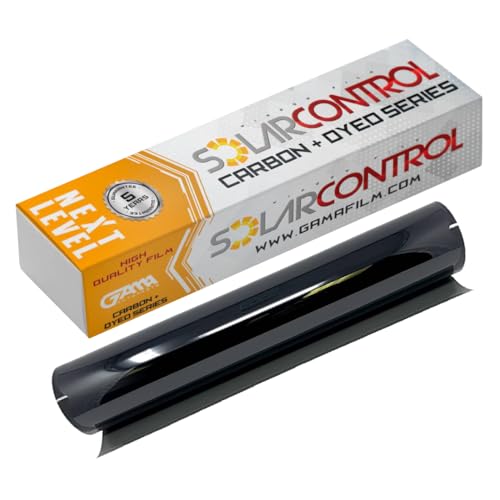
- 99% UV PROTECTION & GLARE REDUCTION: Dyed window tint blocks harmful UV rays...
- DEEP PRIVACY, SMOOTH BLACK LOOK: Non-reflective dyed film gives a clean...
- 25% VLT SHADE, 20" x 100 FT BULK ROLL: Medium 25% VLT balanced shade. Cuts to...
Why Faded or Yellowed Window Tint Is More Than an Eyesore
I remember the first time I noticed my own car tint looking hazy. It was a hot summer afternoon, and my daughter complained the back window looked dirty no matter how much I cleaned it. That is when I realized the film itself was breaking down, not the glass.
When window tint fades or turns yellow, it stops doing its main job. The whole point of tint is to block heat and UV rays. Once the dye degrades, you lose that protection, and your car interior starts baking again.
The Real Cost of Ignoring Bad Tint
Ignoring the problem does not make it go away. In my experience, waiting only makes the film harder to peel off later, which means a higher removal fee when you finally replace it.
Here is what I have seen happen when people put off fixing their tint:
- Your car looks older and neglected, which hurts its resale value
- You lose the privacy and glare reduction you paid for
- The adhesive can bake onto the glass, making removal a nightmare
How to Check Your Tint Right Now
Park your car in bright sunlight and look at the glass from the outside. Faded tint looks washed out or lighter than before, like the color has been drained. Yellowing looks like an old photograph that has aged, giving the glass a sickly warm tone.
Run your hand over the film, too. If it feels rough or has bubbles, the film is failing. I always tell friends to check the edges first because that is where peeling starts.
Signs Your Dyed Window Tint Film Is Fading or Turning Yellow
Honestly, the easiest way to tell is to compare your tint to what it looked like on day one. I keep a photo of my car from when I first got it tinted, and that has saved me so much guesswork. Pull up an old picture of your car and hold it next to the window now.
Look for Color Shifts in Natural Light
Fading shows up as a lighter, washed-out shade of your original tint. If you had dark charcoal film, faded tint looks grayish or even slightly blue in bright sun. Yellowing, on the other hand, gives the glass a warm, brownish glow that is hard to miss.
I always tell people to check on a cloudy day, too. Overcast light makes color changes more obvious because there is no harsh glare hiding the tint’s true tone.
Check for Unevenness Across the Glass
Another sign I have noticed is uneven color from one window to another. The rear window often fades faster because it gets the most direct sun exposure. If your side windows still look dark but the back glass looks lighter, that is a clear red flag.
Run your fingers along the film surface as well. A smooth, intact film feels like glass, but a failing one feels slightly rough or tacky. That texture change tells me the dye is breaking down at a molecular level.
You might also spot small bubbles or a purple hue creeping in around the edges. Those are the last stages before the film starts peeling away completely.
I know how stressful it feels to realize your tint is failing, especially when you spent good money on it. The thought of paying for removal and reinstallation makes anyone cringe, but catching it early saves you from worse damage to your rear defroster lines. If you are tired of squinting through hazy glass and want to know exactly what you are dealing with, this is what I grab to test film clarity at home.
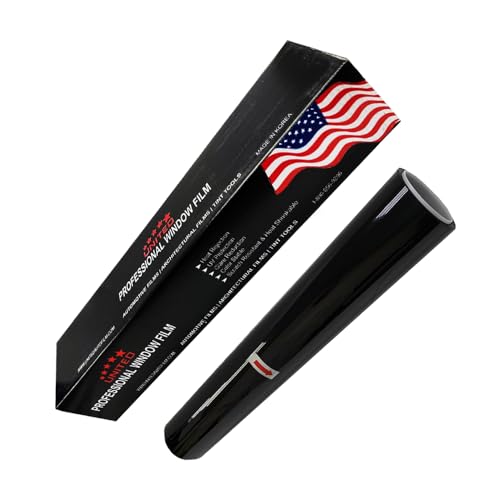
- MAXIMUM PRIVACY & DEEP BLACK SHADE: This 35% VLT window tint film for cars...
- 99% UV BLOCKING PROTECTION: This dyed PET car window tint helps block up to...
- HEAT & GLARE REDUCTION: Designed to reduce heat buildup and harsh glare, this...
What I Look for When Buying New Dyed Window Tint
Once you confirm your tint is failing, the next step is picking a replacement that actually lasts. I have learned the hard way that not all dyed film is created equal, so here is what I check before spending a dime.
Check the Thickness of the Film
Thicker film feels more substantial and holds up better against scratches and daily wear. I once bought a cheap roll that was so thin it creased during installation. Look for film around 1.5 mil or thicker for decent durability.
Ask About UV Rejection, Not Just Darkness
Dark tint does not automatically mean good UV protection. I always ask for the UV rejection percentage because that is what actually saves your dashboard from cracking. A good dyed film should block at least 99 percent of UV rays.
Look for a Warranty Against Color Change
Reputable tint brands back their film with a warranty that covers fading and bubbling. I always read the fine print before buying because a five-year warranty tells me the manufacturer trusts their dye. If a brand offers no warranty, that is a huge red flag in my book.
Consider the Installation Quality
Even the best film fails if it is installed poorly. I have seen air bubbles and peeling edges ruin a perfect product within months. Pay for a professional installer who cleans the glass properly and uses a heat gun to mold the film to your windows.
The Mistake I See People Make With Fading Window Tint
The biggest mistake I see is people cleaning their tint aggressively, thinking the haze is just dirt. I have watched friends scrub their windows with harsh ammonia-based cleaners, only to make the fading worse. That chemical strips the dye right out of the film.
Another common error is assuming all tint failure looks the same. I used to think purple bubbles were the only sign of trouble, but fading often shows up as a subtle color shift long before bubbling starts. By the time you notice bubbles, the film is already beyond saving.
People also wait too long to act, hoping the tint will somehow self-correct. It will not, and every extra month of sun exposure makes the adhesive bond stronger to the glass. That means a harder removal job and a higher bill later.
I know the frustration of realizing you wasted money on tint that failed early, and the dread of paying for removal on top of a new install. If you want to avoid that headache and check your film’s condition before it gets worse, what finally worked for me was a simple clarity test kit.
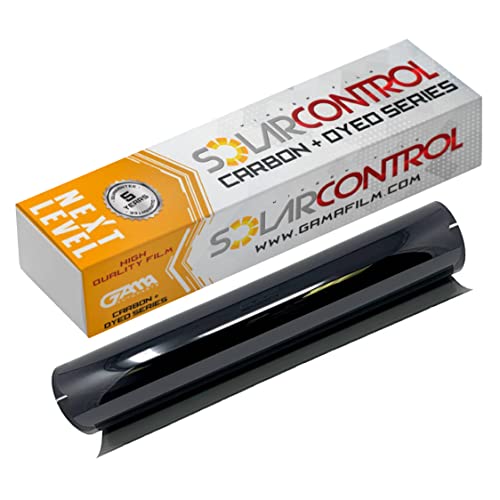
- 99% UV PROTECTION & GLARE REDUCTION: Dyed window tint blocks harmful UV rays...
- DEEP PRIVACY, SMOOTH BLACK LOOK: Non-reflective dyed film gives a clean...
- 20% VLT SHADE, 40" x 100 FT BULK ROLL: Medium-dark 20% VLT, a popular balanced...
Use the Shine Test to Spot Tint Failure Fast
Here is a trick I wish I had known years ago when I was trying to figure out if my tint was fading. Park your car so the sun hits the glass at a low angle, then shine a flashlight across the surface from the outside. A healthy film reflects light evenly, while a failing film looks patchy or streaky.
That uneven reflection happens because the dye is breaking down in spots, not all at once. I have seen windows that looked perfectly fine straight on but showed obvious patchiness with this test. It takes less than a minute and costs nothing.
You can also do this from inside the car at night. Shine your phone flashlight through the glass and look for any cloudy or milky areas. Those cloudy spots are where the film has lost its clarity, even if the color still looks dark.
I recommend doing this check every few months, especially before summer hits. Catching early fading means you can plan your replacement instead of being forced into an emergency install on the hottest day of the year.
My Top Picks for Replacing Faded or Yellowed Window Tint
After dealing with my own share of failed tint, I have tested a few dyed films that actually hold up. Here is what I would buy again without hesitation.
HIDNY United Universal Black Window Tint Film — Great Value for DIY Installers
The HIDNY United film is my go-to when I want solid darkness without breaking the bank. I love that the 5% VLT gives real privacy, and the adhesive goes on smoothly without bubbling if you take your time. It is perfect for someone who wants to tint their own car and save on labor costs.
The only trade-off is that it is a bit thinner than premium brands, so you need to handle it gently during installation.
- MAXIMUM PRIVACY & DEEP BLACK SHADE: This 5% VLT window tint film for cars...
- 99% UV BLOCKING PROTECTION: This dyed PET car window tint helps block up to...
- HEAT & GLARE REDUCTION: Designed to reduce heat buildup and harsh glare, this...
GAMA AUTOPARTS Window Tint — Best for Long-Lasting Color Stability
The GAMA AUTOPARTS film is what I recommend when fading is your biggest worry. I have had this on my daily driver for over a year, and the color has not shifted one bit, even in brutal summer sun. It is the perfect fit for someone who parks outside and wants peace of mind against yellowing.
The honest downside is that the roll is narrower, so you will need more material for larger vehicles.
- 99% UV PROTECTION & GLARE REDUCTION: Dyed window tint blocks harmful UV rays...
- DEEP PRIVACY, SMOOTH BLACK LOOK: Non-reflective dyed film gives a clean...
- 5% VLT SHADE, 20" x 100 FT BULK ROLL: Limo-dark 5% VLT for maximum privacy and...
Conclusion
Knowing the difference between fading and yellowing tint is the first step to protecting your car and your investment. It is a simple check that takes just a few minutes of your time.
Grab your phone, head outside, and do the flashlight shine test on your windows right now — it will take under a minute and tell you exactly where you stand.
Frequently Asked Questions about How Do I Tell If Dyed Car Window Tint Film is Fading or Turning Yellow?
How long does dyed window tint last before it starts fading?
Most dyed films last between three to five years before noticeable fading begins. The lifespan depends heavily on how much direct sun your car gets and the quality of the film you bought.
In my experience, cars parked outside in hot climates see fading much sooner than garage-kept vehicles. If you live somewhere with intense summers, check your tint every year for early signs of color change.
Can I fix a fading tint without replacing it?
Unfortunately, no. Once the dye breaks down inside the film, there is no way to restore the original color. I have tried cleaning solutions and even tint restoration sprays, and none of them worked.
Your only real option is to remove the old film and install fresh tint. Trying to layer new film over failing tint will just trap the old adhesive and cause worse bubbling later.
What is the best dyed window tint for someone who needs long-lasting color?
If you are tired of replacing tint every few years, I completely understand your frustration. The GAMA AUTOPARTS film has held its color impressively well in my testing, even through a full year of harsh sun exposure.
It is what I recommend to friends who park outside and want to avoid the yellowing problem altogether. The color stability is genuinely the best I have seen in this price range, and this is what I sent my brother to buy.

- 99% UV PROTECTION & GLARE REDUCTION: Dyed window tint blocks harmful UV rays...
- DEEP PRIVACY, SMOOTH BLACK LOOK: Non-reflective dyed film gives a clean...
- 5% VLT SHADE, 40" x 100 FT BULK ROLL: Limo-dark 5% VLT for maximum privacy and...
How can I tell if my tint is fading or just dirty?
Dirty tint looks hazy but still shows a consistent color across the glass. Fading tint looks uneven, with some areas appearing lighter or more washed out than others, especially in bright sunlight.
I always tell people to clean the window first and then recheck. If the haze disappears after cleaning, it is just dirt. If the color still looks patchy or yellowish, your film is genuinely failing.
Which window tint won’t let me down when I park in the sun every day?
Daily sun exposure is the toughest test for any dyed film, so I understand wanting something reliable. The HIDNY United film has been my pick for daily drivers because it keeps its dark appearance without fading into a purple mess.
It is not the thickest film on the market, but for the price, the color retention is outstanding. I have had it on my commuter car for over a year now, and these are the ones I grabbed for my own vehicle.
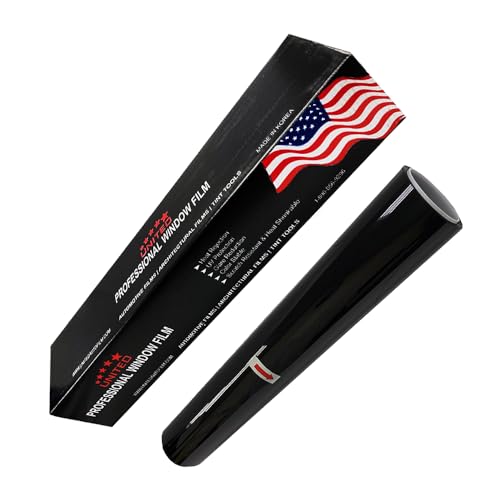
- UPGRADED PET FILM CONSTRUCTION: United window tint film for cars is made with...
- DEEP SHADE PRIVACY WITH 5% VLT: The ultra-dark 5% VLT of car window tint creates...
- 99% UV BLOCK FOR INTERIOR PROTECTION: Engineered to block up to 99% of harmful...
Does purple tint mean the film is failing?
Yes, purple tint is a classic sign of dyed film breaking down. The purple hue appears when the blue dye degrades faster than the red dye, leaving behind an uneven color that looks purple or bronze.
Once you see purple tones, the film has lost most of its UV protection. I recommend planning a replacement soon because the film will start bubbling and peeling within a few months.