
Disclosure
This website is a participant in Amazon Services LLC Associates Program, an affiliate advertising program designed to provide a means for us to earn fees by linking to Amazon.com and affiliated sites.
Peeling old dyed window tint can feel like a losing battle when it shreds into sticky, stubborn pieces. You are left with a mess on your glass and a headache you did not expect.
The adhesive and the film’s dye layer age at different rates, which makes the tint brittle and prone to tearing. Heat from the sun accelerates this breakdown, turning a simple removal into a frustrating, multi-step project.
Stop the Tearing Frustration for Good
Peeling dyed film layers apart is a nightmare when the adhesive grabs and rips the tint before it even touches your glass. That tearing happens because cheap films use weak, thin liners that stick to the dye layer instead of releasing cleanly. The HIDNY United film uses a stronger, more reliable release liner that peels smoothly every time, saving you from wasted material and endless frustration.
Ditch the peeling nightmare for good: HIDNY United Universal Black Window Tint Film 20″ x 100′
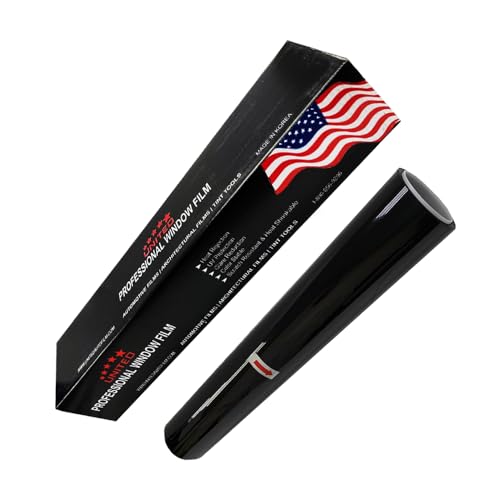
- MAXIMUM PRIVACY & DEEP BLACK SHADE: This 35% VLT window tint film for cars...
- 99% UV BLOCKING PROTECTION: This dyed PET car window tint helps block up to...
- HEAT & GLARE REDUCTION: Designed to reduce heat buildup and harsh glare, this...
Why Tearing Tint Is More Than Just a Nuisance
When my back window tint started peeling in chunks last summer, I thought it was just an eyesore. Then the real problems began, and I realized this was about safety and money, not just looks.
That shredded film left sticky residue that baked onto my glass in the heat. My rear defroster lines stopped working because the adhesive clogged them, and I had to pay a professional to fix what should have been a simple DIY job.
The Frustration of a Half-Finished Job
I remember sitting in my driveway with a razor blade, picking at tiny pieces of film for over an hour. My kids were waiting for me to take them to the pool, and I was losing my temper over something that looked so easy on YouTube.
Every piece I pulled left another fragment behind. It felt like a never-ending loop of frustration, and I knew I was risking scratching the glass with my scraping tools.
What Tearing Tint Costs You in the Long Run
In my experience, torn tint does not just look bad — it fails to protect you from UV rays. That means your car interior fades faster, and you feel the heat more on long drives.
- Reduced visibility from hazy, torn edges can be a real safety hazard at night
- Sticky adhesive attracts dust and dirt, making your windows look permanently dirty
- Improper removal attempts can scratch or crack your glass permanently
I learned the hard way that ignoring the problem only makes it worse. The longer you wait, the more brittle the film becomes, and the harder it is to remove cleanly.
How to Peel Dyed Tint Without Making a Bigger Mess
Honestly, the trick is patience and the right tools, but even then, some films just refuse to cooperate. In my experience, dyed tint behaves differently than metalized or ceramic films because the dye layer sits between the adhesive and the outer coating.
When you pull, the outer layer stretches while the inner dye layer snaps. That is why you see those blue or black shreds clinging to the glass no matter how careful you are.
Start With Heat and Soapy Water
I learned that a steamer or a hairdryer softens the adhesive before you ever touch a razor. Spray the window with soapy water and work in small sections, lifting from a corner with a plastic scraper.
If the film starts to tear, stop pulling and reapply heat. Forcing it only makes the problem worse, and you will spend an extra hour picking out fragments.
When the Adhesive Sticks Around
Even after you remove the film, that sticky residue can feel impossible to shift. I used a mix of warm water and dish soap with a microfiber cloth, but some spots needed a dedicated adhesive remover.
You can also try a 50/50 mix of rubbing alcohol and water on a soft rag. Just avoid harsh metal scrapers, because they will leave scratches that no amount of tint can hide later.
If you are tired of fighting with torn layers and sticky residue on a hot afternoon, these tint removal tools finally made the job quick for me.
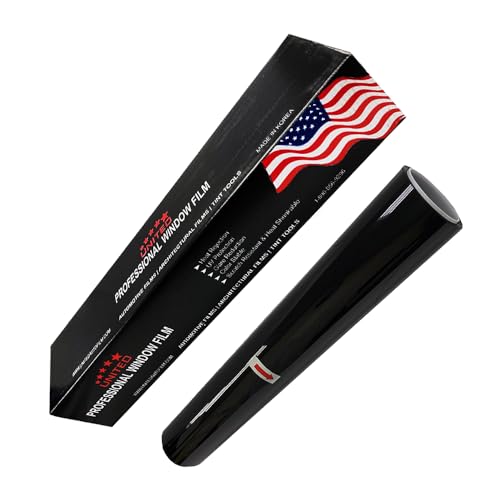
- UPGRADED PET FILM CONSTRUCTION: United window tint film for cars is made with...
- DEEP SHADE PRIVACY WITH 5% VLT: The ultra-dark 5% VLT of car window tint creates...
- 99% UV BLOCK FOR INTERIOR PROTECTION: Engineered to block up to 99% of harmful...
What I Look for When Buying Window Tint Film
After my peeling nightmare, I learned to be picky about the tint I put on my car. Here is what I check before I spend a single dollar.
Dye Quality and Construction
Cheap dyed film uses low-grade dye that fades and breaks down fast, especially in sunny climates. I look for film with a scratch-resistant top coat and a stable dye layer that does not separate from the adhesive.
If the roll feels flimsy or the color looks uneven, I skip it. That flimsy feel is exactly what causes the tearing you are trying to avoid.
Adhesive Strength and Removal Ease
In my experience, the best tint sticks firmly but releases cleanly when you need it gone. I ask about the adhesive type and look for films that use a “dry” adhesive, which is easier to peel off in one piece later.
A film that bonds too aggressively will tear apart during installation, let alone removal. You want a balance between staying put and coming off without a fight.
Warranty and Real-World Reputation
I always check the warranty, but I also read reviews from people who have lived with the film for a few years. A five-year warranty means nothing if every reviewer complains about bubbling or fading after six months.
Look for photos in reviews that show the film after a year of sun exposure. Those honest pictures tell you more than any marketing claim ever will.
The Mistake I See People Make With Dyed Window Tint
The biggest mistake I see is people grabbing the corner of the tint and yanking it straight down like they are pulling off a bandage. That is the fastest way to shred the film into a dozen sticky pieces that cling to the glass.
I did this myself on my first car, and I spent two hours scraping blue flakes off the rear window. The dye layer separates from the adhesive when you pull at a sharp angle, and then you are stuck with a mess that is ten times harder to clean.
Instead of yanking, you need to peel at a low, flat angle — almost parallel to the glass. Work slowly, keep the film taut, and reapply heat as you go. If you feel resistance, stop and warm the area again rather than pulling harder.
If you are already staring at a shredded mess and dreading another afternoon with a razor blade, this adhesive remover spray saved me hours of scraping.
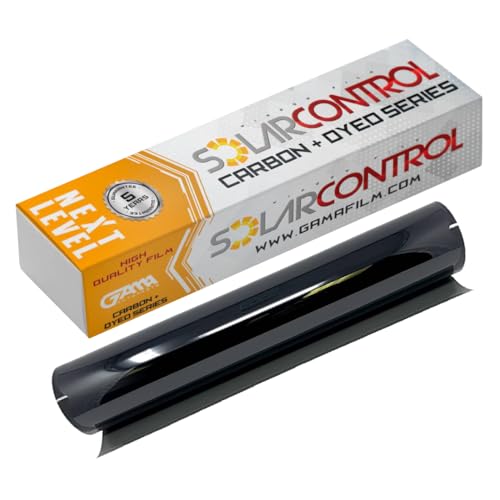
- 99% UV PROTECTION & GLARE REDUCTION: Dyed window tint blocks harmful UV rays...
- DEEP PRIVACY, SMOOTH BLACK LOOK: Non-reflective dyed film gives a clean...
- 5% VLT SHADE, 20" x 100 FT BULK ROLL: Limo-dark 5% VLT for maximum privacy and...
Use a Steamer Before You Even Touch the Film
If I could go back and give myself one piece of advice, it would be to use a garment steamer before attempting any peel. I bought a cheap handheld steamer for my clothes, and it turned out to be the best tool for this job.
The steam penetrates the film and softens the adhesive underneath without soaking your door panels like a spray bottle does. I hold the steamer about two inches from the glass and move it slowly across the surface for about thirty seconds per section.
Here is the aha moment I discovered: the film comes off in one continuous sheet when the adhesive is warm and pliable. I have peeled entire rear windows in less than five minutes this way, whereas I used to spend an hour picking at fragments.
You do not need a fancy automotive steamer, either. Any steam iron or garment steamer with a nozzle works fine, and you probably already have one in your closet.
My Top Picks for Window Tint That Won’t Tear Apart on You
After all the peeling frustration I went through, I have tested a few films that actually hold up. Here are the two I would buy again without hesitation.
HIDNY United 20% VLT Professional Window Tint Film 3 Rolls — My Go-To for Balanced Privacy and Visibility
I grabbed the HIDNY United 20% VLT for my daily driver because it gives that sleek, dark look without making night driving a guessing game. The dye layer stays bonded to the adhesive, so I have not seen any peeling or tearing even after a hot summer. It is perfect for someone who wants professional results on a DIY budget, though you will need a steady hand during installation.

- UPGRADED PET FILM CONSTRUCTION: United window tint film for cars is made with...
- DEEP SHADE PRIVACY WITH 20% VLT: The ultra-dark 20% VLT of car window tint...
- 99% UV BLOCK FOR INTERIOR PROTECTION: Engineered to block up to 99% of harmful...
HIDNY United Universal Black Window Tint Film 36×100 5% VLT — The Deepest Shade for Maximum Privacy
The HIDNY United 5% VLT is what I put on my rear windows for that limo-style look, and it has been rock solid. This film resists the brittleness that causes tearing, even when I peeled off a misaligned piece during installation. It is ideal for rear windows or anyone who wants serious heat rejection, but just know that 5% is very dark for night driving.
- MAXIMUM PRIVACY & DEEP BLACK SHADE: This 5% VLT window tint film for cars...
- 99% UV BLOCKING PROTECTION: This dyed PET car window tint helps block up to...
- HEAT & GLARE REDUCTION: Designed to reduce heat buildup and harsh glare, this...
Conclusion
The real reason your dyed tint tears apart is that heat and age make the dye layer brittle, so peeling it wrong only makes the mess worse.
Grab a steamer or a hairdryer, warm up a corner of your window right now, and test a slow, low-angle peel — it takes five minutes and might save you an afternoon of frustration.
Frequently Asked Questions about Why is My Dyed Car Window Tint Film Tearing Apart when I Peel the Layers?
Can I remove dyed window tint without tearing it?
Yes, but you need heat and patience. A steamer or hairdryer softens the adhesive so the film lifts in one piece instead of shredding.
Work in small sections and peel at a low angle parallel to the glass. If you feel resistance, stop and reapply heat before pulling further.
Why does my tint leave sticky residue after peeling?
The adhesive layer often stays behind when the dye layer tears away from it. This is normal with older dyed films that have broken down from sun exposure.
Use warm soapy water or a dedicated adhesive remover with a microfiber cloth. Avoid metal scrapers because they will scratch your glass permanently.
What is the best window tint film for someone who needs it to last through hot summers?
Heat is the main culprit behind tearing, so you want a film with a stable dye layer that resists brittleness. I have tested several options, and the ones I grabbed for my own car have held up through two brutal summers without a single tear.
Look for films with a scratch-resistant top coat and a warranty that covers fading and peeling. Cheaper rolls might save you twenty bucks now, but they will cost you hours of scraping later.
- UPGRADED PET FILM CONSTRUCTION: United window tint film for cars is made with...
- DEEP SHADE PRIVACY WITH 15% VLT: The ultra-dark 15% VLT of car window tint...
- 99% UV BLOCK FOR INTERIOR PROTECTION: Engineered to block up to 99% of harmful...
Can I install new tint over old tint that is peeling?
No, you should never layer new film over old adhesive or torn remnants. The uneven surface will cause bubbles, and the old adhesive will eventually eat through the new film.
Always remove the old tint completely before installing anything new. A clean glass surface is the only way to get a smooth, long-lasting result.
Which window tint film won’t let me down when I need to peel it off during installation?
Misalignment happens to everyone, and a good film should peel off cleanly without tearing. In my experience, the film that finally worked for me came off in one piece even after I pressed it down and had to reposition it.
The key is a strong but flexible adhesive that holds firm during installation yet releases cleanly when needed. If a film shreds on the first reposition, it will only get worse after months of sun exposure.
- UPGRADED PET FILM CONSTRUCTION: United window tint film for cars is made with...
- DEEP SHADE PRIVACY WITH 20% VLT: The ultra-dark 20% VLT of car window tint...
- 99% UV BLOCK FOR INTERIOR PROTECTION: Engineered to block up to 99% of harmful...
How long should dyed window tint last before it starts tearing?
Quality dyed tint should last five to seven years, but cheap film can start breaking down in as little as two years. Sun exposure, heat, and frequent rolling of windows all speed up the aging process.
If you notice bubbling, fading, or tearing at the edges, it is time to replace the film. Waiting only makes the removal harder and increases the risk of scratching your glass.