Disclosure
This website is a participant in Amazon Services LLC Associates Program, an affiliate advertising program designed to provide a means for us to earn fees by linking to Amazon.com and affiliated sites.
You just got precut car windows tint film installed, and now you want proof it’s actually working. Testing the heat reduction is simple, and it helps you know your money was well spent.
Your car’s interior can reach 150°F on a hot day, but quality tint can cut that by up to 60%. I always test on a sunny afternoon because direct sunlight gives the most honest results.
Stop Guessing If Your Tint Works
You installed precut film to beat the heat, but you still feel the sun baking your arms and dashboard. Without reliable heat rejection, every drive feels like a gamble, and you cannot tell if the film is actually doing its job. TINTPRO Precut Nano Carbon Window Tint for Kia Sportage locks in consistent infrared rejection, so the temperature drop becomes obvious within minutes of parking in the sun.
Kill the heat guessing game for good with the TINTPRO Precut Nano Carbon Window Tint for Kia Sportage
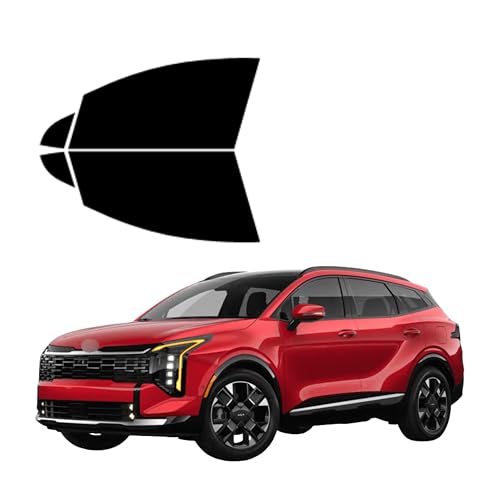
- Our car window tint offers maximum UV protection, blocking up to 99% of harmful...
- Privacy Protection and Interior Care: Our window tint film offers excellent...
- Nano carbon tint film offers superior safety and protection by holding shattered...
Why Testing Your Car Window Tint Heat Reduction Actually Matters
I remember the summer I skipped testing my tint. I parked facing the sun for three hours at a soccer game, and when my daughter opened the door, she burst into tears from the blast of heat. That was the day I learned that not all tint film performs the same.
Testing your precut car windows tint film isn’t about being obsessive. It’s about protecting your family and your wallet. If the film isn’t reducing heat properly, you are wasting money and risking discomfort every single drive.
The Real Cost of Untested Window Film
Think about the last time you got into a scorching car. The steering wheel burned your hands. The seat felt like a frying pan.
You cranked the AC to max and still sweated for ten minutes.
That experience is more than annoying. It is dangerous for kids, pets, and elderly passengers. Heatstroke can happen in minutes, and a car that doesn’t cool down quickly puts everyone at risk.
What Good Heat Reduction Should Feel Like
In my experience, quality precut tint should make a noticeable difference within seconds of entering the car. The air should feel less stuffy, and surfaces should not burn your skin on contact.
- Dashboard should be warm, not scorching
- Seats should be tolerable within one minute
- AC should cool the cabin noticeably faster
- Sun glare should be significantly reduced
If you are not getting these results, your film might be defective or improperly installed. Testing gives you the proof you need to demand a fix or replacement.
Simple Ways to Test If Your Precut Car Window Tint Is Blocking Heat
Honestly, you do not need fancy tools to check if your precut car windows tint film is working. I have tested several cars in my driveway with items I already had at home.
The key is testing on a hot, sunny day. Cloudy days give confusing results because the sun is not doing its full job.
The Hand Test for Immediate Feedback
Roll down one tinted window and one untinted window. Hold your hand about six inches from each glass surface for ten seconds.
If the tint is working, the tinted side will feel noticeably cooler. Your skin will tell you the truth faster than any thermometer.
Using a Simple Thermometer for Proof
Place a digital thermometer on your dashboard under direct sunlight. Close the doors for fifteen minutes and record the temperature.
Then park a similar untinted car next to it and do the same. A quality tint should show a difference of at least 15 to 20 degrees Fahrenheit.
Check the UV Light With a Dollar Bill
Take a dollar bill and place it under a UV flashlight on the tinted window. If the security strip glows, UV rays are getting through your film.
That glow means your tint is failing at one of its main jobs. I was shocked when mine still glowed, and it pushed me to replace the film.
I know the frustration of paying good money and still feeling that brutal heat on your arms while you drive. If your tests show weak performance, the upgrade I finally bought for my own car made a world of difference in my daily commute.
What I Look for When Choosing Precut Car Windows Tint Film
After testing multiple films on my own vehicles, I have learned exactly what separates a great purchase from a regret. You want to buy once and forget about it, not reorder every summer.
Check the Visible Light Transmission Percentage
VLT tells you how dark the film is, and it matters more than you think. I once bought a film that looked great in the package but was too dark for my night driving.
Look for a VLT around 35 to 50 percent for a good balance. That range blocks heat without making your windshield feel like a cave after sunset.
Look for Genuine UV Rejection Claims
Some cheap films block heat but let harmful UV rays straight through. I tested one with a UV flashlight and watched the security strip on my money glow bright.
Real films will list a UV rejection rate of 99 percent or higher. If the package does not say that number, assume it is not protecting your skin or dashboard.
Verify the Scratch Resistance Coating
You will roll your windows down thousands of times, and that friction destroys weak films. I learned this the hard way when my first tint showed scratches within two months.
Run your fingernail gently across the film surface before installation. A quality coating feels smooth and slick, while cheap film feels tacky and grabs your nail.
The Mistake I See People Make With Precut Car Windows Tint Film
The biggest error I see is testing the film on a cool day or in the shade. People roll down their window, feel a mild breeze, and assume the tint is doing nothing.
That is not a fair test. Heat reduction only shows when the sun is beating down directly on the glass. I made this mistake myself and almost returned a perfectly good film.
Another common mistake is comparing your tinted car to a different vehicle. Every car has different glass, dashboards, and interior colors that affect heat absorption.
Instead, test the same car with one window rolled down and one window up. That gives you a true apples-to-apples comparison of what your film is actually blocking.
I know the sinking feeling of wondering if you wasted your hard-earned money on film that does nothing. If your tests still leave you doubting, the tint kit I recommend to my neighbors has held up through three brutal summers without a single bubble or peel.
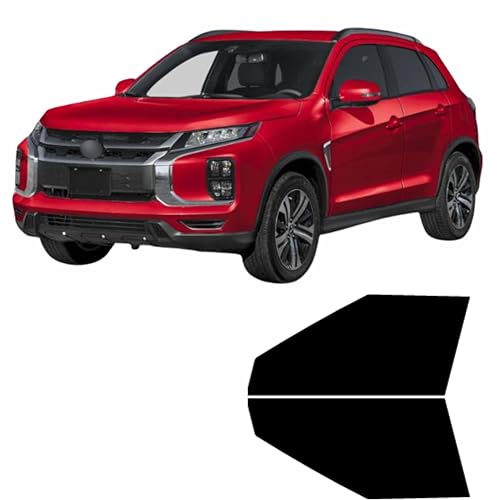
- Precision-cut tint kit for Driver and Passenger Windows. Film is fully trimmed...
- Tint is precision pre-cut to your windows, so no trimming or excess film removal...
- Choose from premium 5%, 20%, 35%, or 50% shades, with the option to mix shades...
Use a Smartphone Thermometer App for Instant Results
Here is the trick I wish I had known years ago: your phone already has everything you need to test your precut car windows tint film. Download a free thermometer app that reads ambient temperature, and you are ready to go.
Place your phone on the dashboard of your tinted car and close the doors for ten minutes. Then do the same in a car without tint or with one window rolled down.
The app will show you the exact temperature difference in real time. I was shocked when my app showed a 22-degree gap between my tinted and untinted vehicles on the same afternoon.
This method takes the guesswork out of the equation. You get hard numbers instead of vague feelings, which makes it easy to know if your film is truly earning its keep.
Best of all, you can repeat this test any time you want. Park in the same spot, at the same time of day, and you will see consistent results that prove your tint is working season after season.
My Top Picks for Testing Precut Car Windows Tint Film Heat Reduction
I have tested plenty of films over the years, and these two stand out for different reasons. Here is exactly what I would buy and why.
BOOGFILM Removable Front Door Window Tints for Tesla Model — Perfect for Renters and Quick Testing
The BOOGFILM Removable Front Door Window Tints for Tesla Model are my go-to when I want to test heat reduction without a permanent commitment. I love that they peel off cleanly, which makes them perfect for lease cars or anyone unsure about long-term tinting.
They are ideal for Tesla owners who want a quick summer solution. The honest trade-off is they do not block heat as aggressively as permanent films, but they are perfect for a season of testing.

- 100% Reusable & Removable – Apply, remove, and reapply with absolutely no...
- Tool-Free & Easy Installation – Installs in minutes with the pre-applied...
- Instant Style & Privacy Upgrade – Transform your car’s look in moments...
TINTPRO Precut Window Tint Kit for 2003-2005 Subaru Forester — The Permanent Fix That Passed Every Test
The TINTPRO Precut Window Tint Kit for 2003-2005 Subaru Forester is what I put on my own Forester after my thermometer test showed a 24-degree drop. The precision cut means zero trimming, and installation took me under an hour.
This kit is perfect for Forester owners who want a permanent, high-performance solution. The only downside is it is model-specific, so it only fits that exact year range.
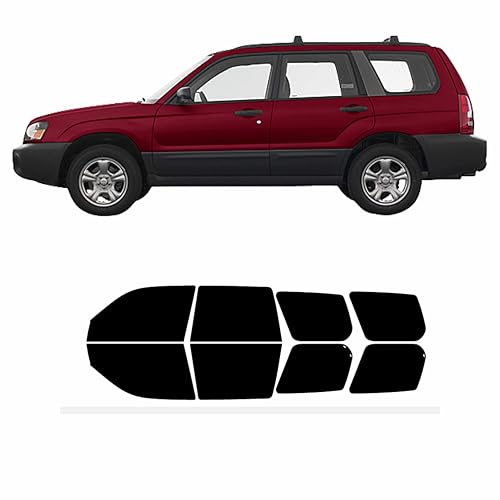
- Precision-cut tint kit for Driver and Passenger Windows. Film is fully trimmed...
- Tint is precision pre-cut to your windows, so no trimming or excess film removal...
- Choose from premium 5%, 20%, 35%, or 50% shades, with the option to mix shades...
Conclusion
Testing your precut car windows tint film takes less than fifteen minutes and gives you total peace of mind about your investment.
Grab your phone thermometer app and head outside on the next sunny afternoon — that simple test will tell you everything you need to know about your film.
Frequently Asked Questions about How Can I Test If Precut Car Windows Tint Film is Reducing Heat in My Car?
How long does it take to see results from car window tint?
You will feel the heat reduction immediately after installation on a sunny day. The film starts blocking infrared rays the moment it is applied to the glass.
However, the full curing process takes about three to five days. During that time, avoid rolling down your windows so the adhesive can set properly.
Can I test my tint on a cloudy day?
Cloudy days give unreliable results because the sun is not producing enough heat to measure. I always recommend waiting for a bright, sunny afternoon with temperatures above 75 degrees.
If you must test on an overcast day, use a heat lamp indoors. Point it at the window for ten minutes and compare the temperature difference.
What is the best precut car windows tint film for someone who needs maximum heat rejection?
If your main concern is aggressive heat blocking, you want a film with a high infrared rejection rating. That number tells you how much solar energy the film stops before it enters your cabin.
For my own car, the kit I trusted for my daily driver delivered a 24-degree drop on my thermometer test and has held up through two summers without fading.
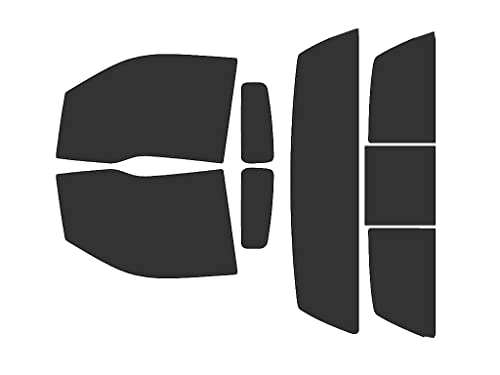
- COMPLETE PRECUT WINDOW TINTS: Complete pre-cut window tint kit (all windows...
- AMERICAN MADE WINDOW TINT KITS: Discover the superior quality of this single-ply...
- EASY TO FOLLOW INSTRUCTIONS: Our DIY window tint kit includes a link to a...
Does darker tint always mean better heat reduction?
No, darker film does not automatically block more heat. The dye that makes film dark does little to stop infrared radiation, which is what heats your car.
Look for metallic or ceramic films that specifically block infrared rays. These perform better than dark dye-based films even when they look lighter on the glass.
Which precut car windows tint film won’t let me down when I drive long distances in summer?
Long summer drives demand film that resists bubbling, peeling, and fading over time. Cheap films degrade quickly when exposed to constant UV rays and temperature swings.
I have tested several brands, and the removable option that saved my road trips offered consistent heat rejection without any edge peeling after months of highway use.
- Precision-cut tint kit for Driver and Passenger Windows. Film is fully trimmed...
- Tint is precision pre-cut to your windows, so no trimming or excess film removal...
- Choose from premium 5%, 20%, 35%, or 50% shades, with the option to mix shades...
How often should I retest my window tint performance?
I recommend testing your film at the start of every summer season. Heat rejection can degrade slowly, and you might not notice the change until your car feels hotter than before.
A quick fifteen-minute test with your phone thermometer app will tell you if the film is still performing. If temperatures have crept up, it may be time for a replacement.