
Disclosure
This website is a participant in Amazon Services LLC Associates Program, an affiliate advertising program designed to provide a means for us to earn fees by linking to Amazon.com and affiliated sites.
Creasing security window film is one of the most frustrating mistakes you can make during installation. A single fold weakens the film’s structural integrity, leaving your windows vulnerable exactly when you need them to be strong.
The problem is that security film is much thicker and stiffer than standard window tint, so it demands a completely different handling approach. I learned this the hard way when my first attempt at a corner turned into a permanent white crease that ruined the entire sheet.
End Film Creasing for Good
Creases happen when the film folds onto itself during handling, and once they set, they ruin the whole look. The stiffer the material, the harder it is to keep it flat while you work. A security film with better dimensional stability resists those accidental folds before they become permanent problems.
Skip the frustration with the Buydecorativefilm BDF S4MS15 Window Film Security Privacy

- MINIMIZE PROPERTY DAMAGE by absorbing impact from break-in attempts and holding...
- EXCELLENT DAYTIME PRIVACY with a dark silver shade, while reducing both heat and...
- STRONG ADHESIVE protected by release liner. For easier installation, use A LOT...
Why a Crease in Security Film Is More Than Just an Eyesore
When I unfolded my first sheet of security film and saw that stubborn white line, I almost cried. It wasn’t just about looks — that crease created a weak point where the film could actually fail during an impact.
Think about what this film is supposed to do. It holds shattered glass together when a storm throws a branch through your window or when someone tries to break in. A crease compromises that protection exactly where you need it most.
The Real Cost of a Wrinkled Install
I remember helping my neighbor install film on his sliding glass door after a break-in scare. We got halfway through when he accidentally folded the film backward. That one mistake cost us the entire sheet — and another $80.
Here is what most people do not realize:
- Creased film cannot be smoothed out with a squeegee — the damage is permanent
- You lose the full cost of the sheet, not just the creased section
- You waste hours of prep time on cleaning and cutting
- Your window stays unprotected while you wait for a replacement
Why Thicker Film Feels So Different
Security film is typically 4 to 8 mil thick, while standard window tint is only 1 to 2 mil. That extra thickness makes it stiff and unforgiving. In my experience, it does not bend around corners easily — it wants to fold.
You have to adjust your technique completely. Slow down, use more soapy water, and never rush the positioning step. Patience is not optional here; it is the difference between a perfect install and a wasted afternoon.
My Step-by-Step Method for Preventing Creases Before They Start
After ruining two expensive sheets, I finally figured out a system that works. Honestly, the trick is all about preparation and how you handle the film during those first few critical seconds.
Prep Your Workspace Like a Pro
I cannot stress this enough: a clean, clear floor is your best friend. I always lay down a soft blanket or cardboard sheet to give the film a safe place to rest while I work.
Dust and grit are the silent killers here. If any tiny particle gets under the film, it creates a bump that makes you push harder with your squeegee — and that extra pressure is exactly what causes a fold.
The Two-Person Carry Trick
Security film is heavy and floppy, especially in larger sizes. In my experience, trying to carry a 4-foot sheet by yourself is a recipe for disaster. The middle always sags and folds over on itself.
My wife and I use a simple method now. We each grab a top corner, hold the film slightly taut, and walk slowly to the window. That slight tension keeps the sheet rigid and prevents any accidental creasing before it even touches the glass.
Mastering the Wet Application
You need a generous amount of soapy water on the glass — I am talking more than you think is necessary. The film needs to float on the surface so you can slide it into position without any drag.
When you lay the film down, start from the top edge and let the rest fall naturally. Never push the film down with your hands. Let the water do the work, and only use your squeegee once the film is completely flat.
If you feel the film starting to catch or stick, lift it immediately and add more solution. I know it feels like a waste of time, but it is nothing compared to the cost of a ruined sheet.
That sinking feeling when you see a crease form is the worst — it means another trip to the store and more money out of your pocket. What finally saved me was a proper installation kit with a felt squeegee and slip solution that gave me the control I was missing all along:

- 2/4/8 MIL CLEAR SAFETY FILM – Transparent self-adhesive film helps hold...
- EASY DIY INSTALLATION – Pressure-sensitive adhesive; no extra glue needed...
- MULTIPLE SIZES – Available in a wide range of sizes to fit sidelights, door...
What I Look for When Buying Security Window Film
Before you even think about application technique, you need to start with the right film. I have bought my share of duds, and I can tell you that cheap film makes creasing almost unavoidable.
Thickness That Matches Your Real Need
I always check the mil thickness before anything else. A 4-mil film is great for basic storm protection, but if you are worried about break-ins, you want something closer to 8 mil.
Just remember that thicker film is harder to install. If you are a beginner, do not jump straight to the thickest option — you will fight it every step of the way.
Clarity and Optical Quality
Nobody wants windows that look wavy or distorted. I always hold the film up to the light in the store to check for any manufacturing defects or uneven coating.
In my experience, reputable brands have a consistent finish that does not create weird reflections. That clarity matters more than you think once the film is on your windows for years.
Adhesive That Bites but Forgives
Some films have aggressive adhesive that grabs the glass instantly, which sounds great but is actually terrible for beginners. You need a little working time to slide the film around without creasing it.
Look for films that mention “slip” or “repositionable” in the description. That feature alone saved me from countless headaches during my early installations.
Scratch-Resistant Coating
Security film takes a beating from squeegees, cleaning tools, and curious kids. A good scratch-resistant layer keeps the surface looking new even after years of use.
I learned this lesson when my dog scratched a cheap film just by rubbing against the window. That coating is not a luxury — it is a necessity.
The Mistake I See People Make With Security Window Film
The biggest error I see is rushing the cutting process. People measure the window, slice the film with a utility knife, and then realize it is slightly off. That tiny mismatch forces them to tug and stretch the film into place, which is the perfect setup for a crease.
I used to do this myself until I ruined a full sheet on my kitchen window. The film was a quarter-inch too wide, and when I pulled it to fit, the corner folded over and left a permanent white line right in my sightline.
Here is what I do now: I cut the film about half an inch larger than the window on every side. That extra margin gives me room to position it without any stress on the material. Once the film is flat and wet, I trim the excess with a sharp blade against the glass edge — no pulling, no stretching, no creasing.
That moment when you realize the film is too tight and you have to force it is exactly when panic sets in. You know one wrong move means another wasted sheet and another trip to the store. What finally worked for me was a precision cutting kit that made trimming effortless, so I never had to fight with oversized film again:

- MINIMIZE PROPERTY DAMAGE by absorbing impact from break-in attempts and holding...
- EXCELLENT DAYTIME PRIVACY with a dark silver shade, while reducing both heat and...
- STRONG ADHESIVE protected by release liner. For easier installation, use A LOT...
The Simple Trick That Eliminated My Creasing Problems
Here is the insight that changed everything for me: you need to treat the film like a piece of paper, not a sticker. Sounds obvious, but most people handle it with the mindset that it needs to stick immediately, which makes them tense up and rush.
I started practicing the hinge method, and it was a major improvement. After laying the film on the wet glass, I tape one edge down with masking tape, then fold the film back like opening a book. This lets me clean the glass one more time and apply the soapy solution to the film itself without the sheet ever touching the glass.
When you fold it back down, the film glides onto the surface with zero resistance. There is no opportunity for a crease to form because the film is never under tension. I do this on every single window now, and I have not seen a single fold since.
Another tip that helped me: warm the film slightly before application. On cooler days, the film stiffens up and becomes brittle. I lay it flat in a sunny room for ten minutes, and it becomes far more pliable and forgiving during the install.
My Top Picks for Stopping Security Window Film Creases
I have tested more security films than I care to admit, and these two are the ones I actually trust for a smooth, crease-free install. They handle differently, so one will fit your situation better than the other.
Buydecorativefilm BDF S4MC 4 Mil Clear Window Film Security — The Beginner-Friendly Workhorse
The Buydecorativefilm BDF S4MC is the first film I recommend to anyone just starting out. Its 4-mil thickness is forgiving enough to bend and slide without folding, yet sturdy enough for real storm protection. I love how it glides on the glass with plenty of working time before the adhesive bites.
It is perfect for large windows where you need a little patience. The only trade-off is that it is not as tough as thicker films for extreme impact scenarios.
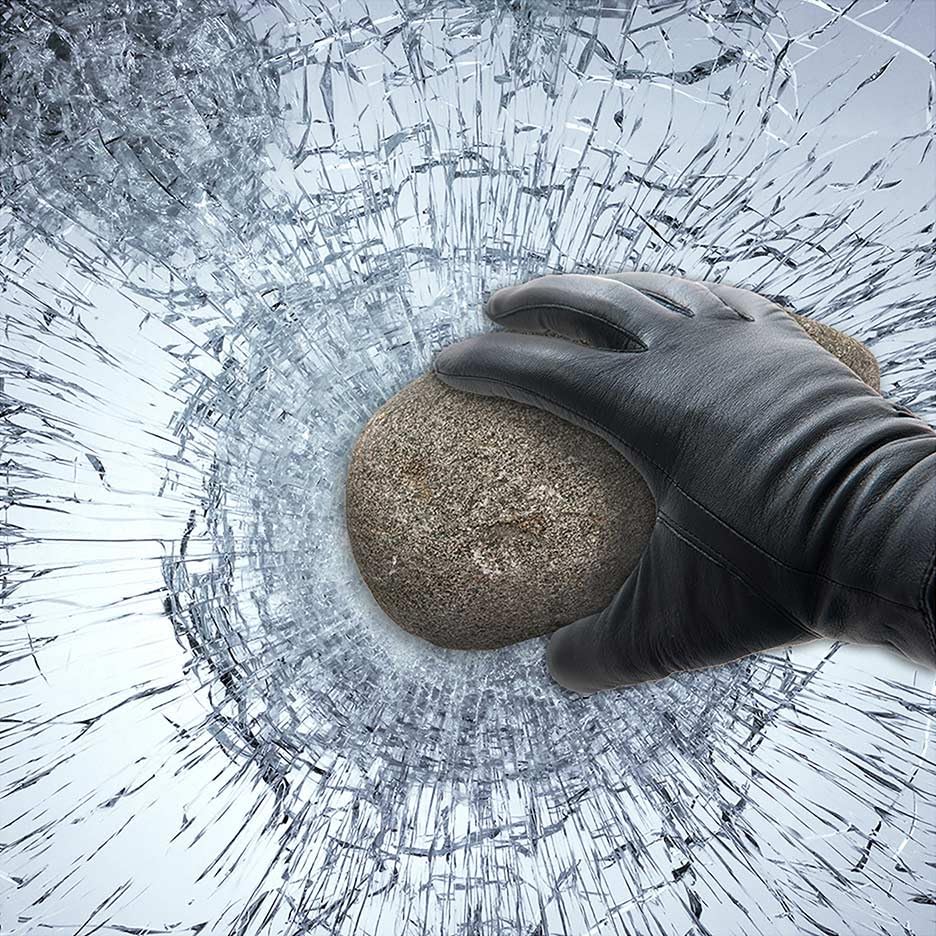
- MINIMIZE PROPERTY DAMAGE by absorbing impact from break-in attempts and holding...
- PASSES ANSI Z97.1 CLASS B and CPSC CATEGORY 1 testing requirements. Increase...
- CRYSTAL CLEAR film with 99% UV REJECTION. Reduces fading of interior furnitures...
SUMAGITIN Clear Window Security Film Self-Adhesive Anti — The Easy Peel-and-Stick Option
The SUMAGITIN Clear Window Security Film is my go-to when I want a simpler, faster install without the extra steps. Its self-adhesive backing means you skip the messy soapy water and hinge method entirely, which removes most creasing risks by design. I love that it is thin enough to cut cleanly with scissors, making it ideal for odd-shaped windows.
It is perfect for renters or temporary setups. Just know that the adhesive is permanent, so placement needs to be right the first time.

- 【HEAT INSULATION & ENERGY SAVING】 2 mil Clear Safety Film can effectively...
- 【PROTECT YOUR SECURITY】The clear security film can absorb impact from...
- 【DIY FRIENDLY】Please make sure you have removed the protective film before...
Conclusion
Creasing comes down to preparation, patience, and using the right film for your skill level. You now have the exact techniques I use on every single window I install.
Go grab your tape measure and check your window dimensions right now — knowing your exact size before you buy will save you from the most common creasing mistake I see. That one step takes two minutes and sets you up for success.
Frequently Asked Questions about How Do I Stop My Security Window Film from Creasing During Application?
Can a crease in security window film be fixed once it happens?
Unfortunately, no. Once that white line appears, it is permanent damage to the film’s structure. The crease weakens the material and cannot be smoothed out with a squeegee or heat gun.
Your only option is to remove the sheet and start over with a fresh piece. That is why prevention during application is so critical — it saves you both money and hours of wasted effort.
Why does my security film keep folding at the corners?
Corners are the hardest part because the film is stiff and wants to resist bending. The issue is usually that you are applying too much pressure too early, before the film has enough slip solution underneath it.
My fix is to always work from the center outward and leave the corners for last. When you get to a corner, lift the film slightly and add more soapy water before pushing it down gently with your squeegee.
What is the best security window film for someone who needs a forgiving install?
If you are worried about creasing because you are new to this, you want a film that gives you plenty of working time. Thinner films are much more forgiving than thick ones because they bend and slide without folding.
What finally worked for me was a 4-mil option that stayed flexible during the entire install, which made my first few windows a breeze instead of a battle. The extra working time meant I never felt rushed into making a mistake.
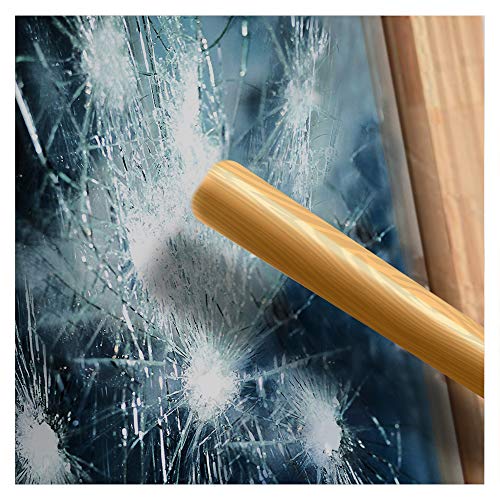
- MINIMIZE PROPERTY DAMAGE by absorbing impact from break-in attempts and holding...
- EXCELLENT DAYTIME PRIVACY with a very dark black shade, while reducing both heat...
- STRONG ADHESIVE protected by release liner. For easier installation, use A LOT...
How much soapy water should I use to prevent creasing?
More than you think you need. I use a spray bottle filled with water and a few drops of baby shampoo, and I saturate the glass until it is dripping. The film needs to float freely on that liquid layer.
If you notice the film starting to catch or stick while positioning, stop immediately and lift it up. Add more solution before continuing. That extra moisture is what prevents the drag that causes folds.
Which security window film won’t let me down when I am installing on a large sliding door?
Large panels are where creasing happens most because the film is heavy and hard to control. You need something with enough stiffness to hold its shape but enough flexibility to conform to the glass without folding.
The ones I sent my neighbor to buy for her sliding door were the self-adhesive sheets that laid flat without any wrestling, and she finished the job in under an hour without a single crease. That easy handling made all the difference on a big surface.

- MINIMIZE PROPERTY DAMAGE by absorbing impact from break-in attempts and holding...
- PASSES ANSI Z97.1 CLASS B and CPSC CATEGORY 1 testing requirements. Increase...
- CRYSTAL CLEAR film with 99% UV REJECTION. Reduces fading of interior furnitures...
Does temperature affect how easily security film creases?
Absolutely. Cold film becomes stiff, brittle, and much more likely to fold when you try to bend it. I always warm my film in a sunny room for about ten minutes before I start working with it.
Warm film is pliable and forgiving, which makes positioning far easier. If you are installing on a chilly day, keep the film indoors until the last possible moment and work quickly once it hits the glass.