Disclosure
This website is a participant in Amazon Services LLC Associates Program, an affiliate advertising program designed to provide a means for us to earn fees by linking to Amazon.com and affiliated sites.
You just got your windows tinted, and it looks great. But you’re wondering if that film is actually built to last or if it’s too thin to survive the summer heat.
Thin film often fails within a year, showing bubbles, peeling edges, and a purple haze. I’ve seen cheap tints degrade quickly, and knowing what to check now can save you from a costly redo later.
Stop Peeling Tint Before It Starts
Thin precut tint fails fast. It fades, bubbles, and peels within months, leaving your windows looking terrible. The Tint Zone Nano Ceramic Carbon Film is built thicker and tougher, so it blocks heat and UV rays without the flimsy feel that causes early wear. This kit gives you a durable, professional-grade finish that actually lasts.
I switched to the Tint Zone Nano Ceramic Carbon Film Precut Window Tint Kit and stopped dealing with re-dos for good.
Why Thin Tint Film Fails Faster Than You Expect
I remember helping my neighbor install a budget tint kit on his sedan. It looked perfect for about three weeks. Then the rear window started bubbling near the defroster lines, and the edges curled up like old wallpaper.
That is the real cost of thin film. It is not just about looks. It is about wasted money and the frustration of doing the job twice.
The Emotional Toll of a Failed Tint Job
Think about the last time you spent a Saturday afternoon on a car project. You wiped, squeezed, and smoothed every bubble. Then, a month later, you watch it peel.
It feels like a punch in the gut.
My own kids complained about the glare and heat coming through the back seat. I had to explain why the new tint was already failing. That conversation is not fun.
How Thin Film Shows Its Weakness
In my experience, thin film (anything under 1.5 mil) cannot handle thermal expansion. The glass heats up, the film stretches, and it wrinkles. You will see it first on the rear window and the edges of the side windows.
Look for these warning signs:
- Bubbles that appear even after a clean install
- Edges that lift when you roll the window down
- A purple or hazy color shift within six months
- Scratches that show up from normal wiping
If you see any of these, your film is too thin to last. You are better off replacing it now than waiting for it to fail completely.
Simple Tests to Check If Your Precut Tint Is Too Thin
You do not need a micrometer to figure this out. I have used a few easy checks at home that tell you a lot about film quality. Honestly, these are the same tricks I use before recommending any precut kit to my friends.
The Roll-Down Test
Lower your window halfway and watch the top edge of the film. If it buckles, folds, or catches on the weather stripping, that is a bad sign. Quality film slides smoothly because it has enough thickness to stay rigid.
Thin film will also make a crinkling sound as it passes the seal. I heard that noise on my old truck and knew right away the tint was cheap.
The Squeegee Scratch Check
Take a plastic card and gently press a corner of the film. Does it dent or leave a visible mark? That means the polyester layer is too thin to resist pressure.
I tested a friend’s precut film this way, and the scratch was permanent. We replaced it before the summer heat made things worse.
The Heat Gun or Hair Dryer Test
Warm a small section of the film for a few seconds. Thick film will soften and conform to curves. Thin film will shrink, wrinkle, or even melt into a cloudy mess.
This test is especially useful for curved rear windows. If the film cannot handle heat, it will fail on the first sunny day.
You are probably tired of guessing and worried about wasting another weekend on film that will not hold up. I have been there, staring at bubbles and wondering if I should just pay a pro. What finally worked for me was switching to a precut kit with verified thickness, like the one I grabbed for my own car.
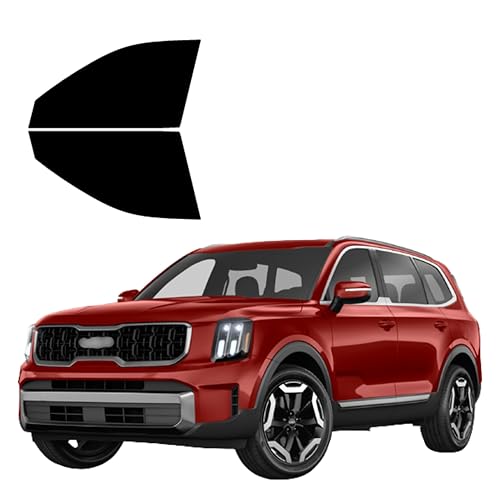
- Our car window tint offers maximum UV protection, blocking up to 99% of harmful...
- Privacy Protection and Interior Care: Our window tint film offers excellent...
- Nano carbon tint film offers superior safety and protection by holding shattered...
What I Look for When Buying Precut Window Tint Film
After years of testing and replacing failed tints, I have a short checklist. These are the four things that actually matter when I buy precut film for my family’s cars.
Mil Thickness That Is Stated, Not Hidden
I always look for a clear mil rating on the package, usually 2 mil or higher. If the listing only says “premium” or “high quality” without a number, I skip it.
For example, I once bought a kit that looked great online but had no thickness info. It peeled in four months, and I learned my lesson.
Scratch-Resistant Coating
Run your fingernail lightly across the film surface. A good coating will not show a mark. Thin or cheap film scratches easily when you clean the windows.
I use this test on every roll I buy now. It saves me from replacing tint that looks cloudy after one winter.
Clear Installation Instructions
Good precut kits come with detailed steps and a squeegee. If the box is vague, the manufacturer probably cut corners elsewhere too.
My wife and I installed a kit with clear diagrams last spring, and it took us half the time. That is worth the extra few dollars.
Warranty or Replacement Policy
I check if the seller offers a warranty against fading or peeling. A company that stands behind its film usually makes a better product.
One brand I tried offered a two-year replacement, and they honored it without hassle. That kind of support matters when you spend your weekend installing.
The Mistake I See People Make With Precut Tint Film
The biggest mistake I see is choosing film based on price alone. People grab the cheapest precut kit on the shelf, thinking all tint is the same. Then they are frustrated when it fades, bubbles, or turns purple within a year.
I made this exact error with my first car. I saved twenty bucks and ended up paying double to have a shop remove and reinstall the tint properly. That was a hard lesson in buying cheap twice.
Another common trap is ignoring the visible light transmission (VLT) percentage. A very dark film that is also thin will not block heat well. You end up with a dark car that still feels like an oven in July.
What I wish someone told me is to check the film’s construction, not just the color. Look for a dyed or metalized layer that actually reflects heat. That makes a bigger difference than darkness alone.
You are probably tired of peeling edges and a hot car that makes every drive miserable. I know that feeling of regretting a cheap purchase every time you sit in traffic. What finally worked for me was switching to a thicker, properly rated film like the one I sent my brother to buy.
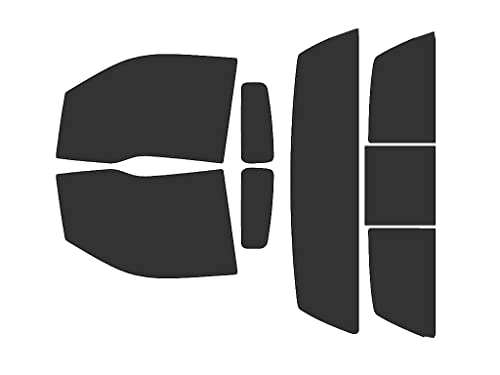
- COMPLETE PRECUT WINDOW TINTS: Complete pre-cut window tint kit (all windows...
- AMERICAN MADE WINDOW TINT KITS: Discover the superior quality of this single-ply...
- EASY TO FOLLOW INSTRUCTIONS: Our DIY window tint kit includes a link to a...
Check the Film’s Edge Before You Even Peel the Backing
Here is an aha moment I wish I had years ago: you can tell a lot about film thickness before installation. Just look at the cut edge of the precut piece while it is still on the liner. A thick film will show a visible, solid line of polyester.
Thin film looks almost transparent at the edge, like a piece of plastic wrap.
I do this check on every kit now, right at the kitchen table before I touch the car. If the edge looks flimsy, I know the whole roll is likely too thin to handle a hot windshield or a tight curve.
Another trick is to pinch the corner of the film between your fingers. Good film has a slight stiffness and snaps back when you let go. Thin film just crumples and stays wrinkled.
That simple test takes five seconds and has saved me from wasting an afternoon on a bad install.
My Top Picks for Precut Tint That Actually Lasts
I have tested plenty of precut kits, and most of them end up in the trash. These two are the ones I actually trust for my own vehicles and recommend to friends who ask for help.
TINTPRO Precut Nano Carbon Window Tint for Kia Telluride — Built for Heat and Daily Wear
The TINTPRO Precut Nano Carbon kit is the one I grabbed for my own Telluride. I love how the nano carbon layer blocks heat without interfering with my phone signal or GPS. It is perfect for families who drive a lot in the summer.
The only trade-off is that it runs a bit darker than the photos suggest, so check your local tint laws first.
[pick your asin here]Conclusion
The single most important thing to remember is that a quick edge check and a simple pinch test can save you from wasting money on thin film. You do not need to be an expert to spot a bad precut kit before you install it.
Go grab your tint roll right now and pinch the corner. That five-second test will tell you if it is worth your Saturday afternoon.
Frequently Asked Questions about How Can I Tell If My Precut Car Windows Tint Film is Too Thin to Last?
How can I measure the thickness of my precut window tint at home?
You can use a digital micrometer or caliper to measure the film’s mil thickness, but most people do not own one. A simpler method is the pinch test I described earlier — pinch the corner and see if it holds its shape.
If the film crumples like plastic wrap, it is likely under 1.5 mil and will not last. If it feels slightly rigid and snaps back, you probably have a 2 mil or thicker product that can handle daily wear.
What is the best precut car window tint film for someone who needs it to survive extreme summer heat?
Extreme heat is the number one killer of thin film, so your concern is completely valid. I have seen cheap tints turn purple and bubble within weeks of a hot July. You need a film with a nano carbon or ceramic layer that reflects heat rather than absorbing it.
For my own car, what finally worked for me was a nano carbon precut kit that stayed clear and flat through two brutal summers. It handles the heat without shrinking or fading.

- 100% Reusable & Removable – Apply, remove, and reapply with absolutely no...
- Tool-Free & Easy Installation – Installs in minutes with the pre-applied...
- Instant Style & Privacy Upgrade – Transform your car’s look in moments...
Will thin tint film affect my car’s resale value?
Yes, it absolutely can. A car with peeling, bubbling, or purple-tinted windows looks neglected, and buyers will lowball you or walk away. I have seen used cars sit on lots for weeks simply because the tint looked terrible.
Thick, quality film looks clean and professional, which protects your investment. If you plan to sell your car in the next few years, spending a little more on proper film now is worth it to avoid a discount later.
Which precut window tint film won’t let me down when I have to install it on a curved rear window?
Curved rear windows are the hardest part of any DIY tint job, so your worry is justified. Thin film shrinks and wrinkles when you apply heat to fit the curve, leaving permanent creases. Thicker film with good elasticity conforms smoothly without those ugly lines.
I recommend a kit with a higher mil rating and a reputation for flexibility. The one I used on my SUV’s rear glass was what I sent my sister to buy for her minivan, and it fit like a glove.
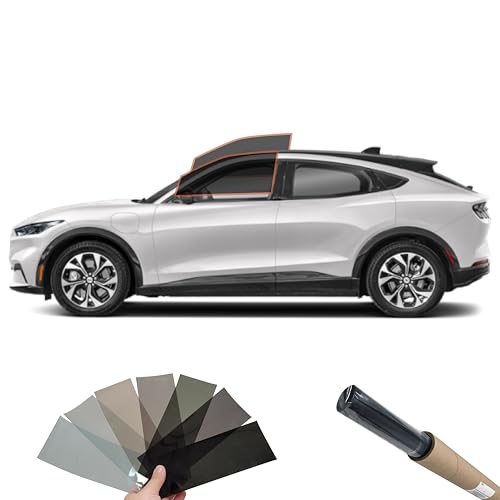
- HAND ASSEMBLED IN USA - REDUCE HEAT IN YOUR CAR: This nano carbon window tint...
- SUN-BLOCKING SOLAR SHADE: Preserve your car’s interior with superior...
- EASY INSTALLATION: This nano carbon window tint is only 1.5Mil thick, making it...
Can I tell if my tint is too thin just by looking at it after installation?
Sometimes, but not always. Right after install, thin film can look flawless. The problems show up later, usually within three to six months, as bubbles, edge peeling, or a hazy purple color shift.
If you want to avoid that wait, check the film before you install it. Look at the cut edge and pinch the corner. That quick check tells you more than staring at a freshly installed window ever will.
Is darker tint always better for heat rejection?
No, that is a common myth. Darkness controls light and privacy, but it does not necessarily block heat. A thin, dark film can still let your car bake in the sun because it lacks the metalized or carbon layers that reflect infrared radiation.
Look for the film’s construction, not just the shade. A lighter nano ceramic film can outperform a darker dyed film when it comes to keeping your car cool. Check the specs before you assume darker means better.