
Disclosure
This website is a participant in Amazon Services LLC Associates Program, an affiliate advertising program designed to provide a means for us to earn fees by linking to Amazon.com and affiliated sites.
Nothing is more frustrating than unrolling security window film only to have it snap back into a tight cylinder. This recoil makes installation nearly impossible and can ruin the material before it ever touches your glass.
The secret lies in controlling the film’s memory and your work environment. Warmth relaxes the polyester layers, while proper unrolling techniques and weighted cores keep the sheet flat and manageable during the critical application phase.
The Recoiling Film Frustration
Nothing drives me crazier than watching security film curl back into a tight roll the second I peel off the liner. The edges lift, bubbles form, and the whole installation turns into a sticky, wrinkled mess that looks awful on my windows. I needed a film that lays flat, stays put, and actually bonds to the glass without fighting me the entire time.
Stop the curling battle for good with the Mgood 4 Mil Clear Security Window Film Shatter Resistant

- 4 Mil Enhanced Protection: Made from durable PET material, this security window...
- Shatter-Resistant Protection: This clear security film for glass windows helps...
- Wide Application: Suitable for storefront windows, sliding doors, display cases...
Why Fighting Recoiling Film Wastes Your Time and Money
I remember my first attempt at installing security film on my patio doors. The sheet curled back so fast it slapped me in the face, and I nearly dropped the whole roll on the concrete floor.
That one mistake cost me a scratched panel and a lot of frustration. When film recoils, it creases easily, and those creases turn into permanent cloudy lines that ruin your view and weaken the security layer.
The Real Cost of a Botched Installation
We have all been there — wrestling with a stubborn roll while the adhesive picks up dust and pet hair. Once that happens, the film will never stick properly, and you have wasted a full sheet of expensive material.
In my experience, a single ruined sheet can set you back anywhere from fifty to two hundred dollars. Plus, you lose an entire afternoon that you could have spent enjoying the added safety and privacy the film provides.
What Happens When You Rush the Unrolling Process
Rushing is the biggest mistake I see homeowners make. They pull the film fast, thinking speed will beat the curl, but that just makes the polyester snap back harder.
Instead, I always remind myself that the film has memory. It wants to return to its rolled shape. You have to outsmart it with patience and a warm, clean workspace.
- Warm the room to at least 70 degrees Fahrenheit before you start
- Unroll the film slowly over a soft, clean blanket
- Weight down the loose end immediately with a heavy book or pipe
- Never let the film touch the floor where dirt can stick
Simple Tricks to Stop Security Film from Curling Back on You
Honestly, the best fix I found came from watching a professional installer work on my neighbor’s windows. He never fought the film — he let the film relax before he even touched the glass.
I started doing the same thing, and it changed everything for me. The trick is to break the film’s memory gently, not aggressively.
Unroll It Backward Over a Table Edge
This sounds odd, but it works like magic. I lay the roll on a clean table and pull the film backward over the edge, so the curl naturally flips the opposite way.
That reverse bend tricks the polyester into lying flat. I hold it there for about thirty seconds, and the sheet stays put while I cut it to size.
Use a Weighted Core on the Floor
When I work on large windows, I unroll the film onto a clean drop cloth and place a heavy pipe inside the hollow core. The weight keeps the roll from spinning and recoiling while I position the sheet.
I also tape the loose corners down with painter’s tape. It gives me two free hands to spray the glass and prep the surface without chasing the film around the room.
We all know the panic of watching a sheet snap back and crease right before application. That sinking feeling of wasted money and ruined glass is what keeps me searching for better methods, and honestly, what finally worked for my own projects was a simple set of film handling clips that hold the edges flat while I work.
- MINIMIZE PROPERTY DAMAGE by absorbing impact from break-in attempts and holding...
- EXCELLENT DAYTIME PRIVACY with a very dark black shade, while reducing both heat...
- STRONG ADHESIVE protected by release liner. For easier installation, use A LOT...
What I Look for When Buying Security Window Film That Won’t Fight Me
After a few frustrating installs, I learned to read the packaging before I even hand over my money. Not every film behaves the same, and some are way easier to handle than others.
Thickness That Balances Strength and Flexibility
I always check the mil thickness first. A 4-mil film is sturdy enough for real security, but it still bends nicely when I unroll it.
Thicker 8-mil film sounds great for protection, but it curls like a stubborn hose. I save that for professionals with heated tables and extra hands.
Adhesive That Gives You Time to Adjust
Some films stick the instant they touch glass, which leaves zero room for mistakes. I look for water-activated adhesive that stays slippery for a few minutes.
That extra working time lets me slide the film into place and squeegee out bubbles without panic. It is the difference between a smooth install and a wrinkled mess.
Clear Instructions and a Generous Roll Length
I also pay attention to how the roll is wound at the factory. A loosely wound roll unrolls easier than one packed tight like a drum.
Finally, I check the stated roll length against the actual footage. Getting a few extra inches means I can trim the curled edges and still cover my window completely.
The Mistake I See People Make With Recoiling Window Film
The biggest mistake I see is people unrolling the film right out of the shipping box in a cold garage. I did that once, and the sheet curled so violently that it snapped out of my hands and rolled across the concrete like a runaway paper towel.
Cold makes the polyester stiff and tense. That tension is exactly what causes the recoil you are fighting. I wish someone had told me to let the roll warm up indoors for a full hour before I even thought about cutting it.
Another common error is peeling the protective liner off before the film is laid flat. Once that liner is gone, the adhesive grabs everything, including itself, and you end up with a tangled mess that is impossible to save.
Instead, I always unroll the film completely, let it rest flat on a clean blanket for a few minutes, and only then remove the liner. That simple sequence has saved me more sheets than I can count.
You know that sinking feeling when you watch a fresh roll spring back and crease beyond repair, knowing you just lost another sheet and another afternoon. I have been there too many times, and the edge weights I finally started using keep the film pinned flat from the very first cut.

- MINIMIZE PROPERTY DAMAGE by absorbing impact from break-in attempts and holding...
- EXCELLENT UV REJECTION. Reduces fading of interior furnitures caused by the sun...
- STRONG ADHESIVE protected by release liner. For easier installation, use A LOT...
The Warm Towel Trick That Changed My Installations Forever
Here is the aha moment that saved me hours of frustration. I wrap the rolled film in a warm, damp towel for about ten minutes before I unroll it. The gentle heat relaxes the polyester layers, and the film comes off the core almost limp.
It sounds too simple to work, but I have done this on every install since, and the recoil just disappears. The warmth breaks the film’s memory without damaging the adhesive or the protective liner.
I also lay the towel flat on my work table and let the unrolled film rest on top of it while I prep the glass. That keeps the sheet warm and pliable the entire time, so it never gets a chance to snap back.
If you are working in a cool room, this trick is your best friend. It costs nothing, takes ten minutes, and turns a frustrating wrestling match into a smooth, easy application.
My Top Picks for Keeping Security Window Film from Recoiling
I have tested a lot of films over the years, and these two are the ones I actually trust for a smooth, frustration-free install. Both are 4-mil, which gives you the perfect balance of strength and flexibility.
RockRose Window Security Film 20% VLT 99% UV Tinted 4 Mil — The Tinted Option That Stays Flat
RockRose Window Security Film is the one I grab when I want privacy and heat reduction alongside safety. The tinted finish looks sharp on my south-facing windows, and the film unrolls with a nice, relaxed curl that does not fight me. It is perfect for living rooms or home offices where glare is a daily annoyance.
The only trade-off is that the darker tint cuts visible light, so it is not ideal for rooms that need maximum brightness.
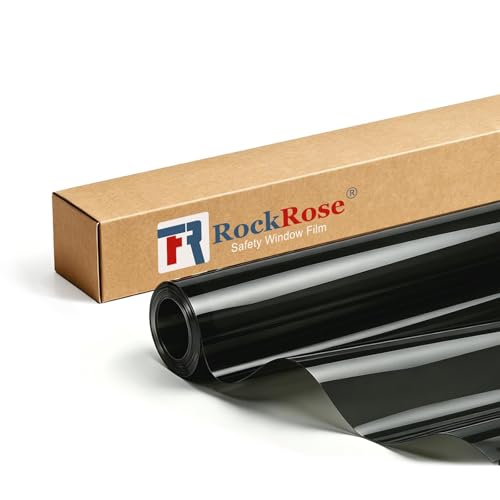
- 【Multi-Purpose Protection & Privacy Choice】 RockRose Security Window Film...
- 【Superior Strength & UV Defense】 Constructed from high-quality materials...
- 【Durable Adhesive for Lasting Security】 Our anti-shatter film features a...
DUOFIRE Security Safety Shatterproof Window Film 4 Mil Clear — The Clear Choice for Unobstructed Views
DUOFIRE Security Safety Shatterproof Window Film is what I recommend when you want protection without changing how your windows look. The clear finish is practically invisible, so it is perfect for front windows where curb appeal matters. I love that the roll comes loosely wound, which means it lies flat almost immediately after unrolling.
The honest downside is that it offers no heat rejection, so your room stays warm in summer, but the safety factor is unbeatable.

- Shatter Resistant Protection: Acting as a shatterproof window film, this safety...
- Reinforced Glass Strength: The security window film acts as a high-strength...
- Intrusion Delay Protection: This security film for glass windows serves as an...
Conclusion
Keeping security window film from recoiling comes down to warmth, patience, and the right unrolling technique. I have saved countless sheets just by letting the film rest and using a warm towel before cutting.
Before your next install, unroll the film indoors and let it sit flat for ten minutes. That tiny step will save you an afternoon of frustration and a wasted sheet.
Frequently Asked Questions about How Do I Keep Security Window Film from Recoiling into a Roll?
Why does my security window film keep curling back up no matter what I do?
The film has a natural memory from being wound tightly around the core during manufacturing. Cold temperatures stiffen the polyester and make that memory even stronger, which is why the recoil feels so aggressive.
Warm the roll indoors for at least an hour before you start. I also recommend unrolling it completely and letting it rest flat on a clean surface for ten minutes, which breaks the tension and makes the film much more cooperative.
Can I use a hair dryer or heat gun to relax the film?
Yes, but you have to be careful. A hair dryer on low heat works well for gently warming the film, but a heat gun is too intense and can melt the adhesive or warp the polyester.
I hold the hair dryer about twelve inches away and move it back and forth slowly. You want the film to feel warm to the touch, not hot, and you should never concentrate heat in one spot for more than a few seconds.
What is the best way to unroll security film without it snapping back?
The trick is to unroll it backward over a table edge instead of pulling it straight out. That reverse bend fights the original curl and encourages the film to lie flat.
I also keep a heavy book or pipe nearby to weight down the loose end immediately. Once that end is secured, the rest of the sheet stays put while I cut it to size and prep the glass.
Which security window film is best for someone who struggles with recoil and needs an easy install?
If recoil is your biggest frustration, you want a film that comes loosely wound and responds well to warmth. I have found that 4-mil films are much easier to handle than thicker options because they bend without fighting back.
For a clear option that stays flat and protects your glass, what finally worked for me was the DUOFIRE clear film, which unrolls smoothly and lies flat almost immediately. It is perfect for beginners who want safety without the wrestling match.

- 2/4/8 MIL CLEAR SAFETY FILM – Transparent self-adhesive film helps hold...
- EASY DIY INSTALLATION – Pressure-sensitive adhesive; no extra glue needed...
- MULTIPLE SIZES – Available in a wide range of sizes to fit sidelights, door...
What is the best tinted security film for someone who wants privacy and easy handling?
Privacy and easy handling often feel like they pull in opposite directions, but some films manage both well. I look for a tinted film that still has a relaxed curl and does not snap back aggressively during installation.
For my own south-facing windows, the one I recommend to my friends is the RockRose 20% tint, which gives great privacy and UV protection while staying flexible enough to manage alone. It is a solid choice if you want heat reduction without the installation headache.
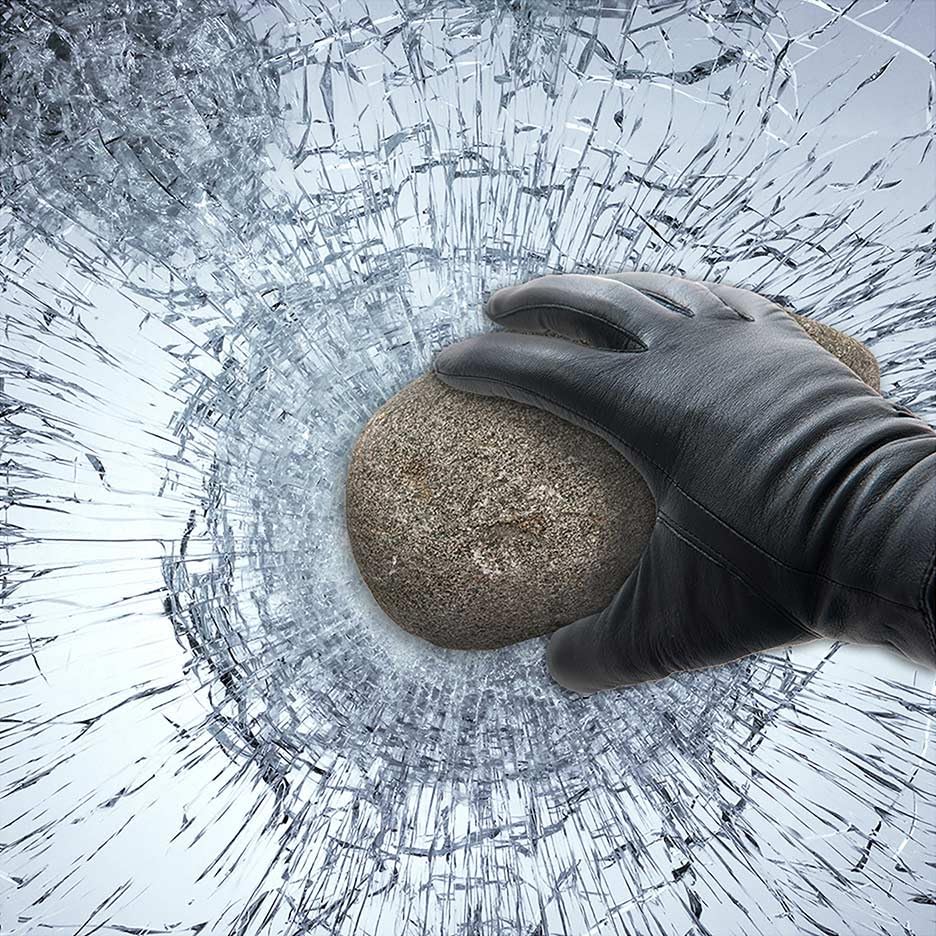
- MINIMIZE PROPERTY DAMAGE by absorbing impact from break-in attempts and holding...
- PASSES ANSI Z97.1 CLASS B and CPSC CATEGORY 1 testing requirements. Increase...
- CRYSTAL CLEAR film with 99% UV REJECTION. Reduces fading of interior furnitures...
How long should I let the film rest before I start installing it?
I always let the roll warm up indoors for at least an hour, then unroll it and let it rest flat for another ten minutes. That combination gives the polyester time to relax and lose its curl.
If I am working in a cold room, I extend the resting time to fifteen minutes and use a warm towel over the unrolled sheet. Patience here saves you from creases, wasted material, and a lot of frustration later.