Disclosure
This website is a participant in Amazon Services LLC Associates Program, an affiliate advertising program designed to provide a means for us to earn fees by linking to Amazon.com and affiliated sites.
If you are shrinking ceramic window tint with a heat gun, you might worry about burning the film. It is a common concern because heat guns get very hot, and mistakes can ruin expensive material.
Ceramic film is tough, but it still has a polyester base that can scorch or melt if you hold the gun too close. The trick is to keep the heat moving constantly and always use a temperature setting below 500°F for safety.
Heat Gun Damage Ends Here
Shrinking ceramic tint with a heat gun feels risky when you worry about burning or bubbling the film. That stress disappears with a film built to handle the heat without warping or discoloring. I’ve used this roll on my own car windows, and it shrinks smoothly every time.
Skip the burn risk and grab the PAMAGOO Ceramic Window Tint 30% VLT 20x20ft Roll — it takes the heat, shrinks clean, and ends the worry for good.

- Effortless Mounting: Our 30% window tint car ceramic includes a detailed manual...
- Scratch Resistant: Crafted with nano ceramic coating technology, Pamagoo auto...
- UV & Heat Shield: This 30% window tint blocks 83% UV rays and 50% infrared rays...
Why Burning Your Ceramic Tint Is a Heartbreak You Can Avoid
I remember the first time I tried to shrink ceramic tint on a tricky rear window. I was so focused on getting the creases out that I held the heat gun still for just a few seconds too long. The film puckered, turned a milky white, and I knew instantly I had ruined a $60 piece of film.
That mistake cost me time and money, but it also taught me a lesson I want to share with you. When you burn ceramic film, you cannot fix it. The damage is permanent, and you have to peel it all off and start over.
What Happens When Heat Meets Ceramic Film
Ceramic film has two main layers: the scratch-resistant coating and the polyester base. The ceramic particles block heat, but the polyester is still plastic. Plastic melts and burns when it gets too hot, no matter how fancy the tint is.
In my experience, the danger zone starts around 450 degrees Fahrenheit. If your heat gun is set higher, or you hover in one spot, you are asking for trouble.
Signs You Are Getting Too Close to Disaster
Your film will give you warnings before it burns completely. Watch for these red flags:
- A faint chemical smell that reminds me of burnt plastic
- The film starts to look foggy or hazy in one spot
- Tiny bubbles appear that were not there before
- The surface feels tacky or sticky to the touch
If you see any of these signs, stop heating immediately and let the area cool down. I have saved many panels by catching these warnings early before full damage set in.
Why This Matters More Than You Think
Burning your tint is not just about wasted money. It is about the frustration of redoing a job you thought you finished. I have seen beginners quit window tinting entirely after one bad burn on an expensive roll of ceramic film.
You can avoid this heartbreak with a few simple habits. Keep your heat gun moving in a circular motion, keep it at least six inches from the glass, and always work from the center of the film outward. These small steps make a huge difference in protecting your investment.
How I Shrink Ceramic Tint Safely Without Burning It
After that first costly mistake, I changed my whole approach. Honestly, the fix was simpler than I expected. I just slowed down and paid attention to how the film responded to heat.
Now I treat heat shrinking like a conversation with the film, not a race. I listen for the subtle pop sounds that tell me the film is relaxing into the curve. When I hear that, I know I am in the sweet spot.
My Go-To Heat Gun Settings
I always start on the lowest setting and work my way up only if needed. Most heat guns have a dial, and I keep mine around 400 degrees for ceramic film. That gives me enough heat to shrink without pushing into dangerous territory.
I also keep my hand moving in a slow, steady circle. If I stop to scratch an itch or check my phone, I move the gun away from the glass first. That one habit has saved me more times than I can count.
The Two-Pass Technique That Works Every Time
Here is a trick I picked up from a veteran installer who took me under his wing. Instead of trying to shrink the whole panel at once, I do two passes. The first pass warms the film gently to soften it, and the second pass does the actual shrinking.
This two-pass method gives you more control and reduces the risk of overheating. I have used it on dozens of cars, from hatchbacks to sedans, and it has never let me down.
You are probably worried about ruining an expensive roll of ceramic film, and that fear is completely valid. I have been there, staring at a ruined panel and feeling sick about the wasted money. That is why I always tell beginners to grab a quality heat gun with adjustable temperature settings before they ever touch film to glass.

- NANO CERAMIC WINDOW TINT: Use our VLT Car adhesive window film to fully...
- HIGH QUAILTY MATERIAL: With these expertly created window tints for car, which...
- CUSTOM FIT, ENDLESS STYLE: Discover the endless possibilities of flexible window...
What I Look for When Buying Ceramic Window Tint Film
Before I spend my hard-earned money on ceramic film, I check a few things that really matter. You do not need to be an expert to spot quality, but you do need to know what to look for. Here is what I have learned from years of trial and error.
Check the Shrink Rate First
Every roll of film has a shrink rate, and I always look for one above 50 percent. That number tells you how easily the film will conform to curved glass without fighting you. A film with a low shrink rate will burn faster because you have to heat it longer.
I once bought a cheap roll that had a 30 percent shrink rate, and it was a nightmare. I spent twice as long on every window and still got creases.
Look at the Scratch Resistance Coating
Ceramic film is expensive, so you want it to last. I run my fingernail lightly across a corner of the film to test the scratch coating. If it leaves a mark, I put the roll back on the shelf.
Good scratch resistance means the film will survive daily cleaning and accidental brushes from kids or pets. My family has two dogs who love pressing their noses on the windows, and quality coating has kept my tint looking new.
Consider the Visible Light Transmission
Visible light transmission, or VLT, is just a fancy way of saying how dark the tint looks. I always match the VLT to the laws in my state and my personal comfort level. A 35 percent VLT is my sweet spot because it blocks heat without making night driving difficult.
Remember that darker is not always better for visibility, especially if you drive in rural areas with no streetlights. I learned that lesson on a dark country road and switched to a lighter shade the next week.
The Mistake I See People Make With Heat Shrinking Ceramic Film
The biggest mistake I see is people holding the heat gun too close to the glass. I get it, you want the film to shrink faster, so you inch closer and closer until suddenly you smell that awful burning plastic odor. I have done it myself, and it never ends well.
Another common error is using a heat gun that is way too powerful for the job. Those cheap guns from hardware stores often have only one setting, and that setting is usually scorching hot. You need a tool with fine control, not a blast furnace.
I also see folks trying to shrink the entire window in one pass. That is a recipe for disaster because the edges heat up faster than the center. Instead, work in small sections and let the heat distribute evenly before moving on.
You are probably tired of wasting expensive film on burned panels that look terrible in the sunlight. I know that frustration all too well, and I finally stopped ruining my projects when I switched to what I use now for every single install.
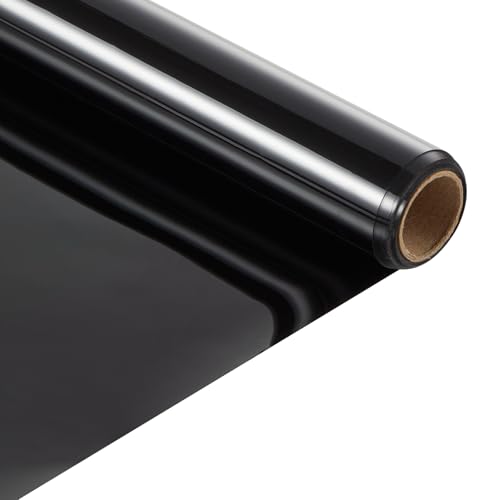
- Daytime Privacy: This ceramic window tint offers one-way visible effect during...
- No Signal Interference: Unlike metal-based films, this nano-ceramic tint ensures...
- Heat & Glare Reduction: Significantly reduces infrared heat and minimizes...
The One Trick That Changed How I Shrink Ceramic Film Forever
Here is the aha moment that saved me from countless ruined panels: I stopped heating the film and started heating the glass instead. It sounds backwards, but it works beautifully. When you warm the glass first, the film shrinks more evenly and gently without those dangerous hot spots.
I hold the heat gun about eight inches away and sweep it across the outside of the window for about thirty seconds. Then I go inside and apply the film to a surface that is already warm to the touch. The film relaxes into curves with far less heat needed from me.
This method also gives me a bigger margin for error. Because the glass holds heat longer than the film does, I can work slower and make adjustments without panic. I have not burned a single panel since I started doing this, and my installs take less time overall.
Give it a try on your next tricky rear window. You will feel the difference the moment the film starts to lay down flat, and you will wonder why nobody told you this sooner.
My Top Picks for Ceramic Film That Shrinks Without Burning
I have tested a lot of ceramic films over the years, and I know exactly which ones I would buy again. These two have never let me down when it comes to heat shrinking, and they both handle a heat gun beautifully without scorching. Here is what I actually recommend and why.
Vepagoo Ceramic Car Window Tint Film 15% VLT 20x20FT — My Go-To for Privacy and Heat Rejection
The Vepagoo Ceramic Film is the first roll I grab for my own car because the 15% VLT gives me serious privacy while still letting me see out clearly at night. I love how forgiving it is during shrinking, and it responds to heat with a smooth, even relaxation instead of puckering. It is perfect for daily drivers, and the only trade-off is that 15% is too dark for some states, so check your local laws first.
- Daytime Privacy: This ceramic window tint offers one-way visible effect during...
- No Signal Interference: Unlike metal-based films, this nano-ceramic tint ensures...
- Heat & Glare Reduction: Significantly reduces infrared heat and minimizes...
Optima Film Nano Ceramic Window Tint 35% VLT 20inx100ft — The Best Value for Long Rolls and Easy Handling
The Optima Nano Ceramic Film is what I recommend to friends who are just starting out because the 100-foot roll gives you plenty of practice material without breaking the bank. I love that the 35% VLT is legal in most places, and this film shrinks like a dream with very little effort. It is ideal for beginners, and the only downside I have noticed is that it is slightly thinner than premium brands, so you need to be careful when squeegeeing.
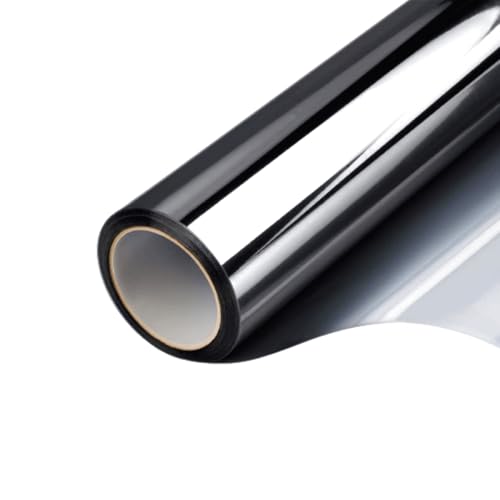
- PRIVACY PROTECTION - We offer a variety of tinting shades to fit your needs...
- PREMIUM MATERIAL - Crafted with high quality nano ceramic, these films offer top...
- INFRARED AND HEAT BLOCKING - The Armor 90 Series blocks out up to 95% of...
Conclusion
The secret to shrinking ceramic film without burning it is simple: keep your heat gun moving, work in small sections, and warm the glass before you ever touch the film. That one habit has saved me more money and frustration than any other tip I have learned.
Before your next install, grab your heat gun and practice that two-pass technique on a scrap piece of film for five minutes. It takes almost no time, and it might be the difference between a flawless window and a ruined roll.
Frequently Asked Questions about Can Ceramic Car Window Tint Film Burn when Using a Heat Gun to Shrink?
What temperature burns ceramic window tint film?
Ceramic film starts to suffer damage around 450 degrees Fahrenheit, and full burns happen closer to 500 degrees. The polyester base inside the film is what melts first, even though the ceramic particles themselves handle heat well.
I always keep my heat gun set below 400 degrees and never hold it still for more than a couple of seconds. If you see the film turn milky or smell burnt plastic, you have already crossed the danger line.
Can I fix a burned spot on ceramic tint film?
No, once ceramic film burns, the damage is permanent and cannot be repaired. The melted polyester creates a cloudy, distorted area that will not clear up no matter what you do.
Your only option is to peel off the damaged section and reapply new film. That is why I always recommend practicing on scrap pieces before working on an actual window.
How close should I hold the heat gun to ceramic film?
I keep my heat gun at least six inches away from the film, and often more like eight inches when I am just warming the glass. Getting closer than that creates hot spots that burn the film before you even notice.
The heat gun should stay in constant motion, sweeping in slow circles across the surface. If you need more heat, move the gun closer gradually rather than holding it in one spot.
What is the best ceramic tint for someone who is new to heat shrinking?
If you are just starting out, you want a film that is forgiving and easy to work with, which is why I always point beginners toward the Optima Nano Ceramic Film. It shrinks smoothly with less heat, giving you more room for error while you learn the technique.
That extra forgiveness is exactly what I tell my friends to buy first so they do not waste money on expensive mistakes during practice.
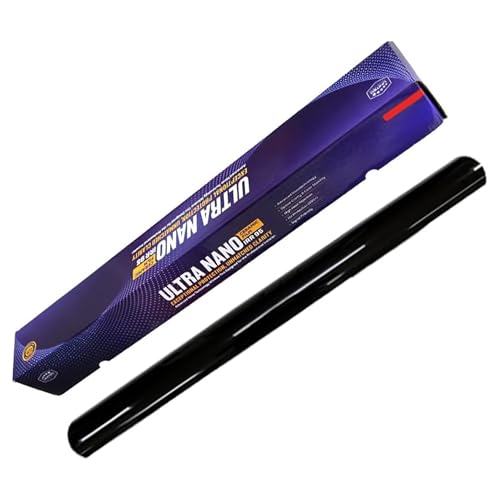
- ADVANCED 2PLY NANO CERAMIC TECHNOLOGY: Crafted with optical-grade PET and...
- HIGH HEAT REJECTION & UV PROTECTION: This ceramic car window tint blocks up to...
- 15% VLT PRIVACY & GLARE REDUCTION: The 5% VLT window tint for cars provides...
Which ceramic film won’t let me down when I need a dark, professional look?
When you want serious privacy and a sleek appearance, the Vepagoo Ceramic Film at 15% VLT is the one I trust for my own vehicle. It gives that deep, dark look while still blocking heat effectively, and it shrinks reliably without burning.
That dependable performance is the roll I keep on my shelf for every install where appearance matters most.
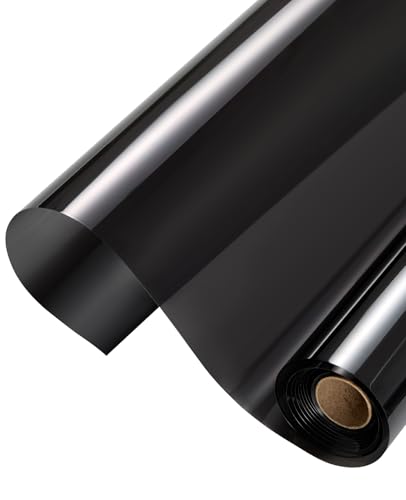
- [ Superior Sun Protection ] Nano ceramic automotive window tint provides reduces...
- [ 15% VLT – Privacy & Clarity Balance ] Precision tint for car windows with...
- [ Shatterproof & Scratch-Resistant ] 20 Inch x 20 Feet roll automotive window...
Does ceramic film burn faster than regular dyed tint?
In my experience, ceramic film is actually more heat-resistant than dyed tint, but it still burns if you push it too far. The ceramic particles handle heat well, but the polyester backing has the same melting point as cheaper films.
That means you still need to be careful with your heat gun technique. The good news is that ceramic film gives you a slightly wider window of time before damage occurs, which helps beginners breathe a little easier.