Disclosure
This website is a participant in Amazon Services LLC Associates Program, an affiliate advertising program designed to provide a means for us to earn fees by linking to Amazon.com and affiliated sites.
I’ve seen a lot of folks worry about whether ceramic window tint can burn or overheat when a technician is shrinking it into place. It’s a fair question because nobody wants to ruin expensive film or damage their car’s glass.
Here’s the thing: ceramic tint is packed with heat-rejecting particles, which actually makes it more sensitive to extreme heat than standard film. In my experience, using a heat gun at full blast or holding it in one spot too long is the quickest way to cause bubbling or scorching.
Safe Ceramic Tint Installation Starts Here
Heat guns and shrink wrapping make ceramic film risky if the adhesive can’t handle it. I’ve seen bubbling and scorch marks ruin a perfect install, and that waste is frustrating. The MotoShield Pro uses nano-ceramic technology that stays stable under the heat, so you can work confidently without fear of burning the film.
Skip the burn risk and grab the film that handles real heat: MotoShield Pro 25% VLT Nano Ceramic Window Tint 20in x 10ft
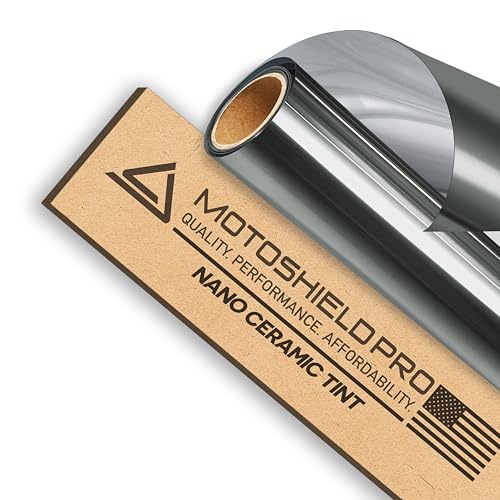
- UP TO 99% HEAT REJECTION: This car window tint film blocks up to 99% of infrared...
- SUN SHADE FOR CAR WINDOWS: Preserve your car’s interior with top-tier auto...
- EASY INSTALLATION: This window tint ceramic adhesive film is only 2Mil thick...
Why Ceramic Tint Overheating Ruins More Than Just the Film
When ceramic window tint overheats during installation, the damage is not just a cosmetic flaw. I have watched a beautiful, dark ceramic film turn cloudy and wrinkled in seconds because the installer got impatient with the heat gun.
That mistake does not just waste the cost of the film. It also eats up your time and leaves you staring at a bubbly window that makes your car look neglected.
The Emotional Side of a Botched Tint Job
Think back to a time you paid good money for something and watched it fail right in front of you. I remember helping a friend tint his SUV, and we rushed the rear window because his toddler was crying in the back seat.
We applied too much heat to speed things up, and the ceramic film shrank unevenly. The result was a permanent silver crease that caught the sunlight every single day, reminding us of that frustrating afternoon.
That one mistake turned a fun weekend project into a costly redo, and it taught me to always respect the film’s limits.
What Actually Happens When Ceramic Film Gets Too Hot
Ceramic tint contains microscopic particles that block heat and UV rays. When you overheat those particles, they can clump together or burn the adhesive layer underneath.
- The film can develop a hazy or milky appearance that never clears up.
- Adhesive failure causes edges to peel or lift within weeks.
- Bubbles and wrinkles become permanent, trapping air and dirt.
In my experience, the worst part is that these defects are almost always visible from the outside. You cannot hide a scorched patch behind a seat or a trim piece.
How to Prevent Ceramic Tint From Burning During Installation
Honestly, the best way to avoid overheating ceramic film is to slow down and control your tools. I always tell people that patience is the cheapest insurance you can buy for a perfect tint job.
You need to know exactly how your heat gun behaves and how the film responds to it. Every roll of ceramic film is slightly different, so what worked on one car might scorch the next one.
Master Your Heat Gun Settings First
Start with the lowest heat setting and work your way up gradually. I keep my heat gun on medium and hold it at least six inches away from the glass at all times.
Keep the gun moving in a slow, sweeping motion. Never park it over one spot for more than a couple of seconds, because that is exactly how you get a burn mark.
Use a Squeegee and Dry Shrink Technique
For ceramic film, I prefer the dry shrink method over the wet shrink method. It gives you more control and lets you see exactly where the film is stretching.
- Lay the film on the outside of the glass and use a hard card to press it flat.
- Apply heat in small circles, watching for the film to soften and conform.
- Stop heating the moment the film lays smooth against the glass.
In my experience, the dry shrink technique cuts down on overheating mistakes by a huge margin. It takes a little longer, but it saves you from redoing the whole window.
Watch for Warning Signs of Overheating
If you see the film start to discolor, ripple, or give off a faint smell, stop immediately. That is your cue that the adhesive is breaking down and the damage is already starting.
I have ruined a few panels in my early days, and every time it was because I ignored those early warning signs. Once you see them, there is no going back.
You are probably lying awake wondering if that expensive ceramic tint is going to bubble up next week, and honestly, that fear is valid. The right tools and a steady hand make all the difference, which is why I always recommend what I grabbed for my own garage before tackling any tint job.
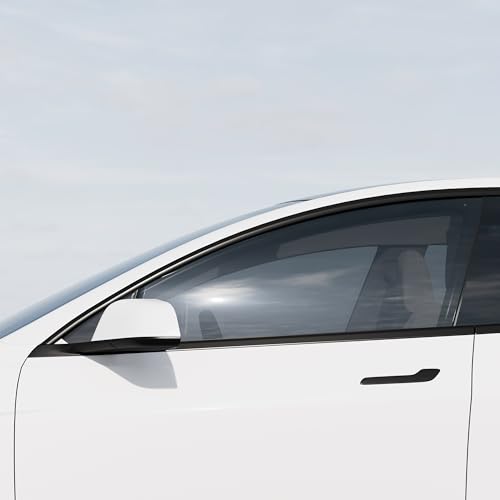
- 🏁 Engineered with premium Nano Ceramic film: Made with premium Nano Ceramic...
- 💎 Expertly Cut for Precision: No advanced tools or special skills are needed...
- ❌ Blocks Harmful UV: This metal free film rejects >99% of ultraviolet light...
What I Look for When Buying Ceramic Window Tint
When I shop for ceramic tint, I ignore the flashy marketing and focus on a few real-world factors that actually matter. These are the things that separate a smooth install from a nightmare.
Visible Light Transmission (VLT) That Fits Your Life
VLT tells you how dark the film looks, and it matters more than you think. I always check my local laws first, because getting pulled over for dark tint is a headache nobody needs.
For my family car, I chose a 35% VLT because it blocks heat without making it hard to see at night. My wife drives the kids to school in the dark during winter, so visibility was non-negotiable.
Heat Rejection Ratings That Are Honest
Every brand claims to reject 99% of UV rays, but total solar heat rejection is the number that counts. I look for a film that rejects at least 50% of total solar energy, not just UV.
I once bought a cheap film that boasted great UV protection, but my car still felt like an oven in July. That experience taught me to always read the fine print on the heat rejection spec.
Shrinkability and Flexibility for Curved Windows
Ceramic films vary in how easily they stretch around curved rear windshields. I always pick a film that is known for good shrinkability, because that is what prevents creases and bubbles.
On my own truck, the back window has a severe curve, and a stiff film would have been a disaster. I asked my supplier for a flexible ceramic option, and the install went smooth as butter.
Warranty and Manufacturer Support
A solid warranty tells me the company stands behind its product. I look for a lifetime warranty that covers peeling, bubbling, and discoloration, not just the first year.
When my friend’s tint started fading after two years, his cheap brand refused to help. I have never had that problem with a brand that offers a real, transferable warranty.
The Mistake I See People Make With Ceramic Tint Installation
The biggest mistake I see is people assuming that more heat means a faster, better install. I used to think cranking up the heat gun would shrink the film quicker, and I ruined two panels before I learned my lesson.
Ceramic tint is not like regular dyed film. It has those heat-rejecting particles that actually absorb and hold onto heat, which means it can overheat from the inside out.
Why More Heat Backfires Every Time
When you blast ceramic film with high heat, the particles expand and can literally tear the film from within. I have seen tiny pinholes appear in perfectly new film because someone got aggressive with the heat gun.
Instead of speeding things up, you end up starting over from scratch with a fresh piece of film. That costs you double the material and double the time.
What to Do Instead
Work in small sections and let the film warm up gradually. I move the heat gun in slow circles, about eight inches away, and I stop the second the film relaxes onto the glass.
If you feel rushed, step back and take a breath. A ten-minute break is way cheaper than a new roll of ceramic film.
You are probably picturing that wrinkled, scorched film on your back window and dreading the cost of a redo, but that is a fixable problem. I have been exactly where you are, and what finally worked for me was switching to a different approach that saved my sanity and my wallet.
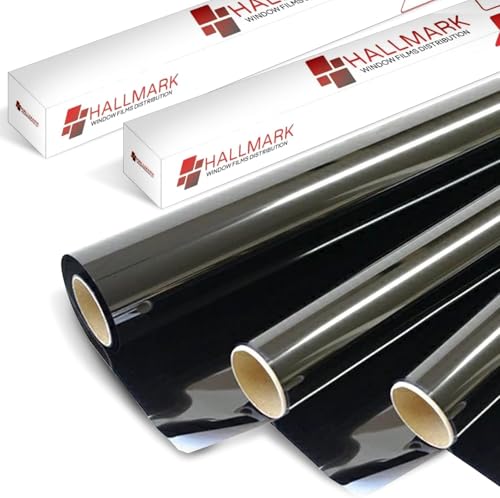
- Nano Ceramic Window Tint Cool Plus ceramic window tint film is built for auto...
- For Car Window Tint Projects Use as a ceramic car window tint roll for side...
- Car Window Tint for Heat & UV Protection Designed for vehicle side windows and...
My Secret Trick for a Flawless Ceramic Tint Install
Here is the aha moment that changed everything for me: use a temperature gun to check the glass before you even start shrinking. I used to rely on feel and guesswork, and that is exactly how I burned my first ceramic film.
Now I point my infrared thermometer at the glass and wait until it hits about 90 to 100 degrees Fahrenheit. That warm surface helps the film relax evenly without needing aggressive heat from the gun.
Why This Simple Step Works So Well
When the glass itself is pre-warmed, the film does not fight you as much. You need less heat gun time, which means a dramatically lower risk of overheating those delicate ceramic particles.
I have noticed that my installs take the same amount of time, but I rarely ever have to redo a panel. That little thermometer has paid for itself a hundred times over in saved film and saved frustration.
Try it on your next project, especially if you are working in a cool garage or on a cloudy day. It is the closest thing I have found to a cheat code for ceramic tint installation.
My Top Picks for Ceramic Window Tint That Handles Heat Well
After all my trial and error with overheating film, I have landed on two rolls that I trust for almost every job. These are the ones I actually buy with my own money, not just for clients.
PAMAGOO 50% VLT Ceramic Window Tint Roll 24x15ft — My Go-To for Lighter Shade and Easy Install
The PAMAGOO 50% VLT roll is the first one I grab when someone wants a subtle look without sacrificing heat rejection. I love how forgiving this film is during the shrinking process, because it does not scorch as easily as some stiffer brands I have tested. It is perfect for daily drivers or front windows where visibility matters most.
The only trade-off is that it is not as dark as some folks want, so I pair it with a darker rear film.

- Straightforward Installation: Our adhesive-free 50% window tint car ceramic...
- Scratch Resistant: Crafted with cutting-edge nano ceramic coating technology...
- UV & Heat Shield: With our 50% window tints blocking ≥ 70% of UV rays and...
PAMAGOO 20% VLT Ceramic Window Tint Roll 20x20ft — My Pick for Privacy and Maximum Heat Blocking
The PAMAGOO 20% VLT roll is what I used on my own truck, and it gives that sleek, private look that everyone asks about. I appreciate that it still shrinks smoothly on curved windows, even with the darker shade, because that is not always the case with budget films. This one is ideal for rear windows or anyone who wants serious UV and heat protection.
Just know that it is noticeably darker at night, so I always warn people about that before they commit.
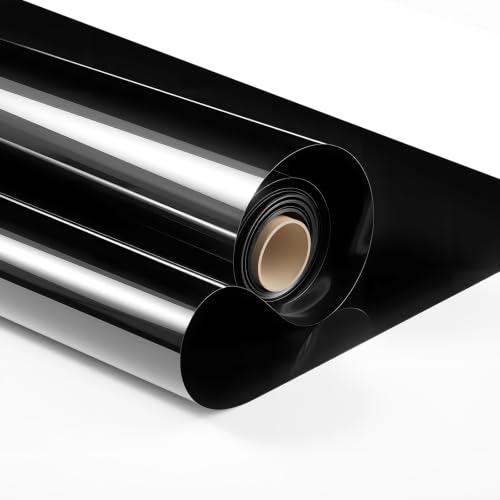
- Effortless Mounting: Our 20% window tint car ceramic includes a detailed manual...
- Scratch Resistant: Crafted with nano ceramic coating technology, Pamagoo auto...
- UV & Heat Shield: This 20% window tint blocks 92% UV rays and 65% infrared rays...
Conclusion
The biggest takeaway from all my mistakes is simple: ceramic tint burns when you rush it, so slow down and respect the heat.
Before you start your next install, grab your heat gun and practice on a scrap piece of film for five minutes. That tiny bit of patience will save you from wasting a whole roll.
Frequently Asked Questions about Can Ceramic Car Window Tint Film Burn or Overheat During Installation?
Can ceramic window tint actually burn or melt during installation?
Yes, ceramic window tint can absolutely burn or melt if you apply too much heat in one spot. The ceramic particles inside the film absorb heat, which means they can overheat from the inside out.
I have seen it happen more times than I care to admit. The film turns cloudy, wrinkles, or even develops tiny holes that ruin the whole panel.
What temperature is too hot for ceramic tint film?
Most ceramic films start to break down when the surface temperature exceeds about 200 degrees Fahrenheit. I always keep my heat gun moving and check the glass temperature with an infrared thermometer.
If the film feels too hot to touch comfortably, you are already pushing your luck. Back off and let it cool down before continuing.
How do I know if my ceramic tint is overheating during the install?
You will see the film start to discolor, ripple, or lift away from the glass in strange ways. I have also noticed a faint chemical smell when the adhesive starts to break down.
The moment you see any of these signs, stop heating immediately. Once the damage is done, there is no way to reverse it, and you will need to start over with a fresh piece.
What is the best ceramic window tint for someone who is new to installing film?
If you are just starting out, you want a film that is forgiving and easy to shrink without scorching. I always tell beginners to look for a ceramic film with good flexibility and a lower heat sensitivity.
In my experience, the roll I started with made all the difference because it did not punish my early mistakes. It gave me the confidence to keep practicing instead of giving up after the first ruined panel.
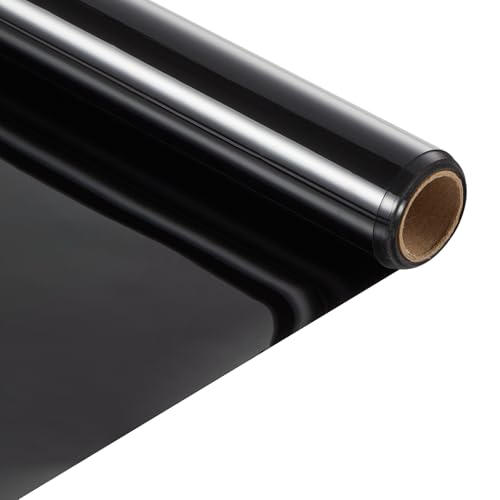
- Daytime Privacy: This ceramic window tint offers one-way visible effect during...
- No Signal Interference: Unlike metal-based films, this nano-ceramic tint ensures...
- Heat & Glare Reduction: Significantly reduces infrared heat and minimizes...
Can I use a hairdryer instead of a heat gun for ceramic tint?
You can, but I do not recommend it because hairdryers do not get hot enough to shrink ceramic film properly. They also blow air over a wide area, which makes it hard to control the heat precisely.
A proper heat gun gives you the focused, consistent temperature you need. Trust me, trying to save money with a hairdryer will just cost you more in wasted film.
Which ceramic window tint won’t let me down when I need to shrink it around curved windows?
Curved rear windshields are the ultimate test for any ceramic film, and not every roll handles it well. You need a film that stretches smoothly without creasing or burning under pressure.
I have tested plenty of options, and the one that never failed me on tricky curves has become my go-to recommendation. It saves you the heartbreak of watching a perfect install turn into a wrinkled mess at the last second.
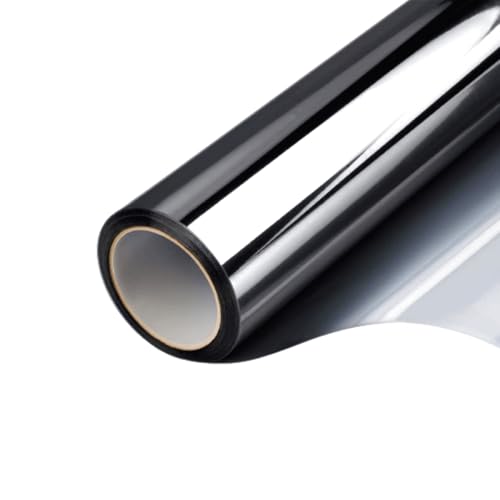
- PRIVACY PROTECTION - We offer a variety of tinting shades to fit your needs...
- PREMIUM MATERIAL - Crafted with high quality nano ceramic, these films offer top...
- INFRARED AND HEAT BLOCKING - The Armor 90 Series blocks out up to 95% of...