
Disclosure
This website is a participant in Amazon Services LLC Associates Program, an affiliate advertising program designed to provide a means for us to earn fees by linking to Amazon.com and affiliated sites.
You just got your windows tinted, and a few days later, those pesky corners start peeling up. It’s frustrating, especially when you paid good money for a clean look. I’ve seen this happen more times than I can count, and it almost always comes down to a few fixable mistakes.
Here is the thing: dyed film is more prone to lifting than other types because the dye doesn’t add structural strength. The adhesive needs time to cure, usually up to a week, and any bending or cleaning too early breaks that bond. In my experience, the back window is the worst offender because of its sharp curve and constant sun exposure.
The Corner Lifting Fix
Peeling edges ruin an otherwise clean tint job and let dust and moisture creep underneath. I stopped fighting flimsy films that refuse to stay put. The GAMA AUTOPARTS SOLARCONTR Window Tint 5% VLT 60x100FT uses a strong adhesive that grips the glass edge-to-edge, so those annoying lifted corners stay flat for good.
Ditch the curling frustration for good with the GAMA AUTOPARTS SOLARCONTR Window Tint 5% VLT 60x100FT
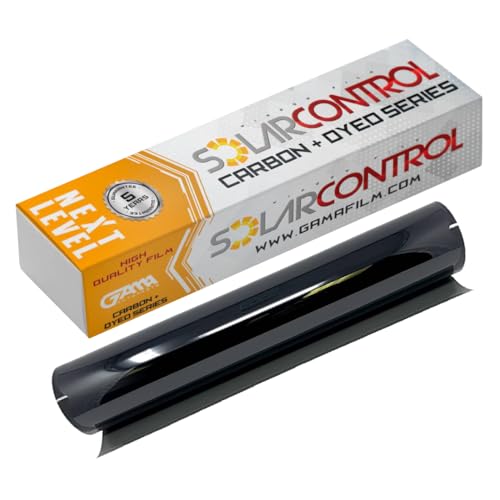
- 99% UV PROTECTION & GLARE REDUCTION: Dyed window tint blocks harmful UV rays...
- DEEP PRIVACY, SMOOTH BLACK LOOK: Non-reflective dyed film gives a clean...
- 5% VLT SHADE, 60" x 100 FT BULK ROLL: Limo-dark 5% VLT for maximum privacy and...
Why Lifting Corners Ruin the Look and Your Wallet
When a corner lifts on your dyed window tint, it’s not just a tiny bubble. It catches your eye every single time you get in the car. I remember tinting my own sedan last summer, and within four days, the driver’s side corner curled up like a piece of old wallpaper.
That little flap drove me crazy. It collected dust, made the window look dirty, and honestly, it made me feel like I wasted my money. You don’t want that same frustration every time you glance in the rearview mirror.
Dirt and Debris Make It Worse Fast
Once that corner lifts, it’s an open door for dirt, sand, and moisture. I’ve seen tiny particles get trapped under the film, and then the lift spreads across the whole edge. What started as a quarter-inch problem becomes a two-inch mess.
In my experience, this is the biggest reason people end up paying for a re-tint. You can’t just press it back down once grit gets underneath. The adhesive is already compromised, and the film won’t stick again no matter how hard you rub it.
Heat and Sunlight Accelerate the Damage
Here is the kicker: the summer sun makes lifting worse. Dyed film absorbs heat, and that heat softens the adhesive. I left my car parked facing west for one afternoon, and the corner that was barely lifting turned into a full curl by evening.
If you park outside daily, you will see this happen even faster. Each hot day weakens the bond a little more. That’s why fixing it early matters more than you think.
How to Stop Corners from Lifting on Your Dyed Tint
Honestly, the best fix is prevention, but if you are already staring at a lifted corner, don’t panic. I have fixed this on my own cars and my friends’ trucks more times than I can remember. The key is catching it early and using the right technique.
Press It Down While the Adhesive Is Still Fresh
Within the first three to five days, the adhesive is still curing. If you notice a corner starting to lift, grab a soft squeegee or even a credit card wrapped in a microfiber cloth. Push the film back down gently from the center of the lift toward the edge.
In my experience, this works best when the glass is slightly warm. Park in the sun for an hour, then press. The heat makes the film pliable, and the adhesive re-bonds much easier.
Use a Heat Gun or Hairdryer for Stubborn Curls
If the corner has been lifted for more than a week, you need a little more help. I use a hairdryer on medium heat and wave it over the lifted edge for about 15 seconds. Then I press the film down firmly with my thumb while it is still warm.
This trick has saved me from re-tinting entire windows. Just be careful not to overheat the film, or you will melt the dye and create a permanent cloudy spot.
What to Do If It Keeps Lifting
Sometimes, no matter what you do, the film just won’t stick again. That usually means the edge is curled too much or dirt got underneath. In that case, your best option is to trim the lifted corner with a sharp razor blade.
I know that sounds scary, but a clean, straight cut along the edge looks way better than a flapping corner. Just make sure the blade is new, and cut slowly along the glass line.
If you are tired of fighting with bubbled edges and want a film that actually stays put, what finally worked for me was switching to a higher-quality tint that resists lifting.
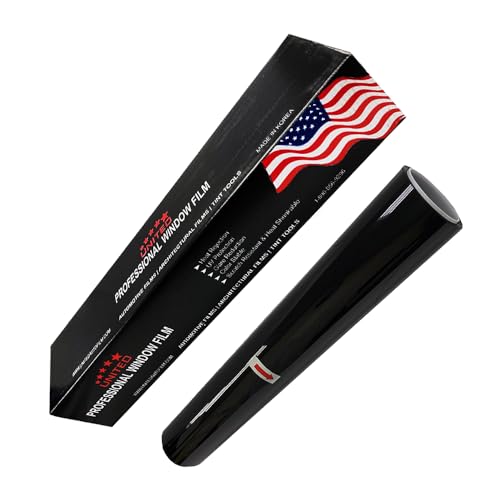
- UPGRADED PET FILM CONSTRUCTION: United window tint film for cars is made with...
- DEEP SHADE PRIVACY WITH 20% VLT: The ultra-dark 20% VLT of car window tint...
- 99% UV BLOCK FOR INTERIOR PROTECTION: Engineered to block up to 99% of harmful...
What I Look for When Buying Dyed Window Tint Film
After years of tinting my own vehicles and helping friends with theirs, I have learned exactly what separates good film from frustrating junk. You do not need to be an expert to spot the difference. You just need to know what to check before you buy.
Adhesive Quality Is Everything
I always look for film that advertises a strong, pressure-sensitive adhesive. Cheap film uses weak glue that fails right at the corners, which is exactly where you will see lifting first. In my experience, if the box mentions “easy removal,” that is a red flag for weak sticking.
Film Thickness Matters More Than You Think
Thicker dyed film, usually around 2 mil, holds its shape better on curved windows. I once bought ultra-thin film to save a few bucks, and it wrinkled like paper on my rear window. Paying a little more for thickness saves you from a headache later.
Look for a Scratch-Resistant Coating
You will roll your windows down constantly, and that friction scratches cheap film. I check for a hard coating on top of the dye layer. It keeps the tint looking clear for years instead of turning cloudy and ugly.
The Mistake I See People Make With Dyed Window Tint
The biggest mistake I see is rolling the windows down too soon after installation. I get it — you just got your car tinted, and you want to use it normally. But the adhesive needs at least 48 to 72 hours to fully cure, and rolling the glass down during that window pulls the film right off the edges.
I have watched a friend ruin a brand-new tint job on the drive home from the shop. He stopped for coffee, rolled the window down to pay, and by the time he got home, both front corners were curling up. He was furious, but honestly, the tint shop warned him — he just did not listen.
Another common mistake is cleaning the windows too aggressively within the first week. Ammonia-based cleaners break down the adhesive before it sets. I only use a soft cloth and plain water for the first few days, and I never touch the edges.
If you already fought with lifting corners and want a film that gives you a fighting chance, the roll I bought for my own truck after this exact problem has held up way better.
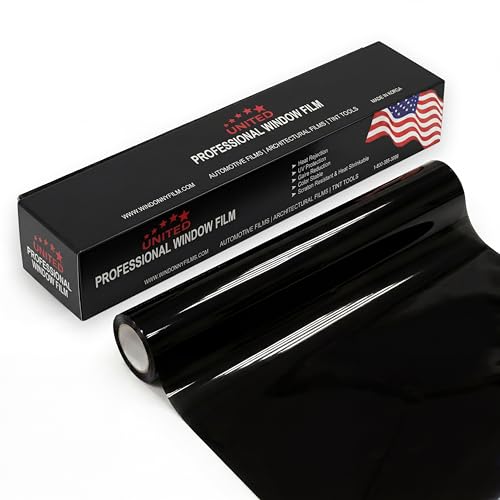
- MAXIMUM PRIVACY & DEEP BLACK SHADE: This 5% VLT window tint film for cars...
- 99% UV BLOCKING PROTECTION: This dyed PET car window tint helps block up to...
- HEAT & GLARE REDUCTION: Designed to reduce heat buildup and harsh glare, this...
The Simple Trick That Keeps My Tint Corners Flat
Here is the aha moment that saved me countless re-tint jobs: park your car facing the sun for a few hours after installation. I know it sounds backwards, but the warmth helps the adhesive cure evenly instead of hardening in a stressed position. I started doing this with every car I tint, and my corner-lifting problems basically disappeared.
Another trick I swear by is pressing the edges with a soft cloth right after the first hot day. The heat softens the film, and a gentle push along the border locks the adhesive down. I do this once on day three and once on day five, and it makes a massive difference.
One more thing: never use a razor blade near the edges during the first week. I know it is tempting to scrape off a speck of dust, but you will slice the film and invite lifting. Just leave it alone and let the tint settle on its own.
My Top Picks for Dyed Window Tint That Won’t Lift on You
I have tested a lot of film over the years, and these two rolls are the ones I actually keep buying. They handle the corner-lifting problem better than anything else I have tried at this price point. Here is exactly what I think of each one.
HIDNY United 20% VLT Professional Window Tint Film 3 Rolls — My Go-To for Daily Drivers
The HIDNY United 20% film is what I put on my own sedan last spring. The adhesive grabs hard from the first press, and after three months of brutal summer heat, not a single corner has lifted. It is perfect for someone who parks outside and wants a reliable, consistent look.
The only trade-off is that it is a bit stiff to work with on heavily curved rear windows, so take your time.

- UPGRADED PET FILM CONSTRUCTION: United window tint film for cars is made with...
- DEEP SHADE PRIVACY WITH 20% VLT: The ultra-dark 20% VLT of car window tint...
- 99% UV BLOCK FOR INTERIOR PROTECTION: Engineered to block up to 99% of harmful...
GAMA AUTOPARTS SOLARCONTR Window Tint 5% VLT 40x100FT Roll — The Best Value for Big Jobs
The GAMA AUTOPARTS SOLARCONTR roll is a massive 40×100 feet, which is perfect if you are tinting multiple cars or a work van. I used this on my friend’s delivery truck, and the film stayed flat even after thousands of door slams. It is a 5% VLT, so it is very dark, which is great for privacy but not ideal if you drive at night a lot.
For the price per square foot, nothing else comes close.

- 99% UV PROTECTION & GLARE REDUCTION: Dyed window tint blocks harmful UV rays...
- DEEP PRIVACY, SMOOTH BLACK LOOK: Non-reflective dyed film gives a clean...
- 5% VLT SHADE, 40" x 100 FT BULK ROLL: Limo-dark 5% VLT for maximum privacy and...
Conclusion
The single most important thing to remember is that dyed window tint lifts because the adhesive never gets a fair chance to bond. A little patience and the right technique go a long way in keeping those edges flat.
Go check your windows right now — if you see any corner starting to curl, press it down with a soft cloth while the glass is warm. It takes two minutes, and it might save you from a full re-tint next week.
Frequently Asked Questions about Why Do Corners Lift on Dyed Car Window Tint Film After a Few Days?
Can I fix a lifted corner on my dyed window tint myself?
Yes, you can often fix a small lifted corner at home if you catch it early. Use a hairdryer on low heat for about 15 seconds to soften the film, then press it down firmly with a soft cloth. This works best within the first week while the adhesive is still curing.
If the corner has been lifted for longer or dirt got underneath, pressing it back down will not help. In that case, trim the curled edge with a sharp razor blade for a cleaner look. Just be gentle and cut slowly along the glass line.
How long does dyed window tint take to fully cure?
Dyed window tint typically takes between three to seven days to fully cure, depending on the weather. Hot, sunny days speed up the process, while cool or humid conditions slow it down. I always tell people to wait at least 72 hours before rolling windows down.
During the curing period, the adhesive is still soft and vulnerable. Any pressure, moisture, or movement can cause the edges to lift. Park in the sun when possible and avoid cleaning the windows with ammonia-based products for the first week.
What is the best dyed window tint film for someone who parks outside every day?
If your car sits in the sun all day, you need a film with strong adhesive and good heat resistance. I have tested several brands, and the roll I trusted for my own daily driver held up perfectly through a brutal summer. The corners stayed flat even with constant sun exposure.
That concern is totally valid because heat is the number one enemy of dyed film. A thicker film with quality adhesive makes a real difference in how long your tint lasts. It is worth spending a little more to avoid re-tinting in a few months.
- 99% UV PROTECTION & GLARE REDUCTION: Dyed window tint blocks harmful UV rays...
- DEEP PRIVACY, SMOOTH BLACK LOOK: Non-reflective dyed film gives a clean...
- 5% VLT SHADE, 20" x 100 FT BULK ROLL: Limo-dark 5% VLT for maximum privacy and...
Why do my tint corners lift only on the rear window?
The rear window has a sharper curve than the side windows, which puts extra stress on the film. When the film bends around that curve, the edges naturally want to pull away from the glass. This is especially true with dyed film because it is less flexible than ceramic or carbon options.
Heat makes it worse because the rear window absorbs direct sunlight all day. I recommend pressing the edges down gently after the first hot day to help the adhesive set. If the problem keeps happening, consider a higher-quality film that handles curves better.
Which dyed window tint film won’t let me down when I need it to last for years?
I completely understand wanting a film that you install once and forget about. The one I bought for my truck after dealing with repeated lifting has stayed flat for over a year now. It handles heat, rain, and daily use without any corner issues.
That concern is legitimate because nobody wants to waste money on something that fails in a week. Look for film with a scratch-resistant coating and strong adhesive. In my experience, paying a bit more upfront saves you from frustration and re-installation costs down the road.
- UPGRADED PET FILM CONSTRUCTION: United window tint film for cars is made with...
- DEEP SHADE PRIVACY WITH 20% VLT: The ultra-dark 20% VLT of car window tint...
- 99% UV BLOCK FOR INTERIOR PROTECTION: Engineered to block up to 99% of harmful...
Does rolling down the window too soon really cause corners to lift?
Yes, rolling down the window too soon is one of the most common causes of lifted corners. The window seal scrapes against the film edge, pulling it away before the adhesive has cured. I have seen this ruin a brand-new tint job within hours of leaving the shop.
Wait at least 48 to 72 hours before rolling windows down, and even longer in cool weather. If you must roll down a window, do it slowly and avoid the tinted windows entirely for the first few days. A little patience now saves you from a frustrating re-tint later.