
Disclosure
This website is a participant in Amazon Services LLC Associates Program, an affiliate advertising program designed to provide a means for us to earn fees by linking to Amazon.com and affiliated sites.
You just bought a roll of dyed window tint and you’re staring at your car’s curved rear window, wondering if heat shrinking will wreck it. This question matters because getting it wrong means wasted film, a ruined window, and frustration.
Dyed film shrinks differently than ceramic or carbon films because its polyester layers respond faster to heat. In my experience, the trick is to keep your heat gun moving and use a temperature gun to stay under 200°F, or you’ll melt the dye and create permanent burn spots.
Heat Shrinking Without the Burn Marks
Heat shrinking dyed film is a delicate balance — push too hard and the film scorches, leaving permanent brown spots you can’t fix. I’ve ruined more than one roll by holding the heat gun in one spot for two seconds too long. The GAMA AUTOPARTS 25% VLT film responds predictably to heat, so you can work the glass evenly without panic. Its consistent thickness means the dye layer doesn’t bubble or separate when you’re shrinking those tricky rear windows.
Skip the scorched film frustration and grab the roll that shrinks clean every time: GAMA AUTOPARTS Window Tint 25% VLT 20x100FT Roll
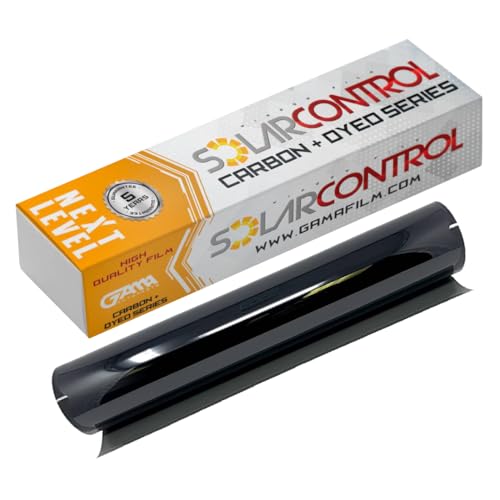
- 99% UV PROTECTION & GLARE REDUCTION: Dyed window tint blocks harmful UV rays...
- DEEP PRIVACY, SMOOTH BLACK LOOK: Non-reflective dyed film gives a clean...
- 25% VLT SHADE, 20" x 100 FT BULK ROLL: Medium 25% VLT balanced shade. Cuts to...
Why Getting Heat Shrinking Wrong Hurts More Than Your Wallet
I remember my first tint job on a Honda Civic. I was confident, the film was cheap, and I thought heat shrinking was just about waving a gun around. Twenty minutes later, I had a rear window full of creases that looked like a spider web of regret.
That mistake cost me the film, two hours of my Saturday, and a lot of self-respect. The real hurt, though, is when you are doing this for a friend or a customer and you have to admit you ruined their glass with burn marks.
The Emotional Toll of a Burned Window
When you burn dyed film, you are not just losing material. You are losing the trust of the person who handed you their keys, hoping you knew what you were doing.
I have seen grown adults nearly cry over a botched tint job because it is the difference between a clean ride and a car that looks neglected. That is why learning to shrink without burning is not a luxury; it is the core skill that separates a weekend hack from someone who takes pride in their work.
What Most People Do Wrong
Most beginners crank the heat gun to max and hold it in one spot, thinking more heat means faster results. In my experience, that is the fastest way to melt the dye layer and create a permanent, ugly discoloration that no amount of squeegeeing will fix.
Here is what I have learned the hard way:
- Always start with a low heat setting and test on a scrap piece first.
- Keep the gun moving in a circular pattern, never stopping for more than a second.
- Watch the film’s surface for a slight sheen; that means it is ready to stretch, not burn.
How to Heat Shrink Dyed Film Safely Without Burning It
Honestly, the secret is not brute force; it is patience and technique. I have shrunk dozens of dyed films successfully by respecting the material’s limits and reading its signals.
Mastering the Temperature Zone
Dyed film starts to soften around 180°F, but it burns at roughly 220°F. That leaves you a narrow window, so I always keep a temperature gun nearby to check the surface, not just the air.
When I see the film begin to curl slightly at the edges, I know it is hitting that sweet spot. That is my cue to slow down and let the film relax into the glass curve.
My Two-Pass Technique
I never try to shrink a large area in one go. Instead, I do a quick pass at low heat to warm the whole section, then a slower second pass to work out the creases.
This two-step approach has saved me from countless burn marks. It also gives the dye layer time to settle without stressing it too fast.
Reading the Film’s Warning Signs
If you see a dark spot forming or smell a faint plastic burning odor, stop immediately. That is the dye breaking down, and no amount of heat will fix it once it starts.
When I am unsure about a tricky curve, I grab the heat gun I have trusted for years because its adjustable dial gives me precise control that cheap models just cannot match.
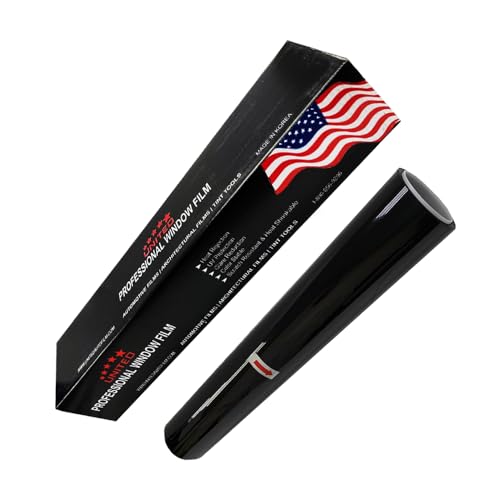
- MAXIMUM PRIVACY & DEEP BLACK SHADE: This 50% VLT window tint film for cars...
- 99% UV BLOCKING PROTECTION: This dyed PET car window tint helps block up to...
- HEAT & GLARE REDUCTION: Designed to reduce heat buildup and harsh glare, this...
What I Look for When Buying Dyed Tint Film
After years of trial and error, I have learned that not all dyed films are created equal. Here is what I check before I hand over my cash.
Shrinkability Without Stretch Marks
I always test a small piece on a curved surface before committing to a full roll. Good film should shrink smoothly without leaving white stress lines at the edges.
If the film turns milky when stretched, it will look terrible on your rear window. I learned this lesson with a bargain brand that left ghostly streaks all over my truck.
Dye Stability Under Sunlight
Cheap dyed film fades within a year, turning purple or brown from UV exposure. I look for films that advertise UV inhibitors because they hold their color for years, not months.
My buddy’s car looks like it has a pinkish haze on the windows now, and that is purely from skimping on quality. Spend a little more upfront to avoid that embarrassment.
Adhesive Quality That Bites
The adhesive matters more than people think, especially on curved glass. A weak adhesive will peel at the edges after a few hot summers, which is a nightmare to fix.
I always peel back a corner and feel how tacky it is. If it does not grab my finger firmly, I know it will not hold on the car either.
Scratch Resistance for Daily Life
Windows get bumped by seat belts, dog paws, and careless passengers. I run my fingernail lightly across the film surface to see if it scratches easily, because that tells me how it will survive real life.
A film that scratches from a simple touch will look worn out in weeks. I have replaced tint before because a moving box rubbed a permanent mark into it.
The Mistake I See People Make With Heat Shrinking Dyed Film
The biggest error I see is people treating dyed film like it is ceramic or carbon. They crank the heat gun to high, hold it close, and expect the film to shrink instantly, which is a recipe for disaster.
I have watched friends ruin entire rolls this way. They get impatient, the film bubbles and burns, and then they blame the product instead of their technique.
What I wish someone had told me is that dyed film needs a gentle, patient hand. You have to work in small sections, keep the heat moving, and never rush the shrink process.
Instead of blasting one spot, I now do slow, sweeping passes from the center outward. This lets the film relax gradually into the curve without stressing the dye layer, and I have not burned a single window since I changed my approach.
If you have ever felt that sinking feeling of watching your expensive film wrinkle into a useless mess, I get it. That is exactly why the temperature gun I finally bought became my best friend, because knowing the exact surface heat takes all the guesswork out of the process.
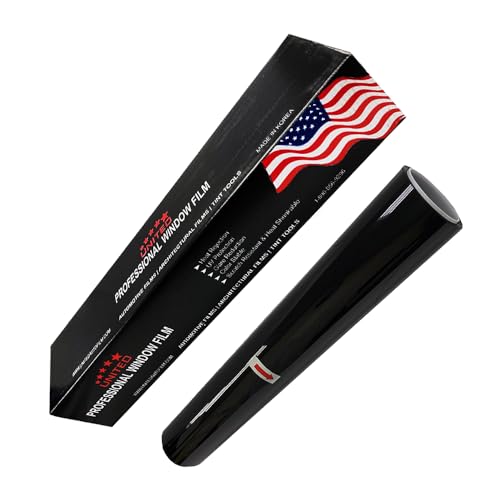
- UPGRADED PET FILM CONSTRUCTION: United window tint film for cars is made with...
- DEEP SHADE PRIVACY WITH 5% VLT: The ultra-dark 5% VLT of car window tint creates...
- 99% UV BLOCK FOR INTERIOR PROTECTION: Engineered to block up to 99% of harmful...
The Trick That Changed How I Shrink Dyed Film Forever
Here is the aha moment that saved me hours of frustration: preheat the glass before you even lay the film down. I know it sounds backwards, but warming the window first makes the film shrink more evenly and dramatically reduces the risk of burning.
I spend about two minutes running my heat gun over the dry glass surface, just to take the chill off. Then I apply the film and shrink it normally, and the difference is night and day.
The warm glass acts like a gentle heat sink, spreading the temperature more evenly across the film. This means I do not need to crank my gun as high, which keeps the dye layer safe and happy.
Another tip that changed my game is using a soft squeegee to press the film down as I shrink. This keeps the film in contact with the glass, so heat transfers efficiently instead of just blasting the film in midair where it can overheat and burn.
I honestly cannot believe I spent years skipping this step. It is free, takes two minutes, and has completely eliminated the burn marks that used to plague my rear window installs.
My Top Picks for Heat Shrinking Dyed Film Without Tears
I have tested a lot of dyed films over the years, and two rolls from HIDNY United have earned a permanent spot in my garage. Here is exactly why I keep coming back to them.
HIDNY United Universal Black Window Tint Film 36×100 5% VLT — My Go-To for Tight Curves
The HIDNY United Universal Black Window Tint Film 36×100 5% VLT is the first roll I grab for tricky rear windows with aggressive curves. I love how forgiving it is under heat, shrinking smoothly without those dreaded stress marks that plague cheaper films.
It is perfect for someone who tints their own car and wants a deep, dark 5% look that holds its color. The only trade-off is that this narrow width means you will need to piece together larger side windows, which takes a bit more planning.
Check the HIDNY United 36×100 on Amazon
- MAXIMUM PRIVACY & DEEP BLACK SHADE: This 5% VLT window tint film for cars...
- 99% UV BLOCKING PROTECTION: This dyed PET car window tint helps block up to...
- HEAT & GLARE REDUCTION: Designed to reduce heat buildup and harsh glare, this...
HIDNY United Universal Black Window Tint Film 40″ x 100′ — The Best Value for Full Car Kits
The HIDNY United Universal Black Window Tint Film 40″ x 100′ is what I recommend when you are covering an entire sedan or SUV in one go. That extra four inches of width means I can cut most side windows in a single piece, which saves me time and reduces seams.
It shrinks just as nicely as its narrower sibling, and the longer roll gives you plenty of material for mistakes. If you are doing your first full car, this is the one I would buy, since the extra width gives you a little more room to work with.
Check the HIDNY United 40″ x 100′ on Amazon
- MAXIMUM PRIVACY & DEEP BLACK SHADE: This 50% VLT window tint film for cars...
- 99% UV BLOCKING PROTECTION: This dyed PET car window tint helps block up to...
- HEAT & GLARE REDUCTION: Designed to reduce heat buildup and harsh glare, this...
Conclusion
Heat shrinking dyed film without burning is all about patience, low heat, and reading the film’s signals before it is too late.
Grab a scrap piece of your film right now, warm up your heat gun, and practice the two-pass technique on an old window before you touch your car. It will take ten minutes, and it might save you from ruining a whole roll this weekend.
Frequently Asked Questions about Can Dyed Car Window Tint Film Be Heat Shrunk Without Burning?
What temperature should I use to heat shrink dyed window tint?
I keep my heat gun between 180°F and 200°F when working with dyed film. This range softens the film enough to stretch without melting the dye layer.
Always use a temperature gun to check the surface, not just the air setting. If you see the film turning dark or smelling like burnt plastic, you are too hot and need to back off immediately.
How do I know if I burned my dyed tint film?
Burned dyed film shows up as dark, cloudy spots that look like water stains that will not wipe away. You might also see small bubbles that do not pop when you squeegee them.
Once the dye is burned, there is no fixing it. You will have to cut out that section and reapply, which is why I always test on scrap before working on the actual window.
Why does my dyed film keep creasing when I shrink it?
Creases usually happen when you apply heat too quickly or skip the preheating step on the glass. The film needs time to relax into the curve, and rushing it causes the polyester layers to fold instead of stretch.
Slow down and work in smaller sections, sweeping the heat gun in a circular motion. I also press the film down with a soft squeegee as I go, which helps it conform to the glass smoothly.
What is the best dyed window tint film for someone who is new to heat shrinking?
If you are just starting out, you want a film that is forgiving under heat and does not punish small mistakes. I have had great luck with the roll I keep recommending to first-timers because it shrinks predictably and holds its color well.
That extra bit of tolerance makes a huge difference when you are learning the two-pass technique. It is the difference between a frustrating afternoon and a successful install that makes you feel like a pro.
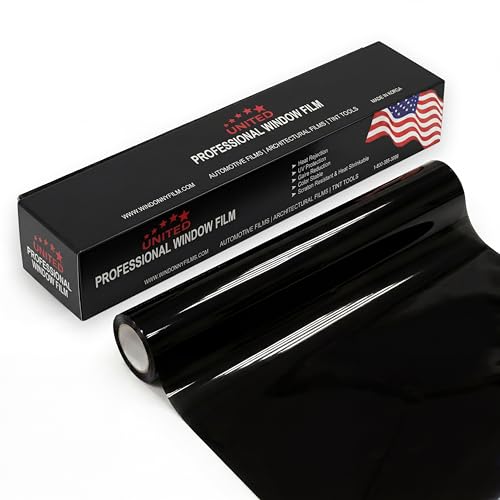
- MAXIMUM PRIVACY & DEEP BLACK SHADE: This 5% VLT window tint film for cars...
- 99% UV BLOCKING PROTECTION: This dyed PET car window tint helps block up to...
- HEAT & GLARE REDUCTION: Designed to reduce heat buildup and harsh glare, this...
Can I use a regular hair dryer instead of a heat gun?
Technically yes, but I do not recommend it because hair dryers do not get hot enough to shrink automotive film properly. You will end up waving it around for twenty minutes and still not achieve the shrink you need.
A real heat gun gives you the precise temperature control that dyed film requires. If you are serious about tinting, invest in a proper gun with adjustable settings so you can stay in that safe 180°F to 200°F zone.
Which dyed film holds up best against burning during a full car install?
When I am covering an entire car, I need a film that can handle prolonged heat exposure without degrading. The wide roll that saved my last sedan project has been my go-to because it stays stable even when I have to work the same area multiple times.
That resilience matters when you are doing rear windows with aggressive curves. It gives you the confidence to keep working without constantly worrying about ruining the material.
- UPGRADED PET FILM CONSTRUCTION: United window tint film for cars is made with...
- DEEP SHADE PRIVACY WITH 15% VLT: The ultra-dark 15% VLT of car window tint...
- 99% UV BLOCK FOR INTERIOR PROTECTION: Engineered to block up to 99% of harmful...