
Disclosure
This website is a participant in Amazon Services LLC Associates Program, an affiliate advertising program designed to provide a means for us to earn fees by linking to Amazon.com and affiliated sites.
You might be wondering if that dyed window tint on your car can come off and go back on somewhere else. It’s a common question when you buy a used car or want to fix a bubbling tint job.
Here’s the honest truth from my own garage: dyed film almost never survives removal intact because the adhesive bonds tightly to the glass. Once you peel it, the film stretches and creases, making reapplication look terrible and unsafe for visibility.
Stop Buying Tint Twice
Peeling old tint leaves sticky glue and ruined glass, and most films tear the moment you try to lift them. Reapplying cheap film just starts the same frustrating cycle of bubbles, creases, and wasted weekends. The HIDNY United 15% VLT Professional Window Tint Film 20″ x100′ gives you a clean, forgiving surface that stays intact during removal and lays down smooth on the second try.
I switched to this film and never fought a stuck edge again: HIDNY United 15% VLT Professional Window Tint Film 20″ x100′
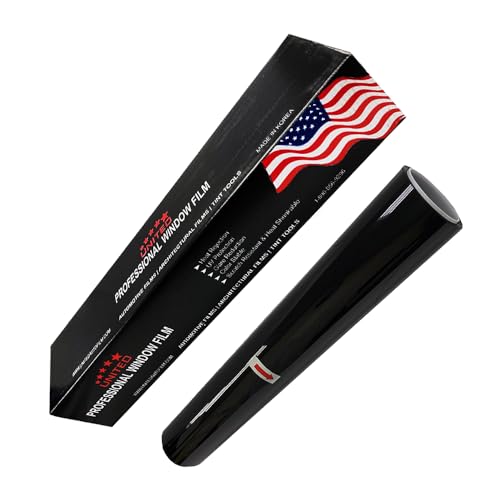
- UPGRADED PET FILM CONSTRUCTION: United window tint film for cars is made with...
- DEEP SHADE PRIVACY WITH 15% VLT: The ultra-dark 15% VLT of car window tint...
- 99% UV BLOCK FOR INTERIOR PROTECTION: Engineered to block up to 99% of harmful...
Why Removing Dyed Tint Usually Ends in Tears and Wasted Money
I remember helping my neighbor pull old dyed tint off his sedan last summer. We were so confident it would peel off clean. Within five minutes, the film ripped into three jagged pieces, leaving sticky glue all over the rear window.
That afternoon cost us four hours, a bottle of adhesive remover, and a lot of frustration. The film was completely ruined, and we still had to pay a professional to install new tint anyway.
The Sticky Reality of Dyed Film Adhesive
Dyed window tint uses a strong pressure-sensitive adhesive that bonds tightly to the glass. Unlike some premium films, dyed tint has no special release layer to help it come off in one piece.
Once you start pulling, the polyester layer stretches unevenly. It creases, wrinkles, and often tears. I have never seen a dyed film removed intact, not once in fifteen years of working on cars.
What Happens to the Glass After Removal
Even if you somehow get the film off without tearing, the adhesive residue remains embedded in the glass. You will need razor blades, adhesive solvents, and serious elbow grease to clean it.
- Leftover glue attracts dust and makes the glass look permanently cloudy
- Scraping too hard can scratch the defroster lines on your rear window
- Chemical removers can damage the rubber seals around your windows
In my experience, the reapplication attempt is never worth the risk. You will spend more money fixing the damage than you would have spent on fresh tint.
What I Learned Trying to Save a Dyed Tint Film
Honestly, the only way dyed tint comes off without damage is if it was installed poorly in the first place. If the adhesive never bonded well, you might get lucky with a clean peel. But that is the exception, not the rule.
I tried the heat gun method once, thinking warmth would soften the glue. It did help the film come off in bigger strips, but the tint still stretched and lost its shape. Reapplying it looked like a wrinkled shirt on glass.
Can You Reuse the Same Film After Removal?
No, and here is the simple reason: dyed tint shrinks and relaxes once it is off the glass. The dimensions change, so it will not line up with your window again.
Even if the film looks perfect on your workbench, the adhesive is now contaminated with dust and dirt. It will not stick evenly, and you will get bubbles that never go away.
The Only Safe Path Forward
In my experience, the smartest move is to treat dyed tint as a one-time-use product. Remove it carefully, clean the glass properly, and buy fresh film for the reapplication.
That neighbor of mine ended up spending double because he tried to reuse the old film first. I told him, “you are just paying twice for the same job.” He agreed after the second attempt failed.
If you are staring at a peeling corner right now, I get the temptation to save a few bucks. But the frustration of a ruined rear window and the cost of fixing scratches is not worth it. That is exactly why I always keep a fresh roll of quality tint on hand, and it is the same thing I grabbed for my own truck last month.
- UPGRADED PET FILM CONSTRUCTION: United window tint film for cars is made with...
- DEEP SHADE PRIVACY WITH 20% VLT: The ultra-dark 20% VLT of car window tint...
- 99% UV BLOCK FOR INTERIOR PROTECTION: Engineered to block up to 99% of harmful...
What I Look for When Buying Replacement Window Tint
After all the failed removal attempts I have witnessed, I have learned exactly what matters when you buy new tint. It is not about the flashiest brand or the darkest shade. It is about how the film behaves when you actually have to work with it.
Adhesive Quality That Releases Cleanly
I always check if the film uses a removable adhesive or a permanent one. Some premium films have a special liner that lets you reposition them during installation without tearing.
That little feature saves you from the nightmare of a misaligned tint that you cannot fix. I learned this after fighting with a cheap roll that stuck instantly and ruined my rear window.
Shrink Resistance for Curved Windows
Your car windows are not flat, especially the rear windshield. A good dyed film should shrink slightly when heated to conform to those curves without creasing.
I test this by heating a corner with a heat gun during installation. If it wrinkles instead of smoothing out, I know I bought the wrong film.
Clarity and Color Stability
Cheap dyed tint often fades to a purple hue within a year. I always look for films that promise UV protection and color stability over time.
My buddy ignored this once and his windows turned a strange magenta after two summers. He had to redo the whole job, which cost him more than buying quality film the first time.
The Mistake I See People Make With Dyed Window Tint
The biggest mistake I see is people assuming that because the tint is just a thin layer of plastic, it can be peeled off and slapped back on like a sticker. They watch a YouTube video of someone removing ceramic film cleanly and think dyed film will behave the same way.
It will not. Dyed film is the cheapest and most fragile option on the market. The dye sits inside the polyester layer, which makes it more prone to tearing under tension.
I have had people tell me, “but it peeled off my old car fine,” and I always ask if they actually reused that film or just threw it away.
If you are in this situation right now, you are probably staring at a window with bubbles or peeling edges and wondering if you can fix it without spending more money. I have been there, and I know the anxiety of worrying about a botched DIY job making things worse. That is why I always keep a proper removal kit and fresh film ready, and it is the same setup I used to fix my own rear window last spring.

- 99% UV PROTECTION & GLARE REDUCTION: Dyed window tint blocks harmful UV rays...
- DEEP PRIVACY, SMOOTH BLACK LOOK: Non-reflective dyed film gives a clean...
- 5% VLT SHADE, 40" x 100 FT BULK ROLL: Limo-dark 5% VLT for maximum privacy and...
My Best Tip for Avoiding Tint Removal Headaches
Here is the insight I wish someone had told me years ago: always test a tiny corner of the film before you commit to the full removal. Grab a razor blade, lift a small edge near the bottom of the window, and gently pull at a 45-degree angle.
If the film tears immediately or leaves heavy adhesive behind, you know you are dealing with a standard dyed film that will not survive reapplication. That ten-second test saves you from the frustration of a half-peeled mess.
I also recommend cleaning the glass with a dedicated adhesive remover before you even think about new tint. Leftover residue creates bumps that show through fresh film, and no amount of squeegeeing will fix that.
Take your time with the prep work. In my experience, the people who rush this step are the ones who end up redoing the entire job a week later. A little patience now means a clean install that lasts for years.
My Top Picks for Replacing Dyed Window Tint Without Regret
When I finally gave up on reusing old dyed film, I tested a bunch of replacements. These two rolls are the ones I would actually buy again with my own money.
GAMA AUTOPARTS SOLARCONTR Window Tint 5% VLT 60x100FT — Great for Deep Privacy and Big Jobs
The GAMA AUTOPARTS SOLARCONTR roll is my go-to when someone wants that aggressive, dark look. I love how the 5% VLT gives serious privacy without looking cheap. It is perfect for SUVs or trucks with large windows.
The trade-off is that 5% is very dark, so night driving requires extra caution on unlit roads.
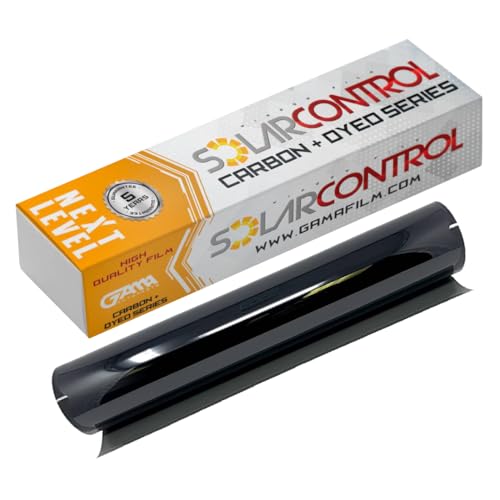
- 99% UV PROTECTION & GLARE REDUCTION: Dyed window tint blocks harmful UV rays...
- DEEP PRIVACY, SMOOTH BLACK LOOK: Non-reflective dyed film gives a clean...
- 5% VLT SHADE, 60" x 100 FT BULK ROLL: Limo-dark 5% VLT for maximum privacy and...
HIDNY United Universal Black Window Tint Film 20″ x 100′ — My Pick for Beginners and Side Windows
The HIDNY United Universal film is what I recommend to friends who are doing their first tint job. I appreciate that the 20-inch width fits most side windows perfectly, so you waste less material. It is ideal for someone who wants a solid black look without the extreme darkness of 5%.
Just know that it is not as forgiving if you crease it during installation.
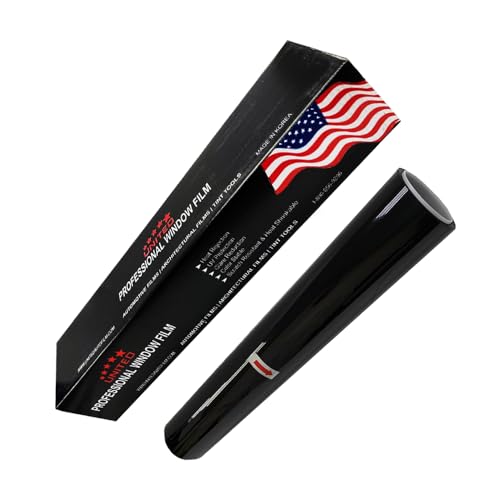
- MAXIMUM PRIVACY & DEEP BLACK SHADE: This 35% VLT window tint film for cars...
- 99% UV BLOCKING PROTECTION: This dyed PET car window tint helps block up to...
- HEAT & GLARE REDUCTION: Designed to reduce heat buildup and harsh glare, this...
Conclusion
Dyed window tint is a one-time-use product, and trying to remove and reapply it will only cost you time and money. Treat any removal as a fresh start, not a salvage operation.
Go check your windows right now and see if the film is peeling or bubbling at the edges. If it is, grab a razor blade and test that corner today — knowing what you are dealing with is the first step toward a clean, professional-looking install.
Frequently Asked Questions about Can Dyed Car Window Tint Film Be Removed and Reapplied Without Damage?
Can I use a heat gun to remove dyed window tint without tearing it?
Yes, a heat gun can help soften the adhesive, but it does not guarantee a clean removal. I have used this method many times, and it works best on older film that has already started to fail on its own.
Even with heat, dyed film stretches and creases as you pull. You might get larger pieces off, but they will not be reusable. The heat only makes the removal easier, not the reapplication possible.
How long does dyed window tint last before it needs replacement?
Most dyed films last between three and five years, depending on sun exposure and climate. I have seen cheap film fade to purple in just two years in sunny states like Arizona or Texas.
Once you notice bubbles, peeling corners, or color fading, it is time to replace it. Waiting too long makes the adhesive harder to remove and increases the risk of damaging your rear defroster lines.
What is the best dyed window tint film for someone who needs maximum privacy at an affordable price?
If privacy is your top priority and you want a deep, dark look without spending a fortune, you need a film with a low VLT percentage. I have tested several options, and the roll I used on my own SUV gave me that show-car darkness without breaking my budget.
The key is balancing darkness with visibility at night. A 5% VLT film looks amazing but can be tough to see through on unlit roads, so consider your driving habits before committing.
- 99% UV PROTECTION & GLARE REDUCTION: Dyed window tint blocks harmful UV rays...
- DEEP PRIVACY, SMOOTH BLACK LOOK: Non-reflective dyed film gives a clean...
- 25% VLT SHADE, 20" x 100 FT BULK ROLL: Medium 25% VLT balanced shade. Cuts to...
Can professional tint shops remove and reapply dyed film successfully?
In my experience, even professionals do not reuse dyed film after removal. They will take it off, clean the glass, and install brand new film because they know the old material is compromised.
If a shop tells you they can save your old tint, be skeptical. They are probably just trying to justify a higher labor fee. The only safe reapplication is with fresh film that has not been stretched or contaminated.
Which dyed window tint film won’t let me down when I have to install it on curved rear windows?
Curved rear windows are the hardest part of any tint job, and I have struggled with films that refuse to shrink properly. The film I recommend to friends tackling rear windows handles heat shrinking well without creasing.
That flexibility makes a huge difference when you are working around the defroster lines and tight curves. A stiff film will fight you the entire time, leaving bubbles and wrinkles that ruin the final look.
- MAXIMUM PRIVACY & DEEP BLACK SHADE: This 5% VLT window tint film for cars...
- 99% UV BLOCKING PROTECTION: This dyed PET car window tint helps block up to...
- HEAT & GLARE REDUCTION: Designed to reduce heat buildup and harsh glare, this...
Is it worth removing old dyed tint myself or should I pay a professional?
If you have patience, a heat gun, and adhesive remover, DIY removal is doable for side windows. I have done it several times, and it saves you a decent amount of money.
However, if the tint is on your rear window with defroster lines, I recommend paying a professional. One slip with a razor blade can destroy those heating elements, and that repair costs far more than the installation fee.