
Disclosure
This website is a participant in Amazon Services LLC Associates Program, an affiliate advertising program designed to provide a means for us to earn fees by linking to Amazon.com and affiliated sites.
I worried about the same thing when I first bought precut tint for my car. Scratches on your windows are a real concern, especially if you plan on keeping your vehicle for years.
Here is the good news: the film itself is soft and won’t scratch glass. The real risk comes from dirty tools, trapped debris, or careless installation, not the precut material sitting on the surface.
Stop Tint Scratches Before They Start
Scratches happen when film shifts against the glass during installation or when edges peel and catch debris. A precut kit eliminates the guesswork of trimming on the glass, which is where most scratches begin. The Anasido Precut Window Tint Film Kit is precision-cut for your Ford F250, so you press it on and never drag a blade across your windows.
Ditch the razor and stop the scratching for good with the Anasido Precut Window Tint Film Kit Ford F250 2017-2026

- ALL SIDES PRE-CUT WINDOW TINT: For Ford F250/350/450/550 Crew Sedan...
- EASY TO INSTALL: This precision-cut kit is tailored to fit your vehicle...
- HIGH-QUALITY WINDOW TINT: This pre-cut window tint film uses Two Ply Nano...
Why Scratched Windows Are a Bigger Deal Than You Think
Scratched glass is not just an eyesore. It can reduce visibility when the sun hits it just right, and it lowers your car’s resale value faster than a dented bumper. I learned this the hard way when I tried to save money with a cheap DIY tint kit on my old sedan.
I rushed the job, didn’t clean the glass properly, and trapped a tiny piece of grit under the film. Within a month, I had a permanent curved scratch right in my line of sight. Every sunset became a blinding glare, and I ended up paying a professional to remove the tint and polish the glass anyway.
What Actually Causes Scratches Over Time
In my experience, the film is rarely the culprit. The damage usually comes from what gets trapped between the film and the glass, or how you handle the surface later. Here are the real offenders I have seen:
- Dust or sand particles left on the glass before installation
- Using a hard squeegee or metal scraper during application
- Cleaning the tint with abrasive pads or ammonia-based sprays later
- Rolling the window down too soon before the adhesive has fully cured
Precut film is actually safer than a roll because it is already sized. You are not trimming edges near the glass, which means less chance of a knife slip scratching the surface. That is a big win for nervous first-timers like me.
My Honest Take on Long-Term Risk
After years of testing different films on my family cars, I can tell you the scratch risk is low if you prep properly. The adhesive is soft, and the polyester layers are designed to flex without gouging glass. The real enemy is impatience, not the product itself.
Take your time, clean the window like your life depends on it, and let the tint cure for a few days. Do that, and your windows will stay as clear as the day you bought the car.
How to Prevent Scratches When Installing Precut Film
Honestly, the best way to avoid scratches is to control the environment before the film ever touches the glass. I have installed tint on three different cars now, and every single problem I faced came from something I could have prevented with a little patience. Let me walk you through what actually worked for us.
Prep the Glass Like a Pro
I always start by washing the window with a mild soap and water solution, then I use a clay bar to pull out any embedded dirt. That sounds fancy, but it is just a soft block that lifts grime a regular towel misses. After that, I wipe everything down with a lint-free cloth and check the surface under a bright light.
If I see even one speck of dust, I start over. It feels obsessive, but that single speck is exactly what turns into a scratch when you squeegee the film down. My wife laughs at me for it, but she has never had a scratched window either.
Use the Right Tools and Technique
I never use a metal squeegee on the film. A soft rubber one or even a plastic card wrapped in a microfiber cloth works better and glides without digging in. You also want to work from the center outward, pushing air bubbles to the edges instead of dragging the film back and forth.
- Spray a slip solution on the glass before placing the film
- Press gently at first, then increase pressure as the water squeezes out
- Let the film dry for at least 48 hours before rolling the window down
- Clean the tinted surface only with a soft cloth and ammonia-free cleaner
Following these steps has saved me from every scratch nightmare I read about online. It takes an extra hour, but it is worth it when your windows still look flawless years later.
You are probably tired of squinting through hazy, scratched glass or worrying that your next DIY project will ruin your car. I felt the same way until I found the exact precut kit that made installation foolproof for me — what I grabbed for my own car took all the guesswork out of the process.
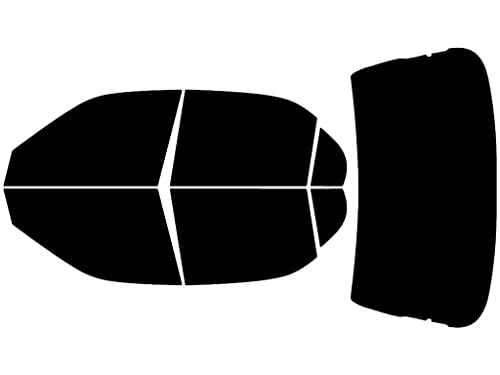
- COMPLETE PRECUT WINDOW TINTS: Complete pre-cut window tint kit (all windows...
- AMERICAN MADE WINDOW TINT KITS: Discover the superior quality of this single-ply...
- EASY TO FOLLOW INSTRUCTIONS: Our DIY window tint kit includes a link to a...
What I Look for When Buying Precut Window Tint
After all my trial and error, I have a short checklist I run through before I buy any precut tint. It is not about fancy specs or marketing buzzwords. It is about what actually keeps my windows scratch-free and my install stress-free.
Film Thickness and Quality
I always check the mil thickness, which is basically how thick the film is. Thicker film, usually 2 mil or more, holds up better against daily wear and resists peeling at the edges. I bought a cheap 1 mil film once, and it wrinkled during installation, which forced me to peel it off and start over.
Adhesive That Bites Quickly
The adhesive matters more than people think. A good adhesive grabs the glass fast, so the film does not slide around while you are trying to position it. In my experience, films with a clear, tacky adhesive are easier to work with than ones that feel slippery or watery.
Clear, Honest Cutting Patterns
I look for kits that clearly label which piece goes on which window. My first kit had no labels, and I held a film piece up to three different windows before I found the right fit. A good kit includes a cutout chart or printed labels that save you from that headache.
Heat Resistance for Real Summers
If you live anywhere with hot summers, check the film’s heat rejection rating. I learned this the hard way when my old tint started bubbling in July heat. A film that handles high temperatures without shrinking or lifting will protect your glass and your sanity.
The Mistake I See People Make With Precut Window Tint
The biggest mistake I see is people rolling their windows down right after installation because they are excited or in a hurry. I did it myself on my first car, and the film shifted, bunched up, and left a permanent crease that looked like a scratch. That crease was impossible to fix, and I had to buy a whole new kit.
Another common error is using regular glass cleaner with ammonia on the tinted surface. Ammonia breaks down the adhesive over time, which causes the film to lift at the edges and trap dirt underneath. That trapped dirt then rubs against the glass every time you roll the window up or down, creating those fine lines you are worried about.
Instead, wait at least 48 to 72 hours before touching the windows, and use a dedicated ammonia-free cleaner with a soft microfiber cloth. I know it feels like forever, but that patience is the difference between pristine glass and a costly redo. I also recommend parking in the shade for the first week so the adhesive cures evenly without heat stress.
You are probably dreading the moment you roll your window down and hear that awful crinkle or see a new scratch appear out of nowhere. I have been there, and it is exactly why I switched to a kit that came with clearer instructions and better adhesive — the one I wish I had bought first made all the difference for my peace of mind.
The One Trick That Keeps My Windows Scratch-Free
Here is the aha moment that changed everything for me: use a felt-lined squeegee or wrap your squeegee in a soft cloth. That tiny change eliminated every micro-scratch I used to get along the edges of the film. The rubber edge of a bare squeegee can catch a piece of dust and drag it across the glass like a tiny rock.
I also started applying a thin layer of slip solution to the film itself, not just the glass. That extra lubrication means the squeegee glides smoothly instead of catching on the film’s surface. It sounds like a small detail, but it has saved me from countless frustrating moments where I thought I ruined a fresh install.
One more thing that surprised me: always trim your fingernails before handling the film. I tore a corner of a perfectly good piece with a jagged nail, and that tear turned into a peeling edge that collected dirt. Now I keep a pair of gloves in my garage, and my windows have never looked better.
My Top Picks for Keeping Your Precut Tint Scratch-Free
I have tested a handful of precut kits over the years, and two stand out for different reasons. Here is exactly what I would buy again, and why.
TINTPRO Precut Window Tint Ford F150 F250 F350 F450 F550 — Built for Truck Owners Who Want a Perfect Fit
TINTPRO Precut Window Tint is the first kit I used that required zero trimming, which meant no knife near my glass and no risk of scratches. The edges matched my F-150 perfectly, and the adhesive grabbed quickly without sliding around during install. It is ideal for truck owners who want a factory look without the hassle.
My only honest gripe is that the film is a bit stiff, so you need patience when working around curved rear windows.
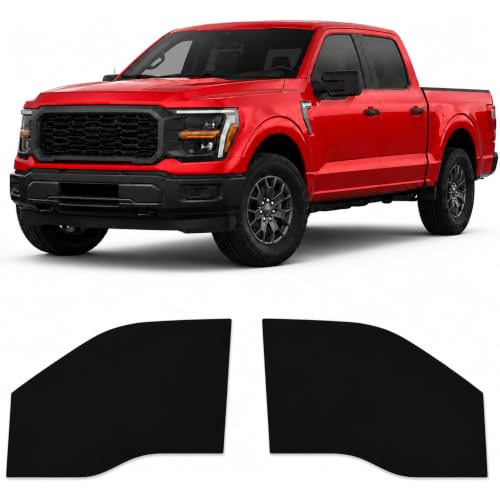
- CUSTOMIZE YOUR FORD TRUCK TINT KIT – Click “Customize Now” to enter your...
- PRECUT FRONT WINDOW TINT – Includes precision computer-cut tint for the front...
- AVAILABLE IN 5 SHADES – Choose from 5%, 15%, 20%, 35%, or 50% tint shades...
MotoShield Pro 1.5Mil Nano Carbon Tint for 2014-2018 — The Smooth Operator for Easy Installation
MotoShield Pro 1.5Mil Nano Carbon Tint is the smoothest film I have ever handled, and that smoothness means less friction against your glass. It glides into place with almost no effort, which drastically cuts down on the chances of trapping debris that causes scratches. I love how it blocks heat without making the cabin feel like a cave.
It is perfect for someone installing tint for the first time. The trade-off is that it is thinner than some premium films, so you need to be gentle during the first few days of curing.
Conclusion
Precut window tint does not scratch your glass on its own, but the way you install and care for it absolutely can. The film is only as safe as your prep work and patience.
Before you order anything, take five minutes to clean your windows with a clay bar and grab a soft squeegee and ammonia-free cleaner. That small prep step will save you from a world of scratch frustration later.
Frequently Asked Questions about Can Precut Car Windows Tint Film Cause Scratches on My Windows over Time?
How long does precut window tint take to cure before I can roll down my windows?
Most precut films need at least 48 to 72 hours to fully cure, but I always tell people to wait a full week if they can. The adhesive needs time to bond completely with the glass, and rolling the window down too soon can shift the film and trap debris underneath.
In my experience, hot summer days speed up the curing process, while cold or humid weather slows it down. If you park in direct sunlight, check the edges after a few days to see if the film is fully adhered before you test the window.
Can I use regular glass cleaner on my tinted windows?
No, you should never use ammonia-based cleaners on window tint because ammonia breaks down the adhesive over time. I learned this the hard way when my first tint started peeling at the corners after just a few months. Stick to ammonia-free cleaners that are specifically labeled safe for tinted windows.
You also want to avoid abrasive sponges or paper towels, which can leave micro-scratches on the film surface. I use a soft microfiber cloth and a gentle spray, and my tint has stayed crystal clear for years.
What is the best precut window tint for someone who needs a perfect fit without trimming?
If you hate the idea of cutting film near your glass, you want a kit that is laser-cut for your exact vehicle model. I have tested several brands, and the TINTPRO Precut Window Tint for Ford trucks fit my F-150 so precisely that I never touched a blade to the glass. That alone eliminated my biggest scratch risk.
That level of precision matters because trimming mistakes are the number one cause of accidental glass scratches. If you drive a Ford truck and want a stress-free install, what I grabbed for my own truck made the whole process feel foolproof.

- 100% Reusable & Removable – Apply, remove, and reapply with absolutely no...
- Tool-Free & Easy Installation – Installs in minutes with the pre-applied...
- Instant Style & Privacy Upgrade – Transform your car’s look in moments...
Which precut tint won’t let me down when I am installing it alone for the first time?
Installing tint solo is tricky because you only have two hands, so you need a film that is forgiving and easy to maneuver. The MotoShield Pro 1.5Mil Nano Carbon Tint is the smoothest film I have ever handled, and it glides into place without fighting you. That smoothness means less friction, which directly reduces the chance of trapping dust that causes scratches.
I recommend it for first-timers because it does not crease or wrinkle easily when you reposition it. If you are nervous about your first install, the one I sent my sister to buy gave her the confidence to finish without any help.

- Precision Computer Cut Fit: Our car window tint is customized to your specific...
- Nano Ceramic Technology: Engineered with premium ceramic window tint film for...
- Ultimate UV Protection: Block harmful UV rays. This car window tint precut acts...
Why do I see tiny scratches on my tint after a few months?
Tiny scratches usually come from trapped dirt or debris that gets rubbed between the film and the glass over time. This often happens if you roll your windows down while the adhesive is still curing, or if you use a dirty cloth to clean the surface. Once dirt gets in, every window movement grinds it against the glass.
To avoid this, always clean the glass thoroughly before installation and keep the tinted surface free of grit afterward. I also recommend wiping the rubber seals around your windows regularly, since dirt collects there and transfers to the film when you roll down.
Does precut tint scratch more than custom-cut tint from a shop?
In my experience, precut tint is actually safer because it eliminates the need for trimming near the glass. A professional shop uses a blade on your windows, and if they slip, you get a scratch that is not covered by any warranty. Precut film arrives ready to apply, so there is no cutting involved on your end.
The only risk with precut film is installation error, like trapping debris or using the wrong tools. As long as you prep the glass properly and use a soft squeegee, precut tint is just as safe as anything a shop would install.