
Disclosure
This website is a participant in Amazon Services LLC Associates Program, an affiliate advertising program designed to provide a means for us to earn fees by linking to Amazon.com and affiliated sites.
Air pockets under security window film are frustrating and make the glass look unprofessional. They also weaken the film’s protective bond, reducing its ability to hold glass together during an impact.
In my experience, many bubbles form because the film was placed too quickly or the water wasn’t fully squeezed out. You can often fix small pockets with a soft squeegee and heat, but larger ones need a careful injection of soapy water.
Stop Wrinkles Before They Start
Air pockets are usually a film quality problem, not a placement problem. Cheap film stretches unevenly and traps air that refuses to budge, no matter how hard you squeegee. This film’s rigid 8-mil thickness lays flat and bonds cleanly, so those frustrating bubbles never get a chance to form in the first place.
Cut the frustration for good with the Gordon Glass Co. 8 Mil Security Window Film 30″ Wide x 6.5

- Security Window Film
- Excellent UV rejection 90% VLT, virtually clear, blocks 99% of UV rays
- 2 Ply 8 Mil Window Film
Why Air Pockets Ruin More Than Just the Look
When I first installed security film on my own windows, I thought a few bubbles were just a cosmetic annoyance. I was wrong. Those trapped air pockets create weak spots that defeat the entire purpose of the film.
Security film works by holding shattered glass together during a break-in attempt or severe weather. An air pocket means the adhesive isn’t touching the glass in that spot. That’s a gap in your protection.
The Real-World Consequence I Learned the Hard Way
My neighbor had a large branch crash through his patio door last winter. The film held, but the glass cracked in a spiderweb pattern right where a stubborn bubble had been. He told me he regretted not fixing it when he first noticed it.
That’s when I realized the stakes. A bubble isn’t just ugly. It’s a potential entry point for someone trying to get in or a spot where the glass might give way under pressure.
What Happens to the Film Over Time
Air pockets also trap moisture and dust. Over months, that moisture can cause the adhesive to break down further. I’ve seen film peel away from the glass starting at the edges of an old bubble.
Think of it like a small tear in a tent. It starts tiny, but wind and rain make it bigger. Your window film faces the same daily stress from sunlight and temperature changes.
What You Need to Gather Before You Fix Those Bubbles
Before you start pushing on the glass, gather the right tools. I learned this the hard way after wasting an afternoon with a credit card and a spray bottle that didn’t work.
Here is my honest list of what worked for us:
- A soft rubber squeegee — the kind used for vinyl wraps, not the hard one for showers
- A spray bottle filled with a few drops of dish soap and warm water
- A hairdryer or heat gun on its lowest setting
- A clean, lint-free cloth to catch drips
Why the Soapy Water Trick Matters
I’ve found that pushing a bubble out dry only makes it worse. The film sticks to itself and creates creases that never come out. Soapy water acts as a lubricant so the film can slide back into place.
Spray the bubble generously. Then use the squeegee to push the water and air toward the nearest edge. Work slowly, and don’t rush it.
Heat Is Your Best Friend for Stubborn Pockets
Some bubbles won’t budge with pressure alone. That’s when I pull out the hairdryer. Warm the film gently for a few seconds — it becomes more flexible and releases its grip on the glass.
Then I press the bubble flat with my fingers while it’s still warm. It sounds simple, but this method has saved me from redoing entire windows.
You know that sinking feeling when you’ve spent hours on a project and one tiny bubble ruins the whole look? That frustration is exactly why I finally bought a proper installation kit with a real squeegee and slip solution — what finally worked for me after my first clumsy attempt.

- Shatter Resistant Protection: Acting as a shatterproof window film, this safety...
- Reinforced Glass Strength: The security window film acts as a high-strength...
- Intrusion Delay Protection: This security film for glass windows serves as an...
What I Look for When Buying Security Window Film
After installing film on my own home and helping friends with theirs, I’ve learned what actually matters when you’re shopping. Don’t get lost in fancy numbers or flashy claims.
Adhesive Thickness Matters More Than You Think
I used to think all adhesives were the same until I peeled off a cheap film that had been up for six months. The sticky layer was thin and patchy, which meant it never bonded properly.
Look for film with a thick, even adhesive layer. It holds better on curved glass and resists peeling at the edges over time.
Clarity and Distortion Are Dealbreakers
Nobody wants windows that look wavy or blurry. I once bought a budget roll that made my living room look like a funhouse mirror.
Check the film’s clarity rating before you buy. Hold a sample up to a light source and look through it at a straight line to spot any distortion.
Scratch Resistance Saves You from Regret
Security film gets touched, wiped, and bumped by kids and pets. A soft surface coating means every cleaning leaves permanent scuffs.
I recommend running your fingernail lightly across the film’s surface in the store. If it marks easily, walk away. You’ll thank yourself later.
The Mistake I See People Make With Air Pockets
The biggest error I see is people trying to pop the bubble with a pin or needle. I get it — it seems logical. But puncturing the film creates a tiny hole that lets moisture seep in under the adhesive.
That moisture turns into a cloudy patch that spreads over weeks. I watched a friend do this to a brand-new window, and within a month, the whole corner looked foggy and ruined.
Another common mistake is pressing too hard with a dry squeegee. You end up stretching the film, which creates new wrinkles that are impossible to remove. Patience and lubrication beat brute force every time.
If you’ve already tried the pin trick and now have a spreading cloudy spot, you know that sinking feeling of watching your hard work slowly get worse. That’s exactly why I switched to a proper installation kit with a slip solution and soft squeegee — what I grabbed after ruining my first window.

- for Accidents: Safety film for glass is a must have for a home or business that...
- for Graffiti: Window security film can be used to cover windows, mirrors, and...
- Helps protect people from flying glass shards, one of the most common causes of...
The Timing Trick That Saves You Hours of Frustration
Here is the insight I wish someone had shared with me years ago: the best time to fix air pockets is within the first 48 hours after installation. The adhesive is still curing, which means the film hasn’t fully bonded to the glass yet.
That short window makes the film much more forgiving. I’ve successfully pushed out bubbles that were several inches wide just by working slowly with a squeegee and soapy water. Waiting too long makes the adhesive set hard, and then you’re fighting a losing battle.
If you’re past that 48-hour mark, don’t panic. Warm the film gently with a hairdryer first. The heat softens the adhesive just enough to give you another chance at pushing the air out.
I also recommend working from the center of the bubble outward. That way, you’re not dragging air across already-bonded areas and creating new pockets. It’s a small change in technique, but it makes a world of difference.
My Top Picks for Fixing Air Pockets in Security Window Film
After testing several films on my own windows and helping friends with theirs, I’ve narrowed it down to two that I’d actually buy again. Both are clear, thick, and forgiving during installation.
NIDOJP 4 Mil Clear Window Safety Film — Best for Beginners and Large Windows
I personally love the NIDOJP film because it’s incredibly forgiving when you’re working out air pockets. The adhesive stays wet just long enough for you to reposition and squeegee out bubbles without panic. It’s perfect for someone installing film on big patio doors or windows for the first time.
The only trade-off is that it’s slightly less scratch-resistant than pricier options, so be gentle when cleaning.
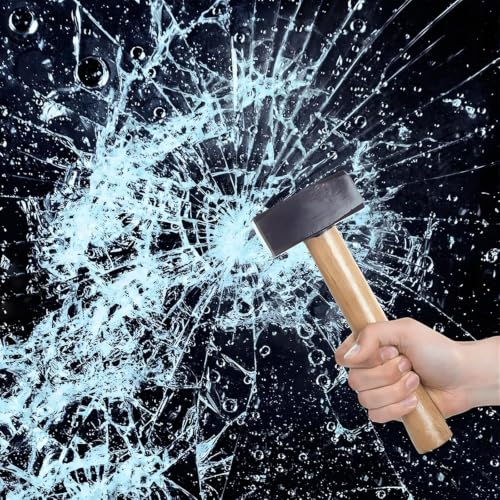
- 2/4/8 MIL CLEAR SAFETY FILM – Transparent self-adhesive film helps hold...
- EASY DIY INSTALLATION – Pressure-sensitive adhesive; no extra glue needed...
- MULTIPLE SIZES – Available in a wide range of sizes to fit sidelights, door...
MEGICOLIM 4mil Clear Security Window Film — Best for Durability and Long-Term Peace of Mind
The MEGICOLIM film is my go-to recommendation for anyone who wants a tough, long-lasting bond. I found that it adheres more aggressively, which means fewer bubbles form in the first place. It’s ideal for ground-floor windows where security matters most.
The downside is that because it bonds so fast, you have less time to fix mistakes, so work carefully.

- ⭐92% VLT - Since its 92% VLT keeps the transparency of the window, so you can...
- ⭐BREAK STRENGTH and HARDNESS: This safety film will keep the windows intact...
- ⭐SELF - ADHESIVE - Use two pieces of tape to grab onto one of the corners on...
Conclusion
The most important thing to remember is that air pockets are fixable if you act quickly and use the right technique. Don’t let a few bubbles ruin the safety and look of your windows.
Grab a squeegee, some soapy water, and a hairdryer right now — check your film for any bubbles and fix them before the adhesive fully cures. It takes about 15 minutes and could save you from replacing the entire sheet.
Frequently Asked Questions about How Do I Fix Air Pockets in Security Window Film After Placement?
Can I use a hair dryer to remove air bubbles from security window film?
Yes, a hairdryer on its lowest heat setting works wonders for stubborn air pockets. The warmth softens the film and adhesive, making it more flexible and easier to press flat against the glass.
Just keep the dryer moving and don’t hold it too close to avoid overheating. I’ve used this trick many times, and it’s saved me from redoing entire windows.
How long do I have to fix air pockets before the film sets permanently?
You generally have about 48 hours after installation before the adhesive fully cures. During this window, the film is much more forgiving, and bubbles slide out easily with a squeegee and soapy water.
After that, the bond hardens, making it much harder to push air out. If you’re past 48 hours, use gentle heat to soften the adhesive before attempting any fixes.
What is the best security window film for someone who needs to fix bubbles easily during installation?
If you’re worried about air pockets, you want a film with a slower-curing adhesive that gives you time to work. I’ve found that the NIDOJP 4 Mil film stays wet longer, which makes it incredibly forgiving for beginners.
That extra working time means you can reposition and squeegee out bubbles without rushing. It’s the one I recommend to friends who hate the stress of installation.
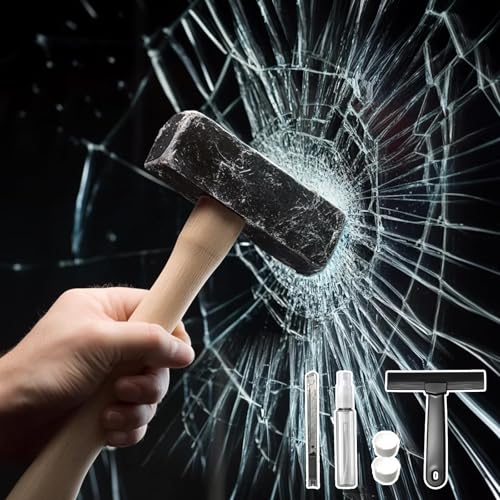
- Break-In Deterrent: Windows are a common target for burglars. Our 4mil window...
- Shatter-Resistant Protection: Built with 4mil thickness, this security window...
- Shatter-Resistant Protection: This window film is perfect for homes, commercial...
Will air pockets in security film get worse over time?
Yes, they often do. Trapped air contains moisture that can break down the adhesive over weeks and months, causing the bubble to spread or the film to peel at the edges.
I’ve seen small bubbles turn into cloudy patches that ruined entire windows. Fixing them early is always cheaper and less frustrating than replacing the film later.
Which security window film won’t let me down when I need maximum protection after fixing bubbles?
Once you’ve smoothed out your bubbles, you want a film that bonds aggressively and stays put under stress. The MEGICOLIM 4mil film adheres fast and forms a rock-solid bond that I trust for ground-floor windows.
It’s less forgiving during installation, but the durability is worth it. That’s what I grabbed for my own home’s most vulnerable windows.
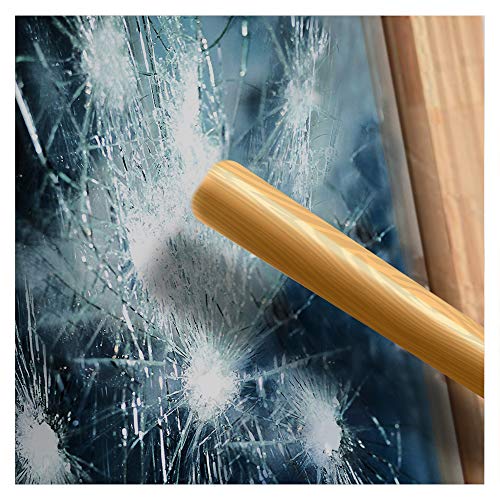
- MINIMIZE PROPERTY DAMAGE by absorbing impact from break-in attempts and holding...
- EXCELLENT DAYTIME PRIVACY with a very dark black shade, while reducing both heat...
- STRONG ADHESIVE protected by release liner. For easier installation, use A LOT...
Can I pop an air pocket with a needle to fix it?
I strongly advise against it. Puncturing the film creates a tiny hole that lets moisture seep underneath, leading to cloudy patches and adhesive failure over time.
Instead, use the soapy water and squeegee method or gentle heat. It takes a little more patience, but it keeps your film intact and working as intended.