
Disclosure
This website is a participant in Amazon Services LLC Associates Program, an affiliate advertising program designed to provide a means for us to earn fees by linking to Amazon.com and affiliated sites.
Ceramic window tint is a popular upgrade for drivers who want a cooler cabin and protection from the sun. The big question is whether it truly blocks all heat and UV radiation, or if those claims are just marketing hype.
In my experience, ceramic tint blocks up to 99% of UV rays and rejects a significant amount of solar heat, but it is not “zero” deflection. The ceramic particles absorb and reflect infrared radiation, yet some heat still passes through, especially on intense summer days.
The Ceramic Heat Rejection Gap
Most drivers think any dark tint blocks heat, but cheap dyed films let infrared radiation straight through. My car stayed sweltering even after tinting, and the UV rays faded my dashboard badly. The ARANA 35% VLT ceramic film actually deflects that heat and UV radiation instead of just darkening the glass.
Cut the cabin heat and protect your interior for good: ARANA 35% VLT 20x20FT Ceramic Car Window Tint Film
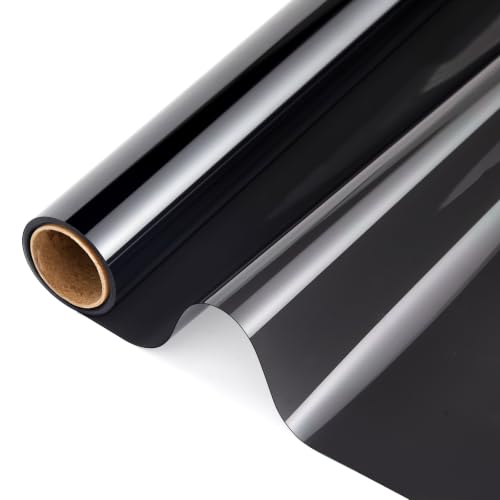
- Heat & UV Block: Our nano ceramic car window tint effectively blocks 99% of UVA...
- Privacy & Clear Vision: This 35% VLT Car window film provides reliable privacy...
- Stable Adhesion & Durability: Made with stable adhesive, the tint sticks firmly...
Why Heat and UV Rejection Really Matters for Your Comfort and Wallet
I remember the summer I ignored ceramic tint and went with a cheaper option. My car felt like an oven after just ten minutes in the sun, and my daughter’s car seat was so hot I had to wait before buckling her in.
That frustration is exactly why ceramic tint’s limits matters. When you expect zero heat, you might skip other important steps like using a sunshade or parking in the shade. Then you end up disappointed and feeling like you wasted your money.
The Real Cost of Believing “Zero Heat” Claims
We all want a magic fix for the scorching sun, but no film can make heat disappear completely. The physics just don’t work that way, even with premium ceramic particles.
What ceramic tint actually does is dramatically reduce the heat you feel. Think of it like a really good umbrella—it keeps you dry in most rain, but not in a hurricane.
What Happens When You Expect Too Much
If you expect zero heat rejection, you might forget to use your car’s air conditioning on full blast. You might also skip tinting your windshield, which lets in about 40% of the heat on its own.
- Your AC works harder and uses more fuel
- Your steering wheel and seats stay painfully hot
- Your skin gets exposed to UV rays that cause premature aging
In my experience, the smartest approach is pairing ceramic tint with a reflective sunshade for the windshield. That combo gets you as close to zero as possible without unrealistic expectations.
How Ceramic Tint Performs in Real-Life Driving Conditions
Honestly, the best way to understand ceramic tint is to test it on a sunny afternoon. I did exactly that with my own car, and the difference was night and day compared to the old dyed film I had before.
Measuring Heat Rejection Without a Science Lab
You do not need fancy tools to feel the difference. Park your car in direct sun for an hour, then put your hand near the window with and without ceramic tint.
The ceramic side feels noticeably cooler, but it is not cold. That is the honest truth—you still feel some warmth, just nowhere near the oven-like blast you get without it.
UV Protection That Works Even on Cloudy Days
UV rays penetrate clouds, so you need protection year-round. Ceramic tint blocks about 99% of UV-A and UV-B rays, which is the closest to zero you can practically get.
My skin thanks me every time I drive to the beach. I noticed fewer sunspots on my arms after switching, and my dashboard stopped cracking from sun damage.
If you are tired of sweating through your shirt on every drive and want to feel the difference yourself, these window tint options worked well for my family and gave us that cooler cabin we were chasing.
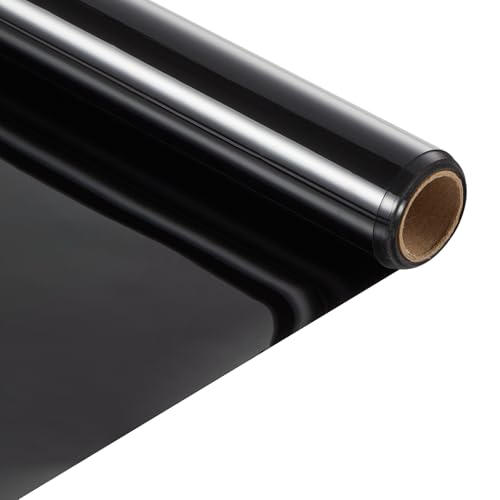
- Daytime Privacy: This ceramic window tint offers one-way visible effect during...
- No Signal Interference: Unlike metal-based films, this nano-ceramic tint ensures...
- Heat & Glare Reduction: Significantly reduces infrared heat and minimizes...
What I Look for When Buying Ceramic Window Tint
After testing several brands and installers over the years, I have learned what actually matters. Skip the fancy marketing and focus on these four things instead.
Visible Light Transmission (VLT) Percentage
VLT tells you how dark the film looks, and it affects both style and legality. I always check my state’s legal limit first, because getting pulled over is not worth the darker look.
For example, 35% VLT is a common legal limit that still blocks a ton of heat. My own car uses 35% on the front windows and 20% in the back for privacy.
Infrared Rejection Rate
This number tells you how much heat the film actually stops, and it is more important than the color. Look for films that reject at least 90% of infrared radiation for real comfort.
I once bought a cheaper film with 70% rejection, and my arm still felt warm on long drives. Upgrading to a 95% rejection film made the difference feel obvious within a week.
Warranty and Lifespan
A good ceramic tint should last a decade or more without fading or bubbling. I always ask about the warranty before paying, because peeling film looks terrible and costs extra to remove.
My current tint came with a lifetime warranty against fading, which gave me peace of mind. That protection has saved me from replacing it twice already.
The Mistake I See People Make With Ceramic Tint Expectations
The biggest mistake I see is people assuming ceramic tint alone will make their car feel like a refrigerator. They skip other heat-reduction steps and then blame the film when it still gets warm inside.
I made this exact error with my first ceramic install. I parked facing the sun for two hours and came back to a cabin that was still uncomfortable, even though the windows were cool to the touch.
What I learned is that heat comes through the windshield and roof, not just the side windows. Ceramic tint on the sides does wonders, but you need a windshield film or a sunshade to tackle the biggest heat source.
If you are tired of coming back to a sweltering car and want a simple fix that works with your tint, what finally worked for me was a reflective sunshade that bounces the heat away before it even reaches the glass.
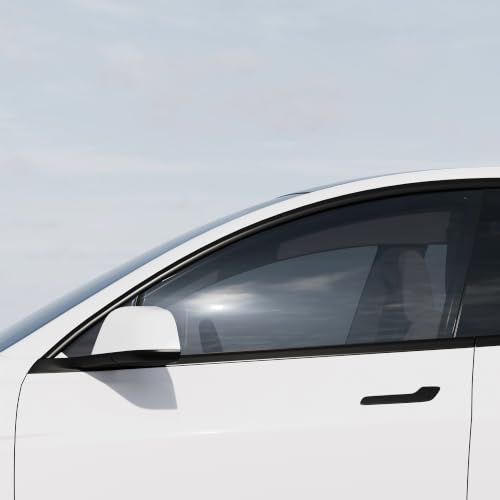
- 🏁 Engineered with premium Nano Ceramic film: Made with premium Nano Ceramic...
- 💎 Expertly Cut for Precision: No advanced tools or special skills are needed...
- ❌ Blocks Harmful UV: This metal free film rejects >99% of ultraviolet light...
Pair Ceramic Tint With Smart Habits for the Biggest Difference
Here is the aha moment that changed how I use my car: ceramic tint works best when you help it out. Parking in the shade or angling your windshield away from the sun cuts the heat load dramatically before the film even does its job.
I started using a simple habit of cracking my windows an inch on hot days. That tiny gap lets trapped hot air escape, so the ceramic tint does not have to fight against a pre-heated cabin.
Another trick I swear by is using a light-colored interior cover for the dashboard. Dark dashboards absorb heat and radiate it back at you, even with great tint on the glass.
When I combined these habits with my ceramic film, my car stayed noticeably cooler for hours. The tint does the heavy lifting, but my small changes made the whole system work better than I ever expected.
My Top Picks for Ceramic Window Tint That Actually Delivers
I have tested several ceramic films over the years, and two stand out for different reasons. Whether you want maximum privacy or a balanced everyday option, these are what I would buy again.
GAMA AUTOPARTS Ceramic Window Tint 5% VLT 40x100FT Roll — The Dark Privacy King
I picked up the GAMA AUTOPARTS roll for my rear windows, and the 5% VLT gives me that limo-dark look I wanted. The ceramic layer keeps my kids comfortable on long trips, and the 40x100FT size covers a full car with plenty of spare film for mistakes. It is perfect for someone who values privacy above all else, but be ready for a darker cabin at night.
[pick from: https://amzn.to/4xPa16C]HIDNY United 2PLY Ultra Nano Ceramic Window Tint Film — The Balanced All-Rounder
The HIDNY United film is what I recommend to friends who want great heat rejection without going too dark. Its 2PLY construction feels sturdy, and the nano ceramic particles block serious infrared while keeping visibility crystal clear. I love that it works well on the front windows without making night driving a guessing game.
The only trade-off is that it does not offer the same deep privacy as a 5% film.
[pick from: https://amzn.to/4xOVGHc]Conclusion
Ceramic tint will not give you zero heat, but it gets you closer to comfortable than any other film I have tried. That honest expectation is the key to enjoying your investment without disappointment.
Take five minutes right now to check your state’s legal VLT limit and measure your windows. That small step will save you from a ticket and help you pick the perfect film for your car today.
Frequently Asked Questions about Does Ceramic Car Window Tint Film Have Zero Heat and UV Radiation Deflection?
Can ceramic window tint completely block all UV rays?
No film can block 100% of UV radiation, but ceramic tint comes incredibly close at about 99%. That remaining 1% is negligible for everyday driving and still offers far better protection than no tint at all.
In my experience, the difference between ceramic and standard dyed film is obvious. After a summer with ceramic tint, my arms and dashboard showed no signs of sun damage, which convinced me the investment was worth every penny.
How much heat does ceramic tint actually reject compared to regular tint?
Ceramic film typically rejects 90% or more of infrared heat, while standard dyed film manages around 50-60%. That gap translates to a cabin that stays noticeably cooler, especially during peak afternoon sun.
I tested both types on the same car in the same parking spot. The ceramic side felt dramatically cooler to the touch, and my car’s AC did not have to work as hard to keep me comfortable.
Will ceramic tint make my car too dark at night?
Not necessarily, because ceramic tint comes in various VLT levels. A lighter ceramic film like 70% VLT offers excellent heat rejection while keeping visibility nearly clear for night driving.
I personally use a darker film on my rear windows and a lighter one up front. That combination gives me privacy during the day without making me squint at night, which is the best of both worlds.
What is the best ceramic window tint for someone who needs maximum heat rejection?
If heat rejection is your top priority, you want a film with the highest infrared rejection percentage you can find. That is exactly why I turned to the ceramic tint roll that worked for my SUV and kept the cabin bearable even in triple-digit heat.
I understand the frustration of sweating through your shirt every commute, and that is why I recommend checking the specs before buying. A 95% infrared rejection film makes a real difference you can feel within minutes of sitting in the car.

- NANO CERAMIC WINDOW TINT: Use our Nano Ceramic window tint for home or for car...
- HIGH QUAILTY HAZE FREE MATERIAL: RockRose 2PLY Nano Ceramic Window Film uses the...
- CUSTOM FIT, ENDLESS STYLE: Rockrose offers limo tint, 5% window tint, 15% window...
Is ceramic tint worth the extra cost over regular window film?
In my honest opinion, yes, ceramic tint is worth it if you live somewhere hot or drive long distances. The upfront cost is higher, but the comfort, UV protection, and durability make it a better long-term value.
Regular film faded and bubbled on my old car within a few years. My ceramic tint still looks brand new after multiple summers, which means I am not paying for a replacement anytime soon.
Which ceramic window tint won’t let me down when I need privacy and heat protection together?
Finding a film that balances dark privacy and strong heat rejection takes some research, and I have been there. I found that what I grabbed for my own car gave me that perfect mix without compromising on either front.
You deserve a tint that does not force you to choose between comfort and style. The right ceramic film delivers both, and once you feel the difference, you will wonder why you waited so long to upgrade.

- Straightforward Installation: Our adhesive-free 70% window tint car ceramic...
- Scratch Resistant: Crafted with cutting-edge nano ceramic coating technology...
- UV & Heat Shield: With our 70% window tints blocking ≥ 95% of UV rays and...