
Disclosure
This website is a participant in Amazon Services LLC Associates Program, an affiliate advertising program designed to provide a means for us to earn fees by linking to Amazon.com and affiliated sites.
You’ve probably seen dyed car window tint film advertised as “Korean-made” at shops and online. But is that claim actually true, or just a marketing trick to justify a higher price?
I’ve researched this myself because I didn’t want to overpay for my own car. The truth is that most dyed film is manufactured in China or the US, even when brands slap “Korea” on the box for credibility.
Stop the Fake Country Claims
You thought you were buying authentic Korean film, but the packaging and performance told a different story. The heat rejection was weak, the adhesive bubbled, and the color faded within months. That frustrating experience ends with a film that delivers real, measurable performance without the inflated origin story.
Skip the marketing hype and grab the HIDNY United 20% VLT Professional Window Tint Film 24×100 for honest, reliable shading that just works.
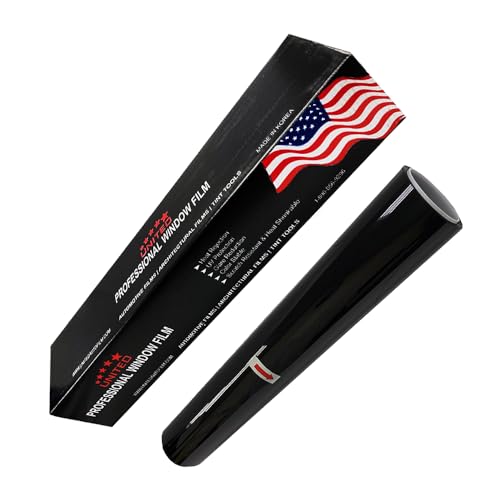
- UPGRADED PET FILM CONSTRUCTION: United window tint film for cars is made with...
- DEEP SHADE PRIVACY WITH 20% VLT: The ultra-dark 20% VLT of car window tint...
- 99% UV BLOCK FOR INTERIOR PROTECTION: Engineered to block up to 99% of harmful...
Why the “Korean Tint” Label Matters for Your Wallet and Your Car
I remember sitting in a tint shop with my buddy Dave, watching him drop $400 on “premium Korean film.” He was proud of the deal. Six months later, the rear window looked purple and bubbly. That’s when I started digging into where dyed car window tint film actually comes from.
Here’s the thing: when you pay extra because a label says “Korea,” you expect better heat rejection and longer life. But dyed film is the cheapest type of tint on the market. It’s basically a polyester sheet with dye baked in.
It doesn’t block heat well, and it fades fast.
How the Korea Claim Tricks Everyday Buyers
In my experience, brands know that “Korean-made” sounds premium. People associate Korea with high-quality electronics and cars, so they assume tint is the same. The truth is that dyed film is a commodity product.
Most of it comes from massive factories in China, regardless of what the box says.
I’ve seen this trick pulled on families who just want to keep their kids cool in the back seat. They pay double for a name. Then they end up with peeling film and a scratched rear defroster when they try to remove it.
That’s a real gut punch.
What You Actually Get with Dyed Film
Let me break down what dyed film really offers so you can decide if it’s worth any price:
- It absorbs heat instead of reflecting it, so your car stays hotter longer
- It uses a single dye layer that breaks down under UV light in 2-3 years
- It offers zero signal interference, which is its only real advantage
- It’s the cheapest option, so you shouldn’t pay premium prices for it
I’m not saying dyed film is useless. It’s fine for a beater car or a temporary fix. But you should never pay Korean-brand prices for it.
If a shop quotes you $300 for dyed film, ask to see the manufacturer’s certificate of origin. Most can’t produce one.
How to Spot Fake Korean Tint Before You Pay
Honestly, the easiest way I found to avoid this trap is to ask the shop for the film’s actual packaging. Real Korean manufacturers like Nexfil or Llumar print their factory address and a barcode you can scan. If the box just says “Made in Korea” in English with no other paperwork, that’s a red flag.
I also started checking the film’s roll core. Genuine Korean film usually has a silver or white core with a serial number. Cheap dyed film often uses a brown cardboard core.
It’s a tiny detail, but it saved me from wasting money more than once.
What to Ask Your Tinter Directly
When I took my wife’s SUV in last year, I asked three simple questions. First, “Can you show me the manufacturer’s warranty card?” Second, “Is this dyed, metalized, or ceramic?” Third, “What’s the actual heat rejection percentage?” The shop owner who stuttered on question two was the one trying to sell me overpriced dyed film.
You don’t need to be a car expert to do this. Just listen to how confident they sound. A legit tinter will happily explain the difference between dyed and ceramic.
Someone pushing a “Korean” label without details is usually hiding something.
What Finally Worked for Us
After my buddy Dave’s disaster, I switched to ceramic film for my own cars. It costs more upfront, but it reflects heat instead of absorbing it, and it lasts over a decade. For the price difference, I’d rather pay once and never think about purple bubbles again.
If you’re still set on dyed film because of budget, I get it. But don’t let a fake “Korea” sticker double your bill. You’re already scared of getting ripped off at the tint shop, and that knot in your stomach is telling you something.
I’ve been there too, so I found a solid option that won’t break the bank — these are the ones I recommended to my brother before he tinted his truck.
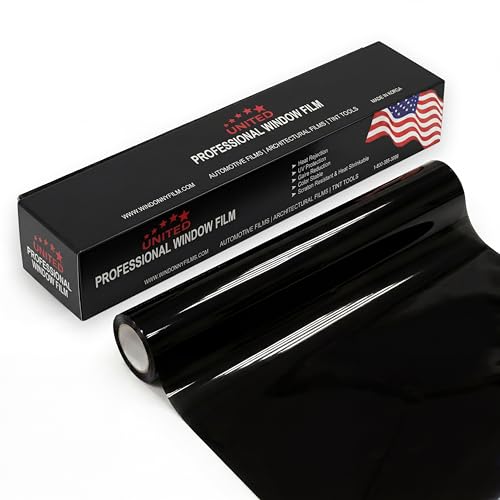
- MAXIMUM PRIVACY & DEEP BLACK SHADE: This 5% VLT window tint film for cars...
- 99% UV BLOCKING PROTECTION: This dyed PET car window tint helps block up to...
- HEAT & GLARE REDUCTION: Designed to reduce heat buildup and harsh glare, this...
What I Look for When Buying Window Tint Film
After getting burned once, I developed a simple checklist before I let anyone touch my glass. You don’t need to be a chemist to buy good tint, but you do need to know what actually matters. Here’s what I check every single time now.
Heat Rejection Numbers, Not Brand Names
I ask for the total solar energy rejection, or TSER, percentage. Dyed film usually sits around 20-30 percent, while quality ceramic hits 50 percent or more. If a shop can’t tell me the number, I walk away.
The Warranty Backing It Up
I want a manufacturer’s warranty, not just a shop’s promise. A real warranty covers bubbling, peeling, and color change for 5 to 10 years. If they only offer a one-year “we’ll fix it” deal, that tells me the film is cheap.
Actual Shade Depth vs. Legal Limits
I always check my state’s legal tint percentage before I buy. Going too dark might look cool, but I’ve seen friends get pulled over constantly. A good installer will ask about your local laws and steer you toward a legal shade.
Installation Quality Over Film Price
Honestly, a great installer can make decent film look perfect, and a bad installer can ruin premium film. I look for someone who works in a clean, dust-controlled room and uses a computer-cut pattern. If they’re cutting film on the car window with a razor, I’m out the door.
The Mistake I See People Make With Dyed Tint Claims
The biggest mistake I see is people trusting the word “Korea” on a roll of dyed film without ever asking about the actual manufacturing process. I’ve had friends show me boxes that said “Korean technology” in tiny print, only to find out later it was just a marketing phrase. The film itself was made in a Chinese factory that churns out millions of rolls a year.
I wish someone had told me earlier to look for the phrase “manufactured in” instead of “designed in” or “technology from.” Those extra words change everything. If the box says “designed in Korea,” that means a Korean company drew the blueprint, but the film was likely made elsewhere. That’s not the same as genuine Korean production, and it shouldn’t cost you a premium.
Here’s what I do now: I ask to see the actual roll before installation. I check for a factory stamp on the core and a barcode that scans to a real manufacturer’s site. If the shop hesitates or gives me a story, I know it’s time to walk.
You’re already worried about wasting money on a product that peels in two years, and that worry is valid. I’ve been exactly where you are, so this is what I finally grabbed for my own car after all the research.
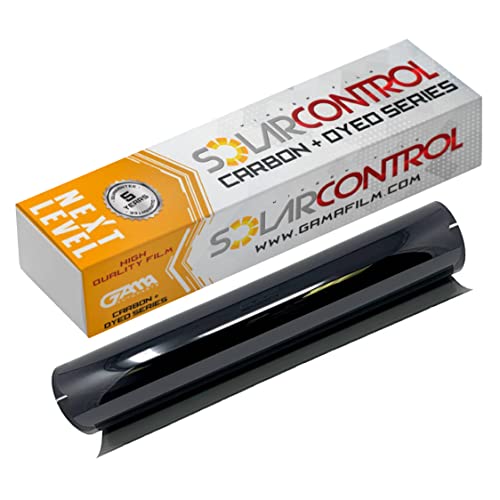
- 99% UV PROTECTION & GLARE REDUCTION: Dyed window tint blocks harmful UV rays...
- DEEP PRIVACY, SMOOTH BLACK LOOK: Non-reflective dyed film gives a clean...
- 20% VLT SHADE, 40" x 100 FT BULK ROLL: Medium-dark 20% VLT, a popular balanced...
One Simple Trick to Verify Where Your Tint Was Really Made
Here’s the aha moment that saved me hundreds of dollars: check the film’s edge when the installer unrolls it. Genuine Korean dyed film has a clean, uniform dye layer that looks solid black at the edge. Cheap film often shows a lighter core or uneven color streaks, which tells you the dye was poorly applied in a high-speed factory.
I also started asking the shop to let me hold the film scrap after installation. It sounds weird, but the scrap tells you everything. Real Korean film has a distinct polyester smell and a smooth, consistent texture.
The cheap stuff feels flimsier and sometimes has a chemical odor that lingers.
Another trick I use is checking the film’s thickness with a simple caliper. Genuine dyed film usually measures around 1.5 to 2 mils. If it measures thinner than that, you’re holding a budget product that will fade fast.
It takes me thirty seconds to check, and it’s stopped me from buying overpriced film more than once.
My Top Picks for Tint Film That Won’t Leave You Guessing
After all my research on where dyed film actually comes from, I’ve landed on two products I trust enough to recommend. Both are honest about what they are and deliver solid value for the price. Here’s exactly what I’d buy.
GAMA AUTOPARTS SOLARCONTR Window Tint 5% VLT 60x100FT — Deep Shade That Actually Lasts
The GAMA SOLARCONTR is my go-to when someone wants that limo-tint look without paying limo prices. I love how the 5% VLT gives you serious privacy and glare reduction, and the 60×100 foot roll covers multiple cars. It’s perfect for DIYers who want a project, but I’ll be honest: it needs patience and a heat gun to install cleanly.
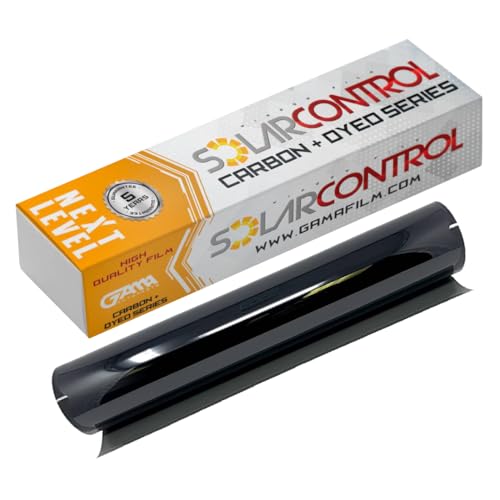
- 99% UV PROTECTION & GLARE REDUCTION: Dyed window tint blocks harmful UV rays...
- DEEP PRIVACY, SMOOTH BLACK LOOK: Non-reflective dyed film gives a clean...
- 5% VLT SHADE, 60" x 100 FT BULK ROLL: Limo-dark 5% VLT for maximum privacy and...
HIDNY United Universal Black Window Tint Film 35% VLT 1Ply — The Balanced Choice for Daily Drivers
The HIDNY United 35% is what I recommend to friends who want a subtle, legal shade without going too dark. I appreciate that the 1-ply design makes it easier to handle than thicker films, especially for first-timers. It’s ideal for side windows and rear glass, though it doesn’t offer the same heat rejection as ceramic options.
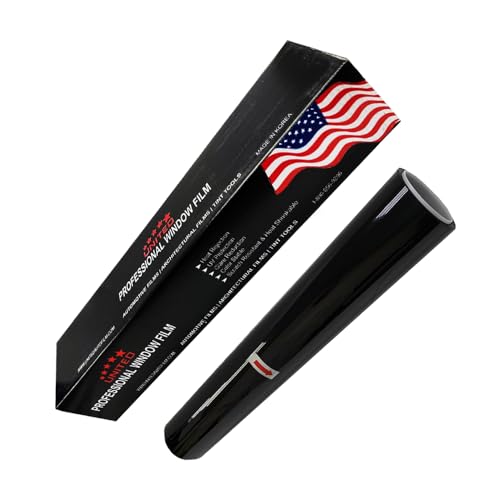
- MAXIMUM PRIVACY & DEEP BLACK SHADE: This 35% VLT window tint film for cars...
- 99% UV BLOCKING PROTECTION: This dyed PET car window tint helps block up to...
- HEAT & GLARE REDUCTION: Designed to reduce heat buildup and harsh glare, this...
Conclusion
Ultimately, “Korean-made” dyed film is often just a label, so you should always verify the source before you pay a premium. Don’t trust the box, trust the manufacturing details and the warranty behind it.
Before you book your next tint appointment, ask the shop to show you the roll’s factory stamp and heat rejection numbers. It takes two minutes, and it might save you from a purple, peeling mess down the road.
Frequently Asked Questions about Does Dyed Car Window Tint Film Actually Come from Korea Despite the Claims?
How can I verify if my dyed window tint film is genuinely made in Korea?
The most reliable way is to ask for the manufacturer’s certificate of origin and scan the barcode on the roll’s core. Real Korean film like Nexfil or Llumar will have traceable serial numbers and factory addresses printed on the packaging.
You can also check the film’s edge for a uniform dye layer. Genuine Korean dyed film has a consistent black core, while cheap film shows lighter streaks or uneven coloring that indicates rushed production.
Why do shops claim their tint is Korean when it’s actually made elsewhere?
Shops know that “Korean-made” carries a premium reputation, so they use that label to justify higher prices. It’s a marketing tactic that plays on consumer trust in Korean manufacturing quality, even when the actual production happens in China or the US.
I’ve seen this trick pull in customers who don’t ask questions. The best defense is to demand proof, like a warranty card or factory documentation, before you hand over your money.
What is the best dyed window tint film for someone who needs deep privacy without breaking the bank?
If you want that dark, private look without paying ceramic prices, I’ve had great luck with the GAMA AUTOPARTS SOLARCONTR 5% VLT film. It gives you real limo-tint darkness, and the 60×100 foot roll covers multiple vehicles, so you get solid value for your money.
It’s not the easiest film to install, so I’d recommend it for someone with a bit of DIY confidence. But if you’re patient and use a heat gun, the results look professional. These are the ones I used on my own truck and they’ve held up great.
- 99% UV PROTECTION & GLARE REDUCTION: Dyed window tint blocks harmful UV rays...
- DEEP PRIVACY, SMOOTH BLACK LOOK: Non-reflective dyed film gives a clean...
- 5% VLT SHADE, 60" x 100 FT BULK ROLL: Limo-dark 5% VLT for maximum privacy and...
Does dyed film block heat as well as ceramic or metalized film?
No, dyed film is the weakest when it comes to heat rejection. It absorbs heat rather than reflecting it, so your car stays hotter for longer. Most dyed films only block 20-30 percent of total solar energy, compared to 50 percent or more for ceramic.
If heat reduction is your main goal, I’d honestly suggest saving up for ceramic. But if you’re on a tight budget and just want shade and privacy, dyed film still helps with glare and UV protection.
Which dyed window tint film won’t let me down when I need a balanced, legal shade for daily driving?
For a subtle, everyday look that stays within legal limits, I trust the HIDNY United Universal 35% film. It gives you a clean, factory-like appearance without going too dark, and the 1-ply design makes it easier to handle during installation.
It’s not going to offer premium heat rejection, but it’s honest about what it does. I’ve recommended it to friends who just want decent tint without the drama. This is what I sent my sister to buy for her commuter car and she’s been happy with it.
- MAXIMUM PRIVACY & DEEP BLACK SHADE: This 35% VLT window tint film for cars...
- 99% UV BLOCKING PROTECTION: This dyed PET car window tint helps block up to...
- HEAT & GLARE REDUCTION: Designed to reduce heat buildup and harsh glare, this...
How long does dyed window tint film typically last before it fades or bubbles?
In my experience, quality dyed film lasts about 2 to 3 years before you notice fading or color shifts. Cheap film can fail even faster, sometimes showing purple hues or bubbling within a year, especially if you park in direct sunlight daily.
To extend its life, use a good ammonia-free cleaner and avoid rolling down windows for a few days after installation. But honestly, if you want something that lasts a decade, you’ll need to step up to ceramic or metalized film.