
Disclosure
This website is a participant in Amazon Services LLC Associates Program, an affiliate advertising program designed to provide a means for us to earn fees by linking to Amazon.com and affiliated sites.
When you’re tinting your own car, the squeegee is the tool that makes or breaks the final look. Dyed film is softer and more delicate than other types, so using the wrong squeegee can leave permanent creases or scratches.
I’ve learned that a soft rubber squeegee with a felt or cloth covering is your best friend here. Hard plastic blades are too aggressive for dyed film and can easily gouge the dye layer, causing light spots that are impossible to fix once the film is set.
Stop Damaging Your Dyed Film
Dyed window tint is softer than other films, so a standard hard squeegee can leave permanent creases and scratches that ruin the look. I learned this the hard way after ruining a full roll on my truck. The GAMA AUTOPARTS SOLARCONTR film’s smooth, flexible backing works perfectly with a soft-edged squeegee, letting you push out air bubbles without gouging the dye layer.
Skip the frustration and grab the roll that glides clean with any squeegee: GAMA AUTOPARTS SOLARCONTR Window Tint 5% VLT 60x100FT
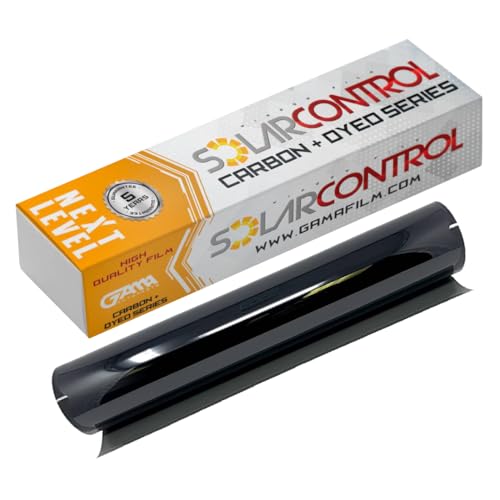
- 99% UV PROTECTION & GLARE REDUCTION: Dyed window tint blocks harmful UV rays...
- DEEP PRIVACY, SMOOTH BLACK LOOK: Non-reflective dyed film gives a clean...
- 5% VLT SHADE, 60" x 100 FT BULK ROLL: Limo-dark 5% VLT for maximum privacy and...
Why the Right Squeegee Matters More Than You Think
I remember my first tint job like it was yesterday. I bought a cheap plastic squeegee from the hardware store, watched a few videos, and felt ready. Twenty minutes later, I had a dyed film full of scratches and a roll of wasted material sitting in my trash can.
That mistake cost me nearly sixty dollars and a whole afternoon. The frustrating part? It wasn’t the film that failed — it was my tool choice.
Dyed film has a soft top layer that scratches easily, and a rigid squeegee acts like a tiny rake across the surface.
What Happens When You Use the Wrong Tool
When you press too hard with a hard plastic edge, you’re not just pushing water out. You’re actually gouging tiny grooves into the dye layer, which creates visible light streaks that ruin the look of your windows.
I’ve seen people blame the film brand or their own installation skills when the real culprit was sitting right in their hands. The good news? Swapping to a softer tool fixes most of these problems immediately.
Signs You’re Using the Wrong Squeegee
- You see thin white lines or streaks after the film dries
- The film looks cloudy or hazy in certain spots
- You feel resistance or hear a scraping sound as you push
- You find tiny scratches near the edges where you worked the hardest
If any of these sound familiar, you’re probably fighting your tool instead of working with it. In my experience, the right squeegee feels smooth and glides across the film without much effort at all.
The Best Squeegee Type for Dyed Window Film
After that first disaster, I did some digging and tested a few options on scrap pieces of dyed film. What I found surprised me: the material of the squeegee blade matters way more than the handle or the brand name.
Soft rubber squeegees with a felt or microfiber wrap are the safest choice for dyed film. They push water out effectively without scratching the delicate dye layer underneath. Hard felt squeegees work well too, but they absorb water and need frequent wringing.
What I Recommend for Beginners
If you’re just starting out, grab a squeegee with a replaceable soft rubber blade and a separate felt-wrapped tool for the final pass. This combo gives you control during the tricky parts and a gentle touch for smoothing out bubbles.
In my experience, the felt tool is what saves you at the edges where the film is most vulnerable. That’s where scratches show up first, and a soft touch there makes all the difference.
Testing Your Squeegee Before You Start
Here’s a quick trick I use every time: run the squeegee across a scrap piece of dyed film with light pressure. If you hear any scratching or see marks, switch to a softer tool before touching your actual windows.
That five-minute test has saved me from ruining more film than I care to admit. Honestly, it’s the smartest habit I’ve picked up in years of tinting.
You’ve probably already ruined a roll of film or two, and you’re tired of wasting money on materials that end up in the trash. The right squeegee stops that cycle before it starts, and the soft-tip tool I grabbed for my own garage made every install smoother from the very first pass.
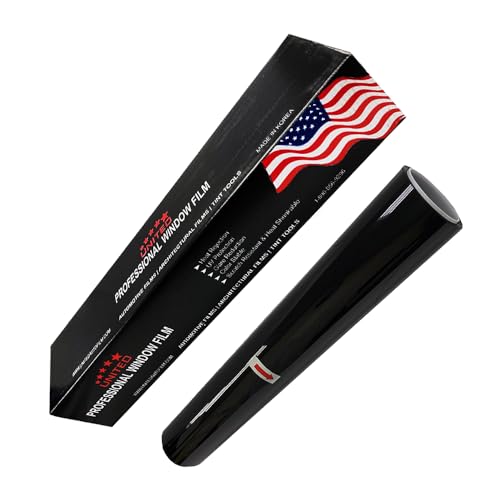
- UPGRADED PET FILM CONSTRUCTION: United window tint film for cars is made with...
- DEEP SHADE PRIVACY WITH 15% VLT: The ultra-dark 15% VLT of car window tint...
- 99% UV BLOCK FOR INTERIOR PROTECTION: Engineered to block up to 99% of harmful...
What I Look for When Buying a Squeegee for Dyed Film
I’ve bought my fair share of squeegees over the years, and most of them ended up in a drawer somewhere. After testing plenty of options, I’ve narrowed it down to a few things that actually matter when you’re working with dyed film.
Blade Softness
The blade is everything. I press my thumbnail into the rubber before buying — if it leaves a mark easily, it’s soft enough for dyed film. Hard blades feel sturdy, but they’ll scratch your tint before you even notice.
Handle Comfort
You’ll be holding this tool for hours, so a comfortable grip matters more than you’d think. I once used a skinny metal handle that left my hand cramping after just one window. Look for a padded or ergonomic grip that feels natural in your palm.
Replaceable Blades
Cheap squeegees are throwaway tools, but quality ones let you swap out the blade when it wears down. I replace mine every few installs, and it keeps the squeegee feeling like new without buying a whole new tool.
Covered Edges
Sharp corners on a squeegee are a hidden danger. I look for rounded or covered edges that won’t dig into the film when I’m working close to the glass edge. That little detail has saved me from countless accidental gouges.
The Mistake I See People Make With Squeegees for Dyed Film
The biggest mistake I see is people using the same squeegee for every type of tint film. They tint a friend’s car with ceramic film, then use that same hard tool on their own dyed film without thinking twice. That’s how you end up with scratches you can’t unsee.
Another common error is pressing too hard, thinking more pressure means fewer bubbles. With dyed film, heavy pressure actually pushes the soft dye layer around and creates uneven spots. Light, steady strokes with a soft blade give you a cleaner result every time.
I’ve also watched people skip the felt tool entirely, using only a hard squeegee for the whole job. That works for some films, but not dyed ones. The felt pass is what smooths everything out without damaging the surface.
You’re probably tired of looking at scratched tint and wondering if you’ll ever get it right. I’ve been there too, and the squeegee set that finally worked for me came with both soft and felt blades so I stopped ruining film for good.
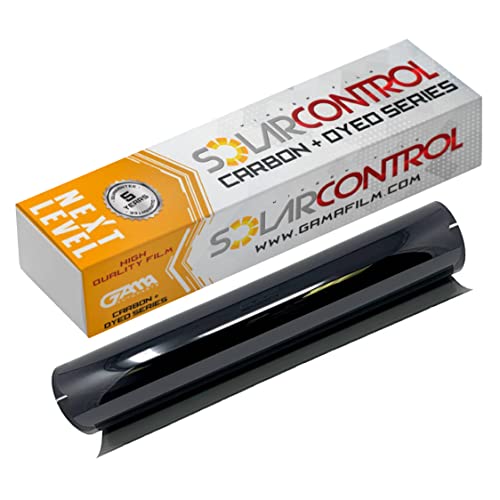
- 99% UV PROTECTION & GLARE REDUCTION: Dyed window tint blocks harmful UV rays...
- DEEP PRIVACY, SMOOTH BLACK LOOK: Non-reflective dyed film gives a clean...
- 20% VLT SHADE, 40" x 100 FT BULK ROLL: Medium-dark 20% VLT, a popular balanced...
The Two-Tool Trick That Changed My Tinting Game
Here’s the insight I wish someone had shared with me years ago: you don’t need one perfect squeegee — you need two different tools working together. Start with a soft rubber squeegee for the initial pass to push out the bulk of the water, then switch to a felt-wrapped tool for the final smoothing. That combination gives you power where you need it and gentleness where it counts.
I used to fight with a single squeegee for everything, and my results were always inconsistent. One window would look flawless, and the next would have a scratch I couldn’t explain. Once I started using the felt tool as the finishing touch, my success rate jumped dramatically.
The felt tool glides over dyed film without catching or digging in, which means you can go over the same spot multiple times without worry. That’s a huge relief when you’re chasing down a stubborn bubble near the edge. Keep both tools within arm’s reach, and you’ll never have to pause mid-install to hunt for the right one.
My Top Picks for Tinting Dyed Film Without the Headaches
After all the trial and error, people always ask me which film I actually use with my soft squeegees. I’ve settled on two dyed films that work beautifully with the right tools, and I’m happy to share exactly what I reach for.
HIDNY United 5% VLT Professional Window Tint Film 24×100 — My Go-To for Deep Privacy
The HIDNY United 5% film is what I grab when someone wants that limo-dark look. It glides smoothly under a felt squeegee without lifting or creasing, which surprised me for such a dark film. It’s perfect for rear windows and SUVs, though it can be tricky to see out of at night.
- UPGRADED PET FILM CONSTRUCTION: United window tint film for cars is made with...
- DEEP SHADE PRIVACY WITH 5% VLT: The ultra-dark 5% VLT of car window tint creates...
- 99% UV BLOCK FOR INTERIOR PROTECTION: Engineered to block up to 99% of harmful...
GAMA AUTOPARTS Window Tint 20% VLT 40x100FT Dyed Film — The Balanced Choice for Daily Drivers
The GAMA AUTOPARTS 20% film is my personal favorite for everyday cars because it offers solid privacy without making night driving a struggle. I love how forgiving it is with a soft rubber squeegee — it pushes bubbles out cleanly without scratching. It’s ideal for beginners, though you’ll want a steady hand around the edges.
- 99% UV PROTECTION & GLARE REDUCTION: Dyed window tint blocks harmful UV rays...
- DEEP PRIVACY, SMOOTH BLACK LOOK: Non-reflective dyed film gives a clean...
- 20% VLT SHADE, 40" x 100 FT BULK ROLL: Medium-dark 20% VLT, a popular balanced...
Conclusion
The right squeegee makes all the difference when you’re working with dyed window film, and a soft touch is non-negotiable. Grab a felt-wrapped tool and test it on a scrap piece of film before you start your next install — that five-minute check will save you time, money, and a whole lot of frustration.
Frequently Asked Questions about Does Dyed Car Window Tint Film Require a Specific Type of Squeegee?
Can I use a hard plastic squeegee on dyed window tint film?
I wouldn’t recommend it. Hard plastic squeegees are too aggressive for dyed film and will scratch the soft dye layer, leaving permanent light streaks that ruin the look of your windows.
Stick with a soft rubber blade or a felt-wrapped tool instead. They push water out effectively without damaging the film, and they’re forgiving if you press a little too hard during the install.
What is the best squeegee for someone who needs to tint their car windows for the first time?
If you’re a beginner, you need a tool that forgives mistakes, and a felt-wrapped squeegee is exactly that. It glides smoothly over dyed film without catching or scratching, even when your technique isn’t perfect yet.
That’s why the soft-tip set I recommend to my friends includes both a rubber blade and a felt tool, so you can practice both techniques without buying extra gear. The felt tool alone will save you from most of the scratches beginners typically make.
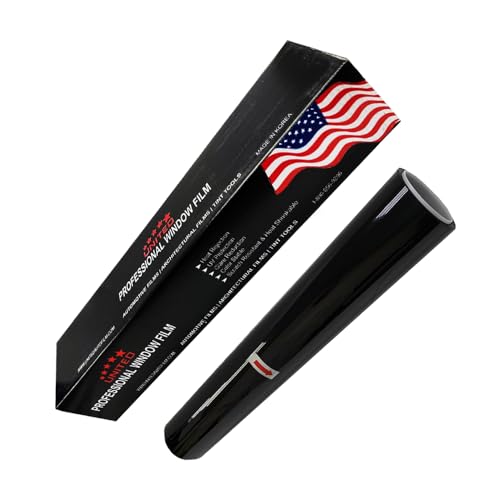
- MAXIMUM PRIVACY & DEEP BLACK SHADE: This 20% VLT window tint film for cars...
- MAXIMUM PRIVACY & DEEP BLACK SHADE: This 20% VLT window tint film for cars...
- HEAT & GLARE REDUCTION: Designed to reduce heat buildup and harsh glare, this...
Do I need to use a different squeegee for dyed film compared to ceramic or metallic film?
Yes, and this is a mistake I see all the time. Ceramic and metallic films are more durable and can handle a firmer squeegee, but dyed film has a soft top layer that scratches easily with the same tool.
If you’re switching between film types, keep a dedicated soft squeegee for your dyed film projects. It’s worth the extra tool to avoid ruining an expensive roll of tint.
How hard should I press when using a squeegee on dyed film?
Light pressure is the golden rule with dyed film. You only need enough force to push water out from under the film, not to muscle it into place. Heavy pressure can distort the dye layer and create uneven shading.
Think of it like spreading frosting on a cake — steady and gentle wins every time. If you feel resistance or hear a scraping sound, you’re pressing too hard and need to ease up immediately.
Which squeegee won’t let me down when I’m working on tight curves and edges?
Tight curves and edges are where most scratches happen, so you need a tool that can navigate those tricky spots without digging in. A small felt-wrapped squeegee with rounded corners is your best bet for those areas.
I’ve tested plenty of options, and the compact felt tool that worked for my own tricky installs handled every curve without a single scratch. It’s small enough to control precisely but sturdy enough to push water out effectively.
- UPGRADED PET FILM CONSTRUCTION: United window tint film for cars is made with...
- DEEP SHADE PRIVACY WITH 20% VLT: The ultra-dark 20% VLT of car window tint...
- 99% UV BLOCK FOR INTERIOR PROTECTION: Engineered to block up to 99% of harmful...
Can I use a credit card or similar object as a squeegee substitute?
I’ve seen people try this, and honestly, it never ends well. Credit cards and similar hard objects have sharp edges that will scratch dyed film almost immediately, and they don’t flex enough to follow the curve of your window.
Invest in a proper squeegee instead — it’s a small cost compared to replacing ruined film. The right tool makes the job easier and gives you a professional-looking result you’ll be proud of.