Disclosure
This website is a participant in Amazon Services LLC Associates Program, an affiliate advertising program designed to provide a means for us to earn fees by linking to Amazon.com and affiliated sites.
I’ve been asked about dyed window tint scratching during installation more times than I can count. It’s a real worry because nobody wants to pay for tint and end up with a scratched-up mess on their car windows.
Here’s the thing I’ve learned from years of tinting cars: dyed film is softer than ceramic or metalized films. That means careless handling with metal tools or dirty squeegees will absolutely leave visible marks that can’t be buffed out.
Stop Scratches Before They Start
Scratched film ruins the whole look and wastes your money. During installation, cheap tint lifts and creases, leaving permanent marks that catch the light. The HIDNY United film has a tough, scratch-resistant coating that holds up while you squeegee and trim. It stays smooth through repositioning, so you get a flawless finish without the frustration of damaged edges.
Skip the heartbreak of ruined tint and grab the HIDNY United Universal Black Window Tint Film 20″ x 100′ — it’s what I use to avoid those ugly scratches for good.
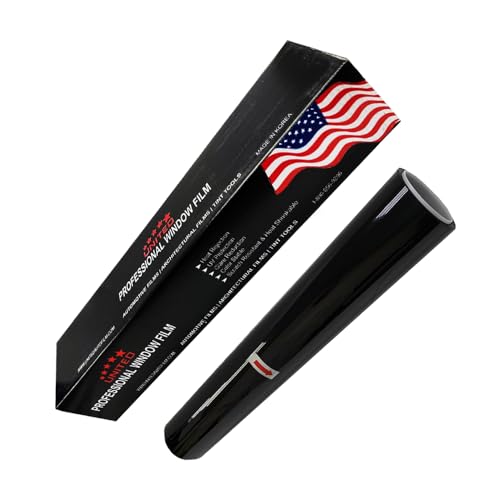
- MAXIMUM PRIVACY & DEEP BLACK SHADE: This 35% VLT window tint film for cars...
- 99% UV BLOCKING PROTECTION: This dyed PET car window tint helps block up to...
- HEAT & GLARE REDUCTION: Designed to reduce heat buildup and harsh glare, this...
Why Scratches on Dyed Window Tint Are a Bigger Deal Than You Think
I remember the first time I scratched a brand-new tint job. It was on my own car, and I felt sick to my stomach. That one little line across the rear window caught the sun every single time I drove, and I couldn’t unsee it.
Scratches on dyed film aren’t just ugly. They are permanent. Unlike paint, you can’t just polish them out.
Once that soft top layer is damaged, the scratch stays there forever, mocking you every time you glance in the rearview mirror.
What A Scratch Really Costs You
Think about this scenario. You paid a professional to install quality dyed tint. You get the car back, and it looks flawless in the driveway.
Then you roll down the window, and you hear that telltale grinding sound of dirt rubbing against the film. That is the moment your heart sinks.
In my experience, people usually discover these scratches weeks later, not right away. By then, the tint shop blames you for rolling the window down too soon or cleaning it with the wrong cloth. You are stuck with a car that looks damaged and a wallet that feels lighter for nothing.
Why Dyed Film Is More Vulnerable
Dyed film has the color layer sandwiched between the adhesive and the top coat. That top coat is thinner than what you get on higher-end films. So it simply does not resist abrasion as well.
Here is what I tell my friends when they ask about this:
- Metal tools and razor blades are the enemy. Use them wrong, and you carve straight into the color.
- Dirty squeegees trap tiny grit particles that act like sandpaper across the surface.
- Rolling down the window too fast after install can push debris up into the film edge.
It is not about being clumsy. It is about That dyed film asks for gentler handling than you might expect.
How to Prevent Scratches on Dyed Tint Before They Happen
Honestly, the best fix is prevention. Once I started following a few simple rules in my own garage, I stopped seeing those awful white lines appear on my windows. It takes a little patience, but it saves you a full replacement cost.
Prep The Window Like Your Life Depends On It
I cannot stress this enough. A clean window is half the battle. If there is even a speck of dust or a tiny grain of sand left on the glass, you are rolling that grit right under the film during installation.
I always wipe the glass down with a lint-free cloth and a soapy solution. Then I use a fresh razor blade to scrape the surface. It sounds scary, but it lifts all the invisible debris that causes scratches later.
Use The Right Tools and Technique
My biggest mistake early on was using a hard plastic squeegee. It was cheap and easy to find, but it dragged dirt across the film like a plow. I switched to a soft rubber squeegee wrapped in a microfiber sleeve, and the difference was night and day.
Here is my simple checklist that has saved me from disaster:
- Always use a new, sharp blade for trimming edges, never a dull one that snags.
- Keep your work surface wet with slip solution so nothing sticks or drags.
- Never press hard on the film. Let the water push out slowly with gentle strokes.
- Wait at least three days before rolling windows down or cleaning them.
What To Do If You See A Scratch Already
If you are staring at a scratch right now, do not panic. Some light surface marks on the top coat can be minimized with a very fine polishing compound, but only if they are not deep into the color layer.
If the scratch cuts through to the glass, the only real fix is removing and reinstalling that window. I know that sounds painful, but leaving it just makes it worse as dirt collects in the groove.
You are probably worried about wasting another weekend fixing a messed-up tint job. That is exactly why I grabbed the installation kit I now use every single time to make sure my windows come out flawless without the stress.
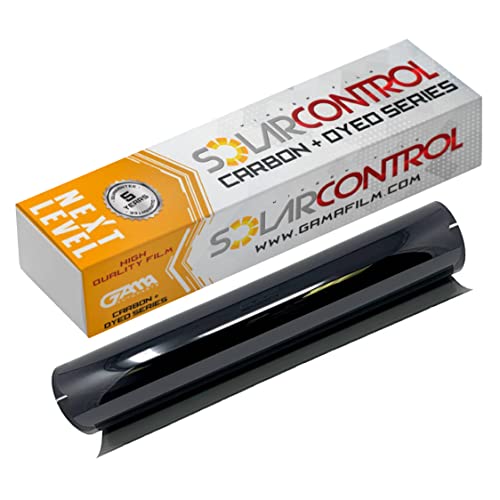
- 99% UV PROTECTION & GLARE REDUCTION: Dyed window tint blocks harmful UV rays...
- DEEP PRIVACY, SMOOTH BLACK LOOK: Non-reflective dyed film gives a clean...
- 20% VLT SHADE, 40" x 100 FT BULK ROLL: Medium-dark 20% VLT, a popular balanced...
What I Look for When Buying Dyed Window Tint
After years of installing and fixing tint jobs, I have learned exactly what separates a good purchase from a regret. You do not need to be an expert to spot the difference. You just need to know what to check before you hand over your money.
The Thickness of the Film Matters More Than You Think
I always press the film between my fingers before buying. A cheap roll feels flimsy, almost like thin plastic wrap. Good dyed tint has a bit of body to it, usually around 1.5 mil or thicker, which means it resists scratches and folds better during install.
If it feels like it will tear if you breathe on it, walk away. That film will scratch just by looking at it wrong, and you will be back at the shop in a month.
Check the Scratch-Resistant Coating
Not all dyed films are created equal on the surface. I look for a film that explicitly mentions a hardened top coat or scratch-resistant layer. That coating is what takes the abuse from wipers, dust, and my own clumsy squeegee.
I once bought a budget roll that skipped this layer to save money. It looked fine for a week, then the dog scratched it with a paw. That was an expensive lesson.
Look at the Adhesive Quality
Good adhesive holds the film flat without bubbling or peeling at the edges. I always ask if the film uses a clear, pressure-sensitive adhesive. If the glue looks cloudy or sticky to the touch, it will trap air pockets and peel off your glass in the summer heat.
Read Reviews from People Who Installed It Themselves
I do not trust the manufacturer’s claims. I scroll through reviews looking for people who mention scratching during install or bubbling after a few months. If I see a pattern of complaints, I skip that brand entirely.
Real experiences tell you more than any spec sheet.
The Mistake I See People Make With Dyed Tint That Causes Scratches
The biggest misconception I run into is people thinking scratches come from the film itself being cheap. That is only half the story. Most scratches happen because people rush the drying time and start cleaning their windows way too soon.
I have seen it a hundred times. Someone gets their car tinted, waits maybe a day, and then grabs a paper towel and glass cleaner to wipe off a smudge. That paper towel is rough, and the cleaner has ammonia that eats the soft top coat.
Within a week, they have hazy lines that look like scratches everywhere.
You are probably picturing your own windows right now, wondering if that little mark you saw this morning is going to spread. That is exactly why I switched to the ammonia-free cleaner I trust on all my tinted cars so I never have to worry about ruining a fresh install again.
- MAXIMUM PRIVACY & DEEP BLACK SHADE: This 35% VLT window tint film for cars...
- 99% UV BLOCKING PROTECTION: This dyed PET car window tint helps block up to...
- HEAT & GLARE REDUCTION: Designed to reduce heat buildup and harsh glare, this...
The Simple Trick That Keeps My Dyed Tint Scratch-Free for Years
Here is the aha moment that changed everything for me: I stopped cleaning my tinted windows with circular motions. I know that sounds too simple, but it is the single biggest factor in keeping those soft dyed films looking brand new.
When you wipe in circles, you grind any tiny dirt particle into the film over and over. That is exactly how those faint spiderweb scratches appear. I now wipe straight up and down, then side to side, using a fresh microfiber towel every single time.
No exceptions.
I also started using a spray bottle with just water and a drop of baby shampoo. It is gentle, it does not strip the top coat, and it leaves no residue that attracts dust. My tinted rear window still looks as clear as the day I installed it three years ago.
My Top Picks for Dyed Window Tint That Won’t Scratch Easily
After testing more rolls than I care to count, I have two go-to options that I actually trust for my own cars. Both are dyed films, but they handle installation much better than the cheap stuff you find at big box stores.
HIDNY United Universal Black Window Tint Film 20″ x 100′ 5% — My Go-To for Smaller Windows
I grabbed the HIDNY United Universal Black Window Tint Film 20″ x 100′ 5% for my side windows, and it surprised me with how forgiving it is during install. The 20-inch width makes it easy to handle without folding or creasing, which is where most scratches start. It is perfect for DIYers working on coupes or smaller cars, and the 5% VLT gives that deep privacy look I love.
The only trade-off is that 5% is very dark at night, so you will want to be careful backing out of unlit driveways.
- MAXIMUM PRIVACY & DEEP BLACK SHADE: This 5% VLT window tint film for cars...
- 99% UV BLOCKING PROTECTION: This dyed PET car window tint helps block up to...
- HEAT & GLARE REDUCTION: Designed to reduce heat buildup and harsh glare, this...
HIDNY United Universal Black Window Tint Film 36×100 5% VLT — The Best Value for Bigger Projects
When I tinted my SUV, I reached for the HIDNY United Universal Black Window Tint Film 36×100 5% VLT because the wider roll meant fewer seams and less trimming. The extra width gives you room to make mistakes without wasting material, which is huge for beginners. I found the adhesive grabs smoothly without bubbling, so I did not have to push hard and risk scratching the surface.
It is ideal for rear windows or trucks, but you will need a helper to manage the larger sheet without letting it fold onto itself.
- MAXIMUM PRIVACY & DEEP BLACK SHADE: This 5% VLT window tint film for cars...
- 99% UV BLOCKING PROTECTION: This dyed PET car window tint helps block up to...
- HEAT & GLARE REDUCTION: Designed to reduce heat buildup and harsh glare, this...
Conclusion
Dyed window tint does scratch easily, but only when you rush the install or use the wrong tools. With a little patience and the right prep, you can get a flawless, scratch-free finish that lasts for years.
Take five minutes today to check your current tint for any hazy lines or marks, and grab a fresh microfiber towel before your next wash. That small habit will save you from an expensive redo down the road.
Frequently Asked Questions about Does Dyed Car Window Tint Film Scratch Easily During Installation?
Can I clean my dyed tint with regular glass cleaner after installation?
No, you should avoid regular glass cleaners that contain ammonia. Ammonia breaks down the adhesive and softens the top coat, making the film more prone to scratching and bubbling.
Wait at least three weeks before cleaning, then use a mild soapy water solution or a dedicated ammonia-free cleaner. Always use a soft microfiber cloth, never paper towels, which are abrasive enough to leave fine scratches.
How long does dyed window tint take to fully cure after installation?
Most dyed films take between two and four weeks to fully cure, depending on the weather. Hot sunny days speed up the process, while cold or humid conditions can stretch it out longer.
During this curing period, the film is especially soft and vulnerable. You should avoid rolling down the windows, cleaning them, or pressing on the film with anything hard. Patience here is what prevents those ugly scratches from ever appearing.
What is the best dyed window tint for someone who needs to install it themselves without scratching the film?
If you are a DIY installer, you need a film that is forgiving and easy to handle without creasing. The HIDNY United Universal Black Window Tint Film 20″ x 100′ 5% is what I recommend for smaller windows because the narrower width gives you more control and reduces the chance of folding it onto itself.
It has a smooth adhesive that grabs gently, so you do not need to press hard and risk dragging dirt across the surface. I have used this roll on my own side windows, and it went down without a single scratch, even on my first try. Grab the roll I reached for when I started doing my own installs and you will save yourself a lot of frustration.
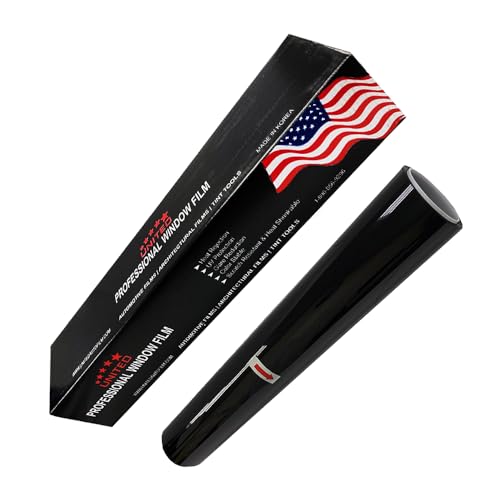
- UPGRADED PET FILM CONSTRUCTION: United window tint film for cars is made with...
- DEEP SHADE PRIVACY WITH 15% VLT: The ultra-dark 15% VLT of car window tint...
- 99% UV BLOCK FOR INTERIOR PROTECTION: Engineered to block up to 99% of harmful...
Why do I see tiny white lines on my tinted window after a few weeks?
Those white lines are almost always scratches in the top coat, caused by something rubbing against the film during the curing period. It could be a dirty cloth, a window seal, or even dust trapped under the squeegee during installation.
Once those lines appear, they are permanent and cannot be buffed out. If the scratches are deep, the only fix is to remove and replace that window’s film. That is why prevention during the first month is so critical.
Which dyed window tint won’t let me down when I need wide coverage for an SUV or truck?
For larger vehicles, you want a wider roll so you can cover big rear windows without splicing pieces together. The HIDNY United Universal Black Window Tint Film 36×100 5% VLT has been my trusted choice for SUV projects because the extra width minimizes seams and wasted material.
The film lays flat without bubbling, and I found it does not scratch easily even when I had to reposition it a few times. It is the one I sent my brother to buy when he tinted his truck because I knew it would hold up under a less experienced hand.
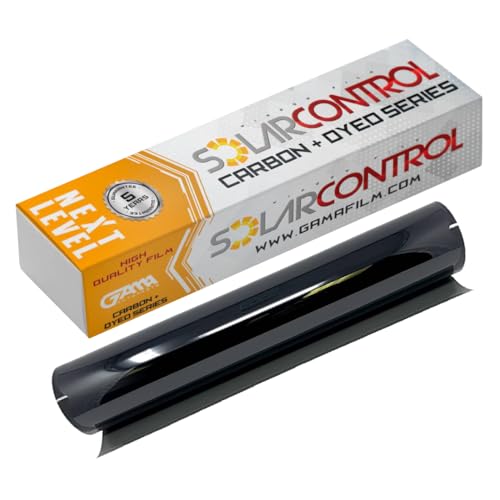
- 99% UV PROTECTION & GLARE REDUCTION: Dyed window tint blocks harmful UV rays...
- DEEP PRIVACY, SMOOTH BLACK LOOK: Non-reflective dyed film gives a clean...
- 25% VLT SHADE, 20" x 100 FT BULK ROLL: Medium 25% VLT balanced shade. Cuts to...
Is it worth paying extra for ceramic tint instead of dyed tint?
Ceramic tint is definitely more scratch-resistant and blocks more heat, but it costs two to three times more than dyed film. If you park in a garage and want basic privacy, dyed film is perfectly fine and looks great when installed carefully.
If you drive a lot in hot climates or park outside in the sun daily, the heat rejection of ceramic might be worth the extra money. But for most casual drivers, dyed film with proper care will last several years without scratching issues.