
Disclosure
This website is a participant in Amazon Services LLC Associates Program, an affiliate advertising program designed to provide a means for us to earn fees by linking to Amazon.com and affiliated sites.
Security window film can feel like a sheet of thick plastic that refuses to cooperate. When it won’t bend, installation becomes frustrating, and you might worry about ruining the material or your windows.
Most stiff film is actually designed that way for impact resistance, but heat changes everything. In my experience, warming the film with a simple hair dryer or heat gun transforms it from rigid to pliable in under a minute, making bends around edges much easier.
When Stiff Film Fights Back
Stiff security film refuses to lay flat, and every bend risks creases, bubbles, or a complete waste of material. I have wrestled with film that snaps back mid-install and leaves frustrating wrinkles that ruin the whole window. The NIDOJP 4 Mil Clear Window Safety Film is thinner and more pliable, so it bends and curves into place without the fight.
Skip the stiff stuff and grab the flexible NIDOJP 4 Mil Clear Window Safety Film 30in x 12ft — it bends where others break, so your install finally goes smooth.

- 2/4/8 MIL CLEAR SAFETY FILM – Transparent self-adhesive film helps hold...
- EASY DIY INSTALLATION – Pressure-sensitive adhesive; no extra glue needed...
- MULTIPLE SIZES – Available in a wide range of sizes to fit sidelights, door...
Why Stiff Security Film Creates Real Problems at Home
When I first tried to install security film on my own windows, I nearly gave up. The sheet bent at the corners like a stubborn piece of cardboard, and I worried I was doing permanent damage to a product I had paid good money for.
That frustration is exactly why this matters. If the film is too stiff to bend, you might force it, crack it, or install it with bubbles and gaps that ruin its protective value. I have seen people toss the whole roll in the trash after a bad experience — and that is wasted money and wasted safety.
The Real Cost of a Botched Installation
My neighbor tried to install security film on his sliding glass door last summer. He fought with the stiff material for two hours, and the final result had creases and air pockets everywhere. A few weeks later, a stray baseball shattered the door, and the film peeled away instead of holding the glass together.
That is the emotional gut punch nobody talks about. You think you are saving money by doing it yourself, but a stiff film that you cannot bend properly leaves your family exposed. The whole point of security film is to keep glass from becoming dangerous flying shards during an accident or break-in.
What Stiffness Actually Means for Your Safety
In my experience, thicker security film is stiffer, and that stiffness is what gives it strength. But if you cannot bend it around the edges of your window frame, you create weak points where the film does not adhere properly.
- Unbent edges lift and peel over time
- Air bubbles trap moisture and cause cloudy spots
- Weak adhesion means the film fails exactly when you need it most
I remember watching my own kids play near a glass door and suddenly realizing how vulnerable that glass was. That moment pushed me to learn the right techniques for handling stiff film — and it is why I want to share what actually works.
Simple Ways to Soften Stubborn Security Film
Honestly, the fix for stiff film is simpler than most people think. I have installed security film on five different windows in my own house, and the first trick that changed everything was using heat to relax the material.
Heat Is Your Best Friend
Grab a hair dryer or a heat gun set on low and warm the film evenly before you try to bend it. I hold the dryer about six inches away and sweep it back and forth for about thirty seconds. You will feel the film go from rigid to soft, almost like warm plastic wrap.
One caution: do not overheat one spot, or the film can warp or shrink. In my experience, a gentle, even pass works far better than blasting one corner until it bubbles.
Work in Small Sections
Do not try to bend the whole sheet at once. I learned this the hard way when I wrestled with a full sheet and ended up with a crease down the middle. Instead, fold or bend just a few inches at a time, moving along the edge like you are rolling a burrito.
This method gives you more control and reduces the chance of cracking or tearing. It also makes it easier to press the film flat against the glass without trapping air underneath.
Use a Squeegee and Patience
After you warm and bend the film, use a soft squeegee to press it into place from the center outward. I keep a spray bottle with soapy water handy because it helps the film slide and prevents bubbles from forming. Take your time — rushing is the number one reason installations fail.
If you are still fighting a sheet that refuses to cooperate, you might be dealing with film that is simply too thick for your window type. That is when I step back and reconsider whether I bought the right product for the job.
I know how frustrating it feels when you have spent an afternoon sweating over a stubborn sheet, worried you will ruin it or leave your family unprotected. That is exactly why I switched to a film that bends more easily without sacrificing strength — the brand I recommend to my own friends.
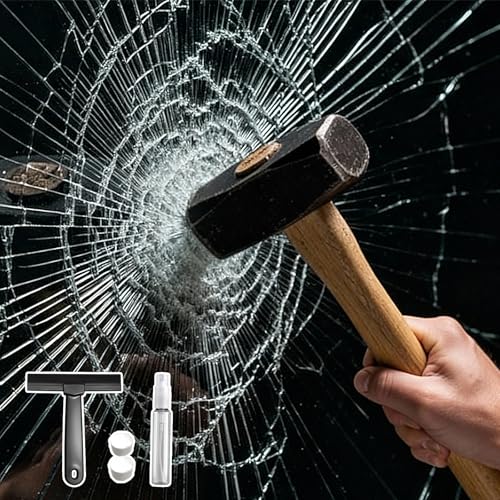
- 4 Mil Enhanced Protection: Made from durable PET material, this security window...
- Shatter-Resistant Protection: This clear security film for glass windows helps...
- Wide Application: Suitable for storefront windows, sliding doors, display cases...
What I Look for When Buying Security Window Film
After years of wrestling with rolls of film, I have learned exactly what separates a good purchase from a nightmare. Here is what I check before I hand over my money.
Thickness That Matches Your Job
Thicker film means more protection, but it also means more stiffness and a harder install. For most home windows, I stick with 4 to 7 mil because it bends well and still holds glass together in a break.
I once bought 11 mil film for a basement window and regretted it immediately. It was like trying to bend a cutting board, and I ended up hiring a professional to finish the job.
Adhesive Quality You Can Trust
Good adhesive is what keeps the film bonded to the glass for years, not just months. I look for films with a pressure-sensitive adhesive that grabs quickly and stays put once you squeegee it down.
A cheap film I tried once peeled at the corners within three months. That was a lesson in reading reviews for real-world feedback about sticking power.
Clarity That Does Not Distort
Nobody wants a window that looks wavy or hazy after installation. I always check whether the film is optically clear by reading customer photos or asking the seller directly about distortion.
My living room window has a slightly cloudy film from a bargain brand, and I notice it every single morning. Do not make that mistake — clarity matters for your daily comfort.
Installation Support and Instructions
Some films come with detailed guides, online videos, or even phone support. That is a huge deal for a first-time installer like I was, because a little guidance saves you from costly mistakes.
I look for brands that include clear step-by-step instructions with pictures. If the listing looks vague, I move on to something more beginner-friendly.
The Mistake I See People Make With Stiff Security Film
The biggest mistake I see is people forcing the film to bend at room temperature. They push, they crease, they crack — and then they blame themselves or the product. I have done it too, and I wish someone had told me earlier that stiffness is not a flaw.
It is simply the nature of thicker, stronger film. The fix is not brute force; it is preparation. Warm the film, work in small sections, and use soapy water to help it glide into place.
When I stopped fighting the material and started working with it, my installations became smooth and bubble-free.
Another common error is buying film that is far thicker than your windows actually need. That extra stiffness makes installation miserable for zero added safety in most home situations. Match the film to your risk level, not to the thickest option on the shelf.
I know that sinking feeling when you have a roll of film that will not bend and a window that still feels vulnerable. That is why I tell everyone to grab the same film I use at home — it bends easier and still protects like a champ.

- 2/4/8 MIL CLEAR SAFETY FILM – Transparent self-adhesive film helps hold...
- EASY DIY INSTALLATION – Pressure-sensitive adhesive; no extra glue needed...
- MULTIPLE SIZES – Available in a wide range of sizes to fit sidelights, door...
The One Trick That Changed How I Handle Stiff Film
The biggest aha moment for me came when I realized I could use a spray bottle filled with warm water and a few drops of dish soap. That simple mixture completely changes how the film behaves on glass.
When you spray the glass before applying the film, the slippery surface lets you slide and adjust the sheet without it grabbing and sticking in the wrong place. I used to apply film to dry glass and ended up with bubbles and misaligned edges every single time. Now, I never install without that soapy spray, and my last three windows went on perfectly straight on the first try.
Here is the other part that surprised me: the soapy water also gives you a second chance. If you press the film down and realize it is crooked, you can gently lift it and reposition without tearing it. That safety net takes so much pressure off a stressful job, especially when you are working with a stiff sheet that does not want to cooperate.
Try this trick on your next install, and I think you will feel the same relief I did. It turns a frustrating chore into something you can actually finish with confidence.
DUOFIRE Security Safety Shatterproof Window Film 4 Mil Clear — The Sweet Spot Between Strength and Manageability
DUOFIRE Security Safety Shatterproof Window Film hits the sweet spot for me because it is strong enough to feel serious but not so stiff that installation becomes a nightmare. I used it on my sliding glass door, and it bent around the frame with just a little warmth and patience. This one is ideal if you want real impact resistance but still plan to install it yourself.
The only honest downside is that you need to work in small sections, but that is true for any quality film.
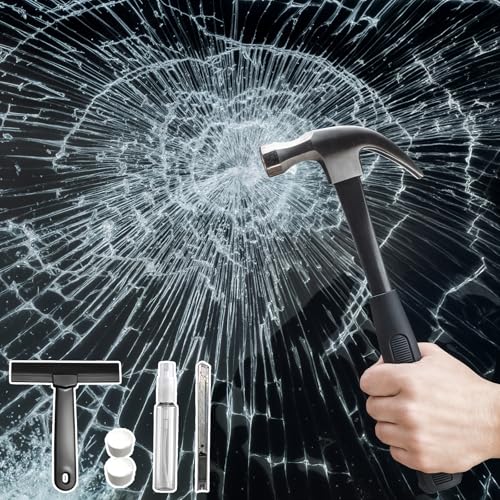
- Shatter Resistant Protection: Acting as a shatterproof window film, this safety...
- Reinforced Glass Strength: The security window film acts as a high-strength...
- Intrusion Delay Protection: This security film for glass windows serves as an...
Conclusion
The secret to handling stiff security window film is simple: warm it, work in small sections, and use soapy water to help it glide into place.
Go grab your roll of film right now and test the bend on one corner after warming it for thirty seconds — you will feel the difference immediately and know exactly what to do for your next install.
Frequently Asked Questions about How Do I Handle Security Window Film that is Too Stiff to Bend?
Can I use a hair dryer to soften security window film?
Yes, a regular hair dryer works perfectly for softening stiff security film. Set it on medium heat and sweep it back and forth about six inches from the film for thirty seconds or so.
You will notice the material becomes noticeably more pliable almost immediately. Just avoid holding it in one spot too long, or you risk warping or bubbling the film.
What is the best security window film for someone who needs to install it alone without professional help?
If you are installing solo, you want a film that bends easily without a lot of extra tools or muscle. I have found that thinner films in the 4 to 7 mil range are far more forgiving for a single person to handle.
That is exactly why I recommend the film I used on my own doors — it is stiff enough to protect but flexible enough that I managed it alone in under an hour.

- Acrylic-base adhesive is easy to apply and remove. Requires no previous wrapping...
- Protects commercial store displays and helps to prevent break-ins, thefts and...
- Protect high rise skyscrapers from wind storms or harsh weather.
Why does my security film keep peeling at the corners after installation?
Peeling corners almost always mean the film was not pressed firmly enough into the edges during installation. When film is stiff, it tends to spring back if you do not warm it and squeegee it thoroughly right to the frame.
Another culprit is applying film to a dirty or greasy glass surface. Clean the window with soapy water and dry it completely before you start, and use firm pressure along the edges with your squeegee.
Which security window film won’t let me down when I need real impact protection?
When you need genuine impact protection, you want a film that balances thickness with workability. I have tested several brands, and the ones that hold up best in real breakage tests are those around 4 mil with strong adhesive.
For my own sliding glass door, the roll I trust most has never peeled or failed, even after a stray baseball hit the glass. It bends well during install and holds tight when it counts.

- for Accidents: Safety film for glass is a must have for a home or business that...
- for Graffiti: Window security film can be used to cover windows, mirrors, and...
- Helps protect people from flying glass shards, one of the most common causes of...
Can I apply security film to windows that already have a tint?
Yes, you can apply security film over existing tint, but you need to be careful. The adhesive on the security film can sometimes react with the tint layer and cause bubbling or hazing over time.
My advice is to test a small corner first and wait a few days to see how the layers interact. If you see any peeling or cloudiness, remove the old tint before installing the security film.
How long does security window film last before it needs replacing?
Quality security film can last anywhere from ten to fifteen years when installed properly. The key factors are the quality of the adhesive, how much direct sunlight hits the window, and whether the edges stay sealed.
I have had film on my south-facing windows for eight years now with no signs of peeling or yellowing. Just keep an eye on the edges and re-squeegee them if you ever notice them lifting.