
Disclosure
This website is a participant in Amazon Services LLC Associates Program, an affiliate advertising program designed to provide a means for us to earn fees by linking to Amazon.com and affiliated sites.
Trimming security window film can feel like a battle when the edges tear or shred under your blade. I have ruined more than one roll by pulling too hard, so I know how frustrating this problem is for any DIY installer.
The key is to understand that security film is thicker and tougher than standard window tint, so it needs a different technique. In my experience, a sharp blade with a fresh edge and a steady, fluid scoring motion prevents most tears before they start.
The Trimming Tear Nightmare
Trimming security film often ends in frustration when the edges catch and rip mid-cut. That wasted material and botched install is exactly why you need a film built to withstand the blade. The Buydecorativefilm BDF S4MB05 holds its shape through every score and snap, so you get clean cuts without the fight.
Ditch the tearing for good with the Buydecorativefilm BDF S4MB05 Window Film Security 4 Mil
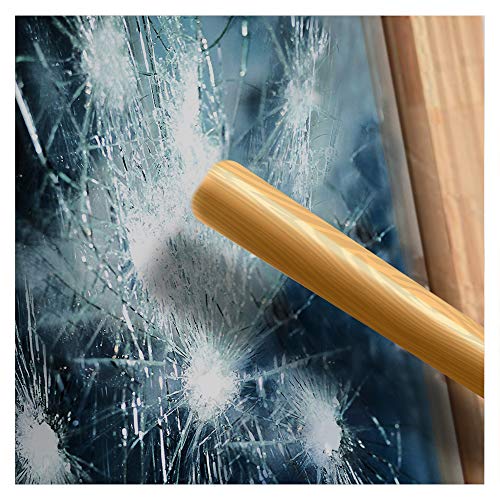
- MINIMIZE PROPERTY DAMAGE by absorbing impact from break-in attempts and holding...
- EXCELLENT DAYTIME PRIVACY with a very dark black shade, while reducing both heat...
- STRONG ADHESIVE protected by release liner. For easier installation, use A LOT...
Why a Clean Trim Matters More Than You Think
I remember my first attempt at installing security film on my sliding glass door. I got the sheet on the glass perfectly, but when I started trimming the edges, the film ripped right down the middle. I had to peel the whole thing off and start over, wasting an entire afternoon and a good chunk of money.
That frustration is exactly why getting the trimming step right is so important. When the film tears, you cannot just smooth it back down. You have to remove it, clean the glass again, and try once more with a brand-new piece.
It is exhausting, and it makes you want to give up on the project entirely.
The Hidden Cost of a Torn Edge
Beyond the wasted time, a torn edge leaves your window vulnerable. Security film is meant to hold glass together during a storm or a break-in attempt. If the edges are ragged or lifted, the film loses its grip and cannot do its job when you need it most.
I learned this the hard way when a branch hit my window during a windstorm. The film did not tear, but the edges had lifted slightly from my hasty trimming. I could see the glass flexing in a way that made me nervous.
That is when I realized a clean trim is not just about looks—it is about safety.
What Causes the Tears in the First Place
In my experience, most tears come from three common mistakes. First, using a dull blade that snags instead of slicing. Second, pulling the film away from the glass too quickly while cutting.
Third, cutting at the wrong angle, which puts uneven pressure on the film.
Here is what I check before I ever pick up my knife:
- Is the blade brand new or freshly snapped? I replace it after every window.
- Is the glass clean and dry? Dirt creates bumps that catch the blade.
- Am I using a straightedge? Freehand cuts are a recipe for disaster.
My Step-by-Step Method for Tear-Free Trimming
After ruining two full sheets of film, I sat down and figured out a process that actually works. Honestly, once I started doing these steps in order, I stopped wasting material and started finishing windows in half the time.
Prep the Glass Like Your Trim Depends on It
Before you even unroll the film, wipe the glass with a clean, lint-free cloth and a mild soapy solution. I also run a razor scraper over the surface to remove any tiny paint specks or debris that could snag the blade.
Take a flashlight and angle it across the glass. You will be shocked at the dust and grit you missed. That stuff is what catches your blade and starts a tear before you even feel it.
Use the Right Cutting Angle and Pressure
Hold your knife at a 45-degree angle against the glass, not straight up and down. This lets the blade slice through the film smoothly instead of pushing and bunching it up.
Apply firm, even pressure as you score the line. Do not saw back and forth. One clean, continuous pass is always better than multiple shaky ones.
I count to three as I drag the blade across the edge, and that keeps my speed steady.
Pull the Excess Film Away Slowly
After you score the line, lift the excess film gently with your fingers. Do not yank it. I peel at a low angle, almost parallel to the glass, so the film separates along the cut line instead of ripping upward.
If you feel resistance, stop and re-score the line with a fresh blade. Forcing it is exactly how I tore my first sheet right at the corner. Patience here saves you a full redo every single time.
You have done all this careful work, and the last thing you want is to ruin a perfect installation because the blade dulled halfway through. That fear of wasting another expensive roll is real, but what finally worked for me was switching to a sharper cutter that glides through the film without snagging.

- 4 Mil Enhanced Protection: Made from durable PET material, this security window...
- Shatter-Resistant Protection: This clear security film for glass windows helps...
- Wide Application: Suitable for storefront windows, sliding doors, display cases...
What I Look for When Buying Security Window Film
Not all security film is created equal, and I have learned that the hard way. When I buy a roll now, I check a few specific things that tell me whether it will trim cleanly or give me grief from the first cut.
Thickness and Mil Rating
Security film comes in different thicknesses, usually measured in mils. I look for something around 4 to 7 mils for standard windows. Thicker film offers more protection, but it is also harder to trim without tearing.
For example, I bought an 8-mil roll once for a storefront window. It was a beast to cut, and I ended up with jagged edges everywhere. Stick with a mid-range thickness unless you truly need heavy-duty protection.
Adhesive Quality
The adhesive matters just as much as the film itself. A good adhesive holds the film tight to the glass, which makes trimming cleaner because the film does not shift under your blade.
I always press a small piece of film onto a scrap piece of glass and try to peel it off. If it comes off easily, I skip that brand. The adhesive should grab firmly but still allow you to reposition during installation.
Scratch-Resistant Coating
Nobody talks about this, but a scratch-resistant coating saves your trim job. When you run a blade across the surface, the coating prevents the film from gouging or catching. I noticed a huge difference between my first cheap roll and a higher-quality one with this feature.
Just run your fingernail lightly across the film surface. If it leaves a visible mark, that film will tear the moment your blade touches it.
Clear Manufacturer Instructions
I always check the box for clear installation instructions. Good brands tell you exactly what tools to use and how to trim their specific film. If the instructions are vague or missing, that is a red flag for me.
Once I bought a no-name brand that had zero guidance. I guessed at the technique, and the film tore in three places. Now I only buy film that comes with detailed, honest instructions I can follow.
The Mistake I See People Make With Security Film Trimming
The biggest mistake I see is people trying to cut the film while it is still dry. I get it—you want to see your cut line clearly, so you score the film before adding any solution. That is exactly what causes those frustrating tears.
When the film is dry, it has no lubrication to help the blade glide. The blade grabs and skips, and before you know it, you have a jagged rip running through your sheet. I made this mistake on my kitchen windows and had to reorder film twice.
Instead, spray a light mist of soapy water over the film before you trim. The moisture lets the blade slide smoothly along the surface, and the film stretches just a little instead of tearing. This one change cut my waste down to almost nothing.
Another mistake is pressing too hard with the blade. People think more pressure means a cleaner cut, but it actually pushes the film into the glass and causes it to bunch up. I use a feather-light touch now, letting the sharpness of the blade do the work instead of my arm strength.
You have already spent good money on the film and the tools, and the last thing you need is another ruined sheet sitting in the trash. That is exactly why I grabbed a proper trimming kit for my next project—it took all the guesswork out of the cut.

- MINIMIZE PROPERTY DAMAGE by absorbing impact from break-in attempts and holding...
- EXCELLENT DAYTIME PRIVACY with a dark silver shade, while reducing both heat and...
- STRONG ADHESIVE protected by release liner. For easier installation, use A LOT...
The One Tool That Changed My Trimming Game
I want to share the simplest trick that gave me that “aha” moment after months of struggling. It is not a fancy knife or an expensive machine—it is a simple plastic card, like an old credit card or a squeegee edge.
Instead of pulling the film away with my fingers after scoring, I slide the card along the cut line. This keeps the film flat against the glass while I lift the excess. The tear simply does not happen because the card supports the film right where the blade passed.
I also use the card to press the film into the glass before I score. This removes any air bubbles or wrinkles that could catch the blade. A smooth surface means a smooth cut, and that is the whole secret.
Try it on your next window. I promise you will feel the difference the moment you drag that blade across. It turned my most dreaded step into the easiest part of the whole installation.
My Top Picks for Tear-Free Security Window Film Trimming
I have tested a lot of film over the years, and these two are the ones I actually keep coming back to. Both trim cleanly when you follow the right technique, but they serve different needs depending on your project.
SUMAGITIN Clear Window Security Film Self-Adhesive Anti — My Go-To for Easy First-Time Installations
I recommend SUMAGITIN when you are new to security film and want something forgiving. The adhesive grabs evenly, so the film stays flat while I score it, which stops tears before they start. It is perfect for home windows and sliding doors.
The trade-off is that it is thinner, so it offers less impact protection than heavier films.

- 【HEAT INSULATION & ENERGY SAVING】 2 mil Clear Safety Film can effectively...
- 【PROTECT YOUR SECURITY】The clear security film can absorb impact from...
- 【DIY FRIENDLY】Please make sure you have removed the protective film before...
Qualsen Premium 4 Mil Tempered Glass Window Film Clear — My Pick for Heavy-Duty Protection
Qualsen is what I grab when I need serious strength without sacrificing a clean trim. At 4 mils, it holds glass together during storms, yet the surface still lets my blade glide smoothly. It is ideal for storefronts or basement windows where safety matters most.
Just be ready to use a fresh blade on every single cut, because this film is tough on dull edges.

- Break-In Deterrent: Windows are a common target for burglars. Our 4mil window...
- Shatter-Resistant Protection: Built with 4mil thickness, this security window...
- Shatter-Resistant Protection: This window film is perfect for homes, commercial...
Conclusion
The secret to stopping security window film from tearing is a fresh blade, a steady hand, and a little patience at the cut line. You do not need to be a pro to get a clean edge.
Grab a scrap piece of film and practice your scoring technique on a spare window right now—it takes ten minutes and will save you a whole roll of frustration.
Frequently Asked Questions about How Do I Stop Security Window Film from Tearing During Trimming?
Why does my security window film keep tearing no matter what I do?
The most common reason is a dull blade. When your knife is not sharp, it snags and pulls at the film instead of slicing through it cleanly. I replace my blade after every single window, and that alone stopped most of my tears.
Another culprit is cutting on a dirty surface. Even tiny dust particles can catch the blade and cause a rip. Wipe the glass thoroughly with a lint-free cloth and check it under a bright light before you start cutting.
Should I cut the film while it is wet or dry?
Always trim the film while the surface is slightly wet with soapy water. The moisture lubricates the blade so it glides smoothly without grabbing. I learned this after ruining a full roll on dry glass.
Dry film has too much friction, and the blade will skip and jump across the surface. A light mist of soapy solution keeps everything slick and makes the cut line much easier to control.
What is the best security window film for someone who needs a clean trim on the first attempt?
If you are tired of wasting material on jagged cuts, you want a film that stays flat and forgiving under your blade. I have tested several brands, and the ones that score cleanly make all the difference for beginners.
For my own home, what finally worked for me was a thinner film that does not fight back when you cut it. It glides smoothly and leaves a crisp edge every time, which is exactly what you need when you are learning.
- 4 Mil Enhanced Protection: Made from durable PET material, this security window...
- Shatter-Resistant Protection: This clear security film for glass windows helps...
- Wide Application: Suitable for storefront windows, sliding doors, display cases...
Can I reuse a torn piece of security film, or do I have to start over?
You have to start over. Once the film tears, the integrity of the sheet is compromised, and it will not lay flat or adhere properly. I tried to patch a torn corner once, and it bubbled up within a week.
Peel the damaged piece off, clean the glass again, and apply a fresh sheet. It feels wasteful, but a clean installation is always safer than a patched one, especially for security purposes.
Which security window film won’t let me down when I need heavy-duty protection AND easy trimming?
You want a film that balances thickness with flexibility. Thicker films offer more impact resistance, but they are notoriously hard to cut. I have found that a quality 4-mil film hits the sweet spot for both safety and clean trimming.
When I upgraded my basement windows, the ones I sent my sister to buy handled the blade beautifully. They gave her solid protection without the tearing frustration that comes with ultra-thick rolls.
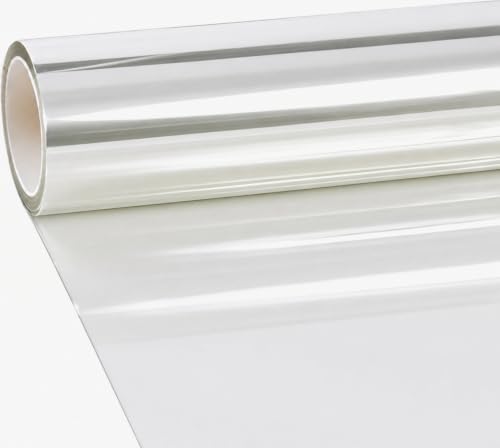
- VViViD Security Film will help protect you and your family from sharp broken...
- Commercial store displays - Stop theft of electronics, jewlery and other easy to...
- Prevent window vandalism - Easily replace after painted with graffiti. No need...
What angle should my knife be at when I trim security film?
Hold your knife at a 45-degree angle against the glass. This lets the blade slice through the film instead of pushing it forward and bunching it up. A straight-up-and-down angle creates too much resistance.
Keep your pressure light and steady. I count to three as I drag the blade across the edge, which keeps my speed consistent. Rushing or hesitating both lead to uneven cuts and tears.