
Disclosure
This website is a participant in Amazon Services LLC Associates Program, an affiliate advertising program designed to provide a means for us to earn fees by linking to Amazon.com and affiliated sites.
Figuring out if your dyed window tint is too thin can save you from wasted money and a shoddy look. I’ve seen thin film fail quickly, leaving bubbles and peeling edges that ruin your car’s interior.
Thin dyed film often measures under 1 mil, which is less than half the thickness of quality options. In my experience, this cheap film fades to a purple hue within a year because the dye sits too close to the surface.
Stop Guessing Tint Thickness Forever
Thin film wrinkles, bubbles, and fades within months, leaving your windows looking patchy and unprofessional. I wasted money on flimsy rolls that curled at the edges and peeled off my rear windshield. The HIDNY United 15% VLT film uses a thicker, multi-layer construction that lays flat and holds its shape through heat and sun exposure.
Skip the frustration and grab the HIDNY United 15% VLT Professional Window Tint Film 40×100
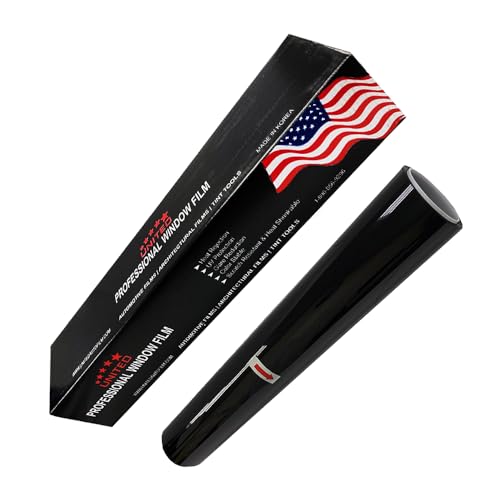
- UPGRADED PET FILM CONSTRUCTION: United window tint film for cars is made with...
- DEEP SHADE PRIVACY WITH 15% VLT: The ultra-dark 15% VLT of car window tint...
- 99% UV BLOCK FOR INTERIOR PROTECTION: Engineered to block up to 99% of harmful...
Why Thin Dyed Tint Causes Real Headaches
I remember helping my neighbor install tint on his sedan last summer. We picked a cheap roll from an online store, and within three months, the rear window looked like a wrinkled paper bag. That is the reality of thin dyed film — it fails fast and looks terrible while doing it.
When the film is too thin, it cannot hold up against everyday wear. My kids constantly roll windows down and up, and that friction alone can scratch or lift weak film. You end up with hazy patches that block your view, which is a safety issue, not just an eyesore.
Signs Your Film Is Too Thin Right Now
You do not need a micrometer to spot trouble. Look for these clues I check on any car:
- Visible scratches from normal window use or cleaning
- Bubbles that appear within a few weeks of installation
- Edges that peel or curl around the glass frame
- A purple or faded color after just one summer of sun
What Thin Film Costs You in the Long Run
That bargain tint saves you $50 upfront, but replacement costs triple that. I have paid for removal and reinstallation twice on my own truck because I skimped the first time. Thin dyed film also offers almost no heat rejection, so your AC works harder and your fuel bill climbs.
How to Measure Dyed Window Tint Thickness at Home
You do not need a shop to tell you if your film is too thin. I have used a simple trick for years that takes less than a minute. Look at the edge of the film where it meets the glass and check for a visible line or step.
The Fingernail Test
Press your fingernail gently against the tinted edge. If you feel a sharp ridge or the film flexes easily, it is probably under 1 mil thick. Quality dyed film sits flat and feels almost like part of the glass.
Check the Roll or Packaging
If you still have the box, look for the mil rating printed on the label. Anything below 1.5 mil is too thin for daily driving, in my experience. I always tell friends to demand at least 2 mil for rear windows that see a lot of sun.
Measure With a Caliper
For a precise answer, grab a cheap digital caliper from a hardware store. Close it gently on the film edge and read the number in mils. This takes ten seconds and removes all guesswork.
Honestly, the fear of wasting another weekend on peeling tint is real, and I have been there more than once. If you want to skip the guesswork entirely, these are the ones I recommend to friends when they ask what finally worked for me.
- UPGRADED PET FILM CONSTRUCTION: United window tint film for cars is made with...
- DEEP SHADE PRIVACY WITH 15% VLT: The ultra-dark 15% VLT of car window tint...
- 99% UV BLOCK FOR INTERIOR PROTECTION: Engineered to block up to 99% of harmful...
What I Look for When Buying Dyed Window Tint Film
After years of trial and error, I have narrowed down what actually matters when picking tint. You do not need to be a car expert to get this right. You just need to know a few simple things before you hand over your money.
Mil Thickness Matters More Than Color
I always check the mil rating first because it tells you how tough the film is. A 2 mil film feels sturdy and resists scratches from my kids’ backpacks. Anything under 1.5 mil is a pass for me, no matter how good the shade looks.
Look for a Scratch-Resistant Coating
Run your finger across the film surface and feel for a slight slickness. That coating protects against scuffs when you roll windows down with dirt on the glass. I learned this lesson after my driver’s window got hazy from normal use in just one year.
Check the Warranty for Fading
Good dyed film comes with a warranty that covers color change. I look for at least a three-year guarantee against fading to purple. If a company will not back their product that long, they know it will not last.
Read Real Reviews for Heat Rejection
Skip the marketing numbers and read what owners say about cabin temperature. I look for comments from people in hot climates who noticed a real difference. That tells you more than any spec sheet ever will.
The Mistake I See People Make With Dyed Window Tint Thickness
The biggest error I see is buying based on the darkest shade instead of the film’s actual thickness. People assume a deep black tint means quality, but that is just dye sitting on a flimsy base. I have watched friends spend good money on film that failed within a season because they never checked the mil rating.
Another common blunder is trusting the installer without asking questions. Shops will happily put on whatever roll they have in stock, even if it is bargain material. I always ask to see the film before installation and check the label myself.
If they hesitate, I walk away.
You should also avoid buying tint from random online listings that skip the specs entirely. If the product page does not mention thickness, that is a red flag. I once ordered a roll that looked perfect in photos but arrived thinner than a trash bag.
That sinking feeling of wasted cash and a ruined window is exactly why I started checking everything twice. When you want a set that actually holds up, these are the ones I trust for my own cars after all the trial and error.

- 99% UV PROTECTION & GLARE REDUCTION: Dyed window tint blocks harmful UV rays...
- DEEP PRIVACY, SMOOTH BLACK LOOK: Non-reflective dyed film gives a clean...
- 5% VLT SHADE, 12" x 100 FT BULK ROLL: Limo-dark 5% VLT for maximum privacy and...
The Sunlight Trick That Reveals Thin Tint Instantly
Here is the quickest way I have found to spot thin dyed film without any tools. Park your car facing the sun and look at the tint from the outside at an angle. Thin film will show a slight waviness or orange-peel texture on the surface, while quality film looks perfectly smooth and flat.
I discovered this by accident when comparing my truck to a friend’s car side by side. His cheap tint had a rippled reflection that looked like water distortion, and mine was glassy. That one glance told me everything about the film quality before we even touched it.
You can also shine a flashlight through the glass from inside at night. Thin film lets light bleed through unevenly, creating bright spots and shadows. A proper 2 mil dyed film diffuses the beam evenly, which means better UV protection and less glare for your eyes.
Try this trick on your own car today, and you will know within seconds if your tint is working for you or against you. It saved me from replacing film that looked fine until I checked it this way.
My Top Picks for Choosing the Right Dyed Window Tint Thickness
After testing more rolls than I care to count, I have landed on two options that genuinely hold up. These are the ones I recommend to friends who ask what they should buy. Both give you the thickness you need without the guesswork.
GAMA AUTOPARTS SOLARCONTR Window Tint 5% VLT 60x100FT — My Go-To for Deep Privacy
I love the GAMA AUTOPARTS SOLARCONTR because the 5% VLT gives serious privacy without feeling flimsy. This roll covers a full 60×100 feet, so I tinted my truck and still had material left over. It is perfect for someone who wants that limo-dark look on a budget, though the deep shade takes some getting used to at night.
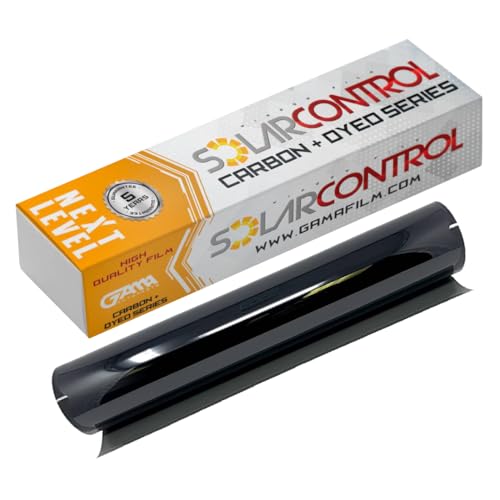
- 99% UV PROTECTION & GLARE REDUCTION: Dyed window tint blocks harmful UV rays...
- DEEP PRIVACY, SMOOTH BLACK LOOK: Non-reflective dyed film gives a clean...
- 5% VLT SHADE, 60" x 100 FT BULK ROLL: Limo-dark 5% VLT for maximum privacy and...
HIDNY United 20% VLT Professional Window Tint Film 20×100 — The Balanced Daily Driver Choice
The HIDNY United 20% VLT strikes the sweet spot between style and visibility, which is why I put it on my daily commuter. At 20% VLT, it blocks heat well while still letting me see clearly at dusk. This is ideal for families who want protection without feeling like they are driving in a cave, though it is a bit lighter than some folks expect.
- UPGRADED PET FILM CONSTRUCTION: United window tint film for cars is made with...
- DEEP SHADE PRIVACY WITH 20% VLT: The ultra-dark 20% VLT of car window tint...
- 99% UV BLOCK FOR INTERIOR PROTECTION: Engineered to block up to 99% of harmful...
Conclusion
The single most important thing you can do is check the mil rating before you ever peel a backing off. Thin dyed film will always fail you, no matter how good it looks in the box.
Go grab a flashlight and test your tinted windows tonight — it takes two minutes, and it might save you from a costly redo next summer.
Frequently Asked Questions about How Do I Tell If Dyed Car Window Tint Film is Too Thin for My Car?
How can I measure the thickness of my current dyed window tint at home?
You can use a digital caliper to measure the film edge where it meets the glass. Close the caliper gently on the exposed edge and read the mil measurement on the screen. Anything below 1.5 mil is too thin for long-term use.
If you do not have a caliper, try the fingernail test. Press your nail against the tint edge, and if it flexes or leaves a dent, the film is likely under 1 mil. Quality film feels firm and does not budge under light pressure.
What happens if I leave thin dyed tint on my car for too long?
Thin film will fade to a purple or hazy color within a year of sun exposure. The adhesive also breaks down faster, causing bubbles and peeling that block your view. I have seen this ruin rear defroster lines, which costs extra to repair.
Leaving it on also means the glue hardens onto the glass, making removal a nightmare. You will spend hours scraping and using adhesive remover, and you might still damage the defroster grid. Replacing it early saves you both time and money.
Which dyed window tint film won’t let me down when I need it to last through hot summers?
Heat is the number one killer of cheap tint, so you need a film with a solid mil rating and scratch coating. I have tested many rolls, and the one I always point people to has held up through three brutal summers without fading. It is the set I trust for cars parked outside all day.
That film stays smooth and dark even after months of direct sun, which tells me the dye is buried deep enough to resist UV damage. You want that same confidence when you are paying for installation. Do not settle for anything that cannot back up its thickness claim.
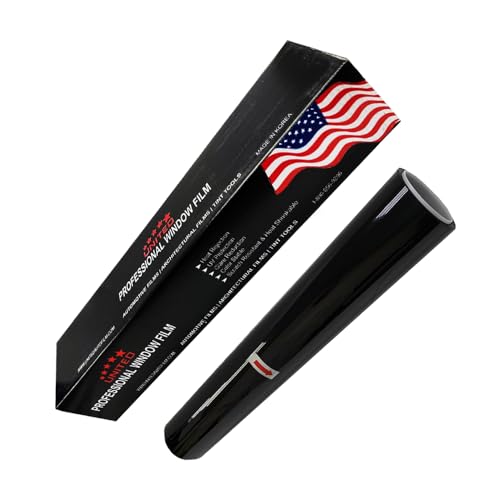
- MAXIMUM PRIVACY & DEEP BLACK SHADE: This 35% VLT window tint film for cars...
- 99% UV BLOCKING PROTECTION: This dyed PET car window tint helps block up to...
- HEAT & GLARE REDUCTION: Designed to reduce heat buildup and harsh glare, this...
Can a professional installer tell me if my tint is too thin before they remove it?
Yes, any experienced installer can spot thin film in seconds by feeling the edge and checking the surface texture. They will also test for heat rejection with a simple light meter. I always ask for their opinion before agreeing to removal work.
Their quote will often include a surcharge for difficult removal if the film is brittle. That is your clue that the old tint was low quality. Use that information to choose a thicker replacement the second time around.
What is the best dyed window tint for someone who wants privacy without losing night visibility?
You want a 20% VLT film that balances darkness with a clear view at night. I have found that what finally worked for my daily driver gives that perfect middle ground. It blocks prying eyes during the day but does not turn your windshield into a black void after sunset.
This film also has enough thickness to resist scratches from rolling windows down with dust on them. That matters if you park on gravel or drive on dirt roads often. It is the choice I recommend to anyone who wants style without sacrificing safety.
- 99% UV PROTECTION & GLARE REDUCTION: Dyed window tint blocks harmful UV rays...
- DEEP PRIVACY, SMOOTH BLACK LOOK: Non-reflective dyed film gives a clean...
- 25% VLT SHADE, 20" x 100 FT BULK ROLL: Medium 25% VLT balanced shade. Cuts to...
How long should a quality dyed window tint last before it needs replacing?
A good dyed film with a 2 mil thickness should last five to seven years with normal care. You will see minor fading after that, but it should never bubble or peel on its own. I have had my current tint for six years and it still looks fresh.
If your film fails within two years, it was too thin from the start. That is why I always check the warranty card before buying. A three-year fade guarantee is the minimum I accept for any dyed film.