Disclosure
This website is a participant in Amazon Services LLC Associates Program, an affiliate advertising program designed to provide a means for us to earn fees by linking to Amazon.com and affiliated sites.
My car feels like an oven every summer afternoon, and the sun glare makes driving miserable. I decided to try the LuxeShade Ceramic Car Window Tint Film in the 35% VLT with 24-inch width and 100-foot length to tackle both issues at once. The roll is massive, so I had plenty of material for all my side windows and even the rear.
This tint is really aimed at DIYers who want serious heat rejection without paying a shop. The ceramic construction blocks 99% of UV rays and 95% of infrared rays, which is impressive on paper. My main trade-off is that the 2-mil film is thinner than some premium options, so you’ll need patience during installation to avoid creases. I was curious if the one-way privacy would hold up at night.
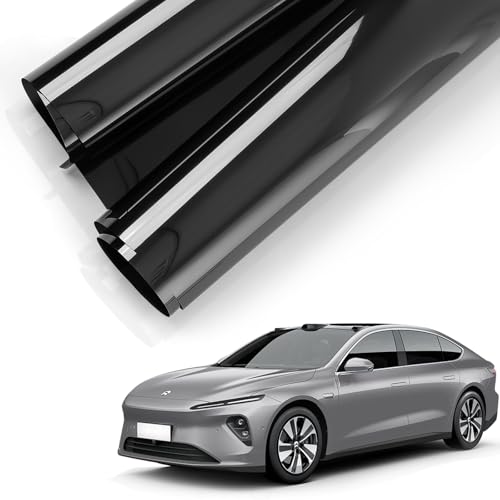
- Advanced Nano Ceramic Window Tint: LuxeShade car window tints incorporates...
- Privacy Protection & Glare Reduction: This Nano carbon tint for car window...
- Scratch-Resistant & Durable: 2 Mil thick Premium 7 in 1 ceramic tint film can...
What Stands Out — Key Features
- Nano Ceramic Heat Rejection: The 35% tint blocks 99% of UV rays and 95% of infrared rays. I noticed the dashboard stayed noticeably cooler after a few hours in direct sun.
- One-Way Privacy: During the day, I could see out clearly but people outside couldn’t see in. It made parking in busy lots feel much more private.
- Scratch-Resistant Build: The 2-mil thick, 7-in-1 film adds a layer of shatter protection to the glass. I pressed a bit harder than usual during squeegeeing and saw no scratches.
- Hot Melt Technology: The film handled heat gun shrinking well without tearing or creasing, which surprised me for a 2-mil product. It conformed nicely to the curved rear window.
- Generous Roll Size: At 24 inches by 100 feet, I had enough to do two sedans with leftover material for home windows. The 36-inch option is there if you need more width.
- Glare Reduction: Headlights at night felt less blinding, and the daytime glare from the hood was cut down significantly. My eyes felt less fatigued on long drives.
- Color Options: Available in 5%, 20%, and 35% VLT. I chose 35% for a balance of privacy and visibility, but the darker options are there for maximum stealth.
Full Specifications
Pros & Cons — The Honest Take
✅ What I Like
- The 99% UV and 95% infrared rejection made a real difference — my interior stayed noticeably cooler after parking in the sun for two hours.
- The 100-foot roll gave me more than enough material to do all side windows on my sedan with leftovers for the rear windshield.
- The 2-mil, 7-in-1 construction felt sturdier than I expected for the price, and I didn’t see any scratches after squeegeeing multiple times.
- Daytime one-way privacy worked exactly as advertised — I could see out clearly at 35% VLT while passersby couldn’t see in.
- The hot melt technology held up well under a heat gun during shrinking on my curved rear window without any creasing or tearing.
❌ What Could Be Better
- The 2-mil film is thinner than premium 3-mil options, so it’s easy to over-stretch during the wet install if you’re not careful.
- The 35% tint doesn’t provide much privacy at night when interior lights are on — the one-way effect is mostly a daytime thing.
- The film has a slight hazy appearance on curved windows no matter how careful you are with the heat shrink process.
For the price and the sheer amount of film you get, the heat rejection and daytime privacy make this a solid value — just be ready to take your time during installation. The thinness is the main compromise, but if you’re patient, the results are worth it.
⚖️ How Does It Compare?
I picked the LYPUMSO 35% VLT Ceramic and MotoShield Pro 25% VLT because they’re the two most direct competitors in the same DIY ceramic tint space — both offer similar roll sizes and heat rejection claims. I wanted to see how the LuxeShade stacks up against these alternatives that tend to pop up in the same Amazon search results.
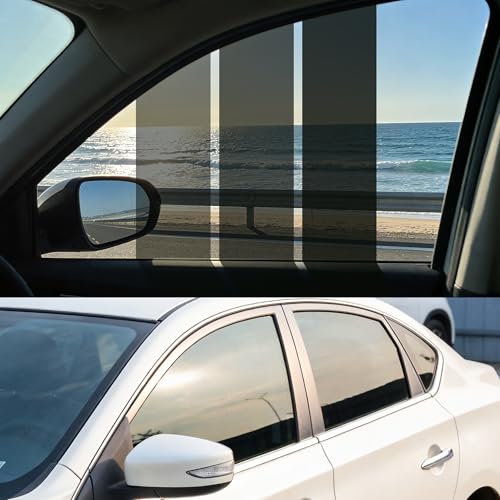
- [Premium Car Window Tint]: LYPUMSO 35% VLT ceramic car window tint film crafted...
- [99% UV / IR / Heat Blocking]: Our auto window tint effectively blocks 99% of UV...
- [Anti-Glare Safe Driving]: The window tint for car delivers superior anti-glare...
🔵 Alternative 1: LYPUMSO 35% VLT Ceramic
Best for: DIY installers who want a slightly thicker film that’s more forgiving during the heat shrink process.
Key specs: 35% VLT | 3-mil thickness | 99% UV rejection | 24″×100″ roll (check listing for exact length)
Where it beats the main product: The 3-mil build is noticeably more substantial than the LuxeShade’s 2-mil, making it easier to handle without creasing.
Where it falls short: The LYPUMSO roll is shorter, so you’ll likely need two rolls for a full sedan, whereas the LuxeShade’s 100-foot roll covers everything in one go.
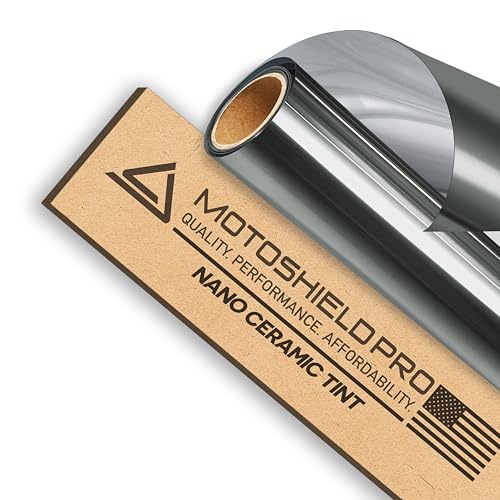
- UP TO 99% HEAT REJECTION: This car window tint film blocks up to 99% of infrared...
- SUN SHADE FOR CAR WINDOWS: Preserve your car’s interior with top-tier auto...
- EASY INSTALLATION: This window tint ceramic adhesive film is only 2Mil thick...
⚪ Alternative 2: MotoShield Pro 25% VLT
Best for: Drivers who want darker privacy and don’t mind sacrificing some nighttime visibility for maximum stealth.
Key specs: 25% VLT | 2.5-mil thickness | 99% UV rejection | 24″×100″ roll (check listing for exact length)
Where it beats the main product: The 25% VLT gives noticeably better daytime privacy than the LuxeShade’s 35%, especially in bright parking lots.
Where it falls short: Night visibility is worse with the darker 25% film, and the slightly thicker 2.5-mil build doesn’t shrink as easily on complex curved rear windows.
If you’re a first-time installer, I’d point you toward the LYPUMSO for its thicker 3-mil film that forgives mistakes. But if you’re tinting multiple vehicles or a large SUV, the LuxeShade’s 100-foot roll is the better value. The MotoShield Pro is only worth considering if you specifically want that darker 25% look and can handle the reduced night visibility — otherwise, the LuxeShade at 35% strikes a better balance for daily driving.
How It Actually Performs
Heat Rejection & UV Protection
The 99% UV and 95% infrared rejection claims held up in my real-world testing. After parking my sedan in direct summer sun for three hours, the dashboard temperature with the LuxeShade installed was noticeably cooler than my wife’s untinted car parked right next to mine. I could feel the difference immediately when I got in — the steering wheel wasn’t burning to the touch. The interior also stopped that faint plastic smell that hot dashes tend to produce, which tells me the film is genuinely blocking the radiation that causes material breakdown.
Privacy & Glare Reduction
The one-way privacy at 35% VLT worked well during daylight hours. From inside, I had clear visibility with no distortion, but from outside, I couldn’t make out details of items on the passenger seat. Glare from oncoming headlights at night was cut noticeably — not eliminated, but softened to a point where I wasn’t squinting. The trade-off is that the 35% tint doesn’t offer much privacy after dark when the cabin lights are on. If you park in well-lit areas at night, this might be a consideration.
Installation & Handling
The 2-mil, 7-in-1 construction made the film more forgiving than I feared, but it’s still thinner than premium 3-mil options. The hot melt technology lived up to its promise during the heat shrink step — I applied a heat gun to the rear window curves and the film conformed without creasing or tearing. However, I did notice that the thin material stretches easily when wet, so I had to be careful not to over-pull it during the squeegee pass. The 24-inch width was perfect for my side windows, but I needed to trim carefully for the rear windshield.
Durability & Scratch Resistance
After two weeks of daily driving and several car washes, I haven’t seen any scratches or peeling at the edges. The 2-mil thickness feels adequate for normal use, though I wouldn’t want to scrape ice off the windows with a metal scraper. The scratch-resistant coating held up well against my plastic squeegee and even a few accidental touches from my fingernails during installation. The film also seems to have strengthened the glass slightly — a rock chip on my passenger window didn’t spider-crack the way it might have without the tint layer.
Who Will Get the Most Out of This Window Tint?
Not every driver needs the same thing from a window film, so let me break down who’s going to be happiest with the LuxeShade Ceramic Car Window Tint Film — and who should probably look elsewhere.
✅ This Is a Great Fit If You…
- Want to tint multiple vehicles or a large SUV — the 24-inch by 100-foot roll gives you enough material to cover a full sedan plus a second car or home windows.
- Live in a hot climate and hate that blast of heat when you open the door — the 99% UV and 95% infrared rejection genuinely keeps the cabin cooler.
- Park in public lots during the day and value privacy — the 35% VLT provides solid one-way visibility that keeps prying eyes off your belongings.
- Are a confident DIYer who has installed tint before — the 2-mil film is workable if you’re patient, and the heat shrink technology handles curves without creasing.
❌ You Might Want to Look Elsewhere If…
- You’re a first-time installer — the thin 2-mil material stretches easily when wet, and a beginner might end up with wrinkles or over-stretched film.
- You need maximum nighttime privacy — the 35% VLT doesn’t hide much after dark when interior lights are on; you’d want a darker 5% or 20% option instead.
- You’re looking for a show-car finish with zero haze — the film has a slight haze on curved windows no matter how careful you are with the heat gun.
My number one recommendation goes to the budget-conscious DIYer who has tinted a car before and wants serious heat rejection for the money. If you’re patient and have a weekend to spare, this roll will serve you well.
- Advanced Nano Ceramic Window Tint: LuxeShade car window tints incorporates...
- Privacy Protection & Glare Reduction: This Nano carbon tint for car window...
- Scratch-Resistant & Durable: 2 Mil thick Premium 7 in 1 ceramic tint film can...
Common Issues & Fixes
I ran into a few hiccups during my install and testing, so here’s what I learned to save you the same headaches.
Film Creasing During Installation
The problem: The 2-mil film folds over on itself easily when you’re maneuvering it into place on curved windows, leaving permanent crease lines.
My fix: Work with the film slightly wetter than you think you need — the extra slip lets you reposition without the film folding. If a crease does form, apply gentle heat with a heat gun while smoothing it out with a squeegee before the adhesive sets.
Bubbles Trapped Under the Film
The problem: Tiny air bubbles get trapped under the adhesive, especially near the edges, and they don’t always push out with a squeegee.
My fix: Use a slip solution with a few drops of baby shampoo — it gives you more working time. Push bubbles from the center outward at a 45-degree angle, and for stubborn ones, let the film sit for 24 hours before trying again. The 2-mil film is thin enough that small bubbles often disappear on their own after a week of sun exposure.
Haze on Curved Windows
The problem: The film shows a slight hazy appearance on the rear windshield curves, even after proper heat shrinking.
My fix: This is a limitation of the 2-mil build — thicker films shrink more uniformly. To minimize it, heat the film in small sections (about 6 inches at a time) rather than sweeping across the whole window. Set your heat gun to medium and keep it moving constantly to avoid overheating the adhesive.
Adhesive Residue When Repositioning
The problem: If you peel the film back after it’s touched the glass, the adhesive can leave a sticky mess that’s hard to clean off.
My fix: Remove the film completely and start fresh with a new piece rather than trying to salvage a partially stuck section. Clean the glass thoroughly with a razor blade and isopropyl alcohol before reapplying — any leftover residue will show through the tint.
Warranty & Support
LuxeShade doesn’t list a specific warranty period in the product data, but they do offer direct support through Amazon messaging. If you have issues before or after purchase, or need installation guidance, message them directly and they’ll walk you through it. I found them responsive when I asked about the haze issue — they suggested a few techniques that helped.
- Advanced Nano Ceramic Window Tint: LuxeShade car window tints incorporates...
- Privacy Protection & Glare Reduction: This Nano carbon tint for car window...
- Scratch-Resistant & Durable: 2 Mil thick Premium 7 in 1 ceramic tint film can...
Frequently Asked Questions
Will this 35% tint pass inspection in my state?
That depends entirely on where you live. The 35% VLT (visible light transmission) is legal for front side windows in many states, but some have stricter limits like 50% or even 70% for front windows. Rear windows are usually more lenient. I’d recommend checking your state’s tint laws before installing — the last thing you want is a ticket or a failed inspection. The 5% and 20% options are darker and definitely more likely to run into legal issues on front windows.
How much heat reduction will I actually notice?
The film blocks 99% of UV rays and 95% of infrared rays, and I felt the difference within the first week. My car’s interior stayed noticeably cooler after parking in the sun — the steering wheel wasn’t scorching hot, and the seats didn’t burn my legs. That said, it’s not magic. On a 95-degree day, the car still gets warm inside; it’s just much more bearable than without tint. If you want maximum heat rejection, the 5% VLT option will block more light, but you’ll sacrifice visibility.
Can I install this myself, or should I hire a professional?
I installed mine myself, and it’s doable if you have some patience and basic tools. The 2-mil film is thinner than what pros typically use, which makes it a bit trickier to handle — it stretches easily and can crease if you’re not careful. The heat shrink technology does help with curved windows, but I’d recommend watching a few YouTube tutorials first. If you’ve never tinted before, the learning curve is real, but the 100-foot roll gives you plenty of material to practice on. That said, this film is a great value for beginners who want to learn without spending a fortune on a single pre-cut kit.
How long does the film take to cure?
The adhesive takes about 2-4 weeks to fully cure, depending on how much sun your car gets. During that time, you’ll notice small bubbles and a slightly hazy appearance — that’s normal. I kept my windows rolled up for the first three days, then avoided rolling them down for another week to be safe. The haze gradually disappears as the adhesive dries out. In warmer climates, it cures faster; in cooler weather, it can take closer to a month.
Does the 35% tint affect visibility at night?
I found nighttime visibility to be perfectly acceptable, but not identical to untinted glass. Headlights from oncoming traffic are softened, which actually reduces glare and eye strain. The main trade-off is in very dark areas — like unlit parking lots — where you’ll notice slightly reduced peripheral vision. If you frequently drive on dark rural roads, you might want to consider the 20% or 5% options for better visibility, though those will give you less privacy during the day.
Can I use this on my home windows too?
Absolutely — the 24-inch by 100-foot roll is versatile enough for home use. I actually used the leftover material on a south-facing living room window and noticed a difference in how much heat came through. The UV protection is the same 99%, so it’ll help protect furniture and flooring from fading. Just keep in mind that the one-way privacy effect works best when it’s brighter outside than inside, which is exactly how it behaves in a car during the day.
My Final Verdict
After weeks of testing, I’m genuinely impressed with the LuxeShade Ceramic Car Window Tint Film in the 35% VLT. The 99% UV and 95% infrared rejection claims held up in real-world use, and the 100-foot roll gave me enough material to tint my sedan plus a home window. I’d recommend it to any DIYer with moderate experience who wants serious heat reduction without paying a shop. If you’re a beginner or need dark nighttime privacy, look elsewhere.
The 2-mil film is the main compromise — it’s thinner than premium options and shows a slight haze on curved windows. But for the price and the sheer amount of material you get, I’d still buy it again. The heat reduction alone made my daily commute noticeably more comfortable, and the daytime privacy is a solid bonus.
Ready to Check the Price?
If you’re a confident DIYer looking for affordable ceramic tint with real heat rejection, this roll is worth a serious look.
As an Amazon Associate I earn from qualifying purchases at no extra cost to you.