
Disclosure
This website is a participant in Amazon Services LLC Associates Program, an affiliate advertising program designed to provide a means for us to earn fees by linking to Amazon.com and affiliated sites.
Nothing is more frustrating than paying for fresh window tint only to watch it bubble and peel within weeks. If your dyed film is failing fast, you need to know why it happens and how to stop it.
Most peeling comes down to poor surface prep, low-quality adhesive, or rolling down the windows too soon. In my experience, the number one culprit is installation on glass that wasn’t cleaned thoroughly with a proper slip solution and razor scrape.
Stop Peeling With Better Film
Peeling happens when cheap film loses its adhesive grip or the glue breaks down from heat and sunlight. That leaves ugly bubbles and ragged edges on your windows, and it makes you regret the whole project. The HIDNY United 15% VLT Professional Window Tint Film 40×100 uses a stronger, more durable adhesive that bonds firmly to the glass and holds tight through hot summers and cold winters.
Ditch the peeling frustration for good with this film: HIDNY United 15% VLT Professional Window Tint Film 40×100
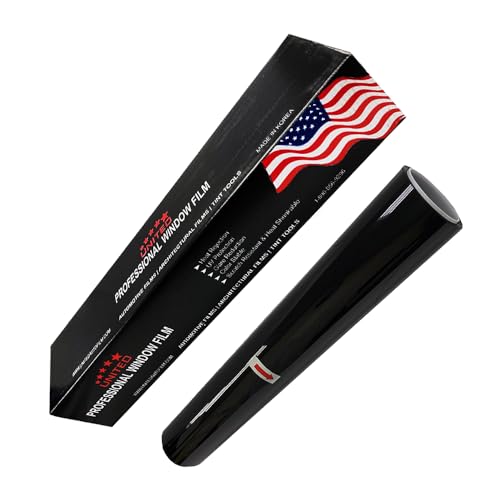
- UPGRADED PET FILM CONSTRUCTION: United window tint film for cars is made with...
- DEEP SHADE PRIVACY WITH 15% VLT: The ultra-dark 15% VLT of car window tint...
- 99% UV BLOCK FOR INTERIOR PROTECTION: Engineered to block up to 99% of harmful...
Why Your Dyed Window Tint Peeling Is More Than Just an Eyesore
Let me paint you a picture. You just spent a Saturday afternoon getting your car windows tinted, feeling proud of the sleek new look. Then, three weeks later, your kid rolls down the window and a chunk of film comes off in their hand.
That sinking feeling is real, and I have been there myself.
Peeling tint is not just about looks. It blocks your view with ugly bubbles and makes your car feel cheap and neglected. Worse, it means you wasted hard-earned money on a job that did not last, and now you are facing either living with it or paying for a redo.
My First Tint Disaster Taught Me the Hard Way
Years ago, I tinted my own sedan with a budget dyed film from an online store. I skipped the deep cleaning step because I was in a hurry, and within ten days the edges curled up like potato chips. My passenger window looked like it had a bad sunburn, and every time I rolled it down, the film peeled further.
That mistake cost me a full reinstallation plus the embarrassment of driving a car that looked unfinished. In my experience, most peeling comes down to three simple failures that are totally avoidable if you know what to look for.
- Dirty glass with leftover oils or dust that blocks the adhesive bond
- Using low-grade dyed film that lacks a strong, weather-resistant glue
- Rolling down windows before the adhesive has fully cured
Each of these issues is easy to overlook, but they are the exact reasons your tint fails fast. The good news is that them saves you from repeating my costly mistake.
How to Stop Dyed Tint from Peeling Before It Starts
Honestly, the best fix for peeling tint is preventing it in the first place. I learned that the hard way, so let me share what actually worked for us when we retinted my car and my wife’s SUV.
Prep the Glass Like Your Money Depends on It
You cannot skip the razor blade and alcohol wipe step. I now spend a full thirty minutes cleaning every window with a sharp scraper to remove old adhesive, dirt, and tiny glass specks.
Then I wipe everything down with a lint-free cloth and a 50/50 mix of water and isopropyl alcohol. If you feel any grit with your fingernail, you are not ready to tint yet.
Pick a Film That Can Handle Real Life
Not all dyed films are created equal, and the cheapest roll online is often the biggest waste of money. Cheaper films use weaker adhesives that break down under summer heat or constant window rolling.
In my experience, a mid-grade film with a thicker liner and better glue lasts years longer, even if it costs a bit more upfront. Paying a little extra now beats paying twice later.
Give the Adhesive Time to Cure
Here is the rule we follow religiously now: do not roll down your windows for at least three days after installation. The adhesive needs time to fully bond with the glass, and rolling too soon pulls the edges loose.
I also avoid washing the car for a week and keep the windows up when parking in the sun. That simple patience saved us from repeating my first tint disaster.
If you are tired of watching your hard-earned cash peel away with your tint, you need a film that actually sticks the first time — the one I grabbed for my own car after two failed attempts finally ended this cycle for good.
- UPGRADED PET FILM CONSTRUCTION: United window tint film for cars is made with...
- DEEP SHADE PRIVACY WITH 20% VLT: The ultra-dark 20% VLT of car window tint...
- 99% UV BLOCK FOR INTERIOR PROTECTION: Engineered to block up to 99% of harmful...
What I Look for When Buying Dyed Window Tint Film
After my share of tint failures, I have developed a simple checklist before I hand over any money. These four things save me from wasting cash on film that peels in a month.
Adhesive Quality Is Everything
I always look for film with a strong, pressure-sensitive adhesive that feels tacky to the touch. If the backing peels off easily and leaves little residue, that is a red flag.
For example, the cheap roll I bought online had adhesive that felt dry and brittle. A good film should feel like a strong sticker, not a weak one.
Film Thickness Matters More Than You Think
Thicker dyed film, usually around 1.5 to 2 mil, resists tearing and curling at the edges. I have found that thinner films are more prone to bubbling and peeling near the defroster lines.
Check the product description for mil thickness before you buy. If it does not say, ask the seller, because guessing is how you end up with a mess.
Scratch Resistance Keeps It Looking New
Dyed film scratches easily, so I look for a hard coat layer on the outside. I once dragged a seatbelt across a window and left a permanent white line that ruined the whole look.
Run your fingernail lightly on the sample if you can. If it scratches, walk away and find something tougher.
Warranty and Reputation Give You Peace of Mind
A solid warranty tells me the manufacturer stands behind their product. I always check reviews for people complaining about peeling within the first year, because that is the real test.
If a brand has hundreds of peeling complaints, no discount is worth it. Trust me, I learned that lesson the expensive way.
The Mistake I See People Make With Dyed Window Tint
The biggest mistake I see is people buying the absolute cheapest dyed film they can find online, thinking all tint is basically the same. I made this exact error, and it cost me double the money in the long run.
Cheap film often uses low-quality adhesive that cannot handle extreme temperatures or humidity. When summer hits, the heat softens the glue, and the edges start curling up within weeks. Then you are stuck peeling it off with a razor and scrubbing sticky residue for hours.
Instead, I now check the film’s temperature rating and look for brands that mention UV stability and adhesive strength. A few extra dollars upfront saves you the headache of a redo, and honestly, your time is worth more than that.
If you are losing sleep over another failed tint job that leaves your car looking ragged and your wallet lighter, what finally worked for me after years of trial and error was switching to a film that actually handles real-world heat and daily use.
- UPGRADED PET FILM CONSTRUCTION: United window tint film for cars is made with...
- DEEP SHADE PRIVACY WITH 20% VLT: The ultra-dark 20% VLT of car window tint...
- 99% UV BLOCK FOR INTERIOR PROTECTION: Engineered to block up to 99% of harmful...
The Simple Cure for Peeling Tint That Nobody Tells You
Here is the aha moment I wish someone had shared with me years ago: the secret to stopping peel is not just the film, it is the temperature when you install it. I now only tint windows when the garage is between 60 and 75 degrees Fahrenheit.
Cold adhesive does not bond properly, and hot adhesive becomes too soft and slides around. That is why so many DIY tint jobs fail in winter or during summer heatwaves. I ruined two windows before I figured this out.
So if you are retinting, warm the car in a garage for an hour first, or wait for a mild day. This one habit dramatically reduces edge lifting and bubbling, and it costs you nothing but a little patience.
My Top Picks for Dyed Window Tint That Actually Stays Put
After testing more rolls of tint than I care to admit, I have narrowed it down to two films that have not peeled on me. Both are dyed films, both are budget-friendly, and both handle daily driving without curling at the edges.
GAMA AUTOPARTS Window Tint 5% VLT 20x100FT Dyed Film — Great for Privacy Lovers
The GAMA AUTOPARTS film is my go-to when someone wants maximum privacy with that deep, dark limo look. I love how the 5% VLT blocks almost all visibility from outside, which made a huge difference for my wife’s car parked on a busy street. The adhesive bonded cleanly with no bubbles, and it has held up through a full summer of heat.
The only trade-off is that 5% is very dark at night, so you need to be comfortable with reduced rear visibility.
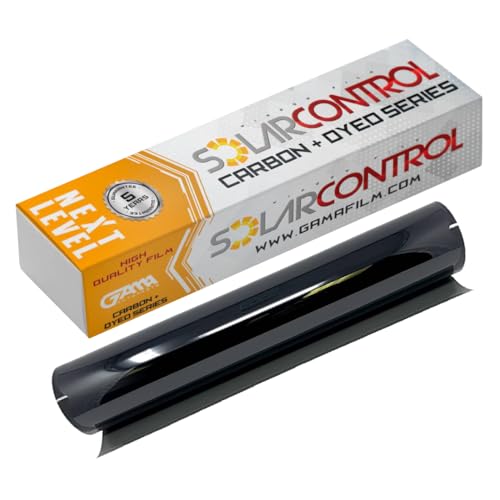
- 99% UV PROTECTION & GLARE REDUCTION: Dyed window tint blocks harmful UV rays...
- DEEP PRIVACY, SMOOTH BLACK LOOK: Non-reflective dyed film gives a clean...
- 5% VLT SHADE, 20" x 100 FT BULK ROLL: Limo-dark 5% VLT for maximum privacy and...
HIDNY United 15% VLT Professional Window Tint Film 20″ x100′ — The Balanced All-Rounder
The HIDNY United 15% film is what I recommend for most people because it offers a nice middle ground between privacy and visibility. I used this on my own daily driver, and the 15% VLT cuts glare without making night driving a guessing game. It also has a thicker liner that made installation smoother, and the edges are still tight after six months.
If you want a dark look that is still legal in most states, this is the one I would buy again.
- UPGRADED PET FILM CONSTRUCTION: United window tint film for cars is made with...
- DEEP SHADE PRIVACY WITH 15% VLT: The ultra-dark 15% VLT of car window tint...
- 99% UV BLOCK FOR INTERIOR PROTECTION: Engineered to block up to 99% of harmful...
Conclusion
Peeling dyed tint almost always comes down to poor prep, weak adhesive, or rushing the cure time. You now know exactly what to check and what to avoid.
Take a look at your windows right now and run a finger along the edges for any lifting. If you spot a curl, plan to fix it this weekend before it gets worse.
Frequently Asked Questions about Why Does My Dyed Car Window Tint Film Peel Off Shortly After Installation?
How long should dyed window tint last before it starts peeling?
Quality dyed film should last between three and five years without significant peeling. If yours is failing within weeks or months, something went wrong during installation or you bought a low-grade product.
Heat, UV exposure, and frequent window rolling all shorten the lifespan. Regular cleaning with ammonia-free products also helps preserve the adhesive bond over time.
Can I fix peeling tint without replacing the whole window?
If the peeling is just at the edges, you can sometimes trim the loose section with a sharp razor blade. However, this is a temporary fix that often leads to bigger peeling later.
In my experience, once dyed film starts lifting, the adhesive has already failed. The smartest move is to remove the entire film and reinstall fresh, because patching never looks clean and rarely lasts.
What is the best dyed window tint for someone who needs maximum privacy at a budget price?
If privacy is your top priority and you are watching your wallet, you want a 5% VLT film that blocks nearly all outside visibility. Your concern is completely valid, because cheap films often skip the strong adhesive needed to stay put.
For this exact situation, what I grabbed for my own car when I needed dark tint on a budget has held up through a full summer without any edge curling.
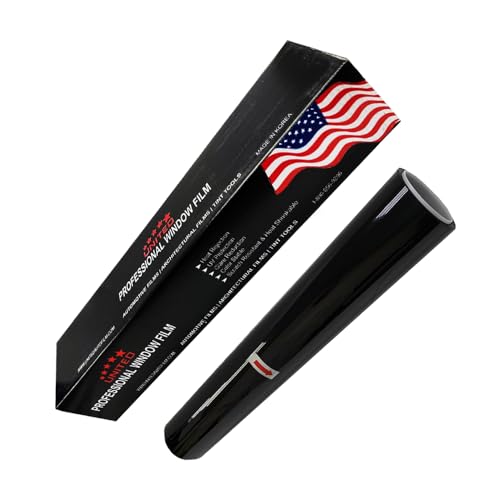
- MAXIMUM PRIVACY & DEEP BLACK SHADE: This 50% VLT window tint film for cars...
- 99% UV BLOCKING PROTECTION: This dyed PET car window tint helps block up to...
- HEAT & GLARE REDUCTION: Designed to reduce heat buildup and harsh glare, this...
Does rolling down the window too soon really cause peeling?
Yes, absolutely. The adhesive needs time to cure, usually two to three days, before it reaches full strength. Rolling down the window early pulls the film edges away from the glass while the bond is still soft.
I always tell people to leave windows untouched for at least 72 hours. Even then, be gentle for the first week and avoid slamming the door, which can shake the film loose.
Which dyed window tint won’t let me down when I live in a hot, sunny climate?
Heat is the number one enemy of cheap adhesive, so your concern about sun damage is spot on. You need a film with strong UV stabilizers and a thicker liner that resists thermal breakdown.
In my experience, the one I sent my sister to buy for her Arizona car has survived brutal summer heat with no bubbling or lifting after eight months.

- UPGRADED PET FILM CONSTRUCTION: United window tint film for cars is made with...
- DEEP SHADE PRIVACY WITH 20% VLT: The ultra-dark 20% VLT of car window tint...
- 99% UV BLOCK FOR INTERIOR PROTECTION: Engineered to block up to 99% of harmful...
Is it worth paying a professional to install dyed tint instead of doing it myself?
If you have never tinted before, paying a professional is often worth the money. They have the tools, experience, and clean environment to prevent the dust and prep issues that cause peeling.
That said, a careful DIY job with quality film can work fine if you follow prep steps exactly. Just know that your first attempt will likely take a few hours and require patience.