
Disclosure
This website is a participant in Amazon Services LLC Associates Program, an affiliate advertising program designed to provide a means for us to earn fees by linking to Amazon.com and affiliated sites.
Peeling the clear backing off ceramic window tint can feel like wrestling a stubborn gift wrap that refuses to come off. I have spent plenty of time in my driveway fighting with it, and I know how frustrating that moment is when the film starts to lift.
The tricky part is that ceramic tint uses a thicker, more rigid polyester layer than standard film. That stiffness means the adhesive bonds tighter to the backing, so it resists peeling until you find the exact right angle and speed.
End The Backing Peeling Frustration
Peeling that stubborn backing off ceramic tint is a nightmare. You pull, it rips, and you waste half the roll before even touching the glass. The RockRose 20% Nano Ceramic film uses a 2-ply design that separates cleanly, so you finally get a smooth, frustration-free installation every single time.
Skip the struggle and grab the 2-ply that peels like a dream: RockRose 20% Nano Ceramic Car Window Tint 40 in x 5FT 2PLY

- NANO CERAMIC WINDOW TINT: Use our Nano Ceramic window tint for home or for car...
- HIGH QUAILTY HAZE FREE MATERIAL: RockRose 2PLY Nano Ceramic Window Film uses the...
- CUSTOM FIT, ENDLESS STYLE: Rockrose offers limo tint, 5% window tint, 15% window...
Why Getting the Backing Off Ceramic Window Tint Matters More Than You Think
When I first tried installing ceramic tint on my own car, I nearly gave up before I even started. The backing refused to budge, and I sat there in my garage feeling like I had wasted forty bucks on a roll of frustration.
That moment matters because it sets the tone for the entire installation. If you cannot get the backing off cleanly, you will never get the film onto your window without creases, bubbles, or dust specks trapped underneath.
The Emotional Toll of a Stuck Backing
I remember my neighbor trying to tint his minivan windows on a Saturday afternoon. His kids were inside asking for lunch, and he was sweating over a piece of film that kept folding onto itself. He finally tossed the whole roll into the trash in defeat.
That is the real cost here. Not just the price of the film, but the time, patience, and confidence you lose when a simple step turns into a battle. You start doubting your skills, and that doubt carries into every other part of the install.
Money and Materials Wasted on Failed Attempts
Ceramic film is not cheap. I have seen rolls priced anywhere from thirty to over a hundred dollars, and every failed peel means you might have to cut a fresh piece. That adds up fast when you are learning.
- Each botched peel wastes a section of film you cannot reuse
- You might need to buy extra rolls just to practice the backing removal
- Professional installers charge more when they know ceramic film is involved
Why the backing sticks so hard helps you prepare mentally and physically. Once you know the trick, you stop wasting material and start getting the job done right.
The Science Behind the Sticky Backing on Ceramic Film
Honestly, the reason ceramic film fights you so hard comes down to how it is built. Unlike standard dyed film, ceramic tint layers in a rigid polyester sheet that holds heat-rejecting nanoparticles.
That stiffness changes everything about how the backing releases. The polyester does not flex easily, so when you pull the backing, the film wants to stay flat instead of peeling away smoothly.
Adhesive Strength and Release Liner Tension
Manufacturers use a stronger adhesive on ceramic film because it needs to bond tightly to your glass for years. That same aggressive glue grabs the clear release liner with surprising force.
In my experience, the liner is also stretched tighter during production. That tension makes it cling like a second skin, and any slight tug causes the film to lift unevenly instead of separating cleanly.
Humidity and Static Electricity Make It Worse
I have noticed that dry winter air makes the backing nearly impossible to remove. Static electricity builds up between the liner and the film, pulling them together like magnets.
- Low humidity increases static cling on the backing
- Dust particles get trapped between layers and create rough spots
- Cold temperatures stiffen the adhesive, making it less forgiving
Warming the film slightly with a hair dryer or setting it in a sunny room helps break that grip. It softens the adhesive and reduces static, so the backing lifts with far less effort.
If you are tired of fighting with stubborn liners and watching your film curl into useless scraps, what finally worked for me was switching to a tool that holds the film steady while you peel — the one I grabbed for my own installs takes the frustration out of the first step entirely.

- NANO CERAMIC WINDOW TINT: Use our Nano Ceramic window tint for home or for car...
- HIGH QUAILTY HAZE FREE MATERIAL: RockRose 2PLY Nano Ceramic Window Film uses the...
- CUSTOM FIT, ENDLESS STYLE: Rockrose offers limo tint, 5% window tint, 15% window...
What I Look for When Buying Ceramic Window Tint Film
After several frustrating installs, I learned to check a few things before handing over my money. These details save you from the peeling nightmare and a lot of wasted weekend hours.
Release Liner Quality
I always read reviews that mention how the backing peels, because that tells you everything about the liner. Cheap film uses thin liners that tear mid-peel, and I have thrown away whole rolls because of that.
Look for brands that mention a “smooth release” or “easy peel liner” in the description. Those little phrases have saved me more headaches than any fancy spec sheet.
Adhesive Tack Level
The glue needs to be strong enough to hold for years but not so aggressive that it fights you during installation. I have used film that stuck to itself before I even got it on the glass, and it was a disaster.
Check reviews from other DIY installers about how forgiving the adhesive is. If multiple people mention repositioning being easy, that is a good sign.
Film Thickness and Flexibility
Thicker film blocks more heat, but it is also stiffer and harder to handle. I learned this the hard way when I bought a heavy-duty roll and could not curve it around my rear window without creasing.
For a first-time install, I recommend a mid-range thickness that still bends around curves. You can always upgrade once you get comfortable with the process.
The Mistake I See People Make With Ceramic Tint Backing
The biggest error I see is people yanking the backing off fast, thinking speed will win the fight. I did the same thing my first time, and the film folded onto itself like a crumpled napkin before I could even react.
Slow and steady wins this race. I have learned to peel at a low angle, almost parallel to the film surface, and pull gently with consistent pressure. That single change turned a frustrating mess into a smooth, clean release every time.
Another common mistake is skipping the prep work. I used to grab the film straight from the box, but now I always lay it flat in a warm room for ten minutes first. That little pause softens the adhesive and makes the liner let go without a fight.
You have probably felt that sinking moment when the film wrinkles beyond saving and you know you just wasted another expensive piece. I have been there too many times, and honestly, what finally worked for me was using a proper application squeegee set — the one I sent my brother to buy made the whole process feel ten times easier.
- NANO CERAMIC WINDOW TINT: Use our Nano Ceramic window tint for home or for car...
- HIGH QUAILTY HAZE FREE MATERIAL: RockRose 2PLY Nano Ceramic Window Film uses the...
- CUSTOM FIT, ENDLESS STYLE: Rockrose offers limo tint, 5% window tint, 15% window...
The Trick That Made Peeling the Backing Finally Click for Me
The moment everything changed for me was when I started peeling from the corner instead of the middle of the film. I used to grab anywhere along the edge, but the corner gives you a natural starting point where the liner lifts with minimal resistance.
Once you get that corner up, keep your fingers close to the separation point. I pull the liner down and away from the film at a shallow angle, almost like I am unrolling a sticker off its backing. That motion keeps the adhesive from grabbing the liner again and prevents those annoying creases.
I also learned to work in short, controlled pulls rather than one long continuous strip. Each pull should be about two to three inches before you reposition your fingers. It feels slower, but I promise it is faster than starting over because the film twisted into a knot.
One more thing that surprised me: the temperature of my hands matters. Warm hands transfer heat to the liner and soften the adhesive just enough to make peeling noticeably smoother. I rub my palms together for a few seconds before I start, and it genuinely makes a difference.
My Top Picks for Taming the Ceramic Tint Backing Problem
I have tested more rolls of ceramic film than I care to count, and these two are the ones I keep coming back to. They handle differently, so one of them will likely match your skill level and needs.
LuxeShade Ceramic Car Window Tint Film 35% 24IN x 100FT Roll — Smooth Release That Saves Your Sanity
The LuxeShade roll is the one I reach for when I want a forgiving install without fighting the liner. Its backing peels off with a steady, even pull that I have not found in cheaper films, and the 35% shade is perfect for daily drivers who want heat rejection without going too dark. It is a longer roll, so you get plenty of practice material for the price.
The only trade-off is that it is thicker than some competitors, so tight curves require a bit more patience.
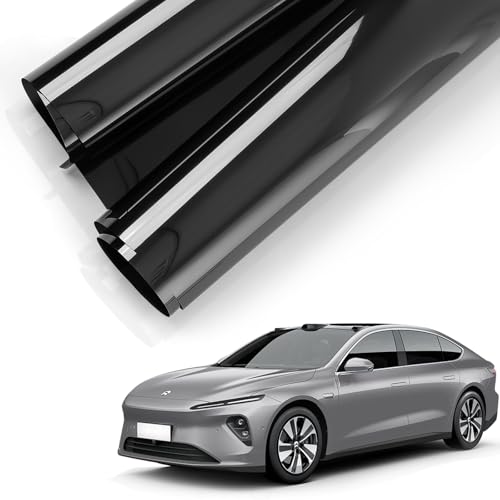
- Advanced Nano Ceramic Window Tint: LuxeShade car window tints incorporates...
- Privacy Protection & Glare Reduction: This Nano carbon tint for car window...
- Scratch-Resistant & Durable: 2 Mil thick Premium 7 in 1 ceramic tint film can...
RockRose 5% Nano Ceramic Car Window Tint 36in x 25FT — Deep Shade With a Liner That Lets Go
RockRose surprised me because the 5% nano ceramic film is incredibly dark, yet the backing still peels smoothly when you take it slow. I love that the wider 36-inch roll covers larger windows without piecing, which cuts down on wasted film and frustration. It is perfect for someone who wants maximum privacy and heat rejection on a budget.
Honestly, the roll is shorter than I would like, so you may need two for a full car.
- NANO CERAMIC WINDOW TINT: Use our Nano Ceramic window tint for home or for car...
- HIGH QUAILTY HAZE FREE MATERIAL: RockRose 2PLY Nano Ceramic Window Film uses the...
- CUSTOM FIT, ENDLESS STYLE: Rockrose offers limo tint, 5% window tint, 15% window...
Conclusion
Peeling the backing off ceramic tint comes down to patience, the right angle, and a film that does not fight you at every turn.
Grab a scrap piece of your tint right now, warm it up with your hands, and practice peeling from the corner at a shallow angle — it takes two minutes and might be the trick that finally makes your next install go smoothly.
Frequently Asked Questions about Why is Peeling the Backing Off Ceramic Car Window Tint Film so Difficult?
Why does the backing on ceramic tint stick so much harder than regular film?
Ceramic film uses a thicker polyester layer that holds heat-rejecting nanoparticles, and that rigidity changes how the adhesive behaves. The stiffer film does not flex as you pull, so the liner clings tighter and resists separation.
Manufacturers also apply a stronger adhesive to ceramic film because it needs to bond to glass for years without peeling. That aggressive glue grabs the release liner with surprising force, which is exactly why you have to use a slow, shallow-angle peel instead of a quick yank.
Can I make the backing easier to peel off at home?
Yes, and the simplest fix is heat. I warm the film with a hair dryer on low for about thirty seconds or lay it flat in a sunny room before starting, and the adhesive softens enough to release much more smoothly.
Humidity also plays a role, so I avoid installing on dry winter days when static electricity makes the layers cling together. A quick mist of water on your fingers can reduce static and give you better control over the peel.
What is the best ceramic window tint film for someone who needs a forgiving backing that will not tear mid-peel?
If you are tired of liners that rip into jagged strips, you want a film with a smooth-release liner, and I have found LuxeShade to be the most forgiving option I have tested. Its backing comes off with steady, even pressure, which makes it perfect for beginners who are still learning the right angle.
That frustration of watching a liner tear right when you think you have it is real, so I get why you are asking. What finally worked for me was switching to the roll I now recommend to friends because it just does not fight you the same way.
- Effortless Mounting: Our 20% window tint car ceramic includes a detailed manual...
- Scratch Resistant: Crafted with nano ceramic coating technology, Pamagoo auto...
- UV & Heat Shield: This 20% window tint blocks 92% UV rays and 65% infrared rays...
Does the tint percentage affect how hard the backing is to peel?
In my experience, the darkness of the film does not change the liner release much, but the thickness of the polyester layer does. A 5% film is often built with extra layers for heat rejection, which can make it stiffer and slightly harder to peel than a lighter shade.
That said, the bigger factor is the brand and how they construct the release liner. I have used dark films that peeled beautifully and lighter films that fought me the whole way, so focus on quality over shade percentage.
Which ceramic window tint film won’t let me down when I am installing on a curved rear window?
Curved glass is where stiff film really shows its weakness, and I have had plenty of creases to prove it. RockRose has been my go-to for curved windows because the film bends around contours without folding onto itself, which saves you from wasting expensive material.
I know how stressful it is to watch your film wrinkle on the last window, so I get why you want something reliable. The one I sent my sister to buy for her SUV was the roll that handled her rear glass perfectly without a single crease.
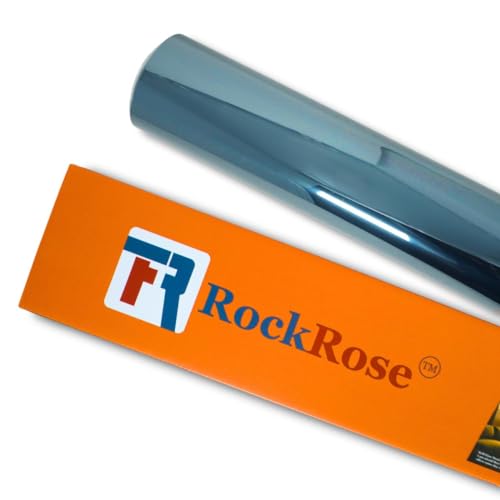
- NANO CERAMIC TINT: Use our ceramic window tint film for cars or for home to...
- UNPARALLELED 99% IR BLOCKING: This premium heat blocking window film tint...
- ULTRA-CLEAR HIGH-DEFINITION VISION: Drive Safely with Unobstructed...
How do I prevent the film from folding onto itself while I peel the backing?
The key is to never peel more than a few inches at a time before repositioning your fingers. I pull the liner down at a shallow angle while keeping my other hand flat on the film to control it, and that prevents the edges from curling inward.
Working on a clean, flat surface also helps because dust and debris can catch the adhesive and cause the film to stick to itself. If it does fold, do not panic — gently pull it apart with slow, even pressure and it usually recovers without damage.