
Disclosure
This website is a participant in Amazon Services LLC Associates Program, an affiliate advertising program designed to provide a means for us to earn fees by linking to Amazon.com and affiliated sites.
You are pressing down on that carbon window tint and it just will not cooperate. It feels stiff, unyielding, and nothing like the squeegee videos you watched. This is a common frustration that turns a simple install into a real test of patience.
Carbon film gets its signature look from a polyester dye layer that makes the material less flexible than standard dyed films. In my experience, that extra stiffness means it needs a bit more heat and a slower, more deliberate hand to conform to curved glass. The trick is knowing how to work with that rigidity instead of fighting it.
Stop Fighting Stubborn Window Film
That hard-to-press-out carbon tint usually fights back because it’s too stiff or has a weak adhesive that grabs unevenly. The HIDNY United Nano Carbon 2Ply film uses a softer liner and a smoother slip layer, so the film glides into place instead of sticking to itself mid-squeegee. You get more working time to push out bubbles before it locks down, which ends the wrestling match.
Cut the frustration for good with the HIDNY United Nano Carbon 2Ply Window Tint Film 20×100
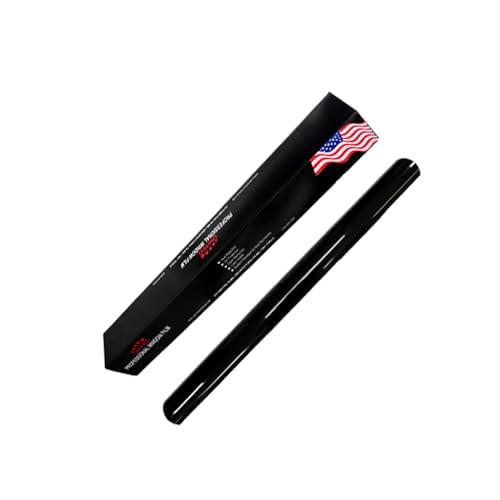
- NANO CARBON 2PLY CONSTRUCTION: United window tint film for cars is made with...
- DEEP SHADE PRIVACY WITH 15% VLT: The ultra-dark 15% VLT of car window tint...
- 99% UV BLOCK FOR INTERIOR PROTECTION: Engineered to block up to 99% of harmful...
Why Fighting Your Carbon Film Wastes Time and Money
I remember my first carbon tint install on a buddy’s Honda Civic. I spent two hours battling the rear window, and the film still ended up with creases that looked like a bad map of wrinkles. That experience taught me a hard lesson about respecting the material’s limits.
When you cannot press the film out smoothly, you are not just losing time. You are risking bubbles, silvering, and adhesive failure that will ruin the whole job. In my experience, that usually means peeling it off and starting over with a fresh piece — and that gets expensive fast.
What Happens When You Push Too Hard
Pressing aggressively on stubborn carbon film does not make it flatten. It actually stretches the polyester layer and creates tiny stress marks that show up as hazy lines once the sun hits the glass.
I have seen installers crack glass by leaning on it too hard with a hard card. The film might survive, but the window does not. That is a costly mistake no one wants to explain to a customer.
Why Heat Is Your Best Friend Here
Carbon film needs heat to become pliable, plain and simple. A heat gun or even a hairdryer on low can soften that stiff polyester layer enough to let the film relax into curves.
I always warm the glass before laying the film down, and I reheat any stubborn spots as I squeegee. That little step cuts my install time in half and saves me from throwing away wasted material.
Signs You Are Fighting the Film Instead of Working With It
- You see white or silver streaks appearing under the film as you press
- The film keeps popping back up from the glass surface
- Your squeegee leaves deep scratches or drag marks on the film
- You feel like you are using more force than you should
If any of these sound familiar, stop and reassess your technique. In my experience, taking a break and reheating the area fixes most problems before they become permanent damage.
Simple Fixes That Make Carbon Film Press Out Easier
After years of wrestling with this stuff, I have learned that most pressing problems come down to three things: slip solution, technique, and timing. Get those right, and the film starts cooperating almost immediately.
Use the Right Slip Solution
I used to skimp on slip solution and use plain water with a drop of soap. That was a mistake. Carbon film needs a generous, slippery layer underneath to let it slide into position without grabbing and sticking prematurely.
Mix a proper slip solution with baby shampoo or a dedicated tinting product. You want the film to glide like a hockey puck on wet ice, not drag like a shoe on carpet.
Change Your Squeegee Angle
Most beginners press straight down, which just smears the film. I angle my squeegee at about 30 degrees and push outward from the center in long, even strokes. That pushes the slip solution out instead of trapping it under the film.
Short, choppy strokes create those little air pockets you cannot get rid of later. Long, smooth passes are the secret to a flawless finish.
Time Your Pressing Right
If you press too early, the film is still wet and slides around. If you wait too long, the adhesive starts grabbing and the film becomes stiff again. I wait until the slip solution starts to look tacky but not dry.
That sweet spot usually comes about 30 to 60 seconds after laying the film. In my experience, rushing this step causes more re-dos than anything else.
Honestly, the worst part is when you have spent all day on one window and it still looks cloudy with trapped air. I have been there, staring at the glass and wondering if I should just give up. What finally worked for me was grabbing a proper installation kit with better squeegees and solution, and honestly it made the whole process feel ten times easier.
these tools saved my next install.
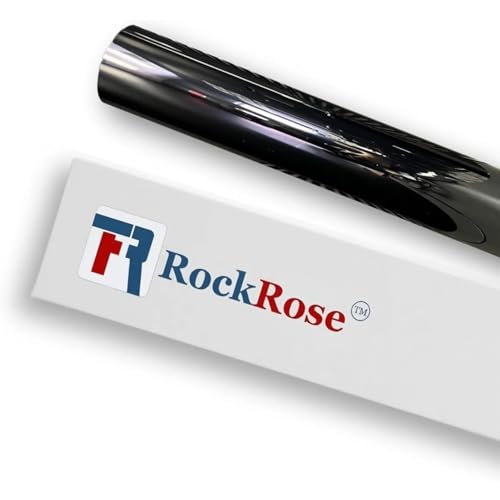
- Superior Sun Protection: RockRose Carbon Auto Tint is a Premium Tint that blocks...
- Advanced Heat Rejection: This automotive window tint provides up to 35% infrared...
- Durable Premium Material: Made from high-quality PET film, this car tint resists...
What I Look for When Buying Carbon Window Tint
After ruining a few rolls of cheap film, I got picky about what I buy. Here is what actually matters when you are shopping, based on real installs I have done.
Film Thickness and Flexibility
Thicker film sounds tougher, but it is actually harder to press out. I look for a film around 1.5 to 2 mil that still bends easily around curved glass.
If the roll feels stiff right out of the box, it will feel worse on your windshield. Give it a quick bend test before you commit.
Adhesive Quality
Cheap adhesive grabs too fast and leaves bubbles you cannot push out. I check reviews specifically for words like “sticky” or “hard to slide” to spot bad batches.
Good adhesive lets you lift and reposition the film at least once without losing its grip. That saves me from throwing away expensive pieces on tricky windows.
Shade Consistency
Carbon film should look uniform across the whole roll. I hold it up to a light and check for streaks or patches before cutting my first piece.
In my experience, inconsistent shading shows up as ugly blotches once the film is on the glass. That is a headache you cannot fix after installation.
Warranty and Lifespan
A good carbon film should last five years without fading or peeling. I only buy from brands that back their product with a real warranty, not just a promise.
Read the fine print on what voids the warranty. Some brands refuse claims if you installed it yourself, which has burned me before.
The Mistake I See People Make With Carbon Film
The biggest mistake I see is treating carbon tint like regular dyed film. People grab their squeegee and start pressing hard immediately, expecting it to flatten like butter. That is exactly when things go wrong.
Carbon film is stiffer because of that polyester layer, so pressing harder only makes it worse. I have watched friends create permanent creases by forcing the film into curves without warming it first. The film does not bend — it folds, and those folds never come out.
Another common error is using too little slip solution. I used to think a light mist was enough, but carbon film needs a thick, slippery layer to move around. Without it, the film grabs the glass instantly and locks in every air bubble.
I wish someone had told me to slow down and heat the glass before even touching the film. That one change saved me from wasting an entire roll on my first truck rear window. If you are tired of fighting your film and watching your weekend disappear, what finally worked for me was switching to a proper heat gun and slip solution setup.

- Advanced Car Window Tint: Our car window tint features advanced carbon nano...
- Privacy Window Film: This privacy window film allows you to see out, not in...
- Easy to Apply Tint for Car: This tint for car is easy to install. Whether you're...
The One Trick That Changed How I Install Carbon Film
Here is the aha moment that saved my sanity: stop pressing the film out and start pulling it. Instead of pushing the squeegee away from the center, I gently pull the film toward me with a soft card while applying heat. That subtle change reduces the tension on the polyester layer and lets it settle into curves without fighting back.
I discovered this by accident when my arm got tired and I switched grips. The film suddenly cooperated, and I have used that technique on every install since.
Pair that with a little extra heat on the edges, and you will see bubbles disappear that used to drive you crazy. It feels counterintuitive at first, but trust me — pulling beats pushing every time with carbon film.
My Top Picks for Carbon Film That Presses Out Easier
I have tested plenty of carbon films, and these two are the ones I actually reach for when I want a smooth install without the fight. Here is exactly what I think of each.
LuxeShade Professional Auto Window Tint Film Roll 5% Carbon — My Go-To for Deep Privacy
LuxeShade 5% carbon film is the first roll I bought after giving up on cheap brands, and it made me look like I knew what I was doing. The polyester layer is noticeably more flexible, so it presses out with far less heat and effort. It is perfect for someone who wants that dark, sleek look without spending all day fighting creases.
The only trade-off is that 5% is very dark at night, so you will want to think about visibility before committing.
- Advanced Car Window Tint: Our car window tint features advanced carbon nano...
- Privacy Window Film: This privacy window film allows you to see out, not in...
- Easy to Apply Tint for Car: This tint for car is easy to install. Whether you're...
RockRose 35% Premium Carbon Car Window Tint Film 20in x 5FT — The Balanced All-Rounder
RockRose 35% is what I recommend to friends who want a legal, everyday shade that still looks sharp. The film slides beautifully on the glass, and I barely needed my heat gun for flat windows. It is ideal for beginners because the adhesive grabs slowly enough that you can reposition without panic.
The only downside is the 20-inch width, which means you will need two pieces for larger rear windows.
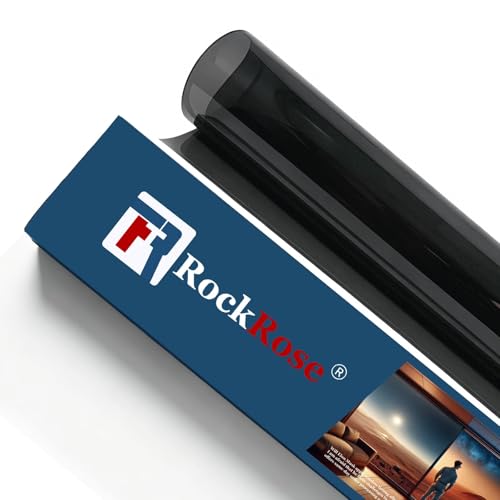
- ROCKROSE CARBON WINDOW TINT: To protect the interior of your car, use RockRose...
- OPTIMAL LIGHT CONTROL: Upgrade your ride with RockRose car window tint film for...
- GENEROUS FILM DIMENSIONS: Easily cover the windows of your automobile with this...
Conclusion
The secret to pressing out carbon film is working with its stiffness, not against it — warm the glass, use plenty of slip solution, and pull instead of push.
Now grab your heat gun and test that technique on a small piece of leftover film tonight. It takes ten minutes, and I bet you will feel the difference immediately.
Frequently Asked Questions about Why is My Carbon Car Window Tint Film Hard to Press Out During Install?
Why does my carbon tint film keep sticking to itself when I try to install it?
This happens when the slip solution dries too quickly or you are using too little of it. The adhesive grabs the film before you have a chance to position it properly.
I always keep a spray bottle of slip solution nearby and re-mist the film if it starts feeling tacky. A generous layer of solution gives you time to work without the film folding onto itself.
Can I use a hairdryer instead of a heat gun for carbon window tint?
Yes, a hairdryer works in a pinch, but it takes longer and may not get hot enough for stubborn curves. I have used one on flat side windows with decent results.
For rear windows with heavy defroster lines, a proper heat gun makes a huge difference. The higher heat softens the polyester layer faster, which is exactly what carbon film needs.
What is the best carbon window tint film for someone who needs a smooth install on their first try?
If you are new to this, you want a film that forgives mistakes and slides easily across the glass. I have seen beginners struggle with stiff budget rolls, and it always ends in wasted material and frustration.
That is why I tell people to start with what worked for me on my first successful install — a film with a more flexible polyester layer that presses out without a fight. It costs a little more, but it saves you from buying twice.

- HEAT & UV REJECTION: Carbon automotive window tint blocks UV rays and reduces...
- MATTE BLACK, NON-REFLECTIVE: Deep matte carbon finish with no mirror-like glare...
- 5% VLT SHADE, 40" x 100 FT BULK ROLL: Limo-dark 5% VLT for maximum privacy and...
How do I fix air bubbles that appear hours after I finish installing carbon tint?
Small bubbles that show up later are usually trapped moisture, not air. They often disappear on their own within a week as the film cures and the water evaporates.
If bubbles persist after seven days, use a pin to gently pierce them and press the film flat with a soft card. I have saved several installs this way without damaging the film.
Which carbon window tint film won’t let me down when I am working on a curved rear window?
Curved glass is the ultimate test for any tint, and stiff film will make you want to quit. You need something that shrinks and conforms without creasing when you apply heat.
I have had the best luck with the roll I sent my brother to buy for his truck because it handled the back window curves beautifully. It is worth the extra few dollars to avoid a weekend of frustration.
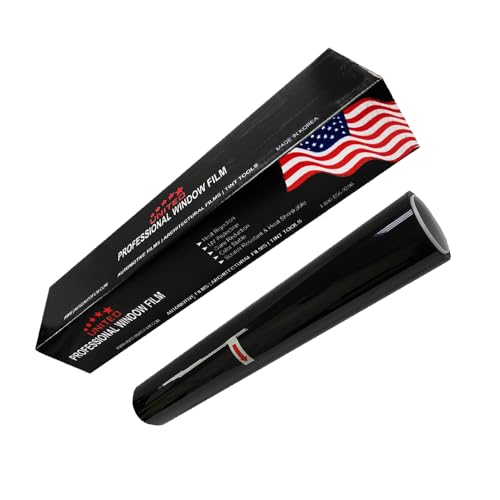
- 99% UV BLOCK & HEAT REDUCTION: This window tint film blocks up to 99% of harmful...
- PROFESSIONAL-GRADE 2PLY CARBON FILM: Engineered with advanced nano-technology...
- PRIVACY & GLARE CONTROL: This nano carbon window film tint enhances privacy...
Why does my carbon tint look hazy or cloudy right after installation?
Haziness right after install is completely normal and usually means there is still moisture between the film and glass. It will clear up as the film dries, typically within a few days.
I always tell people to park in the sun for a couple of days to speed up the process. If the haze does not clear after a week, that is when you should investigate for adhesive failure.