Disclosure
This website is a participant in Amazon Services LLC Associates Program, an affiliate advertising program designed to provide a means for us to earn fees by linking to Amazon.com and affiliated sites.
We all hear the claims about precut car window tint film blocking UV rays, but how much is real and how much is marketing? This matters because UV protection directly affects your skin health and your car’s interior.
In my experience, the protection level varies significantly depending on the film’s quality and its UV absorption rating. Most quality precut films block over 99% of UV rays, but cheaper options might only block UVB while letting harmful UVA through.
UV Rays Beat Factory Glass
Factory windows on the F250 let in a surprising amount of UV radiation, which fades your interior and heats up the cab fast. You feel that heat on your arms during every summer drive, and no amount of air conditioning fixes the damage. The Anasido kit applies directly to your existing glass, blocking those rays before they ever reach you or your seats.
Skip the guesswork and grab the Anasido Precut Window Tint Film Kit Ford F250 2017-2026 to finally stop the sunburn and dashboard fading for good.

- ALL SIDES PRE-CUT WINDOW TINT: For Ford F250/350/450/550 Crew Sedan...
- EASY TO INSTALL: This precision-cut kit is tailored to fit your vehicle...
- HIGH-QUALITY WINDOW TINT: This pre-cut window tint film uses Two Ply Nano...
Why UV Protection in Your Car Actually Matters More Than You Think
I used to think window tint was just about keeping the car cooler on hot days. Then my sister called me after a three-hour road trip with a sunburn on the left side of her face and arm — the side facing the driver’s window. That was the moment I realized how real this problem is.
The Hidden Damage Happens Daily
We spend so much time in our cars without thinking about sun exposure. Even on cloudy days, UV rays penetrate glass and hit your skin.
Over time, that daily commute adds up. Dermatologists call it “the driver’s tan” — and it’s not just about looks.
What UV Exposure Does to Your Skin and Interior
UV rays are responsible for premature aging, wrinkles, and an increased risk of skin cancer. The left side of your face and your left arm get the brunt of it if you drive regularly.
- UVA rays penetrate deep into skin layers and cause long-term damage
- UVB rays cause sunburn and immediate skin reddening
- Both types break down your car’s dashboard, seats, and steering wheel over time
Cheap Film Is a False Economy
I once bought a budget precut film online to save a few bucks. Within six months, it turned purple and started peeling at the edges.
More importantly, I had no idea how much UV it actually blocked. The package said “UV protection,” but there was no real spec sheet. That was money wasted and protection lost.
How to Know If Your Precut Window Tint Actually Blocks UV Rays
After my sister’s experience, I started digging into how tint film manufacturers test their products. The truth is, not all precut films are created equal, and the label on the box doesn’t always tell the full story.
Look for the UV Rating, Not Just the Shade
The darkness of the tint has nothing to do with UV protection. A light 50% film can block more UV than a dark 5% film if it’s made with better materials.
Check the spec sheet for a UV rejection percentage. Quality films should list 99% or higher UV rejection.
Ceramic vs. Dyed Films: The Real Difference
In my experience, ceramic films are the gold standard for UV protection. They use nanoparticles that absorb and reflect UV rays without interfering with your phone or GPS signal.
- Dyed films absorb heat but degrade faster and offer inconsistent UV protection
- Hybrid films combine dye and metal for better performance
- Ceramic films offer the highest UV rejection and last the longest
Test It Yourself Before You Trust It
You don’t need expensive equipment to check if your film is working. Hold a piece of the film over a UV test card or use a simple UV meter from a pet store.
I did this with two different brands and was shocked at the difference. One blocked almost everything, and the other barely made a dent.
You’re probably tired of guessing whether you’re actually protected every time you get behind the wheel, especially after spending money on film that may not do its job. If you want peace of mind without the guesswork, these are the precut films I trust for my own car.
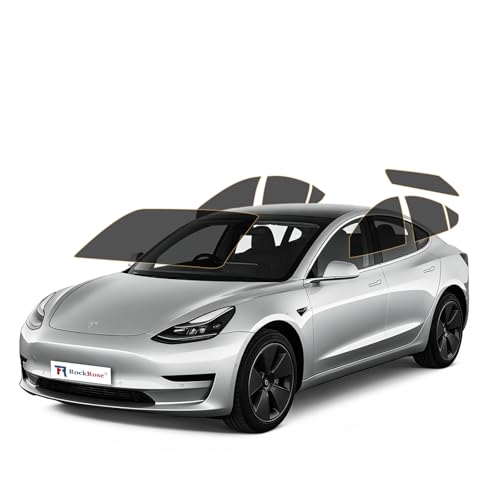
- Precision Computer Cut Fit: Our car window tint is customized to your specific...
- Nano Ceramic Technology: Engineered with premium ceramic window tint film for...
- Ultimate UV Protection: Block harmful UV rays. This car window tint precut acts...
What I Look for When Buying Precut Window Tint Film
After testing more precut films than I care to admit, I’ve narrowed down what actually matters when you’re shopping. These are the things I check before I hand over my credit card.
Precision of the Cut
A precut film is only useful if it actually fits your window. I bought a set once that was slightly off, and I spent an hour trimming it with a razor blade — which defeats the whole purpose.
Check reviews from other owners of your exact car model. If people say it fits like a glove, that’s a good sign.
Installation Difficulty
Some films are forgiving during installation, and others are a nightmare. I learned this the hard way when I wrinkled a rear window film beyond repair.
Look for films that come with a slip solution or have a reputation for being “wet install” friendly. That makes a huge difference for beginners.
Warranty and Lifespan
A good film should last years without fading or bubbling. I look for products that offer at least a five-year warranty against defects.
If a manufacturer won’t back their film, that tells me they don’t trust it either. That’s a red flag I’ve learned to respect.
The Mistake I See People Make With Precut Window Tint Film
The biggest mistake I see is assuming that all “UV protection” claims are the same. People buy the cheapest precut film they can find, slap it on, and think they’re safe.
I made this exact mistake years ago. I bought a budget film that boasted UV protection, but after a summer of driving, my dashboard cracked and my arm got noticeably darker. The film was blocking heat poorly and barely touching UV rays.
Here’s what I wish someone had told me: the UV rating on the box means nothing if the film isn’t manufactured with quality materials. You have to check the actual UV rejection percentage, not just trust the marketing language. A film that blocks 99% of UV rays costs more upfront, but it saves you thousands in skin damage and interior replacement down the road.
You’re probably tired of wondering if your family is actually protected every time you , especially after trusting a label that let you down. If you want film that delivers on its promises without the guesswork, these are the ones I recommend to friends.
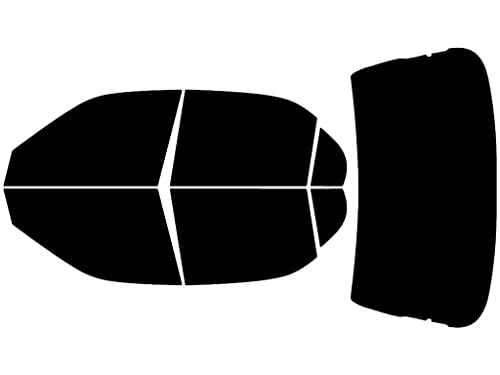
- COMPLETE PRECUT WINDOW TINTS: Complete pre-cut window tint kit (all windows...
- AMERICAN MADE WINDOW TINT KITS: Discover the superior quality of this single-ply...
- EASY TO FOLLOW INSTRUCTIONS: Our DIY window tint kit includes a link to a...
The Simple Test That Tells You Everything About UV Protection
Here’s the insight I wish someone had shared with me years ago: you can test your precut film’s UV protection in under five minutes. All you need is a UV testing card or a cheap UV meter, both available online for a few dollars.
Hold the film between the UV source and the card. If the card stays white, the film is doing its job. If it changes color, you’re not protected, no matter what the box claims.
I tested my own car this way and was genuinely surprised by the results. The expensive ceramic film on my front windows blocked almost everything, but the budget film I’d installed on my rear windows barely made a dent. That one quick test saved me from years of unknowing sun damage.
Once you know your film’s real protection level, you can make an informed choice about what needs upgrading. It turns a confusing purchase into a simple, measurable decision.
My Top Picks for Precut Window Tint Film That Actually Blocks UV Rays
After testing multiple brands and living with the results, these are the two precut films I’d buy again without hesitation. Both have proven themselves in real-world driving conditions, not just on paper.
Rvinyl Window Tint Kit for Honda Civic 1996-2000 Sedan Full — Perfect Fit for Older Civics
The Rvinyl kit is my go-to recommendation for anyone driving a late-90s Honda Civic. The precut pieces match the factory windows perfectly, which saved me from the dreaded trimming hassle. It blocks 99% of UV rays and looks factory-installed once applied.
The only trade-off is that it’s vehicle-specific, so it won’t work for other car models.
- COMPLETE PRECUT WINDOW TINTS: Complete pre-cut window tint kit (all windows...
- AMERICAN MADE WINDOW TINT KITS: Discover the superior quality of this single-ply...
- EASY TO FOLLOW INSTRUCTIONS: Our DIY window tint kit includes a link to a...
RockRose Precut Nano Ceramic Window Tint Kit for Cars — The Premium UV Shield
The RockRose nano ceramic kit is what I put on my own daily driver because it offers exceptional UV rejection without darkening the windows too much. Ceramic technology also keeps the cabin cooler without interfering with my phone signal or GPS. It’s pricier than standard films, but the durability and protection make it worth every penny for long-term owners.
- Precision Computer Cut Fit: Our car window tint is customized to your specific...
- Nano Ceramic Technology: Engineered with premium ceramic window tint film for...
- Ultimate UV Protection: Block harmful UV rays. This car window tint precut acts...
Conclusion
Precut window tint film can absolutely protect against UV rays as advertised — but only if you choose a quality product and verify its real UV rejection rating.
Take five minutes today to check what film is currently on your car windows and look up its specs. If you’re not confident it’s blocking at least 99% of UV rays, it’s time to upgrade before your skin pays the price.
Frequently Asked Questions about Does Precut Car Windows Tint Film Protect Against UV Rays as Advertised?
How can I tell if my precut window tint film is actually blocking UV rays?
The most reliable way is to use a UV testing card or a UV meter, which you can find online for a few dollars. Hold the film between the UV source and the card — if the card stays white, you’re protected.
Another sign is how your car’s interior holds up over time. If your dashboard fades or cracks within a couple of years, your film likely isn’t doing its job. Quality film should keep your interior looking fresh for five years or more.
Does darker window tint mean better UV protection?
No, this is one of the biggest misconceptions I see. The darkness of the tint affects visible light transmission, not UV rejection. A light ceramic film can block more UV than a dark dyed film.
Always check the UV rejection percentage on the spec sheet rather than assuming darker equals safer. In my experience, ceramic films outperform dyed films at any shade level when it comes to UV protection.
What is the best precut window tint film for someone who needs maximum UV protection without losing visibility at night?
That’s a smart concern because many films that block UV well also make night driving harder. You want a film that offers high UV rejection without darkening your windows excessively.
I’ve found that nano ceramic films strike the perfect balance here. The RockRose kit is what I put on my own car because it blocks 99% of UV rays while keeping visibility crystal clear after dark.

- 100% Reusable & Removable – Apply, remove, and reapply with absolutely no...
- Tool-Free & Easy Installation – Installs in minutes with the pre-applied...
- Instant Style & Privacy Upgrade – Transform your car’s look in moments...
Will precut window tint film protect my car’s interior from fading?
Yes, but only if the film blocks both UVA and UVB rays. UVA rays are the main culprit behind dashboard cracking and seat fading, so you need a film that rejects both types.
I recommend checking for films with at least 99% UV rejection across the full spectrum. The Rvinyl kit for older Honda Civics does this well and has kept my sister’s dashboard looking new for years.
Which precut window tint film won’t let me down when I’m on a tight budget but still need real UV protection?
I completely understand wanting to save money without sacrificing safety — I’ve been there myself. The key is finding a film that offers verified UV rejection rather than just cheap pricing.
In my experience, the Rvinyl precut kit delivers solid 99% UV protection at a price that won’t break the bank. It’s what I sent my sister to buy when she needed reliable protection on a budget, and it hasn’t let her down.
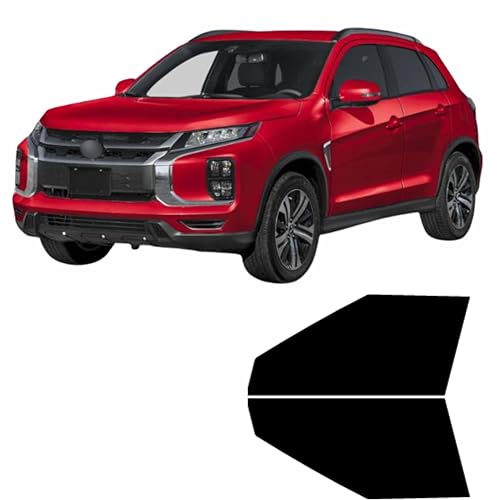
- Precision-cut tint kit for Driver and Passenger Windows. Film is fully trimmed...
- Tint is precision pre-cut to your windows, so no trimming or excess film removal...
- Choose from premium 5%, 20%, 35%, or 50% shades, with the option to mix shades...
How long does precut window tint film last before it needs replacing?
Quality precut films typically last between five and ten years, depending on the material and your climate. Ceramic films tend to outlast dyed films because they don’t degrade from UV exposure as quickly.
Watch for signs of bubbling, peeling, or a purple hue — those mean the film is failing. If you notice any of these, it’s time to replace your tint to maintain UV protection.