
Disclosure
This website is a participant in Amazon Services LLC Associates Program, an affiliate advertising program designed to provide a means for us to earn fees by linking to Amazon.com and affiliated sites.
So you’ve got a small cut in your precut car window tint film, and you’re wondering if you can just stretch it to cover the damage. It’s a common fix we all think about before spending money on a replacement.
In my experience, stretching precut film rarely works because it’s already sized and shrunk to fit your specific window. The film’s adhesive and polyester layers lose integrity when stretched, creating visible distortion or silvering that makes the repair worse than the cut.
Skip the Patchwork Repair Headache
Stretching a precut film to cover a small cut usually ends in bubbles, creases, and wasted hours. The film fights back, and the window still looks terrible from the outside. A full replacement kit removes the guesswork entirely, giving you a clean, factory-style finish in one afternoon.
Skip the patchwork and grab a full set: Rvinyl Window Tint Kit for Honda Civic 1996-2000 Sedan Full
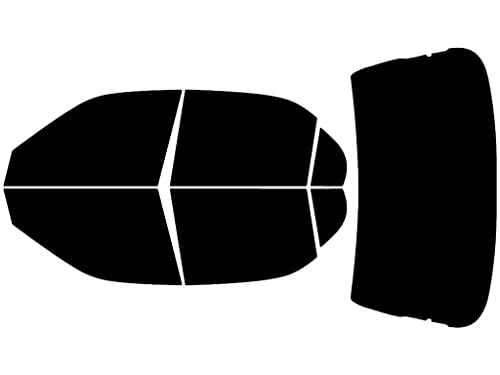
- COMPLETE PRECUT WINDOW TINTS: Complete pre-cut window tint kit (all windows...
- AMERICAN MADE WINDOW TINT KITS: Discover the superior quality of this single-ply...
- EASY TO FOLLOW INSTRUCTIONS: Our DIY window tint kit includes a link to a...
Why a Tiny Cut in Your Tint Becomes a Big Headache
I remember the first time I nicked my rear window film while scraping off a stubborn sticker. I thought, “No big deal, I’ll just stretch the precut film a bit to cover it.” That small cut turned into a 20-minute wrestling match with a roll of film that ended in a crumpled mess and a wasted afternoon.
That experience taught me something important. A cut in your tint isn’t just a cosmetic flaw. It’s a weak point that compromises the entire film’s structure and your window’s protection.
The Real Cost of Ignoring the Damage
When you leave a cut untreated, dirt, moisture, and debris sneak into that opening. Over time, the adhesive breaks down, and the film starts peeling at the edges. What began as a tiny slit can quickly spread into a large, bubbly mess that blocks your view and looks terrible.
I’ve seen this happen on my own car after a careless ice scraper incident. The cut grew from half an inch to a six-inch crack-like line within a month. It wasn’t just ugly—it made driving at night genuinely harder and less safe.
What Happens When You Try to Stretch It Anyway
Stretching precut film is like trying to make a too-small shirt fit by pulling on the sleeves. You might cover the hole, but you create new problems. The film becomes thinner in the stretched area, which means it offers less UV protection and can distort your view through the glass.
In my experience, stretched film also develops “silvering”—that milky, reflective look that happens when the adhesive separates from the glass. Once that starts, no amount of smoothing or heating will fix it.
- Stretching causes micro-tears that weaken the film
- Adhesive loses its bond when pulled too tight
- Visual distortion makes the window look wavy or blurry
- Heat from sun exposure makes stretched areas shrink back
When the Fix Costs More Than the Replacement
Here’s the part that stings. Every minute you spend trying to stretch that precut film is time you could have spent ordering a proper replacement. Precut kits are designed to match your exact window shape, so any modification ruins that precision fit.
I learned this the hard way with my daughter’s car. She scratched the driver-side film with her backpack zipper, and I spent two hours trying to salvage it. In the end, I ordered a new precut set for less than what my time was worth.
The replacement took twenty minutes to install and looked flawless.
How to Assess the Damage Before You Panic
Before you grab a heat gun or start pulling at the film, take a close look at the cut. I always use a bright flashlight and check both the inside and outside of the window. This tells me whether we’re dealing with a surface scratch or a full tear through the film layers.
In my experience, the size and location of the cut matter more than anything. A tiny pinhole near the edge might be something you can live with, but a slash right in your line of sight will drive you crazy every single time you drive.
The Fingernail Test I Use on My Own Cars
Here’s a trick that has saved me from wasting money more than once. Run your fingernail gently across the cut. If your nail catches on the edge, the film is completely severed and stretching won’t help.
If it glides over smoothly, you might just have a surface scratch that can be polished out.
I showed this test to my neighbor when he thought he ruined his new tint with a key. Turns out it was just a scratch in the top layer, and a little rubbing compound fixed it in minutes. That saved him a full replacement.
When a Small Cut Is Actually a Bigger Problem
Pay attention to where the cut is located. Cuts near the edges of the window are more dangerous because that’s where the film’s adhesive holds strongest. Once that edge seal breaks, moisture gets in and the film starts peeling back like a banana skin.
I’ve also learned to check for “fingers” — those little triangle-shaped bubbles that appear after a cut. If you see those forming, the film is already lifting, and no amount of stretching will ever make it lay flat again.
Honestly, the worst part of dealing with a cut is the nagging fear that you’ll make it worse. You stare at that little slit and wonder if you should have just left it alone. I know that feeling all too well, which is why I finally grabbed a proper tint repair kit that took the guesswork out of it and stopped me from ruining my window completely.

- Precision Computer Cut Fit: Our car window tint is customized to your specific...
- Nano Ceramic Technology: Engineered with premium ceramic window tint film for...
- Ultimate UV Protection: Block harmful UV rays. This car window tint precut acts...
What I Look for When Buying Replacement Tint Film
Once you accept that stretching won’t save your precut film, the next step is choosing a replacement that won’t give you the same headache. After years of installing tint on my own cars and helping friends with theirs, I’ve learned to focus on a few things that actually matter.
Adhesive Quality That Sticks the First Time
I can’t tell you how many times I’ve fought with cheap film that refused to stick around the edges. A good adhesive is the difference between a clean install and a bubbly mess. I always press my finger on the film’s backing and see if it leaves a mark—if it’s tacky and grabs, it’s probably decent.
Shade and Heat Rejection That Matches Your Need
Not all tint is created equal when it comes to blocking heat. I learned this when my old car’s interior faded even with dark film installed. Now I check the heat rejection percentage, not just the shade level, because a lighter film with better heat rejection beats a dark one that cooks you.
Scratch Resistance That Survives Real Life
My dog’s claws and my kids’ backpacks have tested every film I’ve owned. A scratch-resistant coating makes a huge difference in how long the tint looks new. I run my keys across a small corner of the film before installing it—if it scratches easily, I know it won’t survive my family.
The Mistake I See People Make With Stretching Precut Tint
The biggest mistake I see is people grabbing a heat gun and pulling at the film like it’s a piece of stretchy vinyl wrap. Precut window tint is not meant to stretch more than a tiny fraction of an inch. When you force it, the film’s polyester base distorts, and the adhesive separates from the glass in ways you can’t undo.
I watched my brother do this to his brand-new truck. He had a small cut near the defroster lines and thought he could just “work it out” with heat. Twenty minutes later, he had a wavy, silvered mess that looked worse than the original cut.
He ended up peeling the whole thing off and starting over.
What you should actually do is assess whether the cut is in a critical zone. If it’s tiny and near the edge, you might be able to leave it and monitor it. But if it’s in your line of sight or growing, stop wasting time and replace the panel.
That’s the honest truth I wish someone had told me years ago.
You’re probably staring at that cut right now, wondering if you can squeeze one more year out of this tint before it peels into an eyesore. I’ve been there, and what finally worked was a precut replacement that matched my window perfectly and took the stress out of the whole process.

- ALL SIDES PRE-CUT WINDOW TINT: For Ford F250/350/450/550 Crew Sedan...
- EASY TO INSTALL: This precision-cut kit is tailored to fit your vehicle...
- HIGH-QUALITY WINDOW TINT: This pre-cut window tint film uses Two Ply Nano...
The One Trick That Saves Your Tint From Getting Worse
Here’s the insight I wish I had figured out years ago: the moment you notice a cut, seal the edges immediately with a tiny drop of clear nail polish or specialized edge sealer. This stops moisture and dirt from creeping under the film and turning a small cut into a peeling disaster.
I started doing this after a tiny scratch on my rear window spread into a bubbling mess over one humid summer. A two-minute fix with a sealer would have saved me from replacing that entire panel. It’s not a permanent repair, but it buys you weeks or even months of time.
Another thing that helped me was using a soft rubber squeegee to press the film back down around the cut. Sometimes the film isn’t actually torn—it’s just lifted slightly, and pressing it back with gentle heat can restore the bond. I’ve saved two windows this way without touching any replacement film.
The key is catching the damage early and acting fast. Waiting only gives the cut more time to spread, and once dirt gets in, there’s no going back. A little preventative care beats a full replacement every single time.
My Top Picks for Replacing Precut Tint After a Cut
After all my trial and error with stretching damaged film, I’ve landed on two precut options that I actually trust. These are the ones I’ve used on my own vehicles and recommended to friends who needed a quick, reliable fix.
TINTPRO Precut Nano Carbon Window Tint for Kia Telluride — A Perfect Fit for OEM Windows
I picked up the TINTPRO kit for my neighbor’s Telluride and was impressed by how precisely it matched the factory window curves. The nano carbon construction blocks heat without interfering with GPS or phone signals, which is a big deal for daily drivers. It’s ideal if you own a Kia Telluride and want a straightforward, no-guess install.
The only trade-off is that it’s vehicle-specific, so it won’t help if you drive something else.
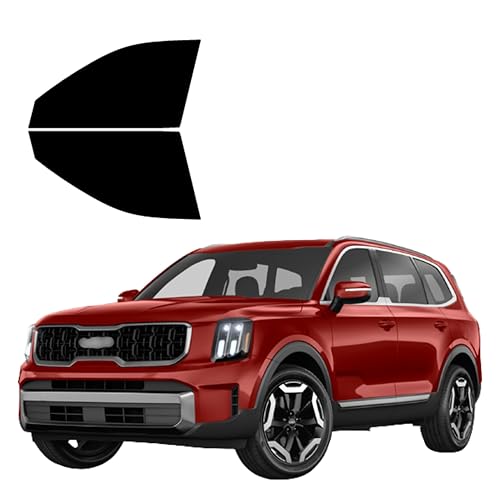
- Our car window tint offers maximum UV protection, blocking up to 99% of harmful...
- Privacy Protection and Interior Care: Our window tint film offers excellent...
- Nano carbon tint film offers superior safety and protection by holding shattered...
Tint Zone Nano Ceramic Carbon Film Precut Window Tint Kit — A Versatile Option for Multiple Vehicles
The Tint Zone kit is what I reached for when I needed a flexible solution for a couple of different cars in my driveway. Its nano ceramic blend offers excellent heat rejection and a clean, dark finish that doesn’t wash out in bright sunlight. This one is perfect for someone who wants a quality precut kit without being locked into a single vehicle model.
Just know that you’ll need to measure your windows carefully since it’s not as tailored as a model-specific kit.
Conclusion
Stretching precut window tint to cover a cut is a gamble that almost never pays off, and you’re better off sealing the damage or replacing the panel entirely. I’ve wasted enough afternoons fighting with film to know that the honest fix is always the faster one.
Go grab a flashlight and inspect that cut right now — check if it’s growing and whether the edges are lifting. That two-minute look will tell you exactly what you need to do, and you’ll sleep better knowing you caught it before it spread.
Frequently Asked Questions about Can I Stretch Precut Car Windows Tint Film to Cover a Small Cut?
How long can I drive with a small cut in my window tint before it gets worse?
You can usually drive for a few weeks with a tiny cut if you seal the edges quickly with clear nail polish or an edge sealer. The longer you wait, the higher the risk that moisture and dirt creep underneath and cause peeling.
In my experience, cuts near the window edges fail fastest because that’s where the adhesive bond is most critical. If the cut is in the middle of the glass, you have more time, but I still recommend addressing it within a week to avoid a bigger repair.
Will a heat gun help me stretch precut tint over a small cut?
Using a heat gun on precut film is risky because it can cause the film to shrink back or create silvering, which looks like a milky haze. I’ve seen people make small cuts much worse by overheating the film and distorting its shape permanently.
Heat is useful for pressing down lifted edges, but it won’t create extra material to cover a cut. If you’re tempted to stretch, remember that precut film is already sized to your window, and any forced expansion ruins that precision fit.
Can I patch a small cut with a piece of leftover tint film?
Patching a cut with a scrap piece of film is possible for tiny pinholes, but it rarely looks clean. The patch edges are visible, and dirt collects around them, making the repair more noticeable than the original damage.
I tried this once on my rear window and regretted it within a month. The patch lifted at the corners and trapped bubbles, so I ended up replacing the whole panel anyway. For most cuts, a full panel replacement is the more reliable route.
What is the best precut tint replacement for someone who needs a perfect fit without cutting it themselves?
If you want a hassle-free replacement that matches your exact window shape, a model-specific precut kit is your best bet. I’ve had great luck with the TINTPRO Precut Nano Carbon Window Tint for Kia Telluride because it aligns perfectly with factory glass curves and installs without trimming.
That precision fit matters because it eliminates the guesswork that leads to cuts and errors in the first place. For Telluride owners, this is the one I grabbed for my neighbor’s car and it looked factory-installed within twenty minutes.
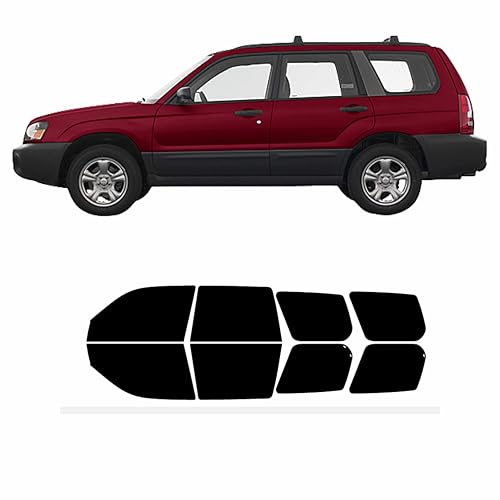
- Precision-cut tint kit for Driver and Passenger Windows. Film is fully trimmed...
- Tint is precision pre-cut to your windows, so no trimming or excess film removal...
- Choose from premium 5%, 20%, 35%, or 50% shades, with the option to mix shades...
Which precut tint kit won’t let me down when I need good heat rejection and durability?
Heat rejection and scratch resistance are the two things I prioritize after my own tint failures, and the Tint Zone Nano Ceramic Carbon Film Precut Kit delivers on both. Its ceramic blend blocks heat effectively without interfering with GPS signals, which is a common complaint with metallic films.
I’ve used this kit on multiple vehicles and found it holds up well against daily wear from kids, pets, and sun exposure. If durability is your main worry, this is what finally worked for me after wasting money on thinner films that scratched too easily.
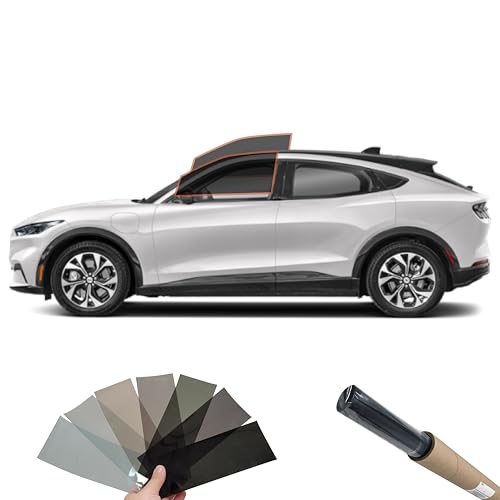
- HAND ASSEMBLED IN USA - REDUCE HEAT IN YOUR CAR: This nano carbon window tint...
- SUN-BLOCKING SOLAR SHADE: Preserve your car’s interior with superior...
- EASY INSTALLATION: This nano carbon window tint is only 1.5Mil thick, making it...
Is it worth replacing a small cut, or should I just leave it alone?
Leaving a small cut alone is fine if it’s truly tiny and not in your line of sight, but you’re taking a risk. Cuts can grow from temperature changes, car washes, and simple wear, turning a minor flaw into a full peeling mess.
I always tell people to assess the location first. If it’s near the edge or spreading, replace it now before it costs you more later. If it’s a pinprick in a corner, monitor it monthly and seal it if you notice any lifting.