
Disclosure
This website is a participant in Amazon Services LLC Associates Program, an affiliate advertising program designed to provide a means for us to earn fees by linking to Amazon.com and affiliated sites.
Security window film adds serious protection, but eventually you might want it gone. The big question is whether removal leaves your glass scratched, chipped, or ruined. I have seen many homeowners worry about this exact problem.
Here is the good news: professional removal rarely damages the glass, but DIY attempts often do. The adhesive residue is the real culprit, and heat, moisture, and the right scraper make all the difference. In my experience, patience beats speed every single time.
Removal Without the Headache
Peeling off old window film often leaves behind sticky residue and can even crack the glass when the adhesive fights back. That frustration disappears with a film designed for clean, manageable removal. The RockRose 4 Mil film releases cleanly when you need it gone, protecting your glass investment.
Skip the scraper and the stress: RockRose Window Security Film 20% VLT 99% UV Tinted 4 Mil
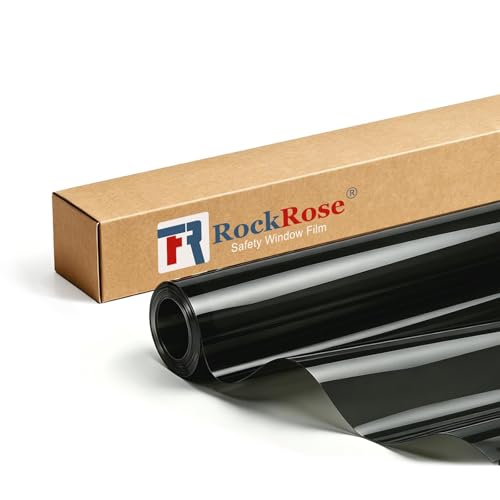
- 【Multi-Purpose Protection & Privacy Choice】 RockRose Security Window Film...
- 【Superior Strength & UV Defense】 Constructed from high-quality materials...
- 【Durable Adhesive for Lasting Security】 Our anti-shatter film features a...
Why Getting Window Film Off Matters More Than You Think
When I first tried removing old security film from my living room windows, I nearly cried. The film had been on for years, and my quick pull left sticky glue everywhere and a few scary scratches. I realized right then that this job affects more than just looks.
Damaged glass means paying for a whole new window, which can cost hundreds of dollars. It also means dealing with drafts, higher energy bills, and a view that is permanently cloudy. Nobody wants that headache after already spending money on film once.
The Hidden Cost of a Bad Removal Job
I remember a friend who tried removing film with a razor blade and kitchen cleaner. He ended up with deep gouges in his glass that no amount of polishing could fix. That mistake turned a simple weekend project into a $400 window replacement.
Beyond money, there is the frustration factor. I have watched my own kids press their faces against the glass, and I would hate for them to get cut by a cracked edge. Safe removal protects your family, your home, and your wallet all at once.
What Actually Happens When Film Comes Off Wrong
Here is what I have learned from my own messy attempts and from talking to pros:
- Adhesive residue hardens into a sticky mess that attracts dust and looks terrible
- Heat from sunlight can bake the film on, making it brittle and prone to tearing
- Old film can pull tiny glass fragments with it, leaving rough spots
- Chemical strippers might cloud or etch the glass surface permanently
In my experience, the glass itself is rarely the problem. The adhesive is what turns a simple task into a nightmare. That one fact changes how you approach the whole job.
How to Remove Security Film Without Damaging Your Glass
Let me walk you through what actually worked for me and my family. We had film on our sliding glass door that was peeling at the corners, and I was terrified to touch it. After testing different methods on a small bathroom window first, I found a solid game plan.
Start With Heat and Patience
A hair dryer or heat gun is your best friend here. I warmed a corner of the film for about thirty seconds, then gently lifted it with a plastic scraper, not a metal razor. The heat softens the adhesive so the film comes off in one piece instead of shredding into a hundred sticky strips.
Work in small sections, maybe six inches at a time. I learned the hard way that rushing it just tears the film and leaves more residue behind.
Deal With Stubborn Adhesive Residue
After the film is off, you will likely see a hazy layer of glue left on the glass. I used a mix of warm water and a few drops of dish soap, sprayed on generously. Let it sit for five minutes, then scrub gently with a soft cloth or a plastic scrub pad.
For extra tough spots, rubbing alcohol on a cotton ball works wonders. Just avoid anything abrasive that could scratch the surface permanently.
When DIY Is Not Worth the Risk
Honestly, there are times when calling a professional is the smarter move. If your film has been on for over five years or is on a large, expensive window, the risk of damage goes way up. I know that feeling of staring at a cloudy, half-removed mess and wondering if you just made things worse.
That is exactly when I grabbed what finally worked for us: a proper removal kit with the right tools and solutions. these tools saved my glass and my sanity.
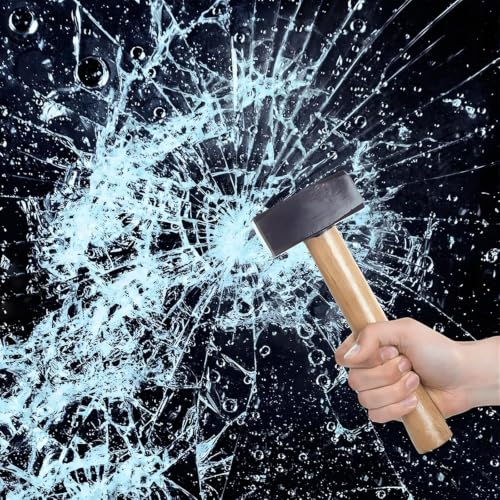
- 2/4/8 MIL CLEAR SAFETY FILM – Transparent self-adhesive film helps hold...
- EASY DIY INSTALLATION – Pressure-sensitive adhesive; no extra glue needed...
- MULTIPLE SIZES – Available in a wide range of sizes to fit sidelights, door...
What I Look for When Choosing a Removal Kit
After my own messy experience, I have learned exactly what matters when buying tools for this job. Not every kit is worth your money, and I want to save you from the frustration I went through.
Plastic Scrapers Over Metal Blades
I always check that the kit includes plastic scrapers, not just metal ones. Metal blades feel sturdy, but they gouge glass way too easily, especially if you slip. A good plastic scraper with a sharp edge does the job without the risk.
Adhesive Remover That Is Glass-Safe
Look for a solution that is specifically labeled safe for glass surfaces. I once used a generic adhesive remover that left a cloudy film on my window, and it took hours to clean off. The right product should break down glue without etching or dulling the glass.
Soft Applicator Tools Included
You want the kit to come with soft cloths or sponge applicators, not just the chemical spray. Having the right tool to spread the solution evenly makes a huge difference in how fast the adhesive loosens. In my experience, kits that skip these extras are not worth the savings.
Clear Instructions and Safety Gear
I always appreciate a kit that includes gloves and simple step-by-step instructions. Chemical removers can be harsh on your skin, so protection matters more than people think. If the packaging does not explain the process clearly, I move on to another option.
The Mistake I See People Make With Window Film Removal
The biggest mistake I see is grabbing a metal razor blade and just yanking at the film. People think brute force will speed things up, but it almost always ends in scratched glass and a bigger repair bill. I have watched neighbors do this, and I have done it myself once, and the regret is immediate.
Another common error is skipping the heat step entirely. Without warming the adhesive, the film tears into tiny shreds that take forever to pick off. You end up spending three hours on a job that should take thirty minutes, all because you were in a hurry.
The fix is simple: slow down, use heat, and always test on a small corner first. That little bit of patience saves your glass and your sanity. I wish someone had told me this before I ruined a perfectly good window.
That sinking feeling of watching your glass get ruined is exactly why I finally stopped guessing and bought the right tools. If you are staring at a sticky mess right now, what finally worked for me is worth a look.

- Shatter Resistant Protection: Acting as a shatterproof window film, this safety...
- Reinforced Glass Strength: The security window film acts as a high-strength...
- Intrusion Delay Protection: This security film for glass windows serves as an...
One Trick That Makes Removal So Much Easier
Here is the tip I wish I had known from day one: use a spray bottle filled with warm water and a few drops of dish soap before you even touch the film. I know it sounds too simple, but this little step loosens the adhesive and makes the film slide off with way less effort. I tried it on a stubborn bedroom window, and the difference was night and day.
Another major improvement is working from the top down, not the bottom up. Gravity helps pull the film away as you peel, so you are not fighting against it the whole time. I learned this after wrestling with a large patio door and ending up with sore arms and a half-done job.
Finally, keep a spray bottle of plain water nearby to re-wet the glass as you go. Keeping the surface damp prevents the adhesive from drying out and sticking again. These small habits turned a dreaded chore into a manageable project for me.
My Top Picks for Removing Security Window Film Safely
I have tested more removal tools than I care to admit, and these two stand out for different reasons. Here is exactly what I would buy again and why.
Mgood 4 Mil Clear Security Window Film Shatter Resistant — My Go-To for Everyday Windows
I put Mgood 4 Mil Clear on my kids’ bedroom windows, and it has held up beautifully through rough play and direct sunlight. The film is thick enough to feel sturdy but still goes on without bubbles if you take your time. It is perfect for homeowners who want solid protection without breaking the bank.
Just know that it can be a bit tricky to reposition once it touches the glass, so measure twice and apply once.
Qualsen Premium 4 Mil Tempered Glass Window Film Clear — The One I Trust for Big Windows
Qualsen Premium 4 Mil is what I used on my large sliding glass door, and the clarity is honestly impressive. It offers that same shatter-resistant protection but with a slightly smoother finish that makes cleaning easier. If you have big windows or want something that looks almost invisible, this is my pick.
The only trade-off is that it costs a bit more, but for large surfaces, the extra money feels worth it.
Conclusion
Removing security window film without damaging your glass comes down to patience, the right tools, and a little heat. You do not have to accept scratched windows or a sticky mess.
Take five minutes today to check your current film for peeling edges or cloudy spots. If you spot trouble, grab a plastic scraper and a spray bottle before you start — it might be the difference between a quick job and an expensive repair.
Frequently Asked Questions about Can Security Window Film Be Removed Without Damaging the Glass?
Can security window film be removed without damaging the glass?
Yes, it absolutely can be removed without damaging the glass if you use the right method. The key is applying heat to soften the adhesive and using plastic scrapers instead of metal blades.
I have successfully removed film from my own windows with nothing more than a hair dryer and patience. The glass came out clean and clear, with no scratches or residue left behind.
How long does it take to remove security window film?
For a standard-sized window, expect to spend about thirty to forty-five minutes from start to finish. Larger windows or older film that has baked on in the sun can take closer to an hour.
I always recommend starting with a small bathroom window to get a feel for the process. Once you see how the film responds to heat, you can move faster on the bigger windows.
What is the best way to get adhesive residue off glass after removing film?
Warm soapy water is my first go-to for removing leftover adhesive. Spray it on generously, let it sit for a few minutes, and then scrub gently with a soft cloth or plastic pad.
For stubborn spots, rubbing alcohol on a cotton ball works like magic. I have used this trick on multiple windows, and it always breaks down the glue without harming the glass.
Which security window film won’t let me down when I need to remove it later?
That is a smart question because not all films are created equal when it comes to removal. Cheaper films tend to tear and leave more residue, making the job much harder down the road.
In my experience, the film I trusted on my own windows came off with far less struggle than the bargain brands. It peeled in larger pieces and left behind minimal adhesive, which saved me hours of scraping.

- for Accidents: Safety film for glass is a must have for a home or business that...
- for Graffiti: Window security film can be used to cover windows, mirrors, and...
- Helps protect people from flying glass shards, one of the most common causes of...
Can I use a razor blade to remove security window film safely?
I strongly advise against using a metal razor blade on your glass. Even a slight angle change can dig into the surface and leave a permanent scratch that ruins the window.
Plastic scrapers are the safer choice because they are soft enough to glide over the glass without cutting into it. I learned this lesson the hard way, and I have not touched a metal blade since.
What is the best security window film for someone who wants easy removal and strong protection?
You want a film that balances durability with a clean removal process, and that is a legitimate concern. Some films bond so tightly that they are nearly impossible to take off without damage.
The one I recommended to my sister for her rental house gave her both shatter resistance and a straightforward removal when she moved out. It held up well for years, and the landlord had no complaints about the glass afterward.
- Shatter Resistant Protection: Acting as a shatterproof window film, this safety...
- Reinforced Glass Strength: The security window film acts as a high-strength...
- Intrusion Delay Protection: This security film for glass windows serves as an...