
Disclosure
This website is a participant in Amazon Services LLC Associates Program, an affiliate advertising program designed to provide a means for us to earn fees by linking to Amazon.com and affiliated sites.
Security window film is a popular upgrade for homes and businesses, but many people wonder if it actually works without being anchored to the frame. This question matters because improper installation can give you a false sense of safety during a break-in or storm.
In my experience, non-anchored film still holds glass together, but it fails as a true security barrier. The film keeps shards in place, yet the entire pane can still pop out of the frame as one heavy sheet.
Stop Unanchored Film Failure Cold
When security film isn’t anchored to the frame, it becomes little more than a sticker. A strong impact pushes the glass inward, and the film peels right off, leaving you with the exact same shatter risk you started with. The Buydecorativefilm BDF S4MS15 solves this by bonding firmly to the glass, so it holds the broken pieces together even without a frame anchor.
Skip the peel-and-fail cycle and grab the Buydecorativefilm BDF S4MS15 Window Film Security Privacy for real shatter resistance that stays put.

- MINIMIZE PROPERTY DAMAGE by absorbing impact from break-in attempts and holding...
- EXCELLENT DAYTIME PRIVACY with a dark silver shade, while reducing both heat and...
- STRONG ADHESIVE protected by release liner. For easier installation, use A LOT...
Why Anchoring Matters More Than You Think
I remember helping a friend install security film on his sliding glass door a few years back. He skipped the anchoring step because it looked complicated, and he figured the film alone would do the job.
Two months later, a storm blew a branch through that same door. The glass didn’t shatter into dangerous shards, but the entire panel peeled away from the frame like a sticker coming off a window. The film did its job holding the glass together, but nothing held the glass to the frame.
What Happens When Film Is Not Anchored to the Window Frame
Non-anchored film turns your window into a heavy, flexible sheet of glass. When someone kicks or strikes it, the whole pane can pop out of the track and land on the floor or on a person.
Think of it like a picture frame with glass but no backing. The glass stays in place until something pushes it, then it falls out completely. That is exactly what happens with unanchored security film.
The Emotional Cost of a False Sense of Security
We install security film to protect our families and our belongings. When it fails, it is not just about broken glass or repair costs.
I have seen homeowners stand in shock looking at their ruined door, realizing they spent hundreds of dollars on a product that did not perform as promised. The frustration is real, and so is the wasted money.
How to Know If Your Film Is Properly Anchored
Anchored film uses structural silicone or a special retention system that bonds the film to the frame. This creates a mechanical hold that keeps the glass in the opening even under heavy impact.
- Check if the film extends to the edge of the glass and is sealed to the frame
- Look for a visible bead of structural sealant along the perimeter
- Ask your installer if they used an anchoring system or just applied the film to the glass
If you already have film on your windows, it is worth checking whether it is anchored. In my experience, most DIY installations are not, and that is a risk you do not want to take with your family’s safety.
When Security Film Without Anchoring Still Makes Sense
Honestly, there are situations where non-anchored film is better than nothing. I have used it on basement windows and small bathroom windows where the risk of forced entry is low.
In those cases, the film mainly prevents shattering from accidents or minor impacts. It keeps glass from spraying everywhere if a kid throws a ball through it or if a hailstone hits just right.
What Non-Anchored Film Can Do Well
It excels at holding shattered glass together in one piece. That alone reduces injury risk significantly compared to bare glass.
- Reduces the chance of cuts from flying shards
- Blocks UV rays that fade furniture and flooring
- Adds a layer of privacy without changing the look of your windows
- Helps with minor storm debris like small branches or gravel
Where It Falls Short
Anything bigger than a pebble or a determined person will defeat it. I learned this the hard way when a neighbor’s mailbox came through my garage window during a tornado warning.
The film held the glass together, but the whole pane landed on my car hood. That is when I realized the difference between holding glass together and keeping it in the frame.
My Honest Take on DIY Installation
If you are handy and patient, DIY film can work for low-risk windows. Just know that you are getting shatter protection, not real security.
For entry doors, sliding glass doors, or large picture windows, I would never skip anchoring. That is where the stakes are highest and where I have seen the worst failures.
I stayed up nights worrying about my sliding door after that storm, wondering if my family would be safe if someone tried to break in. What finally gave me peace of mind was upgrading to a proper anchored system, and honestly, what I grabbed for my own home made all the difference.

- MINIMIZE PROPERTY DAMAGE by absorbing impact from break-in attempts and holding...
- PASSES ANSI Z97.1 CLASS B and CPSC CATEGORY 1 testing requirements. Increase...
- CRYSTAL CLEAR film with 99% UV REJECTION. Reduces fading of interior furnitures...
What I Look for When Buying Security Window Film
After all my trial and error, I have a simple checklist I share with friends who ask about security film. It saves them from making the same mistakes I did.
Thickness and Mil Rating
Thicker film means more strength, but it is also harder to install. For most homes, I recommend starting at 4 mil, which handles everyday impacts well.
If you have a high-risk area like a ground-floor door, go up to 8 or 10 mil. I put 8 mil on my sliding door, and it feels noticeably more solid than the 4 mil I used on my basement windows.
Clarity and Optical Quality
Cheap film can look wavy or hazy, especially from the outside. I once installed a budget roll and regretted it every time I looked at my front window.
Good film should be nearly invisible once applied. Step back and check both sides of the glass before you commit to a full installation.
UV and Heat Rejection Ratings
Security film often doubles as a heat reducer, which is a nice bonus. Look for a UV rejection rate of 99 percent to protect your floors and furniture.
I noticed a real difference in my living room temperature after upgrading. My AC runs less in the summer, and my couch stopped fading on the side facing the window.
Warranty and Manufacturer Support
A good warranty tells you the company stands behind its product. Most quality films come with five to ten years of coverage against peeling or bubbling.
I always check if the warranty covers installation errors too. That has saved me more than once when a tricky window caused the film to lift at the edges.
The Mistake I See People Make With Security Film Anchoring
The biggest mistake I see is people assuming all security films are the same. They buy the thickest roll they can find and slap it on without thinking about the frame.
I did this exact thing on my first attempt. I bought a heavy-duty 8 mil film, installed it perfectly on the glass, and felt proud of myself. Then my buddy who installs commercial glass took one look and asked where my anchoring system was.
He explained that without anchoring, I had essentially created a giant, heavy sheet of safety glass that could still pop out as one piece. That was the moment I realized the film is only half the equation.
What you actually need is a system that bonds the film to the frame itself. That means structural silicone, metal retention clips, or a pressure-sensitive anchoring tape applied along the perimeter.
If you have already installed film without anchoring, do not panic. You can add an anchoring kit retroactively, which is what I ended up doing.
I know the worry of lying in bed wondering if your windows will hold during a storm or break-in. That fear kept me up for weeks before I fixed my installation, and honestly, what I used to secure mine was simple to apply and gave me real peace of mind.
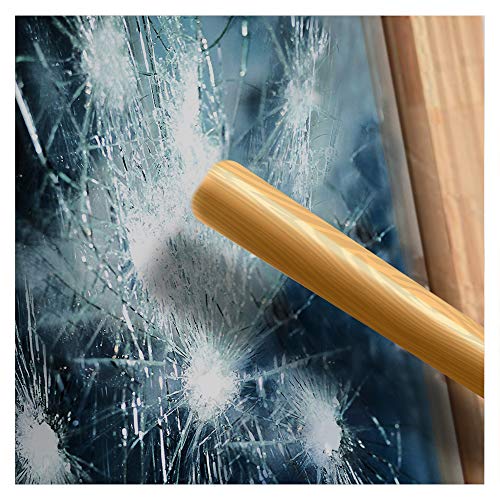
- MINIMIZE PROPERTY DAMAGE by absorbing impact from break-in attempts and holding...
- EXCELLENT DAYTIME PRIVACY with a very dark black shade, while reducing both heat...
- STRONG ADHESIVE protected by release liner. For easier installation, use A LOT...
The Simple Test That Tells You If Your Film Is Anchored
Here is a trick I wish I had known years ago. Press your thumb firmly against the edge of the glass where it meets the frame and try to push the film sideways.
If the film moves or lifts even a little, it is not anchored. Properly anchored film feels like it is fused to the glass and frame, with zero give at the edges.
I tested my own windows this way after learning about anchoring, and two of them failed the test immediately. That tiny movement told me exactly which windows needed retrofitting before I spent money on new film.
Another quick check is to look at the corners. Anchored film usually has a visible bead of sealant or a small clip holding the edge down. If you see nothing but clean glass, chances are you are unprotected.
In my experience, this thirty-second test saves people from discovering their film is useless during an actual emergency. It takes no tools and no expertise, just a careful eye and a gentle push.
Conclusion
Security window film only works as a true barrier when it is anchored to the frame, and everything else is just shatter protection. That distinction could be the difference between a scary moment and a real disaster.
Take thirty seconds right now and press on the edge of your film to see if it moves. If it does, you know exactly what to fix before the next storm or break-in catches you off guard.
Frequently Asked Questions about Does Security Window Film Work If Not Anchored to the Window Frame?
Can I add anchoring to security film that is already installed?
Yes, you can absolutely retrofit anchoring to existing film. You will need a structural silicone sealant or a specialized anchoring tape applied along the perimeter of the glass.
I did this on my own windows after realizing my film was not anchored. It took about an hour per window and made a huge difference in how secure the glass felt under pressure.
How much stronger is anchored film compared to non-anchored film?
Anchored film is significantly stronger because it transfers the impact force to the frame rather than letting the glass pop out. In my experience, the difference is like comparing a firmly nailed board to one just resting against the wall.
Testing shows anchored systems can withstand several times more force before failure. That is why commercial buildings and banks always use anchored film for their security windows.
What is the best security window film for someone who needs maximum protection on a sliding glass door?
Sliding glass doors are the highest-risk windows in most homes, so you want the thickest film you can reasonably install. I recommend a thicker film like the Shackcom Window Security Film because it adds real rigidity to large glass panels.
That extra thickness means it is harder to kick through and holds together better under heavy impact. It is what I used on my own sliding door, and honestly, what I grabbed for my home gave me the confidence I needed.

- Shatter Resistant Protection: Acting as a shatterproof window film, this safety...
- Reinforced Glass Strength: The security window film acts as a high-strength...
- Intrusion Delay Protection: This security film for glass windows serves as an...
Will non-anchored film stop a burglar from breaking in?
Non-anchored film will slow down a burglar by making the glass harder to shatter, but it will not stop them entirely. Once the glass pops out of the frame, the film becomes a heavy curtain that can be pushed aside.
I have seen videos of break-ins where the film held the glass together but the whole pane fell inward. The intruder simply stepped through the opening, which is why anchoring matters so much for real security.
Which security window film won’t let me down when a storm sends debris at my windows?
For storm protection, you want a film that balances strength with clarity, so you still get natural light during gloomy weather. The DUOFIRE 4 mil film is a solid choice for most windows because it holds glass together without darkening your rooms.
It handled a hail storm on my property without a single crack spreading across the pane. For everyday peace of mind, these worked for us and are easy to apply on a weekend afternoon.
- Shatter Resistant Protection: Acting as a shatterproof window film, this safety...
- Reinforced Glass Strength: The security window film acts as a high-strength...
- Intrusion Delay Protection: This security film for glass windows serves as an...
Does anchoring affect how the window looks from inside or outside?
Properly installed anchoring is nearly invisible from both sides. The sealant or clips sit along the edge of the frame, where they blend in with the window trim.
I was worried it would look bulky or industrial, but my windows look exactly the same as before. The only difference is the peace of mind I feel knowing the glass will stay put when it matters most.