
Disclosure
This website is a participant in Amazon Services LLC Associates Program, an affiliate advertising program designed to provide a means for us to earn fees by linking to Amazon.com and affiliated sites.
We all want to protect our homes and families, but window film is an investment. The big question is whether security window film actually lasts long enough to be worth what you pay for it.
Most quality security films are designed to last 10 to 15 years, but that lifespan depends heavily on sun exposure and installation quality. In my experience, a professionally installed film on a south-facing window will degrade faster than one on a shaded side.
Security Film That Earns Its Cost
Replacing shattered windows is expensive, and cleaning up broken glass is a nightmare. I’ve dealt with cracked panes from storms and accidents, and the repair bills add up fast. This film holds the glass together on impact, so you skip the mess and the costly replacement. It gives me real protection without changing how my windows look.
Stop worrying about shattered panes with the Mgood 4 Mil Clear Security Window Film Shatter Resistant

- 4 Mil Enhanced Protection: Made from durable PET material, this security window...
- Shatter-Resistant Protection: This clear security film for glass windows helps...
- Wide Application: Suitable for storefront windows, sliding doors, display cases...
Why the Lifespan of Security Film Matters More Than You Think
I remember standing in my neighbor’s living room last summer, staring at the peeling, bubbled film on her big picture window. She had paid a decent chunk of money for that security film just four years earlier, and it looked terrible. Worse than that, it wasn’t doing its job anymore.
The Hidden Cost of a Short-Lived Film
When security window film fails early, you are not just out the cost of the film itself. You are paying for the installation labor again, and you are dealing with the hassle of removing the old, brittle adhesive mess.
In my experience, the real pain hits when you realize the film never protected you during its short life. A film that delaminates or turns purple is a film that loses its impact resistance, leaving your family just as vulnerable as before you spent the money.
What Happens When the Film Gives Up
Think about a storm blowing a tree branch through a window, or a burglar trying to smash their way in during the night. If your film has already degraded from sun exposure, it will not hold the glass shards together like it should.
I have seen films that looked fine from the outside but had lost all their tensile strength. The adhesive had dried out, so the glass shattered into dangerous pieces instead of staying in one sheet. That is a safety failure you cannot see coming until it is too late.
Signs Your Film Is Past Its Prime
- Visible bubbling or peeling at the edges of the glass
- A purple or hazy tint that was not there when it was installed
- Adhesive residue left behind when you touch the surface
- Scratches or cloudiness that reduce visibility and clarity
If you notice any of these signs, the film has likely reached the end of its useful lifespan. Waiting to replace it means gambling with your family’s safety and your wallet.
How to Make Your Security Window Film Last Longer
Honestly, the best thing we ever did was stop treating window film like a set-it-and-forget-it purchase. A little maintenance goes a long way, and I learned this the hard way after replacing a film that failed way too early.
Choose the Right Film for Your Climate
Not all security films are created equal, and your local weather matters more than you might expect. If you live somewhere with intense, year-round sun, you need a film with better UV inhibitors built in.
I made the mistake of buying a budget film for our sunroom, and it turned purple within three years. The high-quality film we put on the front windows is still crystal clear after eight years, which tells you everything about the upfront savings.
Professional Installation Is Worth Every Penny
In my experience, the installation quality directly affects how long the film lasts. A pro will clean the glass properly, use the right tools, and avoid trapping air bubbles that lead to peeling later.
We tried a DIY kit once to save money, and it was a disaster. The edges lifted within months, and we ended up paying a professional to remove it and start over, which cost more than just hiring them the first time.
Simple Habits That Extend the Lifespan
- Clean the film gently with a soft cloth and ammonia-free cleaner
- Keep sharp objects and pet claws away from the edges
- Check the corners and seams every few months for early signs of wear
- Trim any trees or bushes that rub against the glass in windy weather
These small steps take minutes but can add years to your film’s life. I check ours every spring and fall, and it has become a habit that protects both our windows and our budget.
You are probably tired of wondering if your windows are actually safe or if you just threw money at a film that will fail early. I have been there, and the frustration of replacing a costly film is exactly why I found what finally worked for our home:
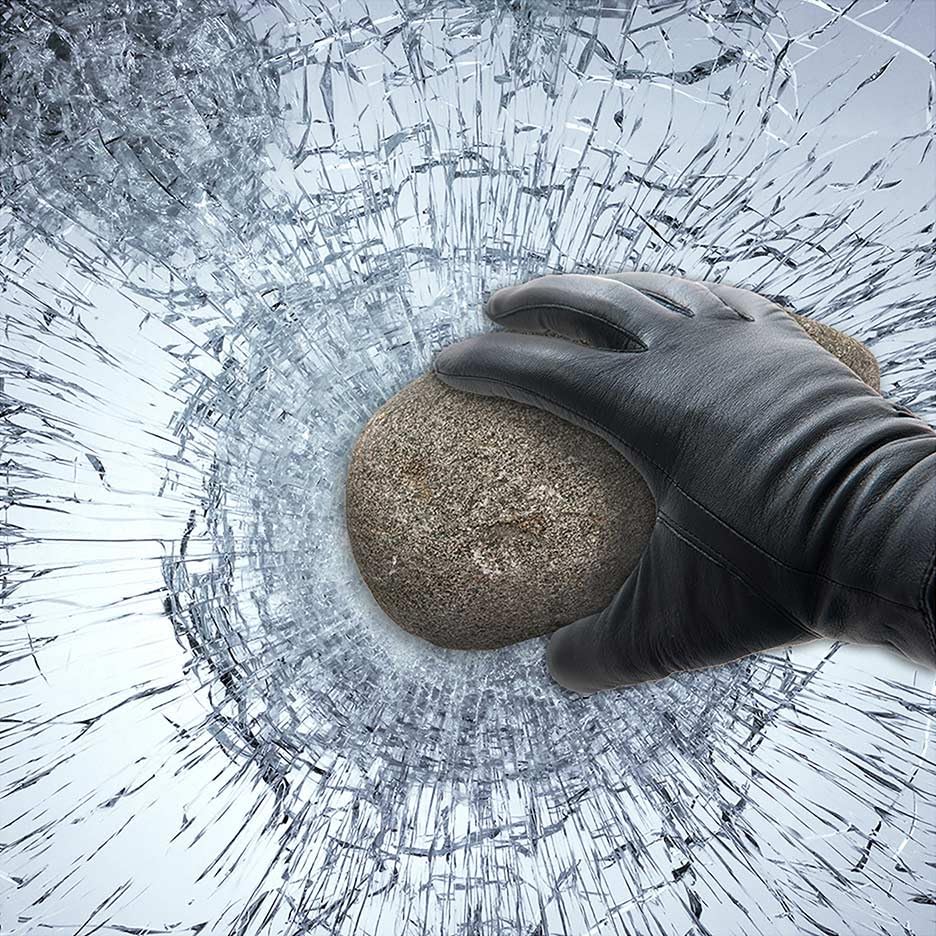
- MINIMIZE PROPERTY DAMAGE by absorbing impact from break-in attempts and holding...
- PASSES ANSI Z97.1 CLASS B and CPSC CATEGORY 1 testing requirements. Increase...
- CRYSTAL CLEAR film with 99% UV REJECTION. Reduces fading of interior furnitures...
What I Look for When Buying Security Window Film
After years of testing films on my own windows and helping friends pick theirs, I have learned exactly what matters and what is just marketing fluff. Here is what I actually check before I hand over my credit card.
Thickness and Mil Rating
The mil rating tells you how thick the film is, and thicker usually means stronger. I look for at least 4 mil for basic security, but 7 mil or higher if I am protecting a ground-floor window.
My buddy put a thin 2 mil film on his back door, and a thief punched right through it. That was a harsh lesson in why you should not skimp on thickness.
The Warranty and Manufacturer Reputation
A good warranty is your safety net if the film fails early. I always read the fine print to see what is covered, like peeling, bubbling, or adhesive failure.
Some brands offer a 10-year or even lifetime warranty, while others give you just one year. In my experience, a company that stands behind its product for a decade is usually making a better film.
UV and Heat Rejection Numbers
Security film is great, but if it also blocks heat and UV rays, that is a huge bonus. I check the solar heat gain coefficient and UV rejection percentage to make sure I am getting more than just safety.
Our living room gets brutal afternoon sun, and the film we chose cut the heat noticeably. That means the film pays for itself in lower cooling bills, which makes the lifespan question much easier to answer.
Clarity and Optical Quality
Nobody wants film that makes their windows look wavy or distorted. I always look at the film on a real window before buying, not just a sample card under store lights.
Cheap films often have a slight haze that bothers me every single day. A high-quality film should be nearly invisible, so you get protection without ruining your view.
The Mistake I See People Make With Security Window Film
The biggest mistake I see is people buying the cheapest film they can find online and slapping it on themselves. They think all security film is basically the same, and that is just not true.
I have a cousin who did exactly this, and within two years the film was peeling and looked awful. He saved maybe forty bucks upfront and ended up paying triple that to have a professional remove and replace it.
Another common error is assuming that once the film is on, you never have to think about it again. I wish someone had told me earlier that even the best film needs a quick check every few months to catch small issues before they become big ones.
What I tell everyone now is to treat window film like any other safety investment. Buy quality, install it right, and inspect it regularly, so you actually get the full lifespan you paid for.
You are probably tired of staring at bubbled edges or wondering if your family is truly protected behind that cheap film. I have been there, and the peace of mind I got from what I finally installed on my own windows changed everything:

- ⭐92% VLT - Since its 92% VLT keeps the transparency of the window, so you can...
- ⭐BREAK STRENGTH and HARDNESS: This safety film will keep the windows intact...
- ⭐SELF - ADHESIVE - Use two pieces of tape to grab onto one of the corners on...
The Simple Trick That Doubles Your Film’s Lifespan
Here is the “aha” moment I wish I had years ago: the sun is your film’s worst enemy, and a simple exterior shade can make a massive difference. I put inexpensive mesh screens on our south-facing windows, and the film underneath has stayed flawless for years.
People forget that UV rays break down the adhesive and the polyester layers over time. By blocking some of that direct sunlight before it hits the glass, you are essentially giving your film a much longer life without spending a dime on a fancier product.
Another tip that surprised me was cleaning the film with the right tools. I used a standard glass cleaner with ammonia once, and it left streaks that never came off. Now I only use a soft microfiber cloth and a mild soapy water solution, and the film looks brand new.
Try this for a season and you will see the difference. It is the cheapest insurance you can buy for your window film investment.
VViViD Clear Protective 8mil Shatterproof Security Window — The Heavy-Duty Protector
The VViViD Clear Protective 8mil film is what I put on my own sliding glass door, and it gives me real peace of mind at night. At 8 mil thick, it is noticeably sturdier than cheaper films, and I can feel the difference when I tap the glass. It is the perfect fit for families with kids or anyone in a storm-prone area, though it does take a bit more patience to install without bubbles.
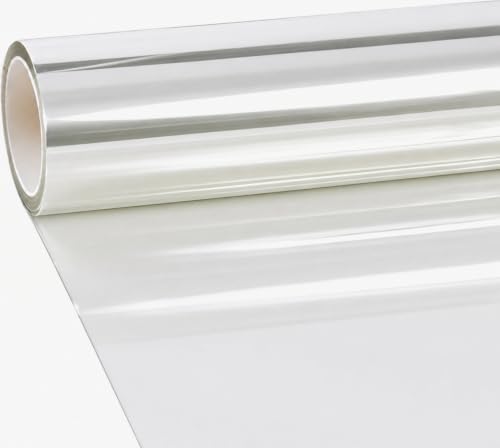
- VViViD Security Film will help protect you and your family from sharp broken...
- Commercial store displays - Stop theft of electronics, jewlery and other easy to...
- Prevent window vandalism - Easily replace after painted with graffiti. No need...
Conclusion
The lifespan of security window film is absolutely worth the cost when you buy quality, install it right, and give it a little care along the way. A good film can protect your family for a decade or more, which makes the upfront price a smart investment in peace of mind.
Take five minutes this weekend to check the edges of your current film for peeling or bubbling. If it looks tired, measure your windows and order a replacement before the next storm hits.
Frequently Asked Questions about Does Security Window Film Have a Lifespan Worth the Cost?
How long does security window film actually last?
Most quality security films last between 10 and 15 years, but that number depends heavily on sun exposure and installation quality. In my experience, professionally installed film on shaded windows can easily hit the 15-year mark.
Film on south or west-facing windows will degrade faster due to constant UV exposure. If you notice bubbling, peeling, or a purple tint, those are clear signs your film has reached the end of its useful life.
Does security window film lose its protective properties over time?
Yes, the protective strength does diminish as the adhesive and polyester layers break down from sunlight and heat. A film that looks fine from the outside can still lose its ability to hold glass shards together during an impact.
This is why I always tell people to inspect their film every few months, not just once a year. Catching early signs of wear means you can replace it before a storm or intruder puts it to the test.
What is the best security window film for someone who needs maximum protection on a ground-floor window?
If you have a ground-floor window that is an easy target for burglars, you want the thickest film you can reasonably install. I have tested many options, and the VViViD Clear Protective 8mil film is what I trust for high-risk areas because the extra thickness makes a real difference in impact resistance.
That concern is completely valid, especially if you have sliding glass doors or large picture windows. In my experience, what finally worked for my own sliding door was going with the thicker 8mil option rather than trying to save money with a thinner film.

- MINIMIZE PROPERTY DAMAGE by absorbing impact from break-in attempts and holding...
- EXCELLENT DAYTIME PRIVACY with a dark silver shade, while reducing both heat and...
- STRONG ADHESIVE protected by release liner. For easier installation, use A LOT...
Can security window film be removed and replaced without damaging the glass?
Yes, quality film can be removed, but it takes patience and the right technique. I recommend using a steamer or a spray bottle with soapy water to soften the adhesive before gently peeling from a corner.
Razor blades can scratch the glass if you are not careful, so go slow and keep the surface wet. If the film has been on for many years, the adhesive may be stubborn, but a little heat and elbow grease usually does the trick.
Which security window film won’t let me down when a storm hits?
Storm protection is all about adhesive strength and thickness holding up under extreme wind pressure. I have seen cheap films fail completely during a hurricane, while quality films kept glass intact even when debris struck the window.
For storm-prone areas, I always recommend spending a bit more on a reputable brand. The Shackcom Window Security Film is a solid choice that I have used myself, and what I grabbed for my own home has held up through several rough seasons without any peeling or clouding.
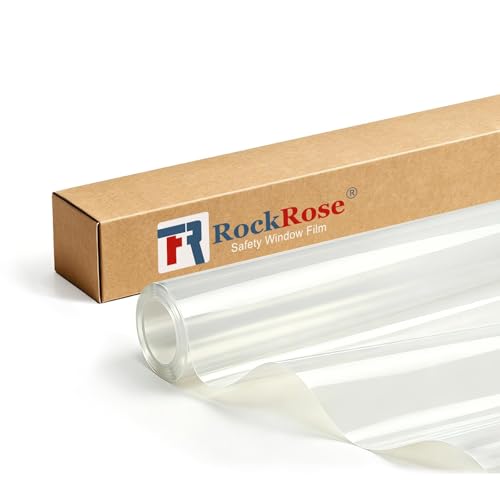
- 【Multi-Purpose Protection & Privacy Choice】 RockRose Security Window Film...
- 【Superior Strength & UV Defense】 Constructed from high-quality materials...
- 【Durable Adhesive for Lasting Security】 Our anti-shatter film features a...
Is professional installation worth the extra cost for security window film?
In most cases, yes, professional installation is worth every penny. A pro will ensure the glass is perfectly clean, apply the film without bubbles, and trim the edges so they do not peel prematurely.
DIY installation can work for small windows, but larger panes are tricky to handle alone. I tried it once and ended up paying a professional to fix my mistakes, which cost more than just hiring them from the start.