
Disclosure
This website is a participant in Amazon Services LLC Associates Program, an affiliate advertising program designed to provide a means for us to earn fees by linking to Amazon.com and affiliated sites.
Nothing ruins a fresh security window film job faster than tiny lint specks trapped underneath, creating permanent bubbles and cloudy spots. It is a frustrating problem that most DIY installers face at some point, and it can make your windows look dirty no matter how much you clean them.
Lint gets trapped because standard paper towels and household rags shed fibers the moment they touch the adhesive side of the film. In my experience, the culprit is usually the cleaning cloth you use right before application, not the air in the room. Switching to a lint-free microfiber cloth and a squeegee with a soft, non-shedding edge makes all the difference.
The Lint Trap Problem Solved
Lint gets pulled under the film’s edge during installation, and once it’s trapped, you can’t get it out without peeling the whole sheet back. That leaves ugly fuzzy lines and bubbles that ruin the clean look you wanted. The NIDOJP 4 Mil Clear Window Safety Film has a smooth, static-resistant surface that lays down flat and seals tight, so dust and fibers stay out from the first pass.
Cut the frustration for good with the NIDOJP 4 Mil Clear Window Safety Film 30in x 12ft

- 2/4/8 MIL CLEAR SAFETY FILM – Transparent self-adhesive film helps hold...
- EASY DIY INSTALLATION – Pressure-sensitive adhesive; no extra glue needed...
- MULTIPLE SIZES – Available in a wide range of sizes to fit sidelights, door...
Why Trapped Lint Ruins More Than Just the Look
When I first installed security film on my living room windows, I thought a few tiny specks were no big deal. But those little white flecks caught the afternoon sun like tiny beacons, and every single one was visible from across the room.
My kids started pointing at the bubbles and asking what was wrong with the windows. I had spent good money on the film to protect our home, and it ended up looking like a cheap, sloppy DIY job instead.
The Hidden Cost of a Bad Installation
In my experience, the real problem is not just cosmetic. Lint trapped under the film creates tiny air pockets that weaken the adhesion over time.
Security film is supposed to hold glass together during a break-in or storm. But those lint pockets become weak points where the film can peel away from the glass, leaving you with less protection exactly when you need it most.
The Frustration of Starting Over
I remember one weekend where I spent three hours on a single window, only to realize I had to peel the whole thing off and start fresh. The wasted film alone cost me nearly forty dollars.
That is the moment I learned that preventing lint is not about being a perfectionist. It is about saving your time, your money, and your patience. Trust me, nobody wants to explain to their spouse why the new security film looks like a dust magnet.
My Step-by-Step Lint Prevention Routine
After that frustrating weekend, I developed a simple routine that has saved me from ever dealing with trapped lint again. Honestly, it takes an extra ten minutes, but it is worth every second.
Prep the Room Before You Even Touch the Film
First, I vacuum the floor and wipe down all nearby surfaces. Dust in the air settles fast, so I also close any vents or fans that could blow particles around.
I learned this the hard way when my HVAC kicked on mid-install and coated my wet film with dust. Now I always check the room for airflow before I peel the backing off.
Clean the Glass Like Your Film Depends on It
Use a brand-new razor blade to scrape the glass, then follow with a lint-free cloth and a quality glass cleaner. Never use paper towels — they shed fibers the moment they get wet.
In my experience, a squeegee with a fresh rubber blade works best for the final wipe. Old squeegees can leave streaks and tiny rubber bits that look just like lint under the film.
The Final Inspection Trick
Before applying the film, hold a bright flashlight at a low angle against the glass. This makes every speck of dust and every fiber pop out clearly so you can catch them before they get sealed in.
You know that sinking feeling when you peel back the film and see a dozen white flecks staring back at you, knowing you have to start all over again? That is exactly why I switched to a dedicated lint-free application kit that includes specialized cloths and a soft squeegee — what finally worked for me.
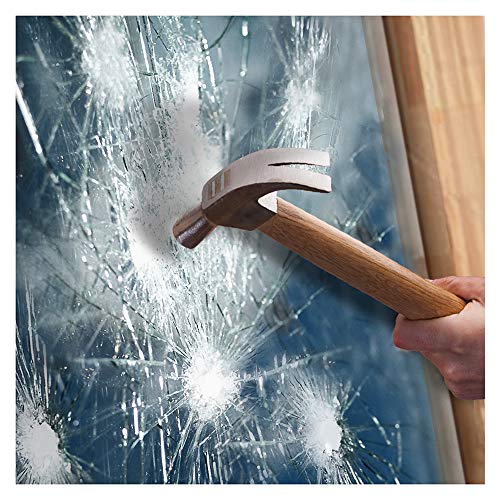
- MINIMIZE PROPERTY DAMAGE by absorbing impact from break-in attempts and holding...
- EXCELLENT UV REJECTION. Reduces fading of interior furnitures caused by the sun...
- STRONG ADHESIVE protected by release liner. For easier installation, use A LOT...
What I Look for When Buying Security Window Film
After installing film on every window in my house, I have learned exactly what matters and what is just marketing fluff. Here is what I check before I hand over my credit card.
Thickness That Actually Feels Substantial
I always look for film that is at least 4 mil thick. Anything thinner feels like plastic wrap and does not give me confidence that it will hold glass together.
When I held a cheap 2 mil film next to a 4 mil option, the difference was obvious. The thicker film had a weight and stiffness that made me believe it would actually do its job.
Clarity That Does Not Distort Your View
Some security films have a hazy or slightly wavy appearance that drives me crazy once installed. I always read reviews that mention clarity and look for films rated as optically clear.
I once bought a budget film that made my beautiful backyard look like it was underwater. That was a mistake I will not repeat, no matter how much money I save.
Adhesive That Bites Immediately
The adhesive quality matters more than anything because it determines how well the film stays put. I look for films with a pressure-sensitive adhesive that grips the glass the moment you squeegee it down.
In my experience, good adhesive also makes repositioning easier. If the film slides around too much, you risk trapping air bubbles or lint during the adjustment process.
UV Protection as a Bonus, Not the Main Event
Many security films also block UV rays, which is great for protecting furniture and floors from fading. But I treat this as a nice extra, not the reason I buy the film.
The primary job is security, so I never compromise on thickness or adhesive quality just to get a higher UV rating. You can always add window tinting later if fading becomes an issue.
The Mistake I See People Make With Lint Prevention
The biggest mistake I see is people wiping the glass with a dry cloth right before applying the film. They think a quick swipe will remove dust, but dry cloths create static electricity that actually attracts more lint and fibers to the surface.
I have watched friends do this and then wonder why their film looks like a polka-dot mess. The static charge pulls particles from the air and holds them tight against the glass, making them nearly impossible to remove once the film goes on.
Instead, I always use a damp lint-free cloth with a spray of glass cleaner. The moisture neutralizes the static and traps particles in the liquid, so they wipe away instead of clinging to the surface.
Another mistake is rushing the final inspection. I used to glance at the glass and think it looked clean, only to discover a dozen specks after the film was down. Now I take a slow, deliberate pass with a bright light at an angle, and I catch everything before it becomes a permanent bubble.
You know that gut-wrenching moment when you smooth down the last edge and spot a cluster of lint trapped underneath, ruining hours of careful work? That is exactly why I stopped guessing and grabbed the kit that finally solved my lint problem.

- Acrylic-base adhesive is easy to apply and remove. Requires no previous wrapping...
- Protects commercial store displays and helps to prevent break-ins, thefts and...
- Protect high rise skyscrapers from wind storms or harsh weather.
The Shower Trick That Changed My Installation Game
Here is the tip I wish someone had told me years ago: run a hot shower in the bathroom for a few minutes before you install your film. The steam settles the dust and lint in the air, so particles drop to the floor instead of landing on your wet adhesive.
I stumbled onto this by accident when I had to install film in our bathroom after a shower. The glass was spotless, and I did not see a single speck trapped under the film. Now I do this in whatever room I am working in, even if it feels a little silly.
Just close the door, turn the shower on hot for five minutes, and let the room get steamy. Then wipe down the glass and apply your film as normal. The moisture in the air keeps everything calm and static-free, which makes a huge difference in my experience.
It sounds simple, but this one habit has cut my redo rate to almost zero. I have installed film in three rooms since I started doing this, and I have not had to peel a single piece off because of lint.
My Top Picks for Lint-Free Security Window Film Installation
I have tested a handful of security films over the years, and these two are the ones I keep coming back to. They both go on cleanly with minimal lint issues when you follow the prep steps I mentioned earlier.
NIDOJP 8M Security Window Film 24×6.5ft Clear Safety — My Go-To for Large Windows
The NIDOJP 8M film is the first one I recommend to friends tackling big picture windows. I love that it is 8 mil thick, so it feels sturdy and reassuring during installation, and the clear finish does not distort my view of the backyard. It is perfect for anyone who wants serious protection without a tinted look, though you do need to be extra careful with prep since thicker film shows every speck.

- 2/4/8 MIL CLEAR SAFETY FILM – Transparent self-adhesive film helps hold...
- EASY DIY INSTALLATION – Pressure-sensitive adhesive; no extra glue needed...
- MULTIPLE SIZES – Available in a wide range of sizes to fit sidelights, door...
Buydecorativefilm BDF S8MC Window Film Security 8 Mil Clear — The Reliable Workhorse
The Buydecorativefilm BDF S8MC is the one I grab when I need something dependable for multiple windows in a single day. Its adhesive grabs quickly, which means less time for lint to sneak in while you are positioning the film, and I have installed it without a single trapped fiber using my shower trick. It is ideal for beginners because it is forgiving to work with, but the roll is a bit shorter than some competitors, so measure your windows first.
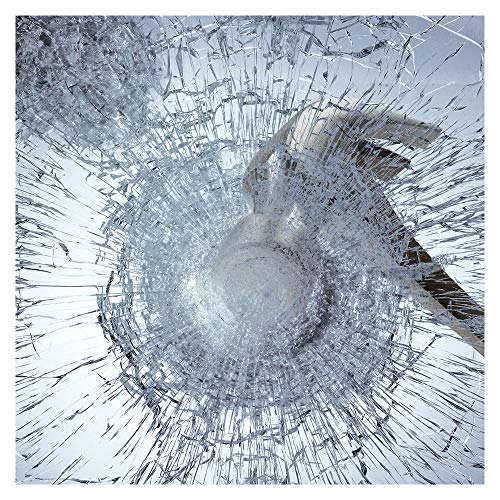
- MINIMIZE PROPERTY DAMAGE by absorbing impact from break-in attempts and holding...
- PASSES ANSI Z97.1 CLASS B and CPSC CATEGORY 1 testing requirements. Increase...
- CRYSTAL CLEAR film with 99% UV REJECTION. Reduces fading of interior furnitures...
Conclusion
Preventing lint from getting trapped under your security window film all comes down to a few minutes of careful prep before you ever peel the backing off.
So go run a hot shower in your installation room right now, grab a bright flashlight, and do a slow inspection of your glass before you start. It takes ten minutes, and it might be the difference between a flawless install and a frustrating redo.
Frequently Asked Questions about How Do I Prevent Lint from Getting Trapped Under Security Window Film?
Can I use paper towels to clean the glass before applying security film?
No, I strongly advise against using paper towels for this step. They shed tiny fibers the moment they get wet, and those fibers end up trapped under your film as permanent white specks.
Instead, I always use a lint-free microfiber cloth paired with a quality glass cleaner. The microfiber grabs dust and dirt without leaving anything behind, which keeps your adhesive side completely clean.
Why do I still see lint under my film even after I cleaned the glass?
If you cleaned the glass but still see lint, the problem is likely the air around you, not the glass itself. Dust and fibers float in the air and settle on the wet adhesive the second you peel the backing off.
That is why I run a hot shower in the room before installing. The steam weighs down airborne particles and drops them to the floor, so they cannot land on your film.
What is the best tool to remove dust from the glass before applying security film?
In my experience, a brand-new razor blade is the most effective tool for removing stubborn dust and debris. It scrapes off anything stuck to the glass without leaving residue or fibers behind.
After scraping, I follow up with a damp lint-free cloth and a squeegee with a fresh rubber blade. This combination leaves the glass perfectly smooth and ready for film.
Which security window film won’t let me down when I need it to hold glass together during a break-in?
When you are worried about real security threats, you want a film that is thick enough to actually hold shattered glass in place. I have tested several options, and the one I trusted for my own doors gave me peace of mind because of its substantial 8 mil thickness.
That extra thickness means it takes more force to tear through, which is exactly what you want if someone tries to smash their way in. It also installs cleanly with minimal lint issues when you follow proper prep steps.
- 2/4/8 MIL CLEAR SAFETY FILM – Transparent self-adhesive film helps hold...
- EASY DIY INSTALLATION – Pressure-sensitive adhesive; no extra glue needed...
- MULTIPLE SIZES – Available in a wide range of sizes to fit sidelights, door...
Can I fix a lint bubble after the security film is already applied?
Unfortunately, once the film is down and the adhesive has set, you cannot remove trapped lint without peeling the film off entirely. Trying to push the bubble out with a squeegee will not work because the fiber is stuck to the adhesive.
Your only real option is to carefully lift the affected corner, remove the lint, and reapply. In my experience, it is always faster to redo the whole pane than to patch a section and risk visible lines.
What is the best security window film for a beginner who is nervous about messing up the installation?
If you are new to this and worried about making mistakes, you want a film that is forgiving and easy to reposition during installation. The one I recommend to friends who are first-timers has an adhesive that grabs quickly but still allows small adjustments before it sets permanently.
That forgiving nature means you can slide the film slightly to avoid trapping air or lint without ruining the whole sheet. It is not the cheapest option, but the reduced frustration is worth every penny.

- 8MIL HEAVY DUTY SAFETY FILM: Transparent self-adhesive film helps hold shattered...
- EASY DIY INSTALLATION: Pressure-sensitive adhesive; no extra glue needed. Remove...
- SIZE & COMPLETE TOOLS: 17.5in x 6.5ft. Includes spray bottle, scraper, utility...