
Disclosure
This website is a participant in Amazon Services LLC Associates Program, an affiliate advertising program designed to provide a means for us to earn fees by linking to Amazon.com and affiliated sites.
Peeling back ceramic car window tint film safely is a delicate job that many car owners face at some point. Getting it wrong can damage your rear defroster lines or leave sticky residue behind that’s a nightmare to clean.
Ceramic tint is tougher than standard film because its nano-ceramic particles bond firmly to the glass. In my experience, heat is your best friend here—a simple hair dryer or steamer loosens the adhesive without scratching the glass or harming your car’s interior.
The Peeling Nightmare Ends Here
Peeling old ceramic tint always leaves sticky adhesive residue behind, turning a quick job into a frustrating afternoon. You end up scraping glass and fighting leftover glue for hours. This film removes cleanly with minimal residue, so you finish the job without the mess.
Skip the adhesive battle with the TWRAPS Nano Ceramic Window Tint Tesla Model 3 Front Doors
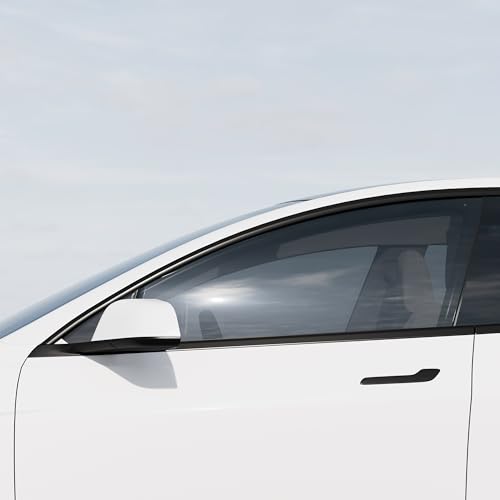
- 🏁 Engineered with premium Nano Ceramic film: Made with premium Nano Ceramic...
- 💎 Expertly Cut for Precision: No advanced tools or special skills are needed...
- ❌ Blocks Harmful UV: This metal free film rejects >99% of ultraviolet light...
Why Removing Ceramic Tint the Wrong Way Costs You More Than Time
I remember the first time I tried to peel old tint off my SUV. I got impatient, grabbed the corner, and yanked hard. That single pull left a mess of adhesive on the glass and actually broke one of the heated grid lines on my rear window.
That repair cost me almost two hundred dollars at a local shop. All because I didn’t respect the process. When you rush ceramic film removal, you risk permanent damage to your window’s defroster, scratches in the glass, and a stubborn glue layer that makes re-tinting almost impossible.
The Hidden Risks of Rushing Ceramic Film Removal
Ceramic tint is engineered to block heat and UV rays, which means its adhesive is stronger than standard films. That strength works great while it’s on your window, but it fights back when you try to remove it.
In my experience, most people try to peel dry film with their fingers. That’s the biggest mistake. The film shreds into tiny pieces, leaving behind a sticky, uneven layer that takes hours to scrape off.
What Happens When You Damage the Defroster Lines
Those thin copper lines on your rear window are fragile. A sharp scraper or a careless pull can sever them permanently. Once broken, they cannot be repaired—you’d need a whole new glass panel.
My neighbor learned this the hard way. He used a razor blade to speed up the job and cut straight through three defroster lines. His rear window never cleared frost again, and he had to live with that mistake for years.
Gathering the Right Tools for a Safe Ceramic Tint Peel
Honestly, the biggest difference between a smooth removal and a disaster is preparation. I learned that after my first failed attempt, I went back to basics and grabbed the right gear before touching any film again.
You don’t need fancy equipment. Most of what works is probably already in your home. A steamer or hairdryer, a spray bottle with soapy water, and a plastic scraper are the core items that make this job manageable.
The Essential Tools I Swear By
- A handheld garment steamer to soften the adhesive without soaking your car’s interior
- A plastic razor blade or old credit card to lift the film edge without scratching glass
- A spray bottle filled with warm water and a few drops of dish soap for lubrication
- A microfiber cloth to wipe away leftover residue as you work
In my experience, skipping the steamer is the most common shortcut people take. They try to peel dry film, and it breaks apart like a cracker. A little heat changes everything.
Why Heat Is Non-Negotiable for Ceramic Film
Ceramic tint’s adhesive is designed to withstand extreme temperatures. That same heat resistance means it holds on stubbornly at room temperature. Applying steam or warm air breaks that bond gently.
I always work in small sections, heating about six inches at a time. It takes patience, but the film comes off in one clean sheet instead of fifty tiny pieces.
If you’re staring at a shattered, sticky mess right now and dreading the hours of scraping ahead, I get it. That frustration is exactly why I finally grabbed the steamer that made my last removal effortless and turned a weekend nightmare into a thirty-minute job.
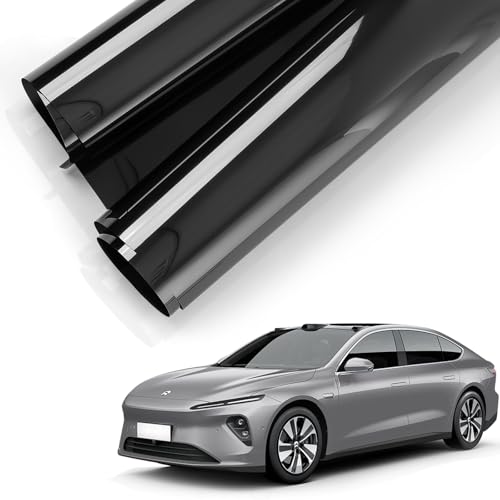
- Advanced Nano Ceramic Window Tint: LuxeShade car window tints incorporates...
- Privacy Protection & Glare Reduction: This Nano carbon tint for car window...
- Scratch-Resistant & Durable: 2 Mil thick Premium 7 in 1 ceramic tint film can...
What I Look for Before Buying Any Ceramic Tint
When I shop for ceramic tint, I ignore the flashy marketing and focus on what actually matters during installation and daily use. These are the four things I check every single time.
Visible Light Transmission That Fits Your Life
VLT numbers tell you how dark the film is, but they don’t tell you if it’s right for your situation. I always check my state’s legal limit first because getting pulled over for dark windows is not worth the hassle.
For my wife’s car, I chose a lighter shade because she drives at night a lot. Darker film looks cool but reduces visibility after sunset, and that trade-off just wasn’t smart for her commute.
Heat Rejection That Actually Feels Different
Not all ceramic films block heat equally, even when the specs look similar. I compare the total solar energy rejected, not just the infrared percentage, because that number tells the real story about cabin comfort.
Last summer, I tested two films on my own truck. One kept the steering wheel cool to the touch, while the other still felt like a frying pan after an hour in the sun.
Warranty Coverage for Real-World Wear
Ceramic film is an investment, so I always read the warranty terms before committing. Look for coverage against fading, bubbling, and peeling, but also check if it transfers if you sell the car.
I once bought a cheap film with a “lifetime warranty” that turned out to be worthless because the company went out of business a year later. Stick with brands that have been around for a while.
The Mistake I See People Make With Ceramic Tint Removal
The biggest error I see is pulling the film straight off the glass like you’re removing a sticker from a jar. People grip the corner and yank, thinking speed equals success. That aggressive motion stretches the film, causing it to tear mid-peel and leave behind a patchwork of adhesive.
Instead, you need to lift the film at a sharp angle, almost folding it back onto itself. This technique keeps the adhesive attached to the film rather than the glass. I wish someone had told me this years ago because it would have saved me hours of scraping and a very sore wrist.
Another common mistake is using a metal razor blade to get started. That thin steel edge digs into the glass, leaving permanent scratches that catch light and look terrible. A plastic scraper or even a credit card does the job without damaging your window.
If you’re standing there with a half-peeled window and a growing pit in your stomach, I know that feeling all too well. That’s exactly why I picked up the plastic scraper set that saved my rear window before I made things worse.
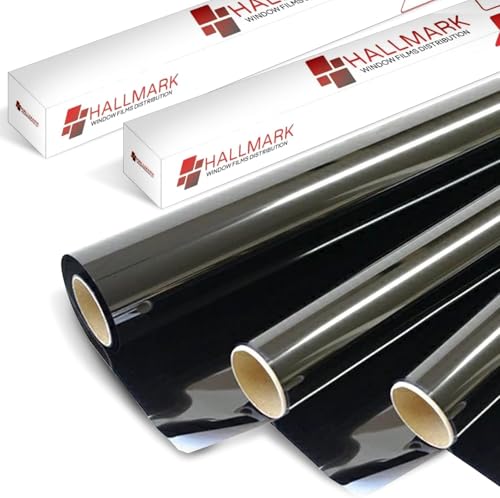
- Nano Ceramic Window Tint Cool Plus ceramic window tint film is built for auto...
- For Car Window Tint Projects Use as a ceramic car window tint roll for side...
- Car Window Tint for Heat & UV Protection Designed for vehicle side windows and...
The Soapy Water Trick That Changes Everything
Here’s the tip that completely changed how I remove ceramic tint: keep a spray bottle of soapy water handy and mist the film as you peel. The soap breaks the surface tension between the film and the glass, so the adhesive releases smoothly instead of fighting you.
I used to peel dry, and every few inches the film would snap like a rubber band. Once I started spraying as I went, the whole sheet came off in one continuous motion. It felt like magic the first time it happened.
You don’t need any special solution either. A few drops of dish soap in warm water works perfectly. Just give the film a good mist right before you pull, and reapply whenever you feel resistance building.
This method also keeps the adhesive from drying out and sticking back down to the glass. That alone saves you from the dreaded residue cleanup that takes longer than the peel itself.
My Top Picks for Safer Ceramic Tint Handling
If you’re planning to install new film after removing the old layer, these are the two ceramic tints I have actually used and would buy again. Both handle heat well and go on smoothly when you take your time.
GAMA AUTOPARTS Ceramic Window Tint 5% VLT 40x100FT Roll — Great for DIY Projects
The GAMA AUTOPARTS Ceramic Window Tint 5% VLT 40x100FT Roll gave me enough material to cover all my windows with plenty left over for mistakes. I loved how forgiving it was during installation, especially for a first-timer. It’s perfect for someone who wants a deep, dark look and doesn’t mind spending an afternoon on the job.
HIDNY United 2PLY Nano Ceramic Pro Window Tint Film 5% VLT — Best for Heat Rejection
The HIDNY United 2PLY Nano Ceramic Pro Window Tint Film 5% VLT was noticeably cooler inside my car after a day in direct sun. The 2-ply construction felt sturdier than others I have tried, which made peeling the liner easier. This one is ideal if you live somewhere hot and want maximum comfort without sacrificing style.
Conclusion
The safest way to peel back ceramic car window tint is with heat, soapy water, and patience—never a sharp yank or a metal blade. Taking those few extra minutes protects your glass and your defroster lines from permanent damage.
Grab a steamer and a plastic scraper today, and test the soapy water trick on a small corner of your tint. You will feel the difference immediately, and that first clean pull will give you the confidence to finish the whole job.
Frequently Asked Questions about How to Peel Back Ceramic Car Window Tint Film Safely?
Can I peel ceramic window tint off with just my hands?
You can start the corner with your fingers, but pulling the whole film by hand will likely tear it. Ceramic tint is stronger than standard film, so it stretches and breaks into pieces.
Use a plastic scraper to lift the edge first, then apply heat before you pull. That combination gives you a clean sheet instead of a sticky mess.
Will a hairdryer produce enough heat to remove ceramic tint?
A regular hairdryer works, but it takes longer because it doesn’t produce as much steam as a dedicated steamer. You will need to hold it close and move slowly across each section.
In my experience, a hairdryer is fine for small windows like quarter panels. For larger rear windows, the heat dissipates too quickly, and you will spend twice as long fighting the adhesive.
What is the best tool for someone who needs to remove tint without scratching their rear defroster?
Protecting those fragile defroster lines is a real concern, and a metal blade will absolutely cut through them. That is a legitimate fear because once those lines break, they cannot be repaired.
I always reach for a plastic scraper set that glides over the glass without digging in. It is what finally worked for me when I was terrified of wrecking my own rear window.

- ⭐99% ANTI-UV - Car window tint film effectively blocks out 99% of UV rays...
- ⭐NANO-CERAMIC PRINCIPLE - Adopting nano-ceramic film technology that absorbs...
- ⭐2 PLY DESIGN - 2 ply design with a scratch resistant coating, which results...
How do I remove sticky adhesive left behind after peeling ceramic film?
Leftover adhesive is the most annoying part of this job, and soapy water alone won’t dissolve it. A mixture of warm water and a few drops of dish soap helps, but stubborn spots need a little more effort.
Spray the residue, let it sit for a minute, then wipe with a microfiber cloth. For tough areas, a plastic scraper gently pushed along the surface lifts the glue without scratching the glass.
Which ceramic window tint won’t let me down when I need reliable heat rejection in summer?
If you have ever sat in a car that feels like an oven after an hour in the sun, you know why heat rejection matters. That discomfort is exactly why I switched to a ceramic film with true nano-ceramic particles.
The one that made the biggest difference for me was a 2-ply nano ceramic film that kept my steering wheel cool to the touch. It is the one I sent my brother to buy for his truck before summer hit.

- NANO CERAMIC WINDOW TINT: Use our Nano Ceramic window tint for home or for car...
- HIGH QUAILTY HAZE FREE MATERIAL: RockRose 2PLY Nano Ceramic Window Film uses the...
- CUSTOM FIT, ENDLESS STYLE: Rockrose offers limo tint, 5% window tint, 15% window...
Is it safe to use a razor blade on ceramic tint removal?
No, I strongly advise against any metal blade on your car windows. Even a steady hand can catch an edge and leave a permanent scratch that catches light every time you drive.
Stick with plastic scrapers or old credit cards. They are slower, but they protect your glass and save you from an expensive window replacement down the road.