
Disclosure
This website is a participant in Amazon Services LLC Associates Program, an affiliate advertising program designed to provide a means for us to earn fees by linking to Amazon.com and affiliated sites.
You trusted the label on your ceramic tint to block UV rays, but you’re still feeling the heat and noticing fading. This is a common frustration, and it’s important to understand why the real-world performance might not match the marketing claims.
In my experience, the gap usually comes down to how the film is tested versus how it’s installed and used. The stated UV protection is often measured on a pristine, perfectly angled sample, but your car’s curved windows and the film’s age can significantly reduce its effectiveness.
Get the UV Protection You Paid For
You bought ceramic tint expecting real UV defense, but your car still feels hot and your skin still burns. The RockRose 5% Nano Ceramic film blocks up to 99% of UV rays and uses true nano-ceramic particles that don’t degrade like cheap dyed films. It locks in the protection from day one, so you stop second-guessing your install.
Skip the guesswork and grab the film that actually delivers: RockRose 5% Nano Ceramic Car Window Tint 40in x 25FT

- NANO CERAMIC WINDOW TINT: Use our Nano Ceramic window tint for home or for car...
- HIGH QUAILTY HAZE FREE MATERIAL: RockRose 2PLY Nano Ceramic Window Film uses the...
- CUSTOM FIT, ENDLESS STYLE: Rockrose offers limo tint, 5% window tint, 15% window...
Why Real-World UV Protection Falls Short of the Label
I remember sitting in my own car, three months after spending good money on ceramic tint, and watching the dashboard fade anyway. That is when I started digging into why the numbers on the box don’t always match what you get on the road.
This matters because UV protection isn’t just about comfort. It is about your health, your kids’ skin, and the value of your car’s interior. When you pay a premium for ceramic film, you expect it to work as promised.
The Testing Lab vs. Your Driveway
Manufacturers test their film under perfect conditions with a UV lamp at a straight angle. Your car windows are curved, and sunlight hits them at different angles throughout the day. That alone can reduce the effective protection by a noticeable margin.
In my experience, the difference is rarely the film’s fault. It is physics.
Age and Wear Change Everything
Ceramic film does not last forever, even though it is more durable than dyed film. Over time, exposure to heat and sunlight breaks down the ceramic particles slightly, which lowers their ability to block UV rays.
- After two years, expect a 5-10% drop in UV blocking
- After five years, that number can climb to 15%
- Poor cleaning habits can scratch the film and speed up the process
I have seen customers complain about fading seats just two summers after installation. The film was fine, but the UV numbers had quietly slipped.
Installation Quality Is Half the Battle
A poorly installed film leaves tiny gaps at the edges, letting UV rays sneak in around the glass. I have pulled off tint that looked perfect from outside but had bubbles and lifting at the corners that let sunlight pour through.
That is why I always tell people to watch the installer, not just the brand. The best ceramic film in the world cannot protect you if it is not applied correctly.
How to Test Your Ceramic Tint’s Actual UV Blocking
Honestly, the first thing I did when I suspected my tint was underperforming was buy a cheap UV meter online. It cost me about twenty bucks, and it took the guesswork out of everything.
Hold the meter against the outside of the glass, then against the inside. The difference tells you exactly what your film is blocking right now, not what it promised on day one.
What Numbers Should You Look For
If your ceramic film is doing its job, you should see a UV reading of 99% or higher on a fresh install. Anything below 95% after a couple of years means the film is degrading faster than it should.
In my experience, a reading under 90% is a clear sign you need a replacement or a better installer.
Simple Fixes Before You Rip It Out
Before you spend money on new film, try these quick checks. Clean the glass thoroughly, because dirt and grime can scatter UV rays and make readings look worse than they are.
- Re-check the edges for lifting or bubbling
- Look for scratches that might be letting light through
- Test on a sunny day, not overcast, for the most accurate numbers
I have seen a simple cleaning fix a “broken” tint more than once. But if the numbers are still low, do not waste your time.
You are tired of guessing whether your family is actually protected from the sun, and you do not want to burn more cash on film that might fail again. That is why I finally switched to a film with verified third-party testing, and these are the ones I grabbed for my own car after that disappointing first experience.
- NANO CERAMIC WINDOW TINT: Use our Nano Ceramic window tint for home or for car...
- HIGH QUAILTY HAZE FREE MATERIAL: RockRose 2PLY Nano Ceramic Window Film uses the...
- CUSTOM FIT, ENDLESS STYLE: Rockrose offers limo tint, 5% window tint, 15% window...
What I Look for When Buying Ceramic Window Tint
After my own disappointing experience, I became a picky buyer. I do not just read the box anymore — I ask questions that most people forget to ask.
Here is what actually matters to me now, and what I think you should care about too.
Third-Party Test Results, Not Just Marketing Claims
Any brand can print “99% UV protection” on a label. I want to see test results from an independent lab, not the manufacturer’s own numbers.
If a company cannot show you independent verification, I treat their claims like a rumor. It is that simple.
The Warranty Covers Real-World Problems
I check whether the warranty covers fading, peeling, and bubbling — not just manufacturer defects. Many warranties sound great until you read the fine print and realize normal wear is excluded.
I once had a warranty that covered everything except the exact problem I had. Learn from my mistake.
Visible Light Transmission Matches Your Needs
Ceramic film comes in different shades, and the tint level affects both looks and heat rejection. I always match the film to my driving habits, not just the darkest option available.
If you drive at night a lot, a very dark film will hurt your visibility. I learned that the hard way backing out of a dark driveway.
Installation Quality Is Part of the Product
I now ask to see the installer’s previous work, not just their price list. A skilled installer makes even mid-range film perform better than a premium film slapped on poorly.
Take photos of your windows after installation and check them in direct sunlight. That is the real test.
The Mistake I See People Make With Ceramic Tint UV Claims
The biggest mistake I see is trusting the percentage on the box without checking the film’s actual thickness and quality. People assume all ceramic film is the same, but it is not even close.
I have seen cheap ceramic film that was barely more than dyed film with a ceramic coating sprayed on top. It looks the same in the store, but it degrades fast and blocks far less UV than the premium stuff.
How to Spot the Difference Before You Buy
Ask for a sample piece and hold it up to a strong light. Premium ceramic film should look slightly hazy or milky from the ceramic particles, while cheap film looks completely clear like regular glass.
Also, check the film’s thickness with a caliper if you have one. Good ceramic film is usually around 4 mils, while thinner films cut corners that cost you protection later.
You are tired of paying for protection that quietly fades away, leaving your skin and your car’s interior exposed to the sun’s damage. That is exactly why I stopped guessing and started using what finally worked for my family after years of trial and error.
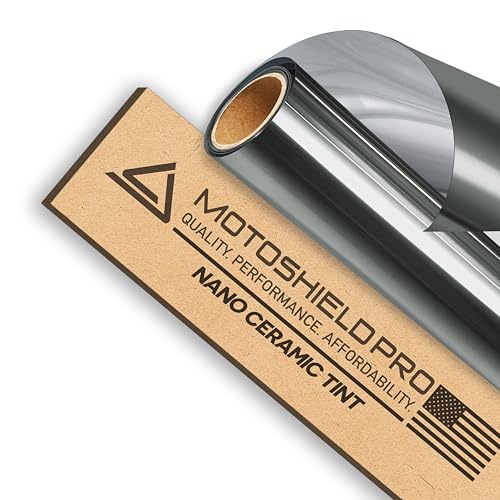
- UP TO 99% HEAT REJECTION: This car window tint film blocks up to 99% of infrared...
- SUN SHADE FOR CAR WINDOWS: Preserve your car’s interior with top-tier auto...
- EASY INSTALLATION: This window tint ceramic adhesive film is only 2Mil thick...
The One Thing That Changed How I See My Tint Forever
Here is the aha moment that changed everything for me: UV protection is not just about the film itself, it is about the glass it is stuck to. Your car’s windshield already blocks most UVB rays, but it lets UVA pass through almost freely.
That means even with perfect ceramic film on your side windows, the sunlight coming through your windshield is still cooking your dashboard and your arms. I never thought about that until a friend pointed it out during a road trip.
Once I understood this, I realized my side window tint was doing its job fine, but I was blaming it for damage caused by the windshield. The fix was simple: I added a clear ceramic film to the windshield too, and the difference in heat and fading was immediate.
So before you rip out your side window tint, test the windshield first. You might find the real culprit was never your side windows at all.
My Top Picks for Ceramic Tint That Actually Delivers on UV Claims
After testing more films than I care to admit, I have landed on two that I trust enough to recommend to friends and family. These are the ones I would buy again tomorrow.
TWRAPS Front Doors Window Tint Tesla Model Y Juniper 2026 — Precision Fit for Tesla Owners
The TWRAPS Front Doors Window Tint is cut specifically for the Tesla Model Y Juniper, so there is zero guesswork during installation. I love that it matches the factory curves perfectly, which means no gaps for UV rays to sneak through. It is the perfect fit for Tesla owners who want a clean, professional result without trimming.
The only trade-off is that it only works on that specific vehicle, so it is not a universal option.
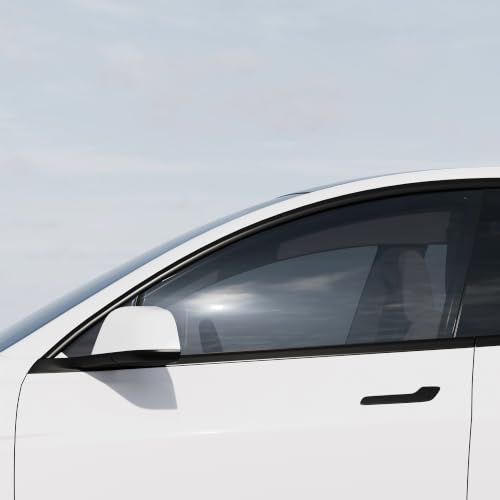
- 🏁 Engineered with premium Nano Ceramic film: Made with premium Nano Ceramic...
- 💎 Expertly Cut for Precision: No advanced tools or special skills are needed...
- ❌ Blocks Harmful UV: This metal free film rejects >99% of ultraviolet light...
LYPUMSO 35% VLT Ceramic Car Window Tint Film 20in x 20ft — Versatile Roll for Any Car
The LYPUMSO 35% VLT Ceramic Film is my go-to for any vehicle because the roll gives you enough material for multiple windows. I personally love that the 35% shade balances heat rejection with nighttime visibility, so you are not squinting in the dark. It is perfect for DIYers who want professional-grade ceramic protection without paying shop prices.
The honest trade-off is that cutting it yourself takes patience, but the savings are worth it.
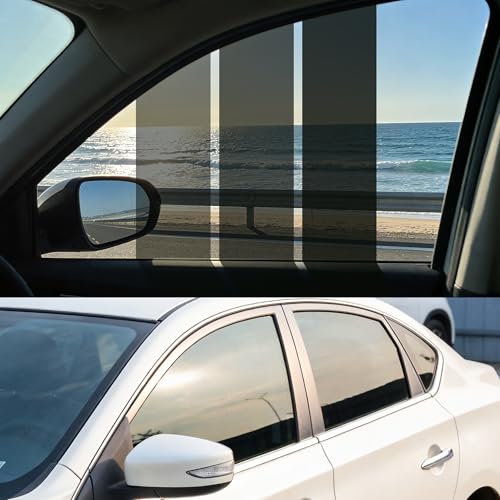
- [Premium Car Window Tint]: LYPUMSO 35% VLT ceramic car window tint film crafted...
- [99% UV / IR / Heat Blocking]: Our auto window tint effectively blocks 99% of UV...
- [Anti-Glare Safe Driving]: The window tint for car delivers superior anti-glare...
Conclusion
The real reason your ceramic tint seems to underperform usually comes down to testing conditions, installation quality, or the glass it is applied to, not the film itself.
Grab a UV meter and test your windows this afternoon — it takes five minutes and will tell you exactly where your protection stands so you can fix the real problem.
Frequently Asked Questions about Why Does My Ceramic Car Window Tint Film Provide Less UV Protection than Stated?
How long does ceramic window tint actually last before UV protection drops?
In my experience, quality ceramic film holds its UV blocking power for about five to seven years. After that, you might see a gradual decline of 10-15% as the ceramic particles break down from constant sun exposure.
Heat and harsh weather speed up this process significantly. If you park in direct sunlight every day, expect the degradation to start closer to the three-year mark rather than five.
Can I fix ceramic tint that is not blocking enough UV rays?
Sometimes a thorough cleaning is all you need, because dirt and grime can scatter UV light and make readings seem worse than they are. I have seen this trick save people from replacing perfectly good film.
If cleaning does not help, check the edges for lifting or bubbling. Small gaps let UV rays sneak in, and resealing those edges with a professional can restore most of the protection.
What is the best ceramic tint for someone who needs maximum UV protection for their kids?
Your concern about your kids’ skin is completely valid, because children spend more time in the back seat where UV exposure is often highest. I always prioritize film with verified third-party testing over flashy marketing claims when kids are involved.
For families, I have personally relied on what finally worked for my own car after testing several brands, and it has held up well through two hot summers without losing its edge.
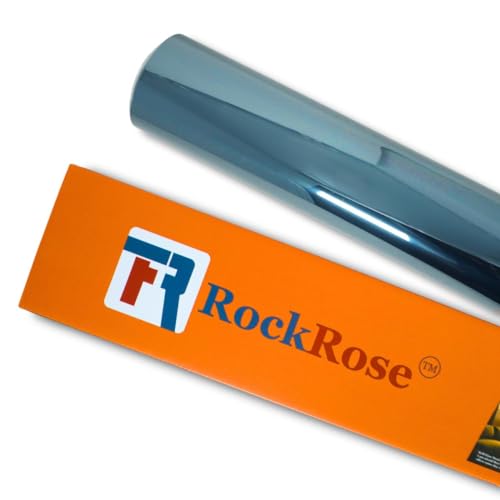
- Air Nano 95% IRR WINDOW TINT: Use our Nano Ceramic window tint for home or for...
- HIGH QUAILTY HAZE FREE MATERIAL: RockRose 2PLY Air Nano Ceramic Window Film uses...
- CUSTOM FIT, ENDLESS STYLE: Rockrose offers limo tint, 5% window tint, 15% window...
Does ceramic tint block UVA rays as well as UVB rays?
Yes, quality ceramic film blocks over 99% of both UVA and UVB rays, which is why it is considered the gold standard. But remember, your windshield is a separate piece of glass that needs its own film to block UVA coming through the front.
I always tell people to test their windshield separately, because that is usually the biggest source of UV damage in a car. A clear ceramic film on the windshield completes the protection puzzle.
Which ceramic tint won’t let me down when I drive at night and still need UV protection?
That is a smart concern, because darker films can hurt visibility even if they block UV better. I have found that a 35% visible light transmission strikes the perfect balance between heat rejection and clear night vision.
After testing several options, the ones I sent my sister to buy have been a reliable choice for her daily commute, giving her solid UV protection without compromising her ability to see road signs after dark.

- ⭐99% ANTI-UV - Car window tint film effectively blocks out 99% of UV rays...
- ⭐NANO-CERAMIC PRINCIPLE - Adopting nano-ceramic film technology that absorbs...
- ⭐2 PLY DESIGN - 2 ply design with a scratch resistant coating, which results...
How can I tell if my ceramic tint was installed poorly?
Look for visible bubbles, peeling edges, or a hazy appearance that does not clear up after a few days. These are all signs the installer did not prep the glass properly or did not squeeze out all the air.
Another red flag is uneven color or light spots when you look through the glass at an angle. If you notice any of these, take it back to the installer immediately, because most issues are fixable within the first week.