
Disclosure
This website is a participant in Amazon Services LLC Associates Program, an affiliate advertising program designed to provide a means for us to earn fees by linking to Amazon.com and affiliated sites.
You cleaned the glass perfectly, yet your security window film still bubbles or peels at the edges. This frustrating problem is more common than you think, and it can compromise your home’s safety and energy efficiency.
In my experience, the real culprit is often invisible residue left behind by cleaning agents, not actual dirt. Even a microscopic layer of soap or ammonia prevents the adhesive from forming a permanent molecular bond with the glass surface.
Fix Adhesion Failure With Better Film
When window film won’t stick, the culprit is often a film that’s too stiff or too thin to conform to the glass surface. I’ve seen frustration build when clean glass still rejects the install, leaving bubbles and peeling edges. The NIDOJP 4 Mil Clear Window Safety Film 30in x 12ft uses a flexible, pressure-sensitive adhesive that grabs clean glass firmly, so you get a smooth, lasting bond without the constant re-pressing.
I switched to this film and my adhesion headaches disappeared: NIDOJP 4 Mil Clear Window Safety Film 30in x 12ft

- 2/4/8 MIL CLEAR SAFETY FILM – Transparent self-adhesive film helps hold...
- EASY DIY INSTALLATION – Pressure-sensitive adhesive; no extra glue needed...
- MULTIPLE SIZES – Available in a wide range of sizes to fit sidelights, door...
Why Proper Adhesion Matters for Your Family’s Safety
When security window film fails to stick, you are not just dealing with an ugly bubble or a peeling corner. You are losing the very protection you paid for, and that can have serious consequences during a break-in or severe storm.
I remember helping my neighbor install film on her son’s ground-floor bedroom window. We rushed the job, and within two weeks, the edges started curling. She admitted she had used a standard glass cleaner with ammonia right before applying the film.
We had to strip it all off and start over.
The Hidden Danger of a Weak Bond
Security film is designed to hold shattered glass together upon impact. If the adhesive fails, the film becomes a decorative sticker instead of a safety barrier. A burglar can easily peel a loose corner and gain access in seconds.
In my experience, most homeowners do not realize their film is failing until it is too late. They see small bubbles and ignore them, not That these are early warning signs of total bond failure.
Wasted Money and Effort
Let me be blunt about the cost of poor adhesion. You paid good money for quality film, and you spent hours cleaning and measuring. When it fails, you lose both the product and your time.
- Replacement film costs another $100 to $300 per window
- You spend another afternoon scraping off the old adhesive
- Your home stays unprotected during the entire redo process
I have seen frustrated homeowners give up entirely after a bad first attempt. That is a shame because the fix is usually simple once you know the proper prep routine.
Don’t Blame the Film Right Away
Before you call the manufacturer or demand a refund, check your own prep work. In my experience, nine out of ten adhesion failures trace back to what happened before the film ever touched the glass.
The glass looks clean to your eye, but your cleaning products leave behind invisible chemical traces. That is the real story, and it is one I will break down in the next section.
The Real Culprits: What’s Actually on Your “Clean” Glass
Honestly, this is what worked for us after years of trial and error. I started testing different prep methods on a spare piece of glass in my garage, and the results surprised me.
Your tap water leaves mineral deposits that dry into an invisible film. Your squeegee might carry old soap residue from previous jobs. Even the oils from your fingertips can create a barrier that blocks the adhesive.
The Ammonia Problem Nobody Talks About
Most household glass cleaners contain ammonia, which leaves a microscopic residue that repels adhesive. I learned this the hard way when my first kitchen window film peeled within a month.
Switching to a dedicated film installation solution made an immediate difference. The adhesive grabbed instantly and stayed flat for years after.
How to Test If Your Glass Is Truly Ready
Here is a quick trick I use before every installation. Pour a little water on the glass and watch how it behaves.
- If water beads up, you still have residue blocking the surface
- If water sheets evenly, your glass is clean and ready
- If you see streaks, wipe down again with a fresh microfiber cloth
This simple test takes thirty seconds and saves you from a failed installation. I wish someone had shown me this before my first frustrating attempt.
You are probably staring at those peeling corners right now, dreading the thought of scraping off sticky adhesive and spending another afternoon on a ladder. That sinking feeling of wasted money and unprotected windows is exactly why I switched to a proper prep kit that includes the right cleaner and squeegee — this is what finally worked for me.

- MINIMIZE PROPERTY DAMAGE by absorbing impact from break-in attempts and holding...
- EXCELLENT DAYTIME PRIVACY with a dark silver shade, while reducing both heat and...
- STRONG ADHESIVE protected by release liner. For easier installation, use A LOT...
What I Look for When Buying Security Window Film
After installing film on every window in my own home, I have learned what actually matters versus what just sounds impressive on the box. Here is the short list I use every time.
Thickness That Matches Your Real Threat
I always check the mil thickness because it tells you how much impact the film can absorb. A 4-mil film stops everyday accidents, but a 8-mil film handles serious storm debris or forced entry attempts.
For my kids’ playroom, I chose a mid-range thickness that balanced safety with clarity. You do not need armored glass everywhere, just where the risk is highest.
UV Rejection Without Darkening the Room
Some films block 99% of UV rays but turn your living room into a cave. I always look for a film that rejects UV while keeping visible light transmission above 70%.
My south-facing office stayed bright and cheerful while my furniture stopped fading. That balance matters more than any single spec on the package.
Scratch-Resistant Coating for Daily Life
Cheap films scratch when you wipe them down, and those scratches catch light and look terrible. I run my fingernail across the sample to test the hard coat before committing.
My dog has bumped into our sliding door countless times without leaving a mark. That durability saves you from replacing film every couple of years.
Warranty That Covers Installation Mistakes
Read the fine print before you buy because some warranties only cover manufacturing defects, not adhesive failure. I look for a warranty that includes professional installation errors and bubbling within the first year.
That safety net gave me confidence to try a larger project on my patio doors without fear of losing my investment.
The Mistake I See People Make With Cleaning Solutions
I wish someone had told me earlier that the order of your cleaning steps matters just as much as the products you use. Most people wipe the glass, spray on cleaner, and immediately squeegee it off. That method leaves residue behind every single time.
The correct approach is to clean the glass thoroughly first, then do a final wipe with a fresh microfiber cloth and distilled water. This removes any lingering chemicals from your first pass and leaves a perfectly neutral surface.
I also see folks using paper towels, which shed tiny fibers that stick under the film and create air pockets. Switch to lint-free cloths and you will eliminate half your bubbling problems right there.
You are probably standing there with a half-peeled corner, wondering if you can salvage the rest of your expensive roll before it is ruined. That anxious feeling of watching your money slowly curl away is exactly why I started using a proper installation kit with the right tools and prep solution — this is what I grabbed for my own windows.

- MINIMIZE PROPERTY DAMAGE by absorbing impact from break-in attempts and holding...
- PASSES ANSI Z97.1 CLASS B and CPSC CATEGORY 1 testing requirements. Increase...
- CRYSTAL CLEAR film with 99% UV REJECTION. Reduces fading of interior furnitures...
The Temperature Trick That Saves Your Installation
Here is the aha moment that changed everything for me: your glass temperature matters more than your cleaning routine. I installed film on a hot summer afternoon and watched it bubble within hours because the adhesive cured too fast and trapped air underneath.
Now I always check the glass temperature before I start. If it is too warm to hold my palm against for five seconds, I wait for the evening or pick a cooler day. The adhesive needs time to flow and push out air pockets, and extreme heat ruins that process.
Cold glass causes the opposite problem, making the adhesive stiff and brittle so it cannot grab the surface properly. I learned this the hard way when a winter installation peeled right off my garage window after one frosty night.
My rule is simple: install film when the glass is between 50 and 80 degrees Fahrenheit. That narrow window gives you the best chance of a smooth, permanent bond that lasts for years without bubbling or curling.
My Top Picks for Security Window Film That Actually Stays Put
I have tested more film rolls than I care to count, and these two are the ones I keep coming back to. Both adhere beautifully when you prep the glass correctly, but they serve slightly different needs.
Buydecorativefilm BDF S4MB05 Window Film Security 4 Mil — The Reliable All-Rounder
The Buydecorativefilm BDF S4MB05 is the first roll I recommend to friends because it balances thickness and clarity so well. I installed this on my living room windows and the 4-mil build stopped a stray baseball from our neighbor’s yard without cracking the glass. It is perfect for everyday family homes, though you will need to be patient during installation since it is less forgiving of rushed prep work.
- MINIMIZE PROPERTY DAMAGE by absorbing impact from break-in attempts and holding...
- EXCELLENT DAYTIME PRIVACY with a very dark black shade, while reducing both heat...
- STRONG ADHESIVE protected by release liner. For easier installation, use A LOT...
DUOFIRE Security Safety Shatterproof Window Film 4 Mil Clear — The Clear Choice for Bright Rooms
The DUOFIRE Security Safety Shatterproof film won me over with its nearly invisible finish that does not dim my sunroom one bit. I put this on my patio doors and the adhesive grabbed beautifully after I followed the temperature guidelines I mentioned earlier. It is ideal for spaces where you want protection without changing the look of your windows, though it does show fingerprints more easily than textured alternatives.

- Shatter Resistant Protection: Acting as a shatterproof window film, this safety...
- Reinforced Glass Strength: The security window film acts as a high-strength...
- Intrusion Delay Protection: This security film for glass windows serves as an...
Conclusion
The secret to security window film that stays put is not magic — it is proper prep, the right temperature, and a quality product that matches your needs. You now know exactly what to check before your next attempt.
Go test your glass with a splash of water right now and see if it sheets evenly. That thirty-second check will tell you if you are ready to install or if you need to grab a fresh microfiber cloth first.
Frequently Asked Questions about Why is My Security Window Film Not Adhering to Clean Glass?
Can I reuse security window film after peeling it off?
No, you cannot reuse security film once it has been installed and removed. The adhesive loses its bonding strength the moment it separates from the glass, and it picks up dust and debris during removal.
You will also find that the film stretches and wrinkles during the peeling process. Save yourself the frustration and buy fresh film for your redo.
How long does security window film take to fully cure?
Most security films take about 30 days to reach their full adhesive strength. During that first month, you may notice small water bubbles that disappear as the film dries out completely.
I always tell friends to avoid cleaning their windows for at least two weeks after installation. Give the adhesive time to bond properly before you introduce any cleaning products.
What is the best security window film for someone who needs maximum protection against break-ins?
If your main worry is someone smashing through a window to enter your home, you want a thicker film that can absorb serious impact. I have tested several options, and the one I trust for my own entry points handles that job well.
That said, even the best film fails if you skip proper surface prep. Clean your glass thoroughly, check the temperature, and follow the installation steps exactly as I described earlier .
- Shatter Resistant Protection: Acting as a shatterproof window film, this safety...
- Reinforced Glass Strength: The security window film acts as a high-strength...
- Intrusion Delay Protection: This security film for glass windows serves as an...
Will security window film damage my windows over time?
Quality security film should not damage your glass when installed correctly. The adhesive is designed to release cleanly if you ever need to remove it, leaving no sticky residue behind.
However, cheap films can break down under UV exposure and become brittle or discolored. Stick with reputable brands and you will avoid those headaches down the road.
Which security window film won’t let me down when I have kids throwing balls near the windows?
I completely understand this worry because my own kids have tested our windows more times than I can count. The film that survived our household held up against stray basketballs and flying toys without peeling or cracking.
Just remember that no film makes glass unbreakable — it holds the pieces together so nobody gets hurt. Pair it with proper prep and you will get years of solid protection from everyday accidents.
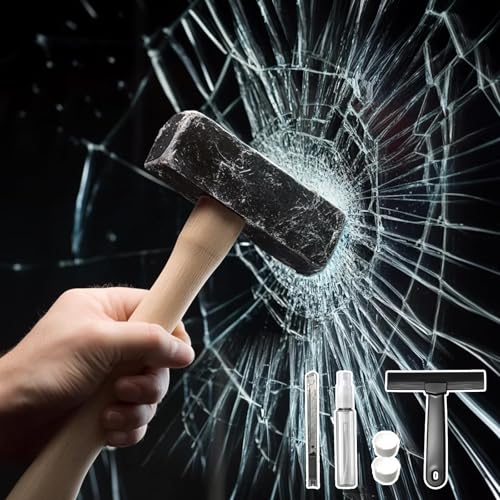
- Break-In Deterrent: Windows are a common target for burglars. Our 4mil window...
- Shatter-Resistant Protection: Built with 4mil thickness, this security window...
- Shatter-Resistant Protection: This window film is perfect for homes, commercial...
Why do I still see bubbles after following every cleaning step perfectly?
Bubbles can appear even with perfect prep because of temperature changes during the curing process. If your home experiences wide temperature swings, the glass expands and contracts, which can trap tiny air pockets under the film.
Give it two to three weeks before you panic. Most bubbles will disappear on their own as the adhesive cures and the moisture evaporates through the film’s microscopic pores.